- Category
- Dairy and eggs
- State
- Fresh
- Usual unit
- g
What it is
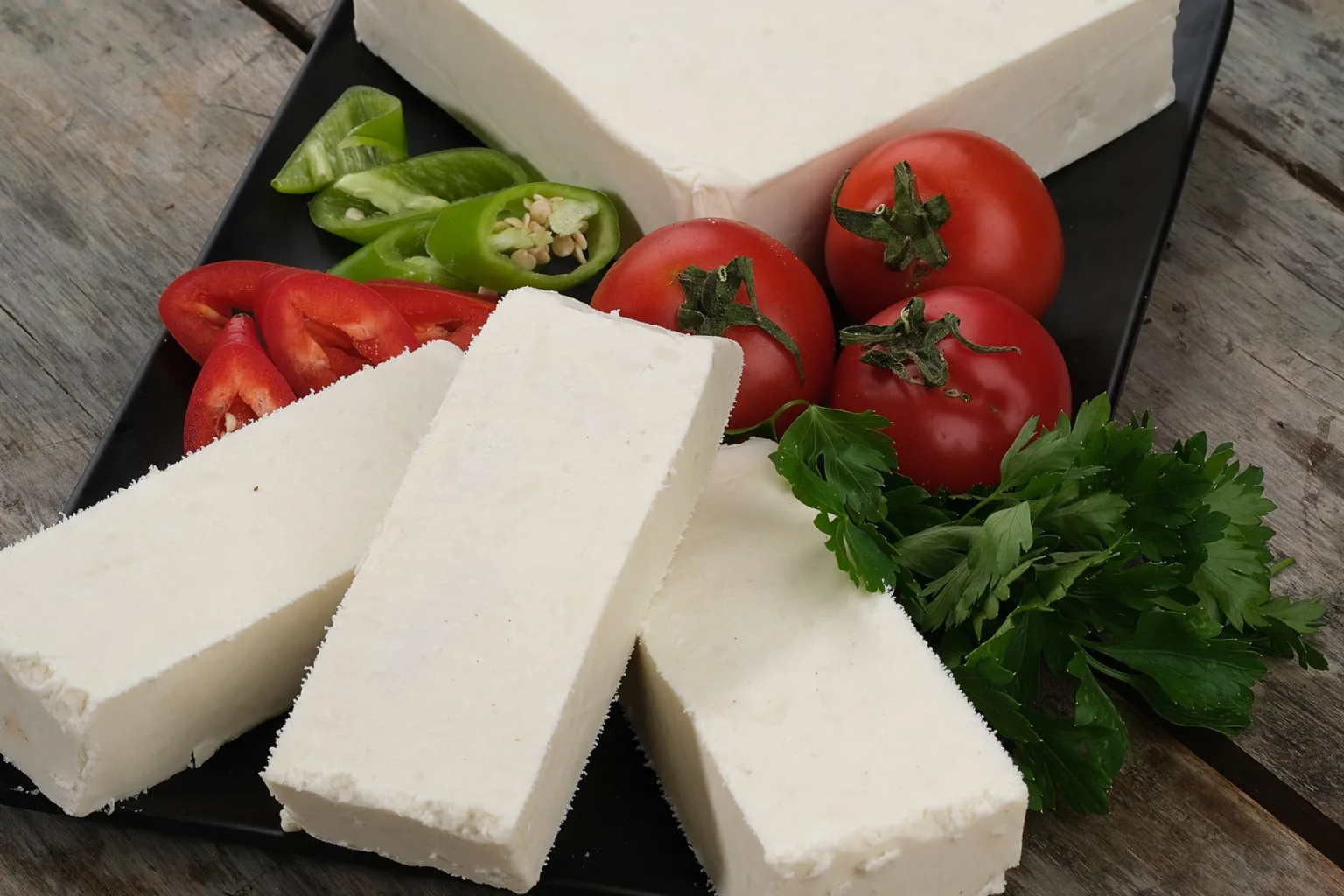
Fresh cheese is a broad category of cheeses eaten without prolonged maturation. It generally retains plenty of moisture and can be soft, creamy, firm, or easy to crumble, depending on the product and how it was made. Its flavor is usually mild and dairy-forward, sometimes with a slight tang; saltiness also varies. It may be made from cow’s, goat’s, or sheep’s milk, among other possibilities, so fresh cheeses do not all taste or behave alike. The name should not be treated as interchangeable with cream cheese, ricotta, or cottage cheese: these are different products, even if some can perform similar roles in a recipe. Check the product name and ingredient list to identify the specific variety you have.
When to use it
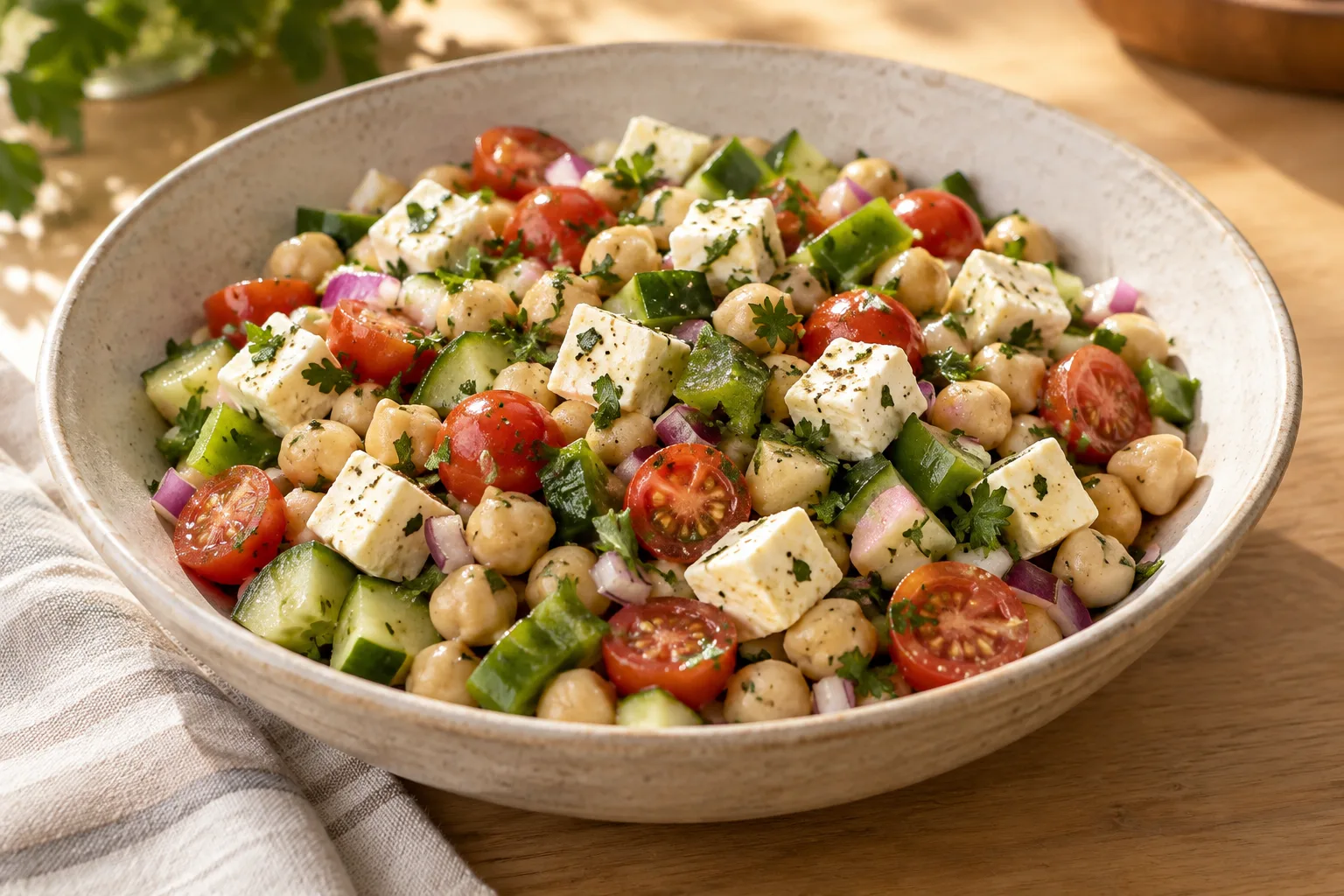
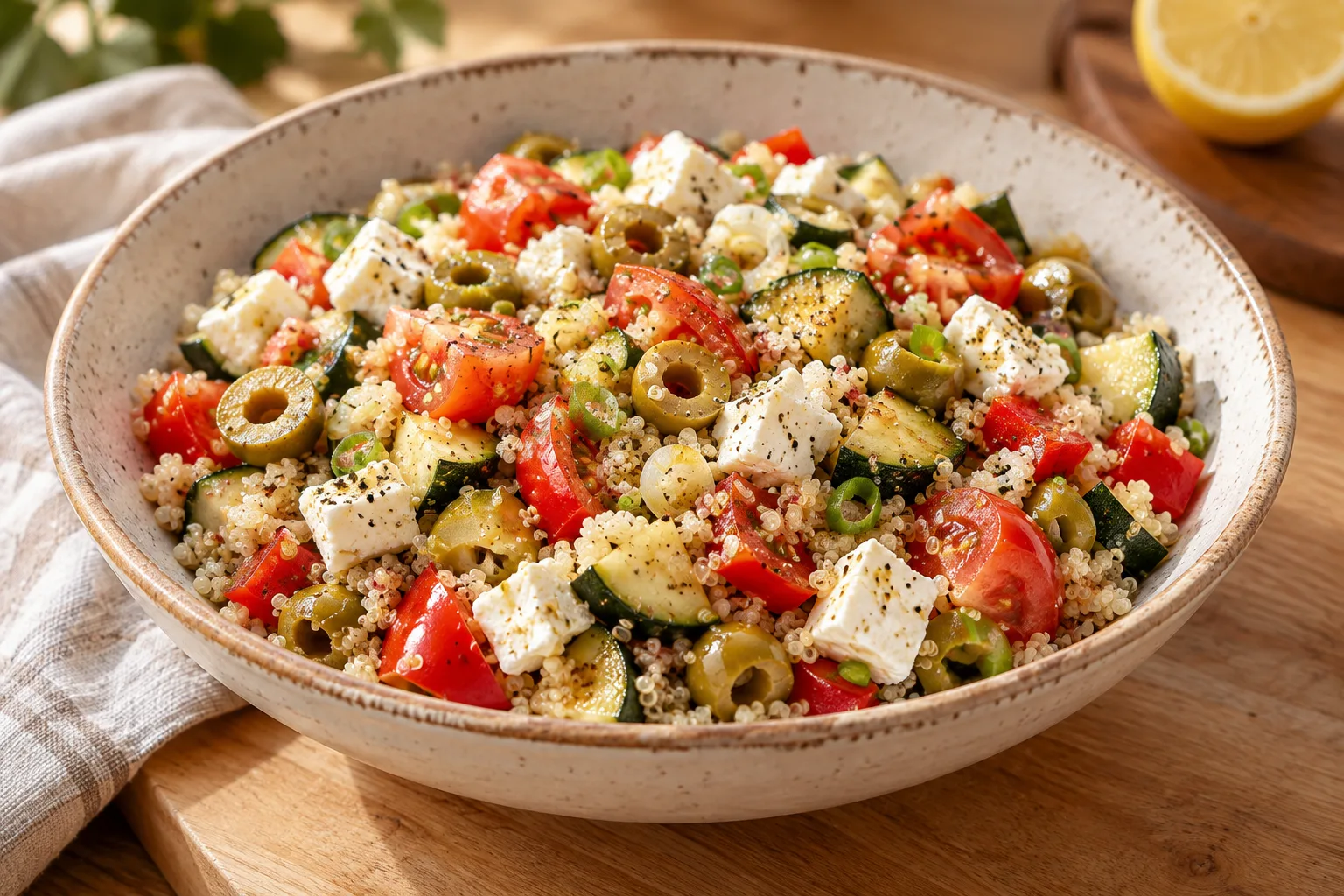
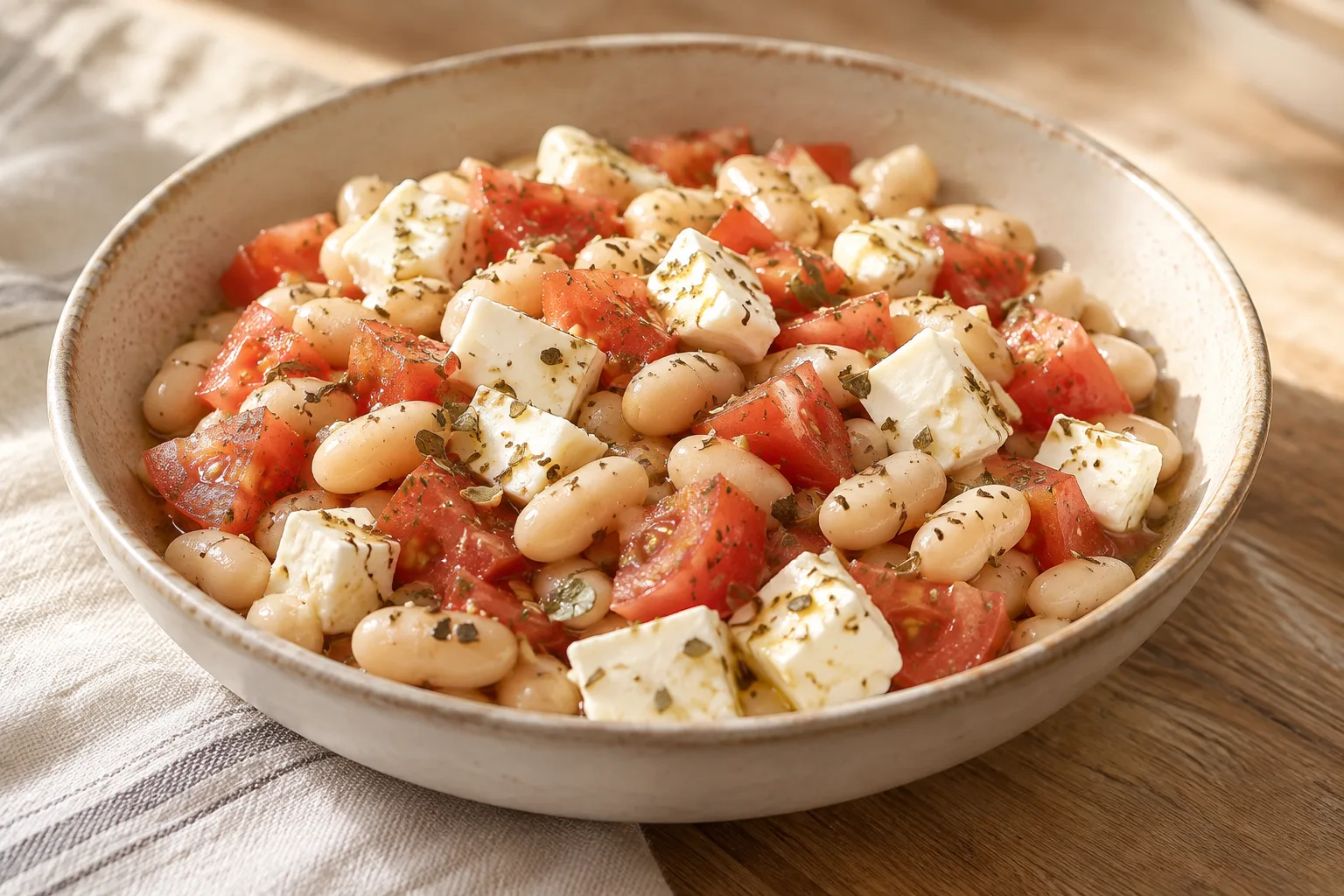
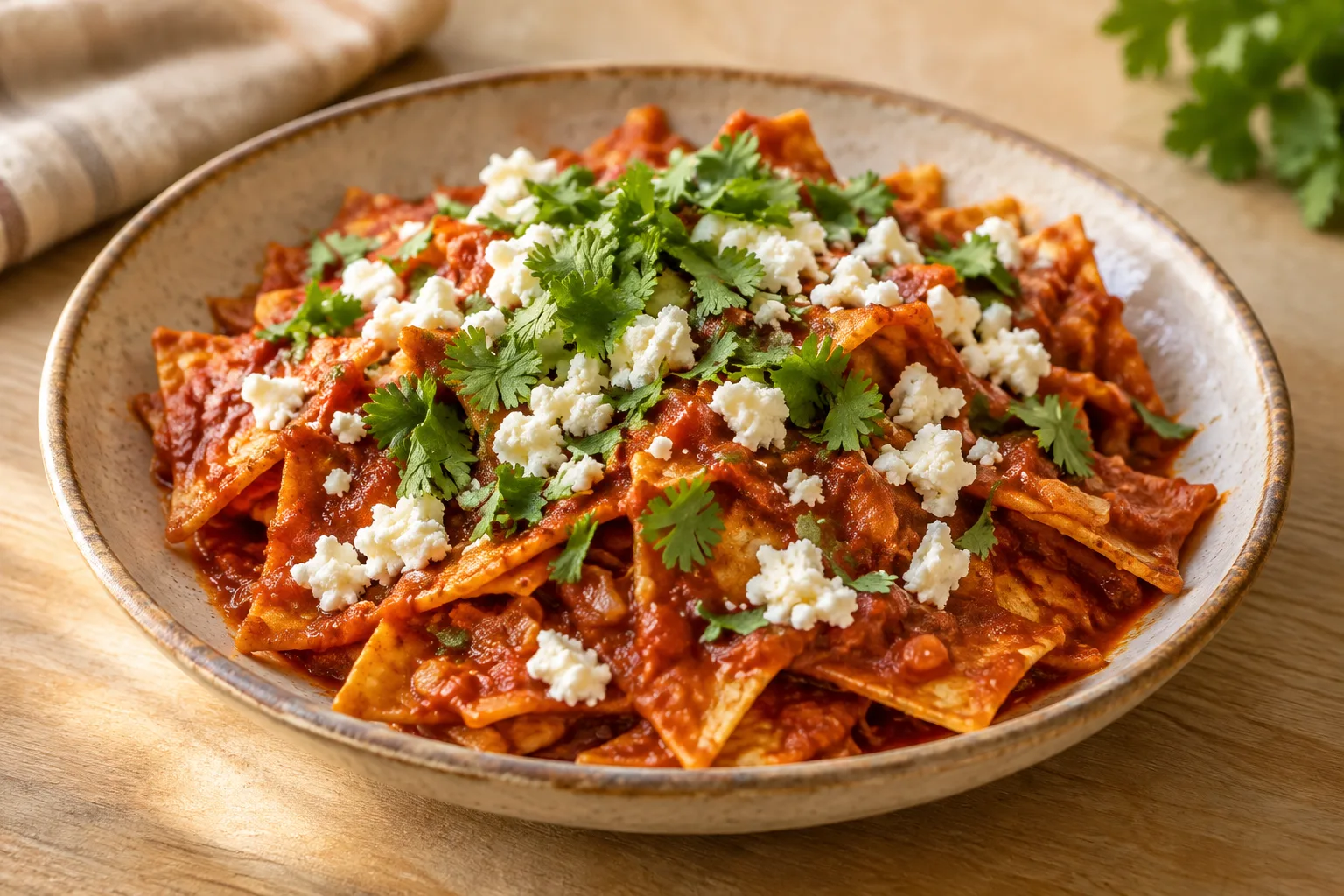
Use fresh cheese when you want a moist, mild dairy contrast rather than the stronger flavor of a matured cheese. Crumbled, it works over tacos, enchiladas, beans, and salads; it can also be used in fillings or served with fruit. In hot dishes, choose it when softening while retaining some shape is suitable, rather than assuming it will melt like mozzarella. Fresh cheeses differ in moisture, firmness, and saltiness, so taste a little before adjusting the seasoning of your dish.
How to use it
Serve it cold or at serving temperature, crumbled over salads, tacos, enchiladas, beans, or roasted vegetables. Cut firmer pieces into cubes or slices; crumble softer ones by hand or with a fork. Add it near the end over hot food if you want it to keep some shape and provide a fresh contrast. When using it in a filling, account for its moisture and consider whether the mixture can take additional liquid. It can also accompany fruit or be paired with honey or jam in a sweet preparation. When heated, expect it to soften more readily than to melt completely; the result depends on the variety and production method.
Flavour and texture
Its flavor is usually mild, dairy-like, and sometimes slightly tangy, but milk type and production affect both taste and saltiness. The texture can range from creamy to firm and crumbly, and is generally moist. Some products are more uniform, while others hold a more distinct structure. These differences are normal: the category includes varied products, so check the cheese itself before deciding whether to slice, crumble, or mix it.
How to choose it
Read the product name and ingredient list to see what you are buying and which milk was used. Cow’s, goat’s, or sheep’s milk can produce different flavor and texture profiles, and products also vary in pasteurization and production method. Choose for the task: a firmer piece may be easier to slice or crumble, while a creamier one may suit mixtures. Check the date and storage directions on the package, and review its allergen information.
Storage
Use the package’s storage directions and date as the guide for the specific product. Because fresh cheese is moist, keep it refrigerated when the label directs you to do so. After opening, close the package again or place the cheese in a clean covered container, and follow the maker’s instructions for use. Avoid relying on one universal storage period: it depends on the product, packaging, and directions provided.
Substitutions
There is no single exact substitute for every use because fresh cheeses vary in moisture, firmness, and saltiness. Ricotta can provide a mild dairy quality in fillings or creamy mixtures, but its texture differs and it is not the same cheese. Cottage cheese can work where a more granular texture is acceptable. Adjust the amount and seasoning to the substitute and recipe, and do not expect identical crumbling or heating behavior.
Common mistakes
A common mistake is expecting fresh cheese to melt completely like a pasta-filata cheese: many types soften but retain some shape. It is also a mistake to assume every variety has the same moisture, firmness, or salt level. In a filling, account for the moisture it contributes so the mixture does not become too wet. Before serving it to someone with an allergy or intolerance, check the product’s own information.
Safety and allergens
Fresh cheese is a dairy product. Check the allergen information and ingredient list, especially when serving someone with a milk allergy or intolerance. Follow the date, storage conditions, and use directions on the package; they can differ by product and presentation.
Culinary uses
- Topping desmenuzable para platos fríos o calientes
- Ingrediente lácteo suave para ensaladas, rellenos y preparaciones dulces
Recommended techniques
- Desmenuzar o cortar en dados y añadir al final como cobertura
- Incorporar como relleno, teniendo en cuenta su humedad
- Calentar suavemente cuando se busque que se ablande sin esperar que se funda por completo
Pairs well with
- Tacos, enchiladas, frijoles y ensaladas
- Frutas, miel o mermelada
- Verduras asadas y maíz
Frequently asked questions
Does fresh cheese melt when heated?
Not necessarily. Many fresh cheeses soften with heat while retaining some shape rather than melting completely. The result depends on the variety and how it was made.
Do all fresh cheeses taste the same?
No. The milk, production method, and amount of salt affect flavor and texture. Check the product name and ingredients to identify the variety.
Can I substitute ricotta?
It can work in some fillings or mixtures when a mild dairy texture is wanted, but ricotta is a different product. The texture and final result may change.
Estimated nutrition
- Fat
- 7.23 g
- Saturates
- 3.6 g
- Carbohydrate
- 47 g
- Sugars
- 0.95 g
- Fibre
- 1.9 g
- Protein
- 13.5 g
- Salt
- 1.02 g
Sources and review
Automatically researched, cross-checked and validated content. Sources consulted:
- En el etiquetado alimentario hay algunas menciones que son obligatorias eletiquetadocuentamucho.aesan.gob.es
- Client Challenge doi.org
- Queso: Historia, Variedades y Beneficios Nutricionales — Ibéricos Sofía Luengo ibericossofialuengo.es
- Aesan - Agencia Española de Seguridad Alimentaria y Nutrición aesan.gob.es
- Queso fresco - Wikipedia, la enciclopedia libre es.wikipedia.org
- Qué es un queso fresco y qué aporta a la dieta | Consumer consumer.es
- Queso Fresco: Análisis Comparativo de los Mejores Variedades y Sus Usos en la Cocina donquesotori.es
- Los secretos de la elaboración de queso fresco: ingredientes y funciones - dairysummit.org
- Queso fresco, para ingredientes o sólo Saludteca saludteca.es
- Tipos de Quesos Frescos: Variedades, Propiedades y Usos ingenieroagroindustrial.com
- ¿Qué es el queso fresco? Así se convirtió en un favorito de la gastronomía mexicana excelsior.com.mx
- Queso curado vs queso fresco: Características y usos culinarios - Jamón Puro Bellota jamonpurobellota.com
- El queso fresco | EROSKI eroski.es
- Los Secretos del Queso: Maridajes, Recetas y Tradiciones - Senderuelo senderuelo.es
- Tipos de queso: Guía completa 2026 - Fotos y maridajes dehesadelosllanos.com
- Drink-Drink - Все рецепты любимых коктейлей es.drink-drink.ru
- Maridaje de Cerveza y Queso: La Guía Definitiva | Dcervezas dcervezas.com
- ▷ Los 5 mejores Maridajes del Queso de Cabra alimentosdemiraflores.com