- Category
- Herbs and spices
- State
- Fresh
- Usual unit
- tablespoon
What it is
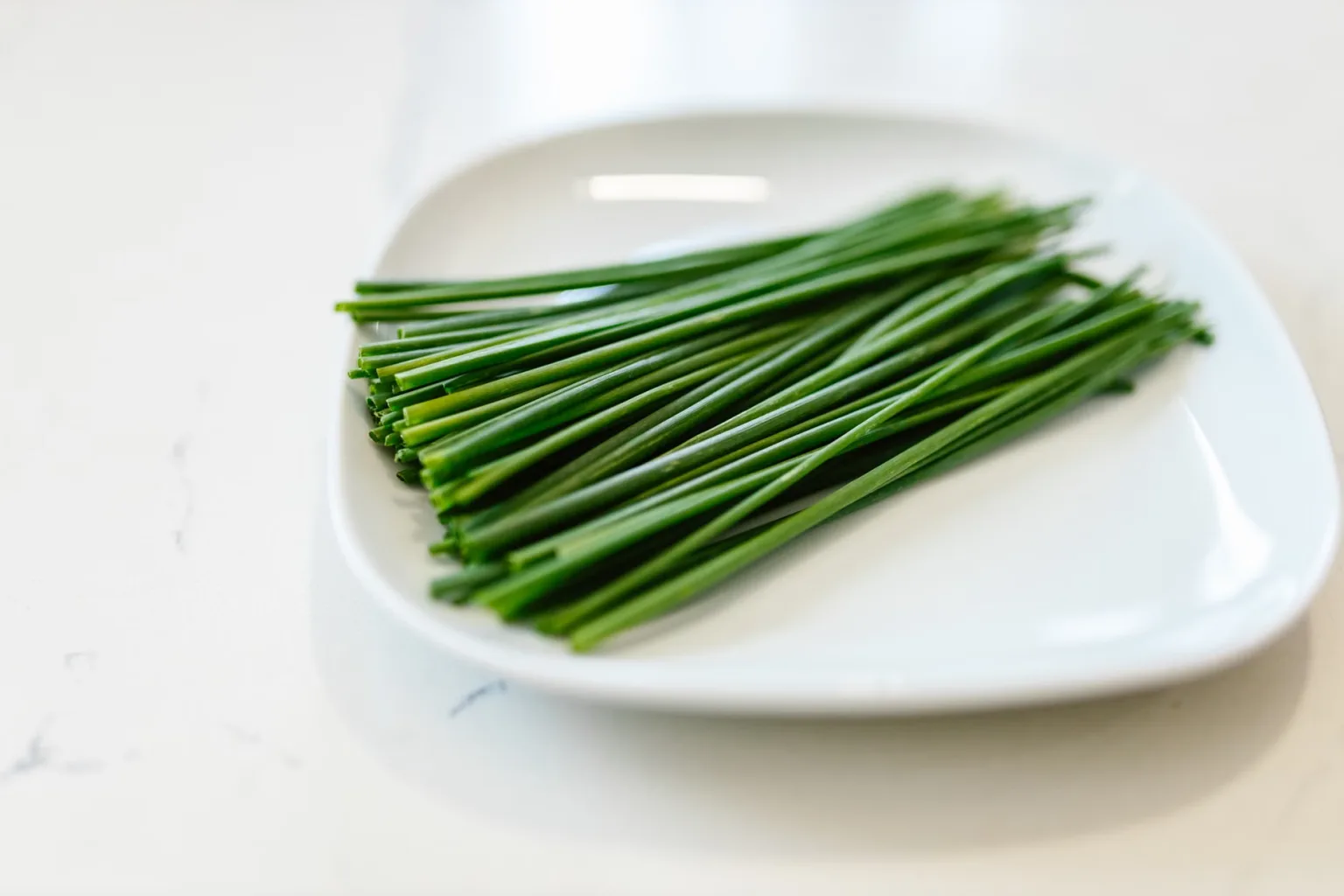
Fresh chives are the aromatic herb known as Allium schoenoprasum. They are recognized by their long, narrow, green leaves, which are usually hollow; in cooking, the leaves are used rather than treating the plant like a bulb onion. Their flavor is gently onion-like, with a fresh aroma that is milder than that of many other members of the Allium family. Chives are sold in bunches and are also available dried or frozen, but this profile covers the fresh form. Sources also describe the flowers as edible, although the most common use discussed here is the leaves.
When to use it
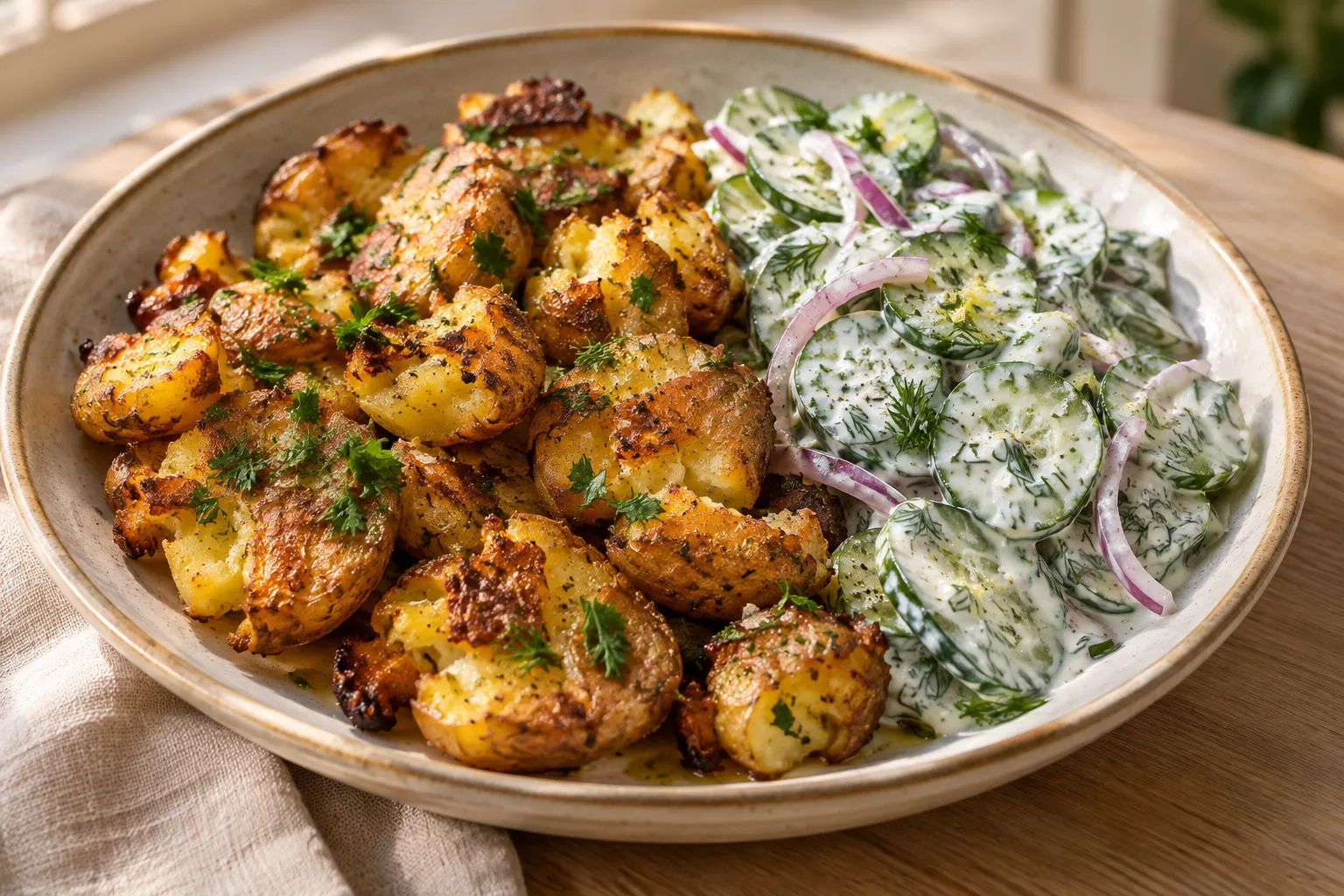
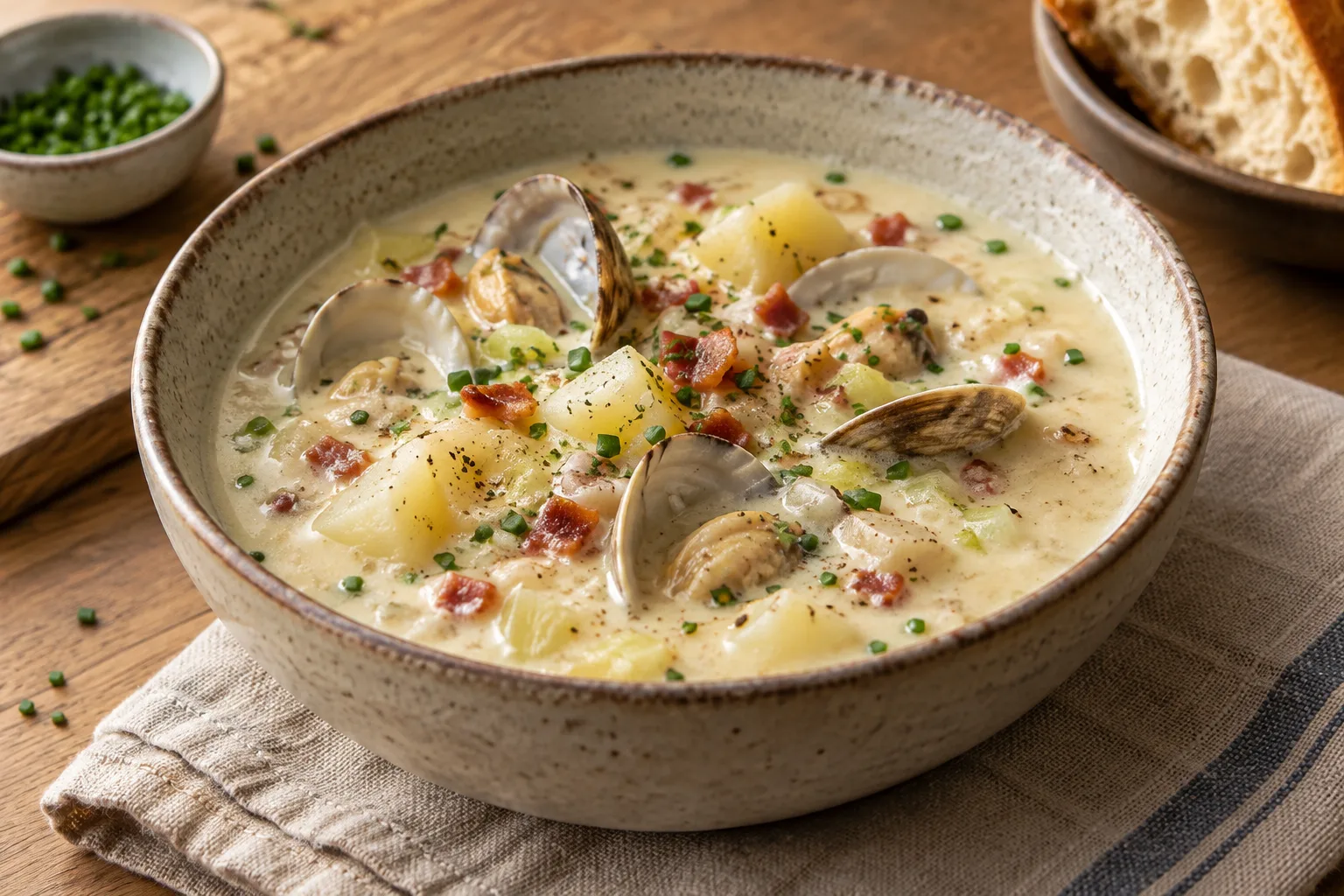
Use chives when you want a fresh, mild onion note that will not dominate a dish. They work well as a finishing touch for potatoes, eggs, omelets, soups and creamy soups, and add color to salads, sauces and dishes with cheese. Because prolonged heat can reduce their aroma and change their texture, save them for the end of cooking or add them when plating. If you need a stronger flavor base to cook from the beginning, scallions or leeks may be more suitable, but they are not identical to chives.
How to use it
Rinse the chives and dry them before cutting; sources recommend washing them shortly before use. Slice the leaves into small rings or chop them with a sharp knife or clean scissors, preferably just before serving, to retain more of their aroma and appearance. Scatter them over finished potatoes, eggs, soups or creamy soups, or mix them into cheese, butter or a vinaigrette. They can also be added to salads and cold sauces. For hot dishes, add them at the end and avoid prolonged cooking, which can dull their flavor and wilt the leaves.
Flavour and texture
Chives taste delicate, fresh and gently onion-like, with a note that some sources also compare to garlic. They are milder than common onion and contribute a green aroma that becomes especially noticeable when the leaves are cut. Their leaves are slender, flexible and hollow, adding a small fresh, slightly crisp contrast when used raw. Long cooking diminishes some of that aromatic character and softens the texture.
How to choose it
Choose a bunch with green, clean-looking leaves and no visibly wilted or damaged sections. Chives are sold fresh in bunches and can also be found dried or frozen, so check that you are buying the form your recipe calls for. Do not confuse them with scallions: chives have much finer, hollow leaves and are generally used as an herb. The available evidence does not establish a reliable availability calendar for recommending particular buying months.
Storage
Keep chives in the refrigerator. Sources describe storing them in a bag with some air or wrapped in slightly damp paper towel; they also say they can be frozen after chopping, although their texture may change when thawed. Wash them shortly before use rather than storing them wet. The evidence does not support a universal storage life: follow package directions where available and discard the bunch if it shows clear signs of deterioration.
Substitutions
Scallions are a practical alternative when you want an onion flavor, but they can taste stronger, so start with less and adjust to taste. Finely cut leek can also provide an onion-family flavor, although its texture differs and its taste is more pronounced. Dried chives can stand in for fresh when needed, but they do not provide the same fresh texture or all of the fresh aroma; add them near the end.
Common mistakes
Do not confuse chives with scallions or expect the same texture and intensity. Avoid cooking chives for a long time: prolonged heat can dull their aroma and soften the leaves. Do not chop them far in advance if you want their freshest character, and avoid washing them before storage if they will remain wet. Treat them as an aromatic herb and finishing touch, not as an automatic substitute for bulb onion in a recipe.
Safety and allergens
Rinse chives with potable water and handle them with clean utensils before eating, especially when serving them raw. Follow package storage directions where available and do not use leaves that show clear signs of deterioration. Allergen information can depend on the product and how it is sold; check the label or ask the seller if you need to confirm a possible allergen.
Culinary uses
- Hierba aromática
- Acabado y guarnición comestible
- Aporte de frescor y sabor suave a cebolla
Recommended techniques
- Picar o cortar en aros finos justo antes de usar
- Añadir al final de la cocción o justo antes de servir
- Mezclar en mantequilla, queso untable o vinagreta
Pairs well with
- Patatas
- Huevos y tortillas
- Pescado
- Sopas y cremas
- Quesos y mantequilla
Frequently asked questions
Should fresh chives be added before or after cooking?
To retain more of their aroma and texture, add them near the end of cooking or just before serving. They can also be used raw in salads, sauces and garnishes.
Are chives the same as scallions?
No. Chives are mainly used for their fine, hollow leaves as an herb; scallions are a different vegetable and can have a stronger flavor.
Can fresh chives be frozen?
Sources say chives can be frozen after chopping. Keep in mind that their fresh texture may change after thawing.
What foods pair well with chives?
They pair well with potatoes, eggs, soups, creamy soups, salads, fish, cheese and butter. Add them near the end so their fresh character remains noticeable.
Estimated nutrition
- Fat
- 0.73 g
- Saturates
- 0.15 g
- Carbohydrate
- 4.35 g
- Sugars
- 1.85 g
- Fibre
- 2.5 g
- Protein
- 3.27 g
- Salt
- 0.01 g
Sources and review
Automatically researched, cross-checked and validated content. Sources consulted:
- En el etiquetado alimentario hay algunas menciones que son obligatorias eletiquetadocuentamucho.aesan.gob.es
- Client Challenge doi.org
- 10 Sustitutos Increíbles para Cebolla: Cómo Reemplazarla Fácilmente en Casa | Chef Experto chefexperto.com
- Aesan - Agencia Española de Seguridad Alimentaria y Nutrición aesan.gob.es
- Cebollino o cebollín, la elegante hierba aromática con un suave sabor entre el ajo y la cebolla: qué es y cómo usarlo en la cocina directoalpaladar.com
- Usos y recetas con cebollino, primo hermano de la cebolla hola.com
- Glosario de especias: cebollino | JUST SPICES ® justspices.es
- Los beneficios del cebollino y qué tipos hay abc.es
- Allium schoenoprasum - Wikipedia, la enciclopedia libre es.wikipedia.org
- Cebollino (Usos tradicionales) ~ Variedades tradicionales - CONECT-e conecte.es
- Cebollino - Características, Usos y Beneficios - Fitoterapia - Reino Minerales revista.reino-minerales.es
- Cebollín - Qué es, Propiedades, Origen, Características, Cultivo, Contraindicaciones tuberculos.org
- Cebollino propiedades y contraindicaciones: una joya culinaria con secretos saludables esdiario.com
- Sustituto del cebollín: 7 fantásticas alternativas para tus recetas de cocina scratchingthepitch.com
- Recetas con cebollino fresco: ideas sabrosas y fáciles para tu cocina okdiario.com
- CEBOLLINO | Garden Pocket gardenpocket.es