- Category
- Herbs and spices
- State
- Fresh
- Usual unit
- tablespoon
What it is
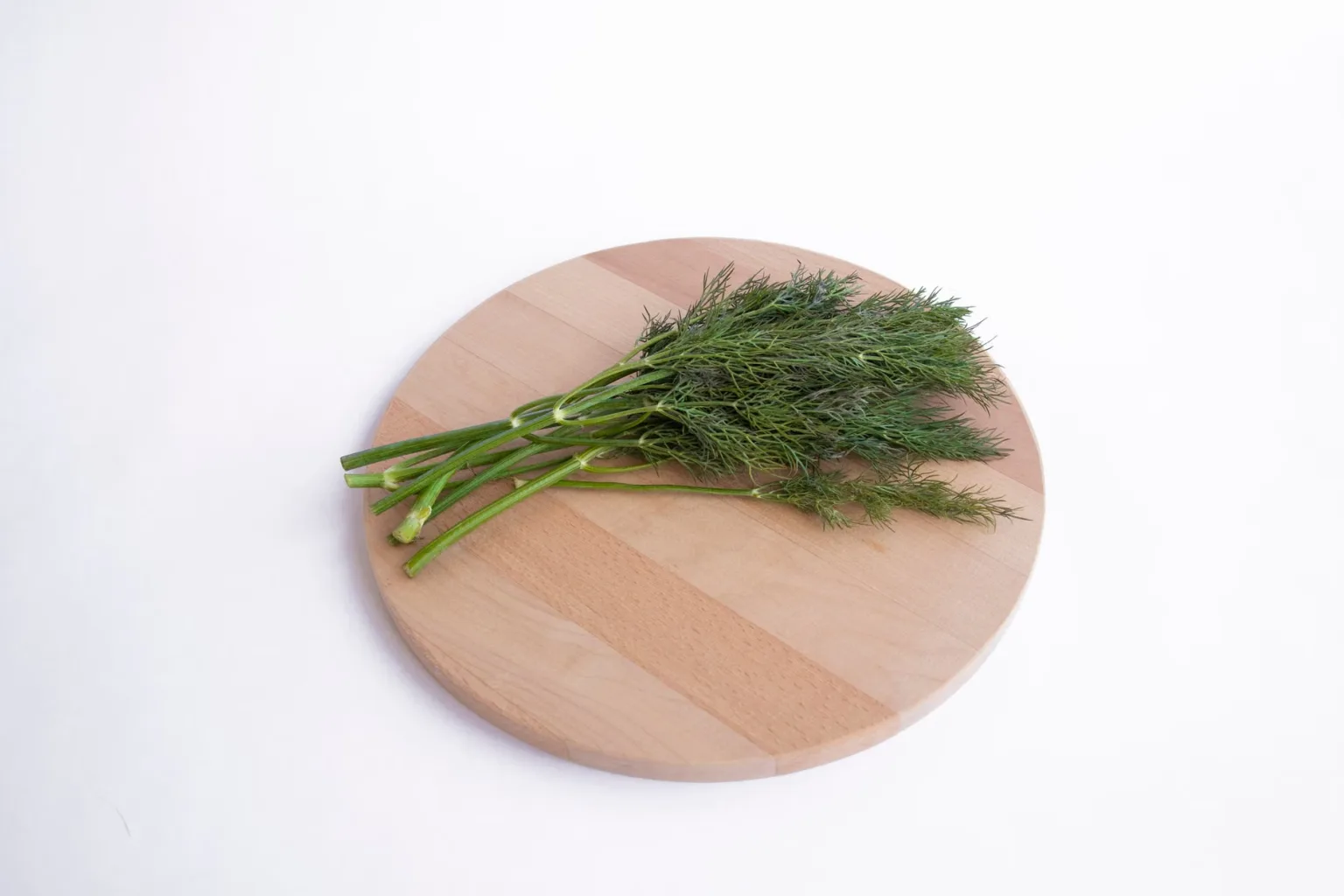
Fresh dill refers to the tender leaves of the aromatic plant Anethum graveolens. The fine, feathery leaves are used as a culinary herb; the plant also produces flowers and seeds, but those are different ingredients and should not be confused with fresh leaves. Dill belongs to the Apiaceae family and is recognized in cooking for a distinct, fresh aroma with a gentle anise-like note. Its flavor is not identical to fennel or other herbs, though it can suggest a fresh herbal blend with a softly sweet edge. This profile is specifically about fresh leaves, not dill seeds or dried dill.
When to use it
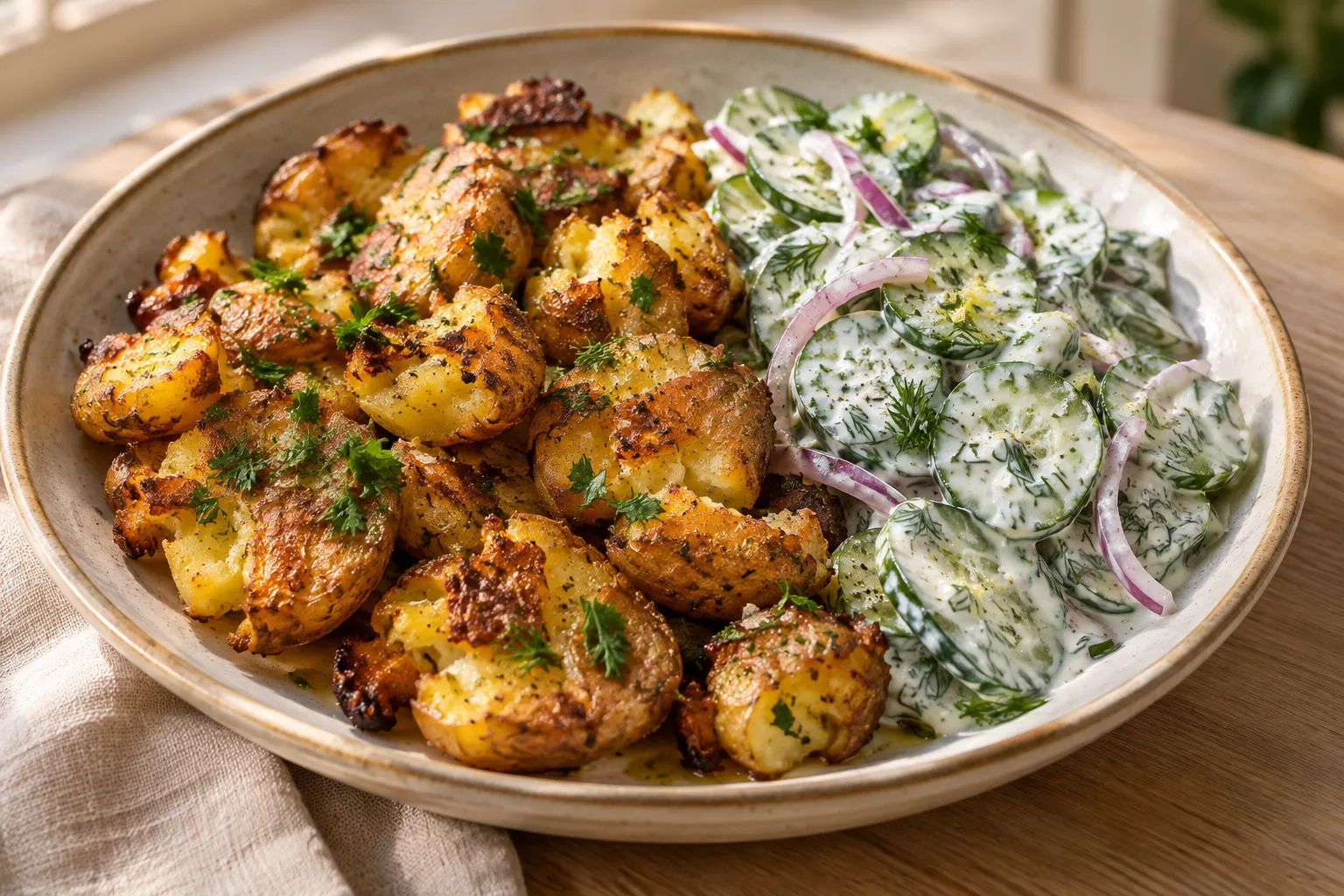
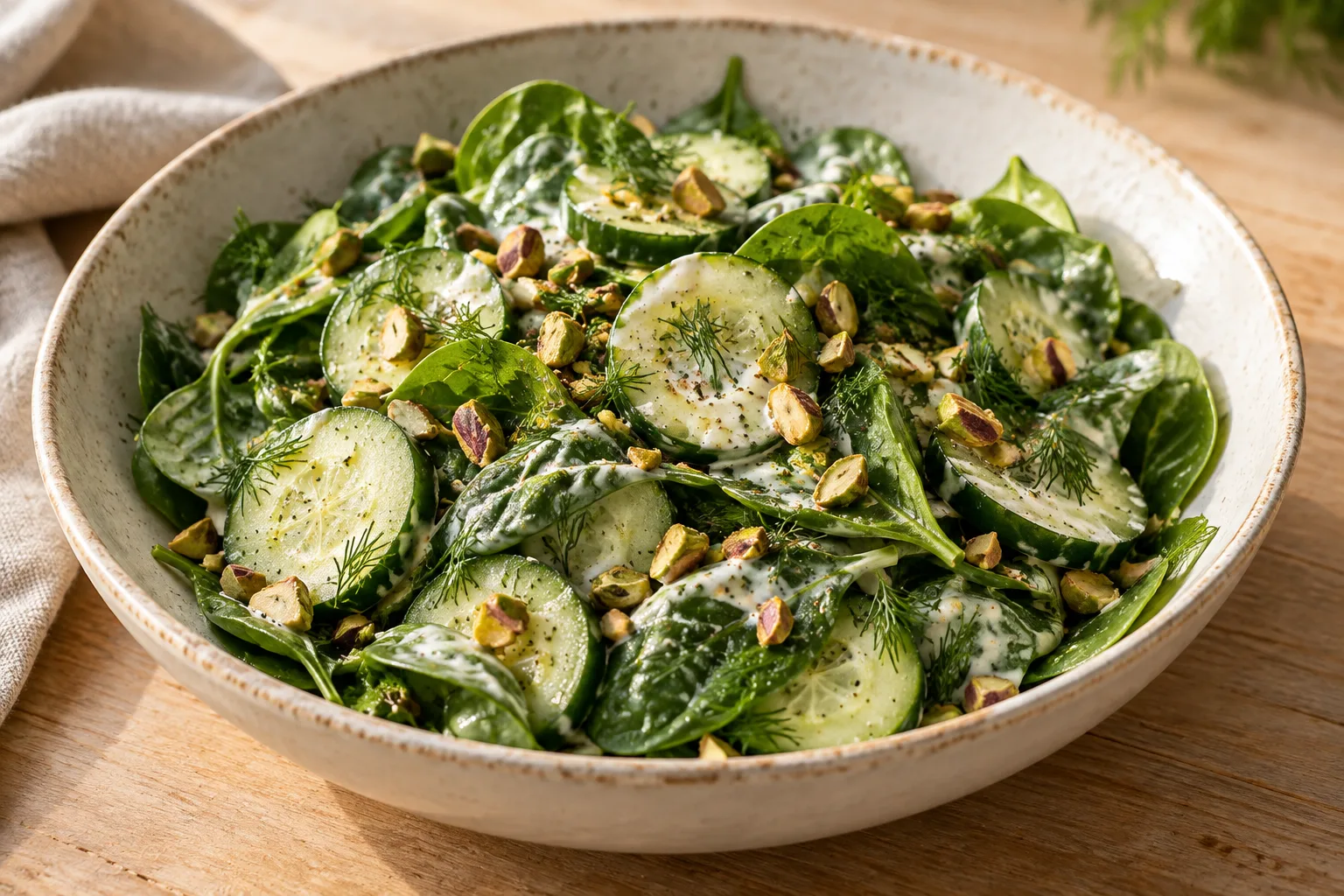
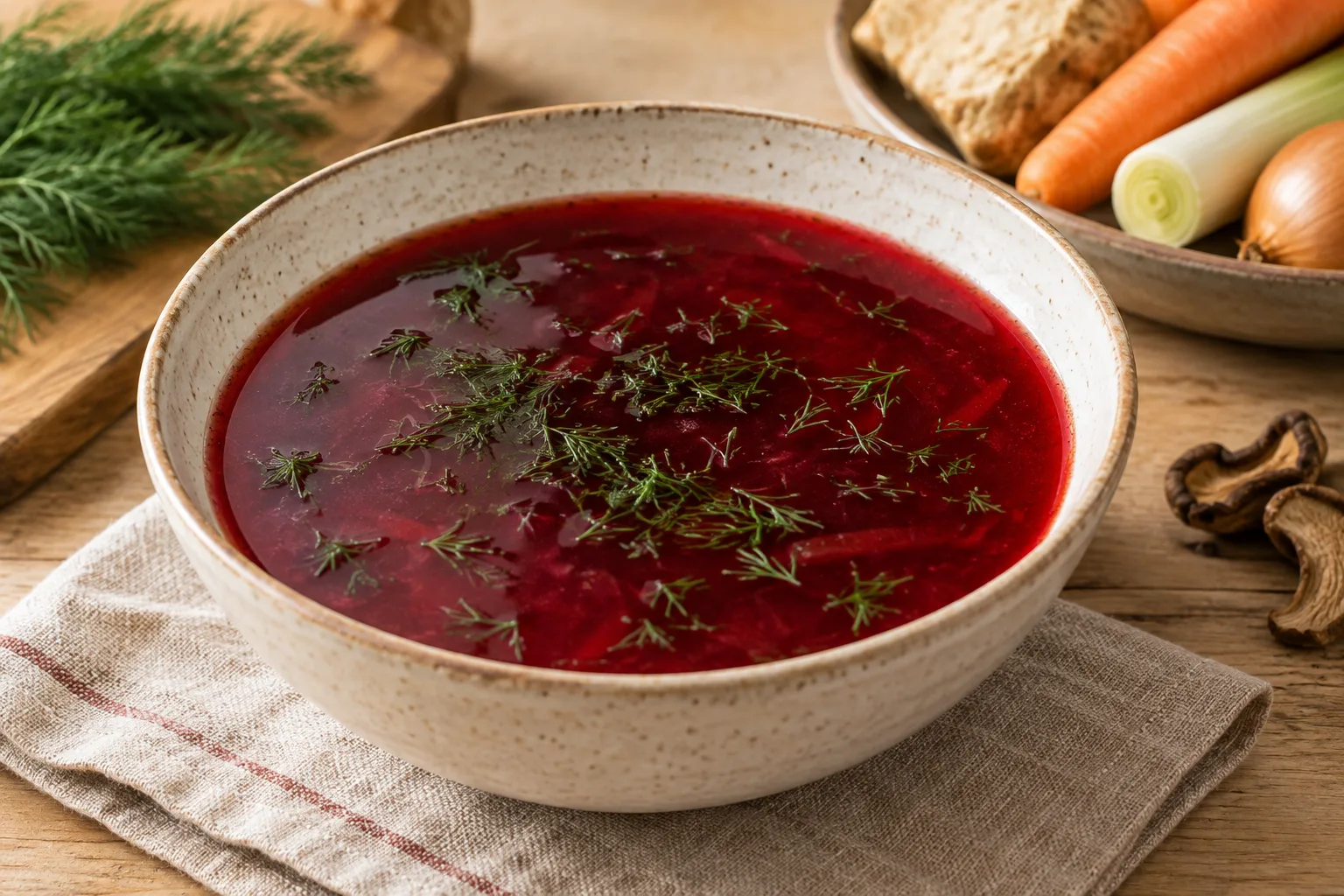
Choose fresh dill when a dish needs a fresh, lightly anise-like herbal note, especially when the other flavors are mild or somewhat rich. It is a familiar match for salmon and other fish, and also works well in yogurt sauces, cucumber salads, potatoes, eggs, soups, and pickles. In hot dishes, add it toward the end of cooking to retain more of its aromatic character. If you want a restrained result, start with a small amount and taste before adding more, since its aroma can take over a delicate preparation.
How to use it
Remove wilted or yellow leaves and separate the tender leafy parts from any thicker stems. Chop the leaves with a knife and fold them into salads, yogurt sauces, dressings, or cucumber dishes. You can also add them to a fish marinade, scatter them over salmon or potatoes, or stir them into soup or a stew near the end of cooking. Fresh dill can be placed in contact with oil or vinegar to flavor the liquid; if doing this, use a suitable preparation and follow safe storage directions for the product. Add the herb gradually and taste as you go: its intensity varies, and too much can mask other flavors. Fresh leaves are not automatically interchangeable with dill seeds, which have a different profile.
Flavour and texture
Fresh dill has a fragrant, green, lively aroma with a gentle anise-like note and a softly sweet edge. Its leaves are delicate and fine, adding little bulk and chopping easily so their flavor can be distributed through a dish. Compared with dried dill, fresh dill gives a brighter, less concentrated impression. The exact profile can vary with the product, so taste a little before seasoning the whole dish. Some of its aromatic appeal may fade during prolonged cooking.
How to choose it
Look for green sprigs with leaves that appear fresh and fragrant. Avoid bunches that are yellowing, limp, or marked with brown spots; if only a few leaves are affected, remove them before cooking. When possible, check the aroma, which should be clearly fresh and herbal. Dill is also sold dried, as a paste, and as seeds, but these are different forms. For this profile, choose fresh leaves and check that the package or market label clearly identifies them.
Storage
To keep fresh dill, remove wilted leaves, wrap the sprigs in slightly damp paper towel, and place them in a bag in the refrigerator. One culinary source reports that this method can keep it for about a week, though the starting condition and storage circumstances can affect the result. You can also chop and freeze it in portions for later use; its texture may change after thawing. Follow the package directions if it is sold wrapped, and discard leaves that have deteriorated.
Substitutions
Dried dill can stand in for fresh when fresh leaves are unavailable, but it gives less of a fresh impression and a more concentrated profile; start with less and adjust to taste. Mint can provide a different fresh herbal note in some sauces or salads, but it will not taste the same or reproduce dill's characteristic anise-like quality. Dill seeds are not a direct replacement for the leaves either: they have a different form and flavor.
Common mistakes
Do not treat fresh leaves, dill seeds, and dried dill as identical; their intensity and flavor profiles differ. Avoid adding a large amount at once, since dill can overwhelm delicate flavors. In hot dishes, adding it too early and cooking it for a long time may reduce some of its fragrance. Also, do not assume another herb will reproduce dill exactly; a substitution can change the character of the dish.
Safety and allergens
Wash fresh herbs carefully before eating, following usual recommendations for washing vegetables, and discard leaves that are in poor condition. If the product is packaged, follow its label for storage and use. The available evidence does not identify a specific safety warning unique to fresh dill.
Culinary uses
- fresh aromatic herb
- seasoning for fish, sauces, salads and pickles
Recommended techniques
- finely chop and add to uncooked dishes
- stir in near the end of cooking
- use in marinades or to flavor vinegar and oil
Pairs well with
- salmon and other fish
- cucumber and pickled vegetables
- yogurt-based sauces
- potatoes and eggs
Frequently asked questions
What does fresh dill taste like?
It has a fresh, herbal aroma with a lightly anise-like note and a gentle sweetness. Its profile differs from dill seeds.
When should I add dill to a hot dish?
It is often added near the end of cooking to preserve more of its fragrance, or chopped over the dish just before serving.
What can I use instead of fresh dill?
Use a smaller amount of dried dill and adjust to taste, keeping in mind that it will not provide the same freshness. Mint can work in some dishes but changes the flavor.
Estimated nutrition
- Fat
- 0.3 g
- Saturates
- 0.08 g
- Carbohydrate
- 2.41 g
- Sugars
- 1.07 g
- Fibre
- 1 g
- Protein
- 0.5 g
- Salt
- 2.02 g
Sources and review
Automatically researched, cross-checked and validated content. Sources consulted:
- En el etiquetado alimentario hay algunas menciones que son obligatorias eletiquetadocuentamucho.aesan.gob.es
- Aesan - Agencia Española de Seguridad Alimentaria y Nutrición aesan.gob.es
- Client Challenge doi.org
- Eneldo | www.cocinista.es cocinista.es
- ENELDO FRESCO en tu Huerta de proximidad | deHigosaPeras dehigosaperas.com
- Para qué se usa el eneldo fresco en la cocina | Gastronomía & Cía gastronomiaycia.com
- Eneldo: propiedades, beneficios y usos en cocina de una hierba que sirve más que para aderezar salmón directoalpaladar.com
- El eneldo: planta aromática y protagonista en la cocina - Plantamus blog.plantamus.com
- Eneldo. ¿Qué es? Propiedades y usos en la cocina abc.es
- Qué es el eneldo y cómo usarlo en la cocina | JUST SPICES ® justspices.es
- Eneldo: beneficios, propiedades, usos en la cocina y valor nutricional lavanguardia.com
- Vinagre - Wikipedia, la enciclopedia libre es.wikipedia.org
- Eneldo condimento delicioso revelando los delicados sabores del eneldo - FasterCapital fastercapital.com
- Eneldo: qué es, propiedades y usos en cocina bonviveur.com
- Eneldo - Comer y Beber comerbeber.com
- ➮ Distribución y Consumo SEPTIEMBRE-OCTUBRE 2005 133 mapa.gob.es