- Category
- Herbs and spices
- State
- Fresh
- Usual unit
- unit
What it is
Fresh rosemary is the aromatic part of the rosemary plant used as a culinary herb and spice. Its narrow, green, elongated leaves are used on their own or still attached to a sprig. The aroma is pronounced, and the flavour is resinous and pine-like, with fresh, somewhat citrusy notes and a slight bitterness. Because it can dominate a dish when overused, start with a small amount and adjust to taste. Rosemary appears in recipes for roasts, stews, soups, sauces, vegetables, potatoes, fish, breads and some sweet preparations. Fresh and dried rosemary are both used in cooking, but they can give different levels of intensity, and dried rosemary may taste more bitter.
When to use it
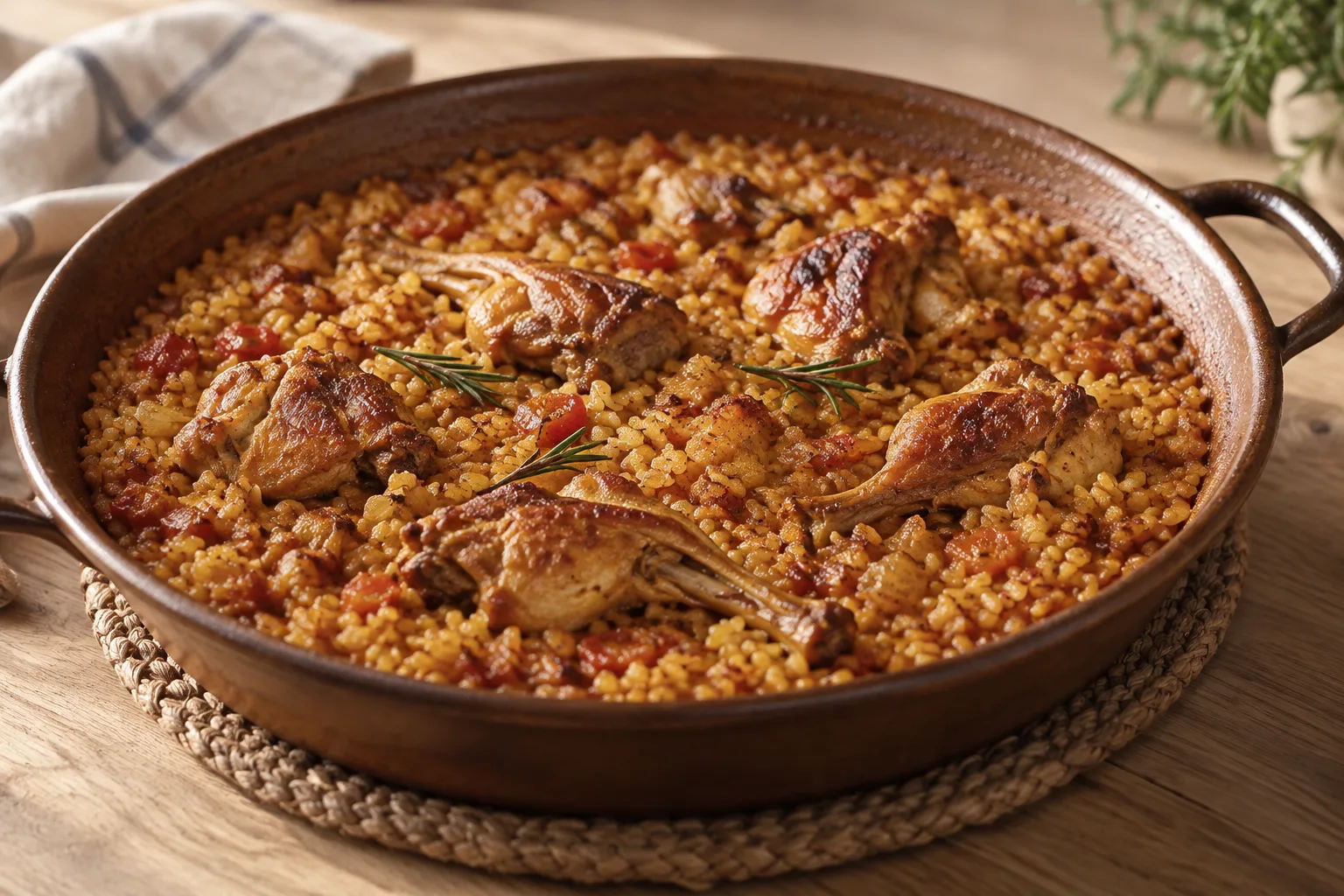
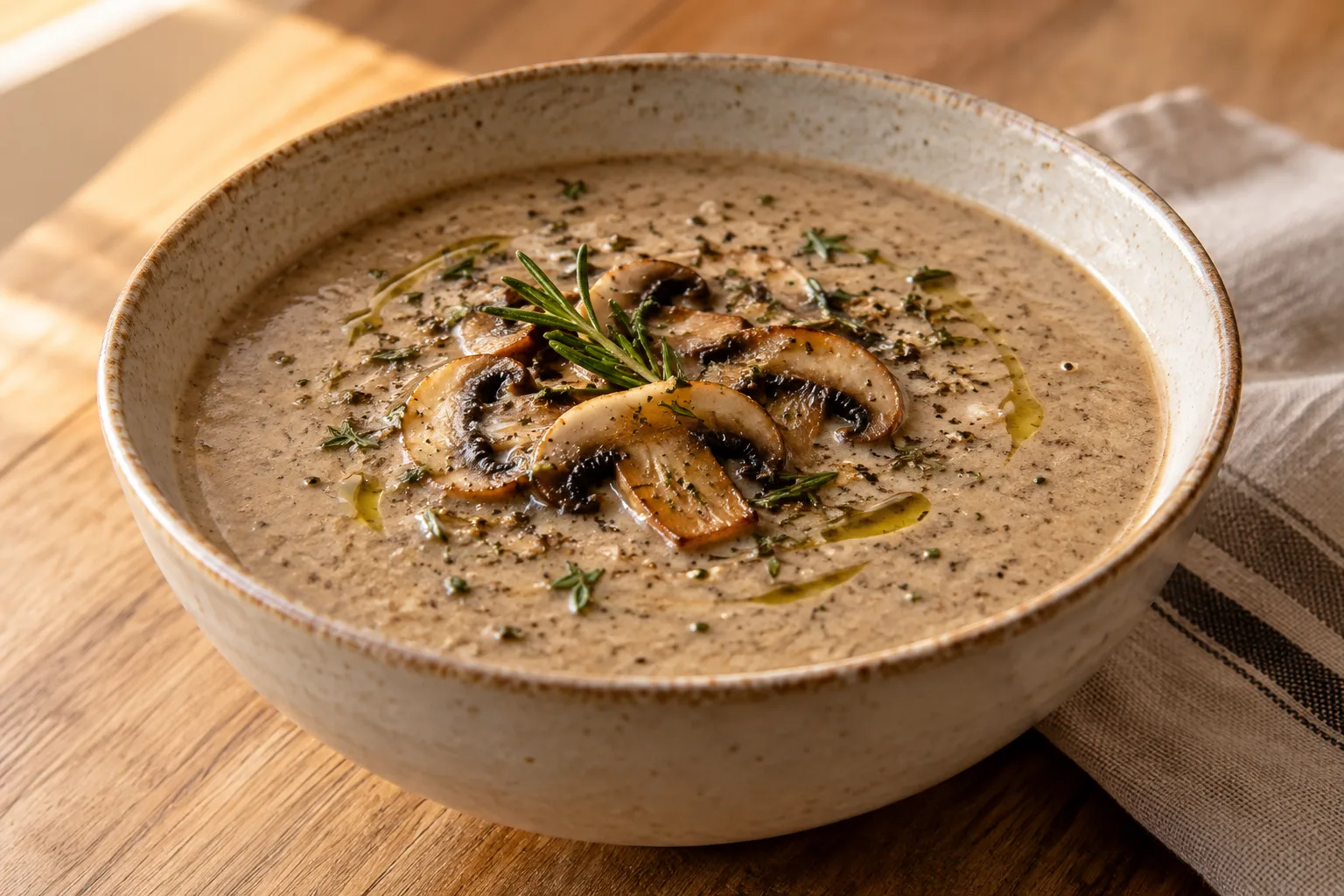
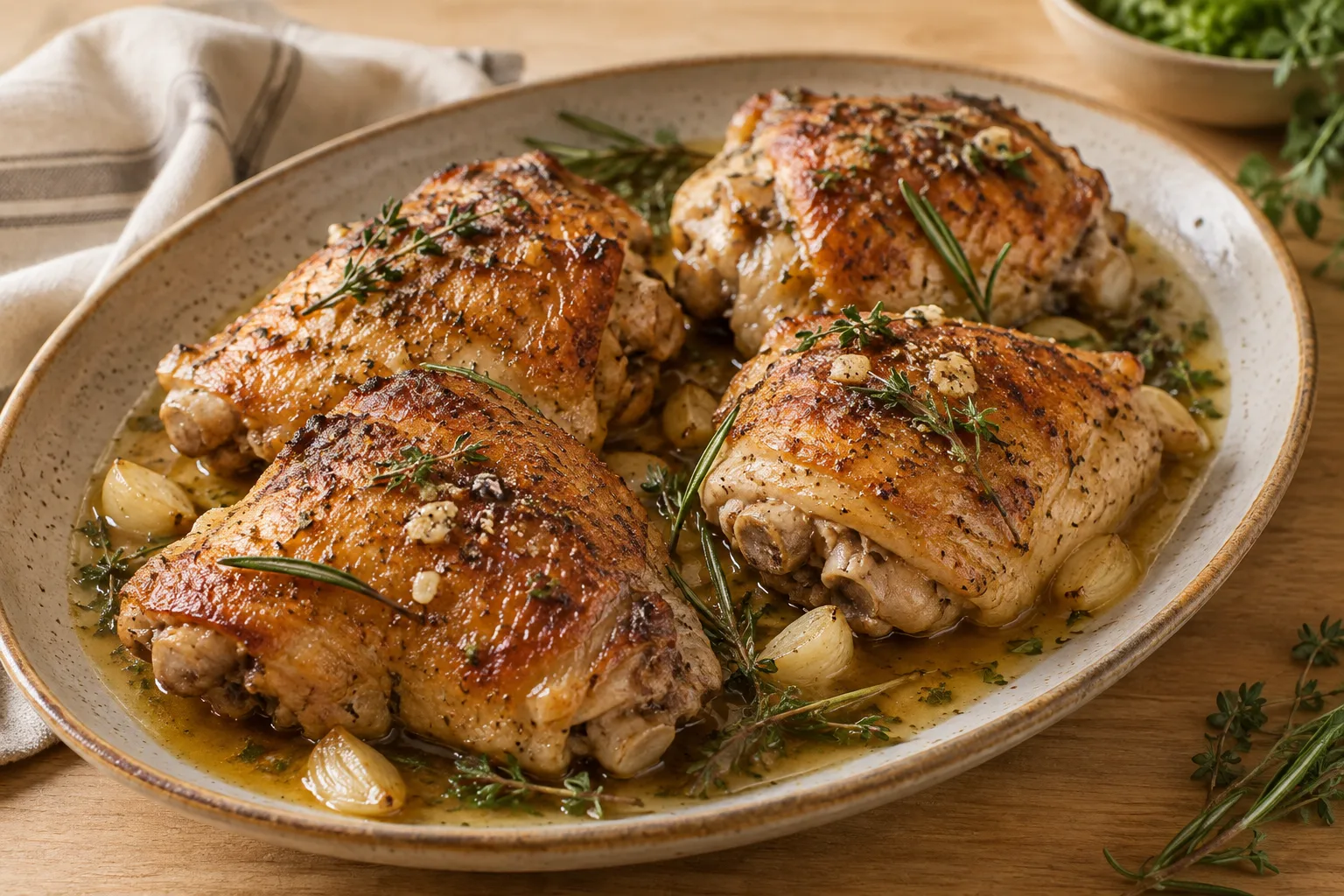
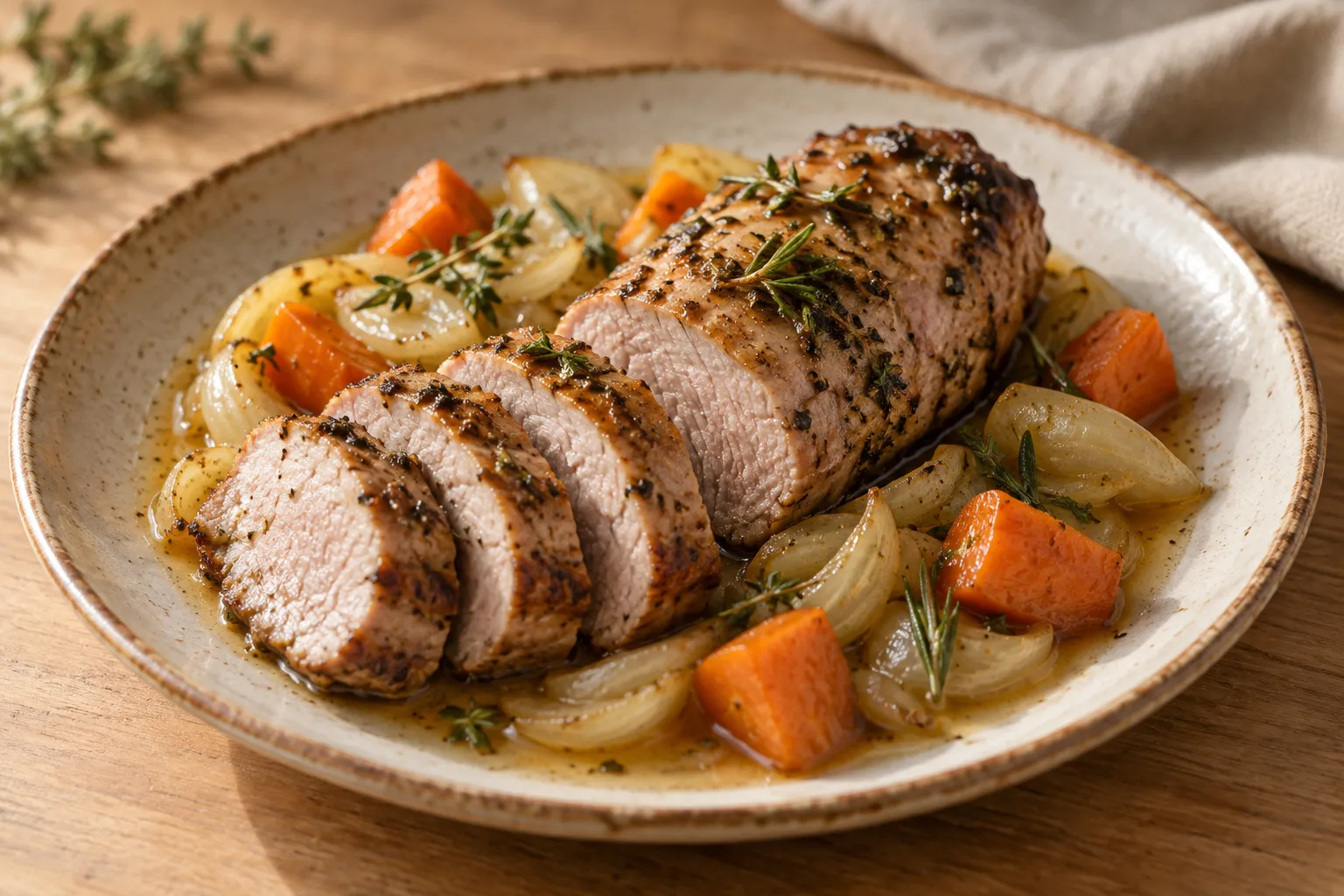
Choose fresh rosemary when you want a pronounced, recognisable herbal aroma in a savoury dish. It works particularly well with chicken, lamb and other meats, potatoes, roasted vegetables and stews; it can also accompany fish, soups, sauces, breads and doughs. A whole sprig is handy for flavouring a dish as it cooks and removing at the end, while chopped leaves distribute flavour through marinades, fillings or dough. In fish, delicate vegetables and mild dishes, start with a small amount so the rosemary does not overwhelm them. It can also lend an aromatic note to some sweet preparations, such as cakes or jellies.
How to use it
Strip the leaves from the stem if you want to chop them; chopping them finely helps distribute their flavour through marinades, fillings, sauces, doughs or vegetables. For stews and roasts, add a whole sprig during cooking and remove it before serving if you do not want firm leaves in the dish. You can also rub or place a sprig alongside food before roasting or grilling. Rosemary has a powerful aroma: begin with a little, taste the dish, and add more only if needed. It pairs with potatoes, vegetables, meat and fish; garlic, onion, thyme, savoury and lemon are possible companions. Wash and dry it before use, and follow package directions if supplied.
Flavour and texture
Fresh rosemary has a strong, resinous, savoury aroma often described as pine-like, with a hint of citrus. Its flavour is assertive and slightly bitter, and can leave a mildly astringent impression. The leaves are firm and somewhat woody, so a whole sprig is easy to remove after it has flavoured a stew. If whole leaves remain in the dish, their texture may feel tough; finely chopping them helps distribute them, although it does not remove all of their firmness.
How to choose it
Choose sprigs that look fresh, with green leaves that have a lively appearance; a noticeable aroma when you bring them close can help you judge their character. If possible, buy only as much as you can use while it remains fresh. Check the packaging and follow its use and storage directions, especially for packaged products. Fresh and dried rosemary do not necessarily have the same intensity, so check which form your recipe calls for before choosing.
Storage
Keep fresh rosemary in the refrigerator, wrapped in kitchen paper rather than exposed without protection. Available guidance also describes wrapping it to maintain freshness; check its appearance and aroma regularly and use it while it still looks fresh. If the rosemary is packaged, follow the storage and use instructions on the label. Do not assume that a homemade preparation of rosemary in oil or vinegar keeps in the same way as fresh herbs: follow a reliable recipe and applicable food-safety directions.
Substitutions
Dried rosemary can replace fresh rosemary when the recipe allows, but its intensity and bitterness may differ; begin with less and adjust by tasting. Thyme or savoury can provide a related herbal note because they pair well with rosemary, but they do not reproduce its resinous, citrusy aroma exactly. In dishes where rosemary defines the flavour, it is better to use the ingredient specified or choose an alternative knowing the result will be different.
Common mistakes
The most common mistake is adding too much rosemary: its aroma is strong and can dominate a dish or leave it tasting overly medicinal. Start with a little and taste before adding more. Another oversight is leaving whole sprigs or leaves in a dish when their firm texture may be unpleasant; remove the sprig or chop the leaves. Do not automatically replace fresh rosemary with the same amount of dried rosemary, since intensity and flavour profile can change.
Safety and allergens
Use rosemary intended for culinary use and follow any storage and use directions on its packaging. For packaged or prepared products, check the ingredient and allergen information on the label. Remove whole sprigs before serving if their texture may be uncomfortable.
Culinary uses
- Aromatic seasoning for savoury dishes
- Herb for flavouring oils, vinegars, sauces and doughs
Recommended techniques
- Chop the leaves finely to distribute their flavour
- Add a whole sprig during cooking and remove it before serving if desired
- Rub or tuck sprigs into food before grilling or roasting
Pairs well with
- Potatoes and roasted vegetables
- Chicken, lamb, pork and fish
- Garlic, onion, thyme and savoury
- Lemon and other citrus
Frequently asked questions
Can fresh rosemary be eaten raw?
It can be used raw in small amounts, for example, finely chopped into a dish. Its leaves are firm and its flavour is strong, so chop them and start with a little.
Should I remove the sprig before serving?
If you cooked with a whole sprig, you can remove it before serving. The leaves are firm and can be tough if left whole in the dish.
Can I replace fresh rosemary with dried rosemary?
Yes, when the recipe allows, although dried rosemary may have a different intensity and bitterness. Start with less and adjust to taste.
Sources and review
Automatically researched, cross-checked and validated content. Sources consulted:
- En el etiquetado alimentario hay algunas menciones que son obligatorias eletiquetadocuentamucho.aesan.gob.es
- Client Challenge doi.org
- Aesan - Agencia Española de Seguridad Alimentaria y Nutrición aesan.gob.es
- Gastronomía sefardí - Wikipedia, la enciclopedia libre es.wikipedia.org
- Romero, fresco | Fundación G+E diet-health.info
- Qué es y cómo usar el romero | JUST SPICES ® justspices.es
- Comprar ROMERO FRESCO, tu Huerta de proximidad | deHigosaPeras dehigosaperas.com
- Muy Locos Por La Cocina: Recetas con Romero Fresco muylocosporlacocina.com
- El romero | Cómo usarlo en la cocina y qué propiedades tiene mehueleaquemao.com
- Romero | www.cocinista.es cocinista.es
- Romero ecológico – Finca La mesa fincalamesa.com
- El romero - Gastronomia - ABC Color abc.com.py
- 11 recetas con romero, la hierba aromática que perfuma nuestros platos y nuestra cocina directoalpaladar.com
- Para qué sirve el romero en tu alimentación clarin.com
- El romero: sabor y aroma de la cocina Mediterránea heraldodiariodesoria.es
- Ingredientes que maridan con romero ✓ basmatic.com
- Cómo aprovechar al máximo el romero en la cocina | Recetas Nestlé recetasnestlecam.com