- Category
- Herbs and spices
- State
- Fresh
- Usual unit
- ramita
What it is
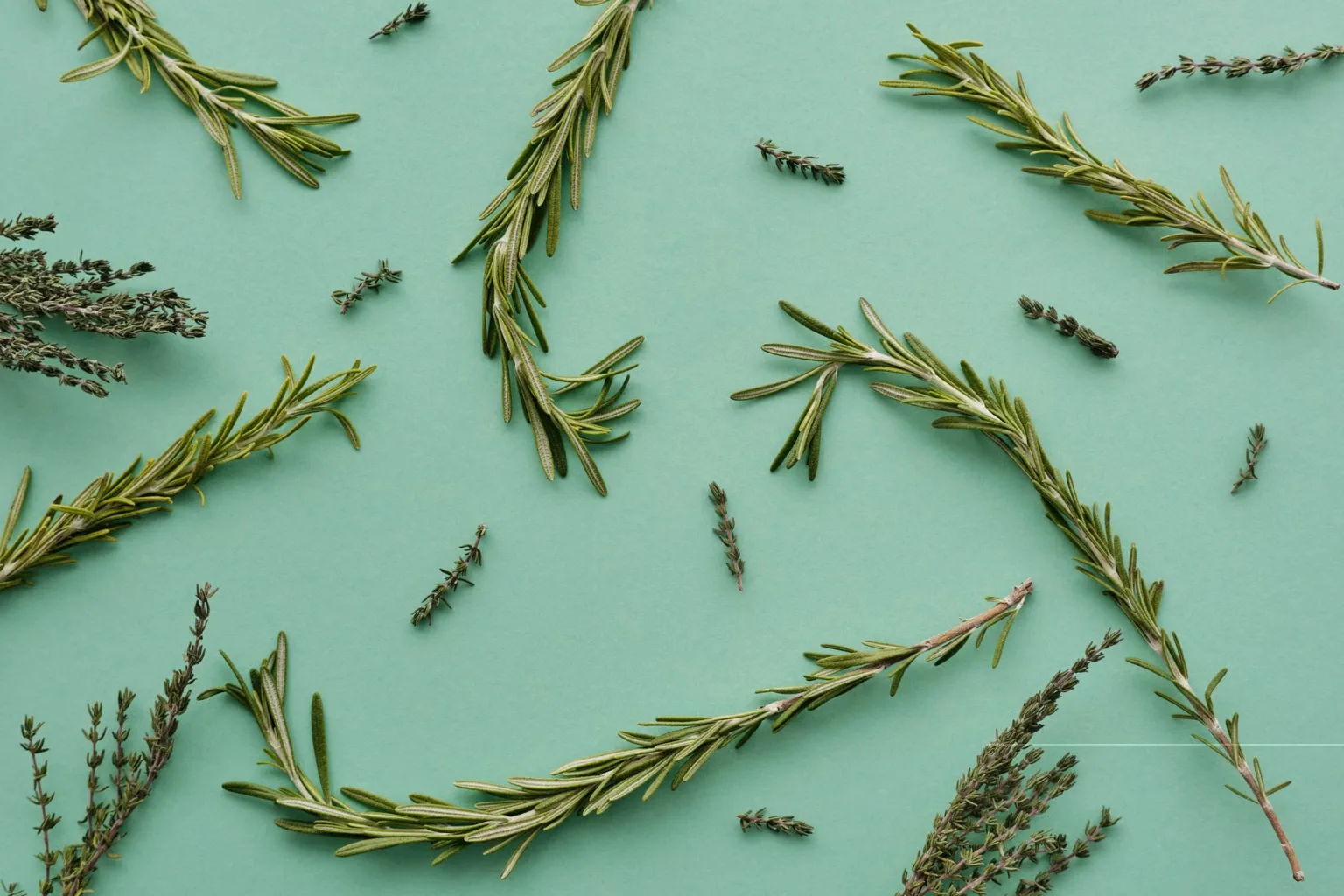
Fresh thyme is the tender, aromatic growth of a plant in the Thymus genus. Its small leaves, attached to sprigs, are the part most often used in cooking. Tender stems can also flavor food, while older woody stems are less pleasant to eat. Thyme has many varieties, so its aroma can differ; some types have more noticeable citrus notes. This guide is about fresh thyme, rather than dried thyme or a spice blend containing thyme.
When to use it
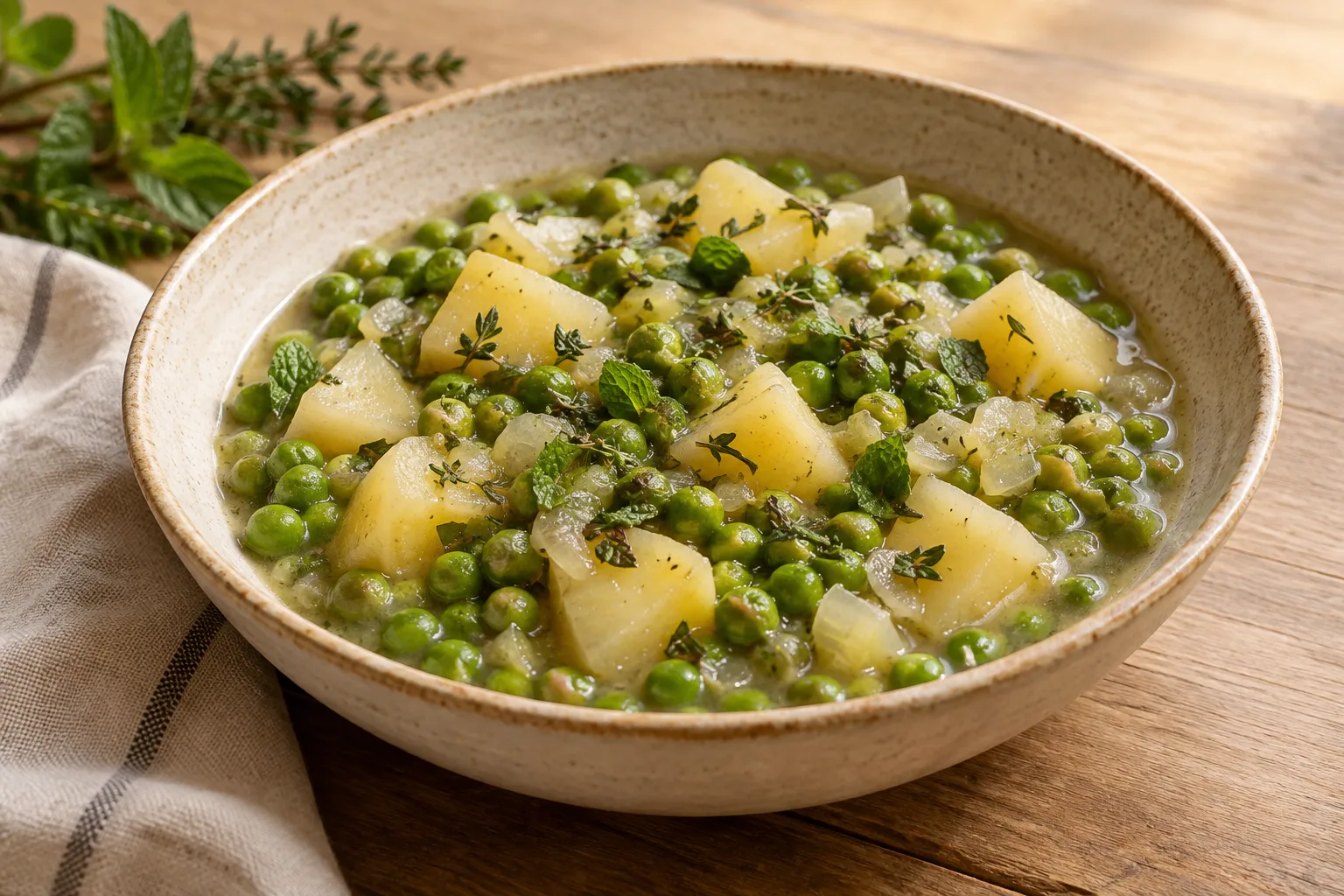
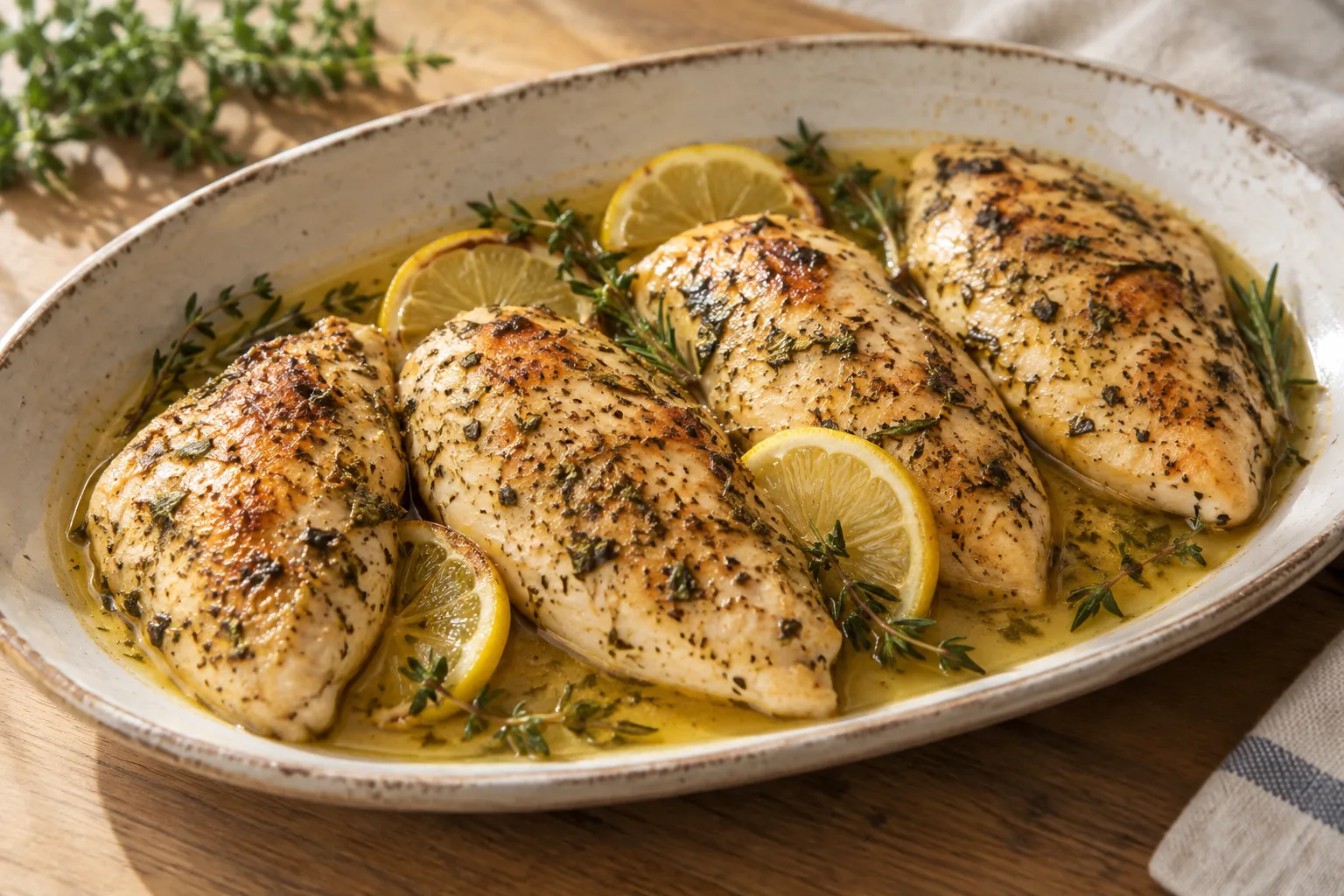
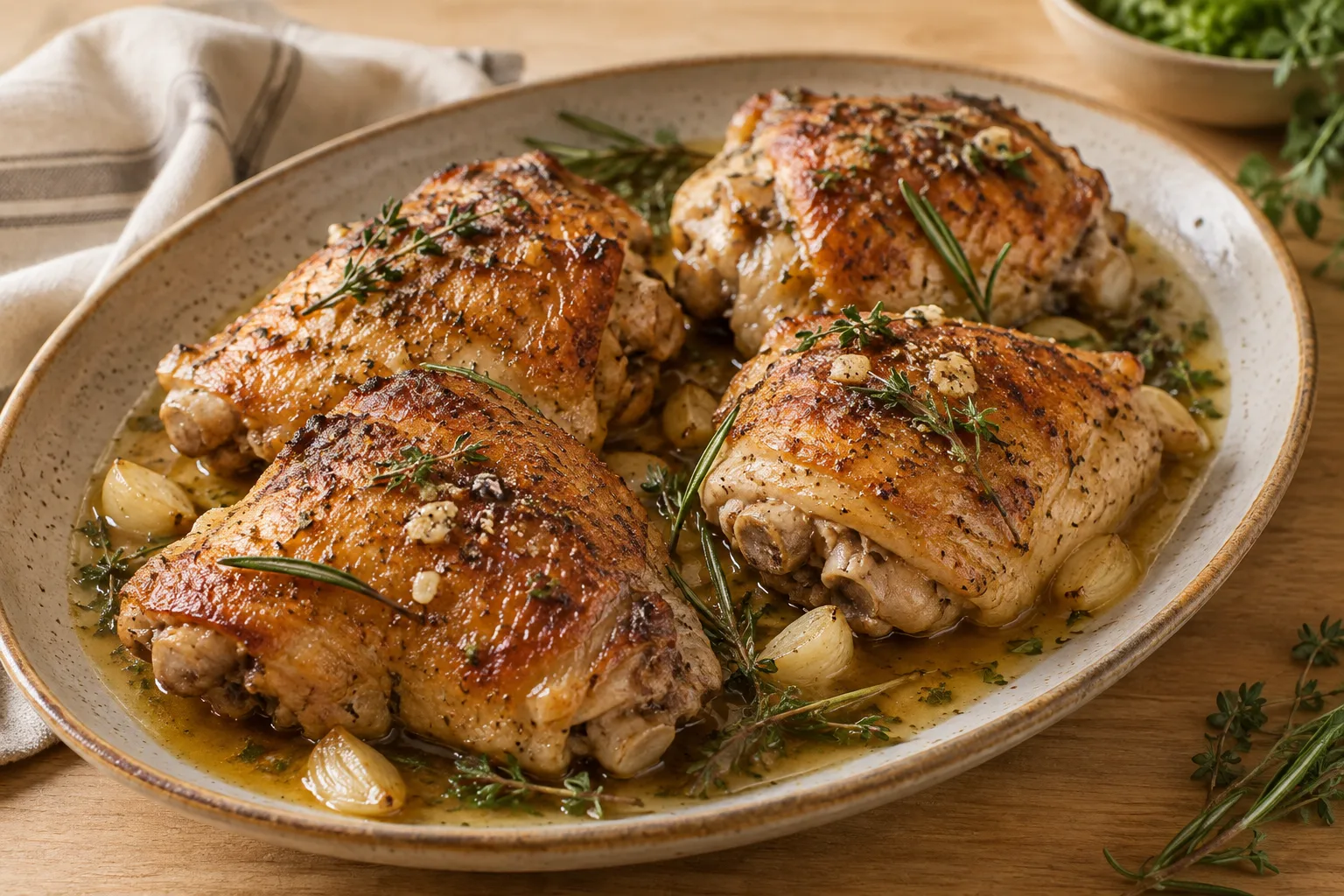
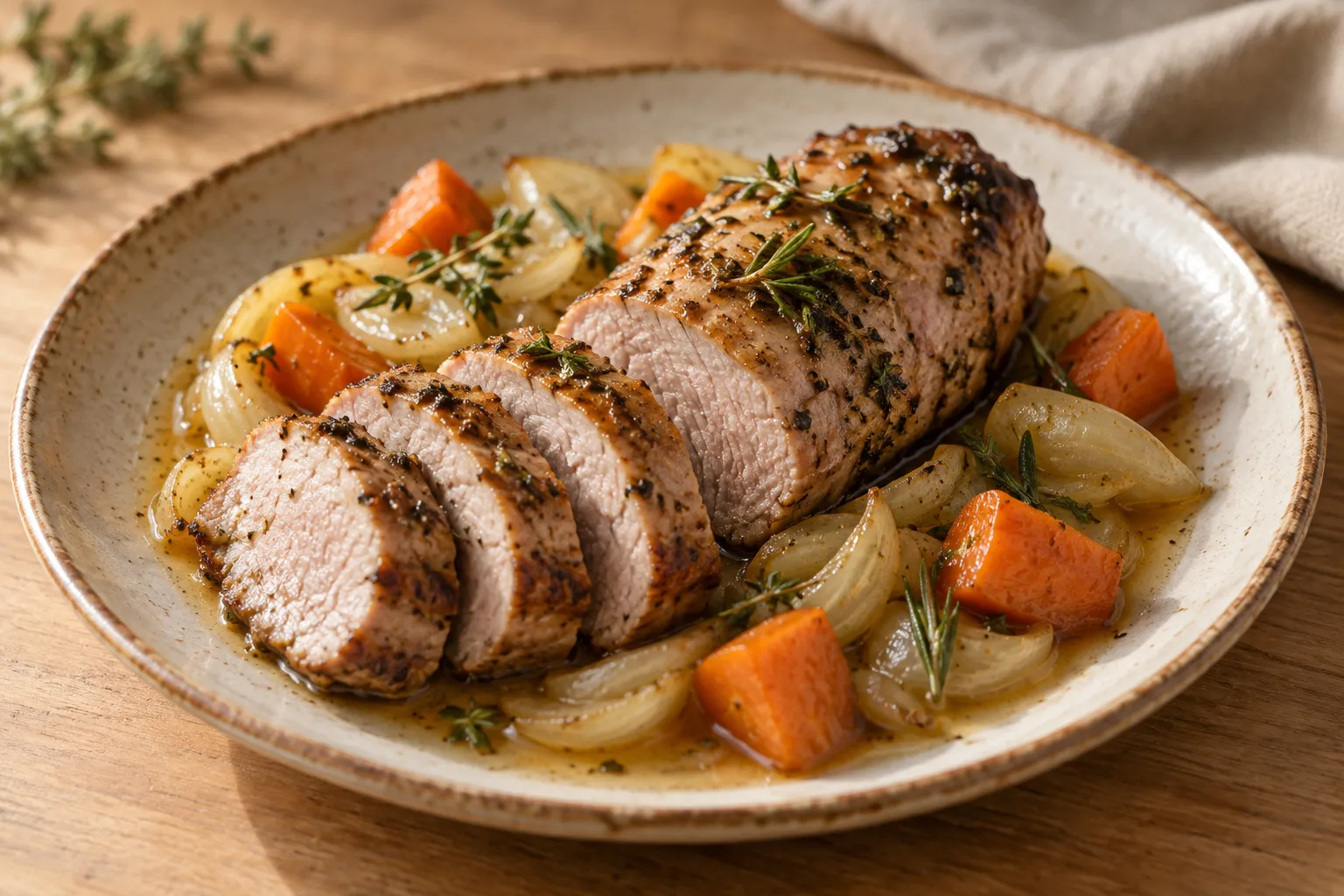
Use thyme when you want a persistent herbal aroma in meat, poultry, fish, vegetables, potatoes, soups, stocks, or stews. A whole sprig is convenient for flavoring food that will be strained or served without the herbs; individual leaves work well in marinades, sauces, dressings, and as a finishing touch. Thyme also complements lemon and garlic in chicken or fish dishes. Its flavor is pronounced, so begin with a small amount, taste, and add more if needed.
How to use it
Rinse the sprigs and pat them dry before preparing them. To remove the leaves, hold the tip of a sprig and slide your fingers down the stem against the direction of growth; leave the leaves whole or chop them. Add a whole sprig to stocks and stews, then remove it before serving if you do not want stems in the dish. Use the leaves alone in marinades, sauces, vegetables, or as a garnish. Fresh thyme can go in during cooking or near the end; taste as you go and adjust, since its strong aroma can overshadow other flavors.
Flavour and texture
Fresh thyme has a pronounced herbal aroma, with notes that may suggest wood, earth, or a slight mintiness; some varieties are more citrusy. The leaves are small and tender, while the stems become tougher and woodier. The exact profile varies between varieties and plants, so taste it and use a measured hand.
How to choose it
Choose a bunch with plenty of green, fresh-looking leaves. Avoid sprigs with yellowing, browned, or wilted leaves. Check that the bunch has no visibly spoiled damp patches or very dried-out stems. Green, firm-looking leaves are a practical freshness cue; varieties can smell different, so a change in aroma alone does not necessarily mean the herb is spoiled.
Storage
Keep fresh sprigs in the refrigerator, loosely wrapped in slightly damp paper towel and placed in a bag or container. Another described option for fresh herbs is to stand the stems in a glass of water in the refrigerator. Check the thyme before use and discard deteriorated leaves. How long it keeps depends on the bunch and storage conditions; there is no single duration that applies to every product.
Substitutions
Dried thyme can replace fresh thyme, but its flavor is more concentrated: use less and adjust gradually after tasting. Oregano has a related herbal profile but does not taste exactly like thyme. Rosemary or marjoram may also work depending on the recipe, though each brings its own aroma. Choose a substitute to suit the other ingredients rather than automatically using the same amount.
Common mistakes
Too much thyme can mask the other flavors, so start with a small amount and taste before adding more. Do not mistake a tender sprig for a very woody stem, which can be unpleasant to eat. If you use a whole sprig to flavor a stock or stew, remember to remove it before serving. Fresh and dried thyme can differ in strength, so they are not always interchangeable in equal amounts.
Safety and allergens
The available evidence does not identify a specific safety warning for fresh thyme. If you buy a spice blend or prepared product containing thyme, check its allergen information: an alert has been reported for undeclared allergens in a thyme spice preparation, and food labeling should identify allergens present.
Culinary uses
- Hierba aromática para sazonar
- Ingrediente para aromatizar caldos, guisos y marinadas
Recommended techniques
- Añadir las ramitas enteras durante la cocción y retirarlas antes de servir
- Separar las hojas del tallo y usarlas enteras o picadas
- Añadir las hojas al final para un aroma más fresco
Pairs well with
- Pollo, pavo y otras carnes
- Pescado y cítricos como el limón
- Patatas y otras verduras
- Tomate, ajo, romero y orégano
Frequently asked questions
Do I use the leaves or the stems too?
The leaves are most commonly used. Whole sprigs can flavor stocks and stews, but remove them before serving; very woody stems are less pleasant to eat.
Can fresh thyme go in at the beginning of cooking?
Yes. Add a sprig to a stew or stock for flavor, or add the leaves later if you prefer a fresher aroma. Taste and adjust the amount.
What can I use if I do not have fresh thyme?
Use less dried thyme and adjust to taste. Oregano, rosemary, or marjoram can work in some recipes, although the final flavor will be different.
How do I choose fresh thyme?
Look for sprigs with plenty of green, fresh-looking leaves. Avoid yellowing, browned, or wilted leaves and very dried-out stems.
Estimated nutrition
- Fat
- 7.43 g
- Saturates
- 2.73 g
- Carbohydrate
- 63.9 g
- Sugars
- 1.71 g
- Fibre
- 37 g
- Protein
- 9.11 g
- Salt
- 0.14 g
Sources and review
Automatically researched, cross-checked and validated content. Sources consulted:
- En el etiquetado alimentario hay algunas menciones que son obligatorias eletiquetadocuentamucho.aesan.gob.es
- Client Challenge doi.org
- Aesan - Agencia Española de Seguridad Alimentaria y Nutrición aesan.gob.es
- Glosario de especias: tomillo | JUST SPICES ® justspices.es
- Tomillo, rey de las hierbas aromáticas en la cocina: qué es, cómo usarlo y 16 recetas dulces y saladas para disfrutarlo directoalpaladar.com
- Tomillo | www.cocinista.es cocinista.es
- Tomillo: Qué es y cómo usarlo en la cocina - Ingredientes Culinarios cocinaycome.com
- Thymus vulgaris - Wikipedia, la enciclopedia libre es.wikipedia.org
- TOMILLO FRESCO en tu Huerta de proximidad | deHigosaPeras dehigosaperas.com
- ¿Cómo usar el tomillo en la cocina? - Blog de La Parada de las Especias comprarespecias.net
- Tomillo: propiedades y como usarla en la cocina | Fine Dining Lovers finedininglovers.es
- Tomillo. ¿Qué es? Propiedades, beneficios y para qué sirve abc.es
- ℹ Tipos de Tomillo: Variedades y Usos en la Cocina y Medicina ✔️ cncompetencia.es
- ▷ ¿Qué se puede condimentar con tomillo? | La Casa de los Sabores lacasadelossabores.com
- Tomillo (condimento): aplicación, para qué platos es adecuado, con qué se puede sustituir puritybox.decorexpro.com
- Gravy casero fácil y delicioso: la salsa que transforma tus platillos todo el año - Mixturis mixturismix.wordpress.com