- Category
- Sauces and condiments
- State
- Fresh
- Usual unit
- g
What it is
Fried tomato sauce is a cooked sauce made primarily from tomatoes. Commercial versions may use tomato juice, purée, paste or concentrate, combined with oil and salt and, depending on the recipe, sugar, onion, other vegetables or thickening ingredients. Homemade versions also vary: some include garlic or onion, while others use a shorter ingredient list. The name alone therefore does not guarantee the same ingredients, amount of oil or texture across brands. It is a ready-to-use cooked sauce that can be added to other dishes. Check the label to find out what a particular product contains and to follow its directions for use and storage.
When to use it
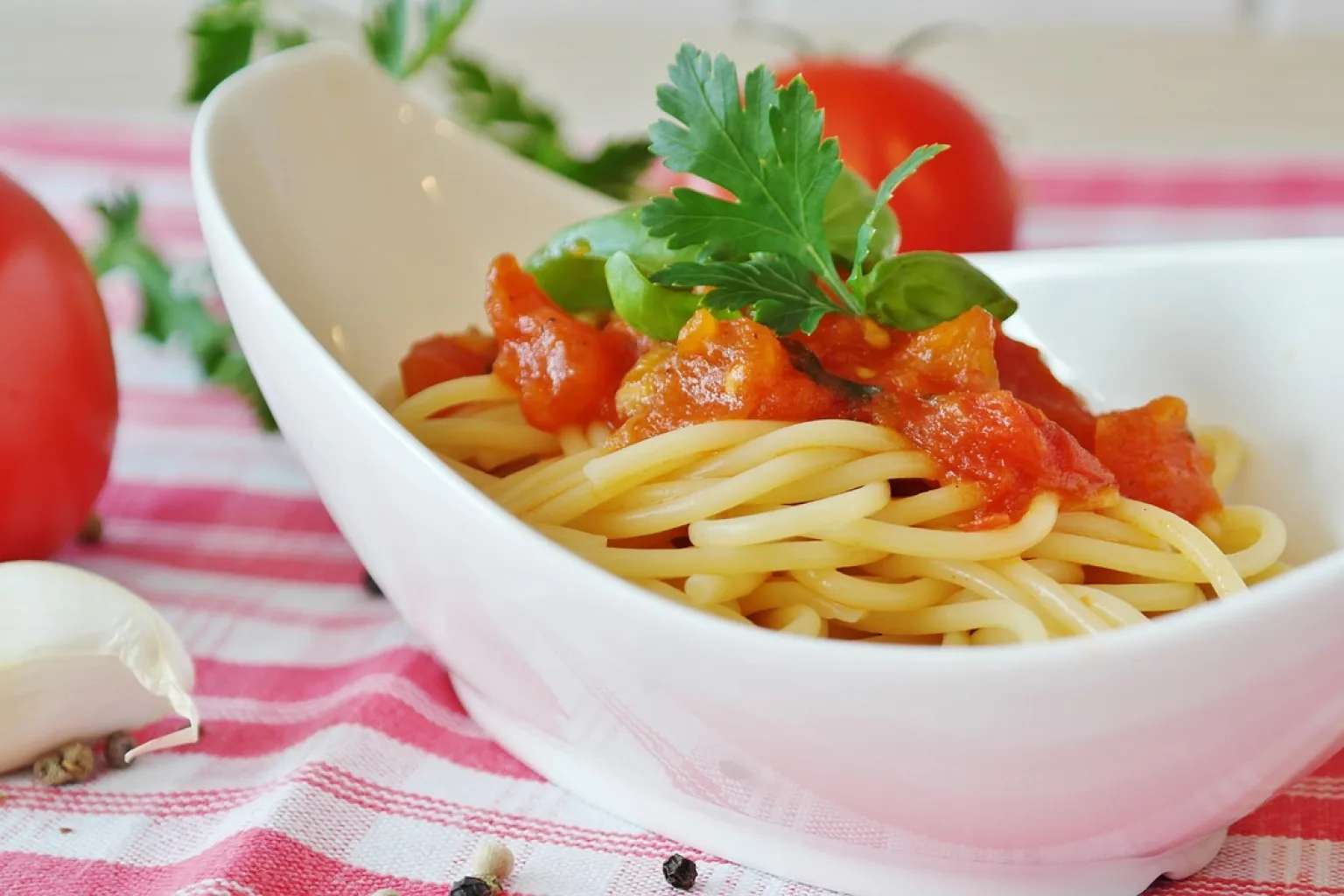
Use it when you want cooked tomato flavor in a dish without making a sauce from scratch. It can form a base for pasta, rice dishes and stews, or be served alongside eggs, meat or fish. It can also be added to other tomato-based preparations. Commercial recipes vary in sweetness, saltiness, oil content and consistency, so taste the sauce before adjusting the dish. You may need to change the seasoning or the amount of liquid in your recipe. If you want a particular flavor or texture, check the ingredients and product description on the label.
How to use it
Add it to a recipe as an already-cooked sauce and combine it with the other ingredients. For pasta or rice, stir it into the preparation and heat it with the dish; in a stew, use it as part of the base and adjust the liquid to suit the sauce’s thickness. It can also be served with eggs, meat or fish. Taste before adding more salt or sweetener, as the product may already contain them. Versions may include oil, onion, garlic, other vegetables or thickeners, so check the label if any ingredient matters to your choice. Follow the product’s instructions for use and storage.
Flavour and texture
It generally has a concentrated cooked-tomato flavor, with acidity and sweetness that depend on the recipe. It may be more or less salty and can have notes of oil, onion, garlic or other seasonings. Its texture can range from smooth to slightly pulpy or thick; the tomato and formulation affect the result. Check the label and, when possible, taste the sauce before adjusting your dish.
How to choose it
Compare ingredient lists and product information: sauces can differ in oil, salt, sugar, added vegetables and consistency. Choose according to how you plan to use it, such as a looser sauce for mixing or a thicker one for a base. Also check the manufacturer’s directions for use and storage; do not assume every product follows the same recipe.
Storage
Follow the storage directions printed on the package, including any instructions for after opening, because these can vary by product. Check the date and directions for safe use as well. For homemade or unpackaged sauce, the available evidence does not establish one universal storage period or method; do not apply one brand’s conditions to every version.
Substitutions
You can substitute another cooked tomato sauce or tomatoes crushed and cooked with oil and salt. The result may differ: crushed tomatoes can be thinner or less concentrated in flavor, while another sauce may contain different ingredients. Taste first, then adjust consistency and seasoning. Check the substitute’s label if you need to avoid a particular ingredient.
Common mistakes
Do not assume that every sauce called fried tomato sauce has the same ingredients or thickness. Avoid automatically adding salt or sugar: some recipes already contain them, and the flavor balance differs between products. Do not overlook the manufacturer’s directions for use and storage, particularly after opening.
Safety and allergens
Read the label for ingredients, declared allergens, and storage and use directions. Follow the manufacturer’s instructions; product composition and directions can vary.
Culinary uses
- Base para pastas, arroces y guisos
- Condimento o acompañamiento para otros platos
Recommended techniques
- Incorporar directamente a una preparación como salsa ya cocinada
- Calentar junto con los demás ingredientes
Pairs well with
- Pasta y arroz
- Huevos, carne y pescado
Frequently asked questions
Is fried tomato sauce the same as every tomato sauce?
Not necessarily. It is a cooked tomato sauce, but ingredients, formulation and texture vary between products. Check the label.
Can I use it straight from the package in a recipe?
Yes. Add it as a cooked sauce to pasta, rice or stews, or serve it as an accompaniment. Follow the package directions for use.
What can I use if I do not have fried tomato sauce?
Another cooked tomato sauce or crushed tomatoes cooked with oil and salt can work. Taste the substitute and adjust its thickness and seasoning.
Estimated nutrition
- Fat
- 3.67 g
- Saturates
- 0.33 g
- Carbohydrate
- 6.67 g
- Sugars
- 3.33 g
- Fibre
- 1 g
- Protein
- 2 g
- Salt
- 1.69 g
Sources and review
Automatically researched, cross-checked and validated content. Sources consulted:
- En el etiquetado alimentario hay algunas menciones que son obligatorias eletiquetadocuentamucho.aesan.gob.es
- Client Challenge doi.org
- Aesan - Agencia Española de Seguridad Alimentaria y Nutrición aesan.gob.es
- Tomate frito - Wikipedia, la enciclopedia libre es.wikipedia.org
- El Tomate Frito: Origen, Propiedades y Métodos de Elaboración - Delicias Vegetales deliciasvegetales.es
- TOMATE FRITO Y OTRAS SALSAS infoalimentacion.com
- Historia y origen del tomate frito - Hida Alimentación hida.es
- ¿Qué es tomate frito y qué secretos esconde? | Nestlé Cocina nestlecocina.es
- Salsa de Tomate Frito - Receta Tradicional Española | 196 flavors 196flavors.com
- Tomate frito con sabor casero: qué referencias españolas respetan la tradición culinaria - Diario de Gastronomía: Cocina, vino, gastronomía y recetas gourmet diariodegastronomia.com
- Tomate frito casero: receta fácil de fritá andaluza directoalpaladar.com
- Tomate frito: guía de chef para seleccionar y sofreír encocina.com
- Ferran Adrià (63), chef: "El tomate frito no lleva azúcar, el truco está en cocer 350 gramos y añadir sal al final" elespanol.com
- Técnicas de cocina: tomate frito. cocinayaficiones.com
- ¡Descubre el Secreto del Tomate Frito Casero Más Delicioso y Fácil de Preparar! - Clínica Dental Santana clinicadentalsantana.es
- Tomate frito casero webosfritos.es