- Category
- Dairy and eggs
- State
- Preserved
- Usual unit
- g
What it is
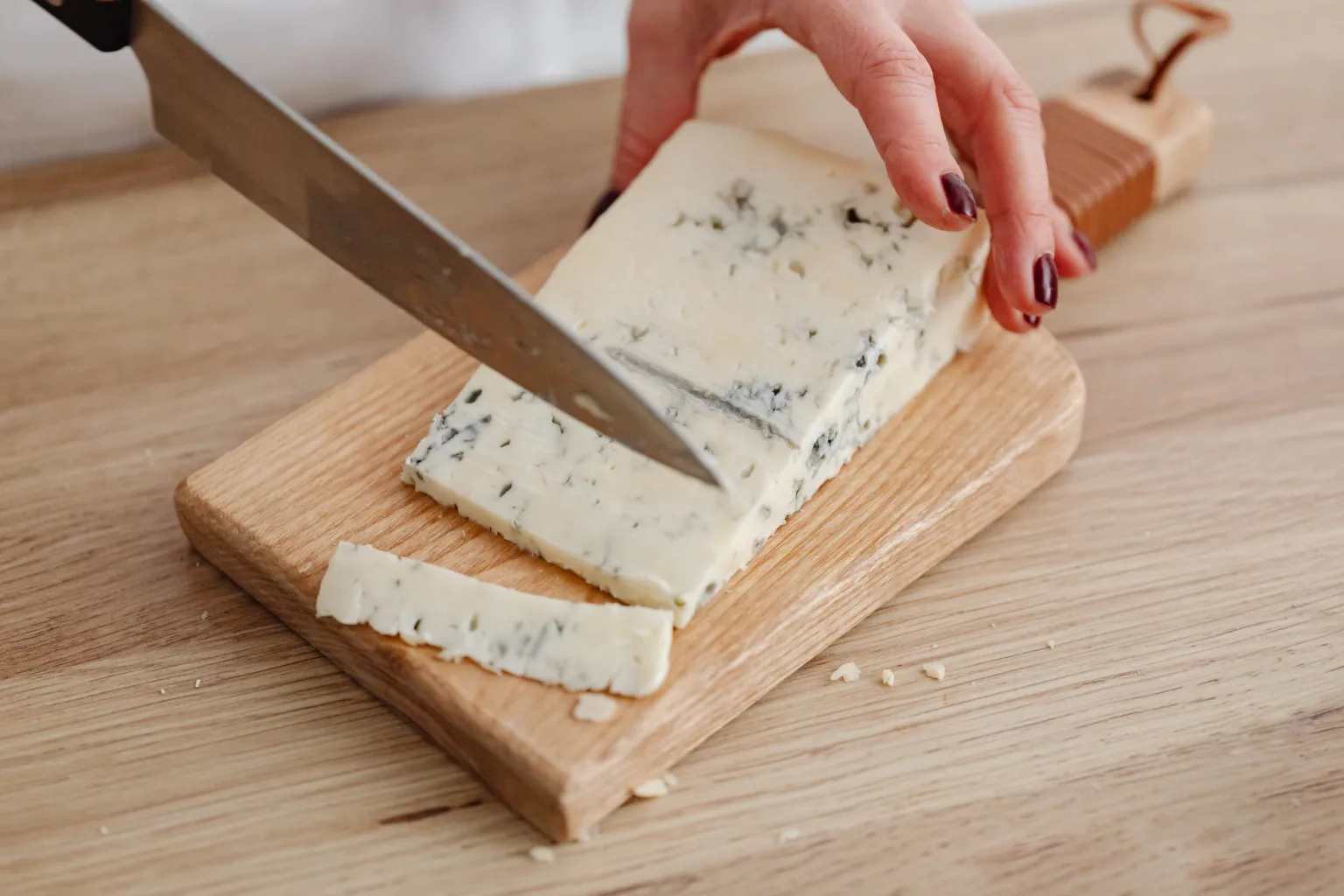
Gorgonzola is a blue cheese with veined paste, made with dairy ingredients and recognized by the blue-green mold that develops inside. It is commonly available in two styles: dolce, generally softer and creamier, and piccante, with a firmer paste and more pronounced flavor. A style name does not mean every piece has exactly the same texture or intensity. Gorgonzola is a dairy product; check the label for the ingredients and allergen information for the specific item. This profile describes culinary uses and does not provide nutritional values.
When to use it
Choose dolce when you want cheese that is easy to spread or a milder blue flavor in a creamy sauce. Piccante suits dishes where you want the cheese to contribute a more pronounced character or a firmer texture on a cheese board. Either style can be added to hot dishes such as pasta or risotto, or served with bread and fruit. Since flavor varies between styles and pieces, taste a small amount before adjusting the rest of the dish.
How to use it
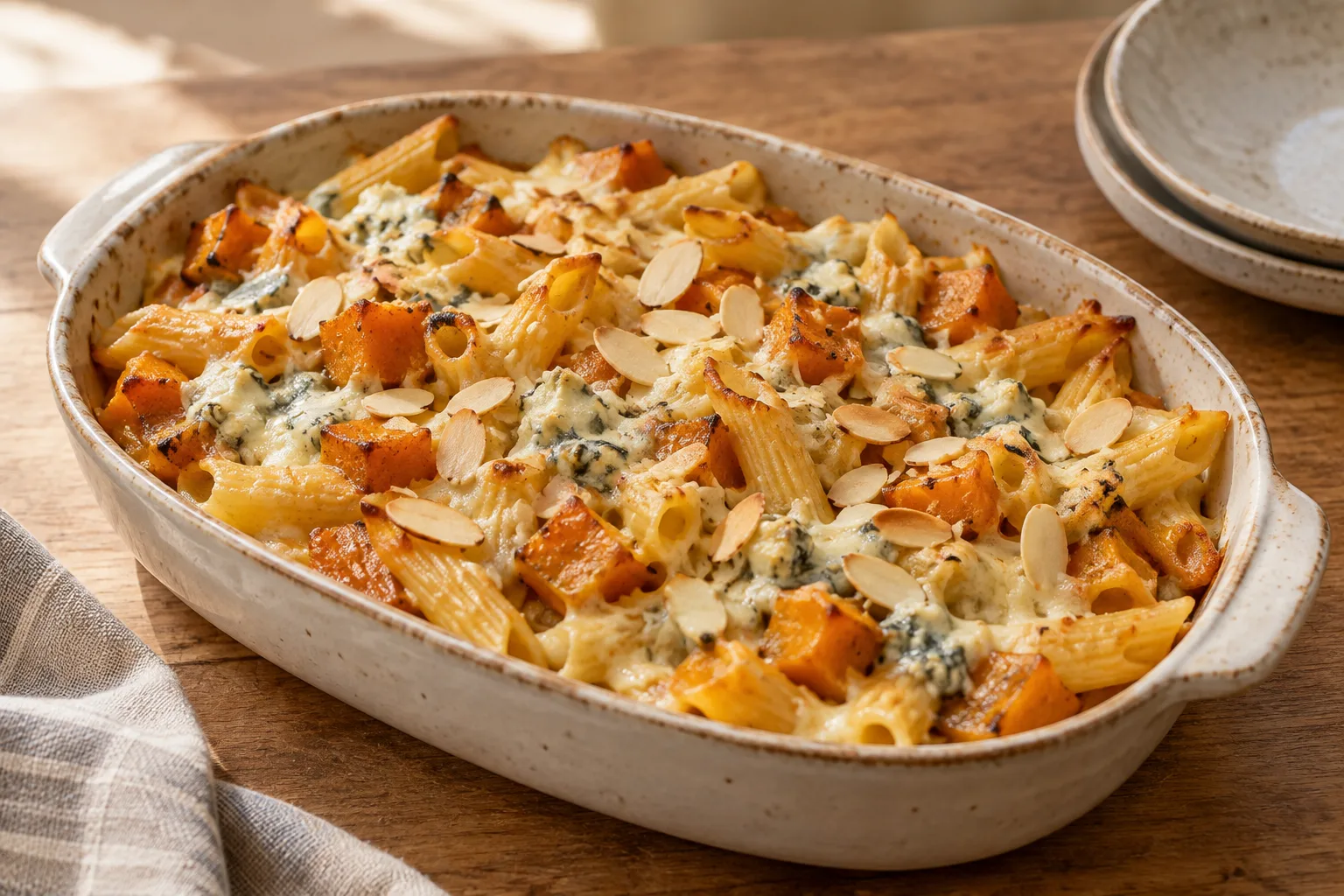
To serve without cooking, crumble or cut the cheese and pair it with bread; it can also be served with pears, other fruit, nuts, or honey. For a sauce, pasta, or risotto, add the cheese during preparation and stir so it melts and disperses. Sources describe its use in pasta sauces and its addition toward the end of risotto cooking; adjust the amount to suit the cheese and the dish. Dolce is especially practical when you want a creamy texture, while piccante can contribute a more pronounced flavor. Check the label if you need ingredient or allergen information.
Flavour and texture
Gorgonzola has blue or greenish veins and a distinctive flavor that can be mild or intense depending on the style. Dolce is usually creamier and softer, with a slight pungency; piccante is usually firmer and more pronounced in flavor. Individual pieces vary, so do not assume every Gorgonzola will have the same intensity.
How to choose it
Look for the style you prefer on the label: dolce or piccante. The former is usually described as creamy and mild; the latter as firmer and more intense. Check the ingredient list and allergen information, especially when buying a cut piece or a packaged product. The veined appearance is characteristic of blue cheese, but it does not replace checking the label or asking the seller for product information.
Storage
Follow the storage directions on the label, as they can vary by product and presentation. Keep the cheese under the conditions specified by the maker and protect the cut surface according to the seller’s recommendations. If it is sold unpackaged, ask how to store that particular piece and follow the available information on its shelf life and safe use. Do not infer a storage period from the cheese style alone.
Substitutions
Roquefort or Cabrales can stand in when you want another blue cheese, but they are not identical substitutes: they can change the flavor, texture, and result of the recipe. Choose an alternative based on whether you need a milder, creamier cheese or a more intense, firmer one. Start with a moderate amount and adjust after tasting.
Common mistakes
Treating dolce and piccante as interchangeable can change a dish’s flavor and texture. Avoid adding a large amount without tasting first: intensity varies between styles and pieces. Another mistake is assuming a recipe, product name, or appearance reveals every ingredient and allergen; check the label or ask the seller.
Safety and allergens
Gorgonzola is a dairy cheese and contains milk ingredients; people with a milk allergy or intolerance should check the product’s allergen information or ask the establishment before eating it. Follow the storage and safe-use directions for the specific product. For unpackaged cheese, ask for the available allergen information.
Culinary uses
- Queso de mesa y de tabla
- Ingrediente para salsas, pastas y risottos
Recommended techniques
- Desmenuzar o untar para servir con pan
- Incorporar al final de la cocción de una salsa o un risotto para que se funda
Pairs well with
- Peras y otras frutas
- Nueces
- Pan
- Miel
Frequently asked questions
What is the difference between Gorgonzola dolce and piccante?
Dolce is usually creamier and milder; piccante is usually firmer and more intense. The individual piece can vary.
How can I use Gorgonzola in a recipe?
Serve it with bread, fruit, or nuts, or stir it into pasta sauce or risotto so it melts.
Does Gorgonzola contain milk?
Yes. It is a cheese made with dairy ingredients. Check the label for the allergen declaration for the specific product.
Estimated nutrition
- Fat
- 28.6 g
- Saturates
- 17.9 g
- Carbohydrate
- 3.57 g
- Sugars
- 0 g
- Fibre
- 0 g
- Protein
- 17.9 g
- Salt
- 3.02 g
Sources and review
Automatically researched, cross-checked and validated content. Sources consulted:
- En el etiquetado alimentario hay algunas menciones que son obligatorias eletiquetadocuentamucho.aesan.gob.es
- Client Challenge doi.org
- Culinary MakerSpace | Auxiliary Services | Binghamton University binghamton.edu
- Home - Culinary Arts / Restaurant Management - LibGuides at Bob Jones University libguides.bju.edu
- A Guide to Cheese: 30 Cheeses You Should Know - Escoffier escoffier.edu
- Food Storage for Safety and Quality fcs.uga.edu
- 1 J26 ^ SERVICIO DE PUBLICACIONES AGRICOLAS J AÑO XX Octubre mapa.gob.es
- 21 CFR § 133.141 - Gorgonzola cheese. | Electronic Code of Federal Regulations (e-CFR) | US Law | LII / Legal Information Institute law.cornell.edu
- Recipe: Gorgonzola cheese pasta | OpenLearn - Open University open.edu
- Culinary (CUL) < Central Piedmont Community College catalog.cpcc.edu
- Gorgonzola - Wikipedia, la enciclopedia libre es.wikipedia.org
- Queso Gorgonzola. Qué es y cómo emplearlo en la cocina abc.es
- Descubriendo el Queso Gorgonzola: Características, Usos y Comparativa con los Mejores Quesos Del Mundo donquesotori.es
- ¿Qué es el Queso Gorgonzola? Origen y propiedades ditaly.es
- Queso Gorgonzola: Qué es, origen, elaboración y cualidades lafamigliarestaurantes.com
- Queso Gorgonzola: sabor, características, origen y tipos conmuchagula.com