- Category
- Dairy and eggs
- State
- Fresh
- Usual unit
- g
What it is
Grated cheese is cheese reduced to shreds, flakes, or small particles, usually with a grater or by processing. It is not a single cheese variety: it can be made from different cheeses, including Parmesan, Cheddar, Edam, or Pecorino, and may be sold ready-grated or prepared at home from a block. Some products are intended to melt, while others are used as a finishing sprinkle. The size of the grate, firmness, flavor, and response to heat can therefore vary. Check the product name and ingredient list to identify which cheese it contains; the generic name alone does not guarantee a particular variety or a uniform composition.
When to use it
Use it to add flavor to pasta, gnocchi, risotto, pizza, or soup, or when you want a topping for a dish that will be gratinated. More assertive cheeses can work as a seasoning in modest amounts, while a blend labeled for melting can be convenient in hot dishes. Choose according to the recipe and the particular cheese: grated products do not all have the same aroma, texture, or melting properties. For a fresh, distinct finish, add it when serving; for a browned topping, use it on a dish that will be gratinated.
How to use it
First check which variety or blend is in the package and whether it is intended for melting; grated cheese can vary considerably. Sprinkle it over pasta, gnocchi, or soup when serving, or stir it into risotto near the end. For pizza, vegetables, or other dishes to be gratinated, distribute it evenly over the surface and follow the recipe’s cooking method. It can also be stirred into hot sauces or fillings, adding it gradually and mixing to distribute it evenly. If starting with a block, grate it with a clean grater and choose a grate size that suits the finish you want. Do not assume that every product melts in the same way; follow the manufacturer’s directions when provided.
Flavour and texture
Flavor and texture depend on the cheese variety and processing: some cheeses are aromatic and assertive, while others are milder. Grated cheese may form strands, flakes, or fine particles, and its response to heat varies. Hard grated cheese can crumble easily; processed cheese is usually softer and has good melting properties.
How to choose it
Read the product name and ingredient list to identify the cheese or blend rather than relying only on the generic term “grated cheese.” Choose a product for its intended use: sprinkling, stirring into a sauce, or gratinating. Check that the package is intact and follow the manufacturer’s storage instructions and date information.
Storage
Follow the package’s storage instructions, which can vary by product and presentation. For packaged grated cheese, observe the directions after opening and refrigerate it when the label says to do so. Do not apply one storage duration to every variety or brand. If mold appears on grated cheese, discard it rather than removing only the visible part.
Substitutions
You can replace it with another grated cheese of similar firmness, such as Parmesan, Cheddar, Edam, or Pecorino, but the flavor and melting behavior will change. Choose according to the use: a strongly flavored cheese may suit a finishing sprinkle, while a blend intended to melt may be better for a hot topping. There is no universal one-to-one match between varieties.
Common mistakes
Treating all grated cheeses as interchangeable can lead to a different flavor and texture than expected. Do not assume every product melts well or that the generic name identifies a particular variety. Check whether you need a melting topping or a finishing seasoning, and do not ignore the storage directions on the package.
Safety and allergens
Cheese contains milk, an allergen to consider. Check the label for the ingredients and allergens in the specific product, as composition can vary. Follow package storage and use instructions. If mold appears on grated cheese, discard the product.
Culinary uses
- Finishing garnish
- Flavoring ingredient
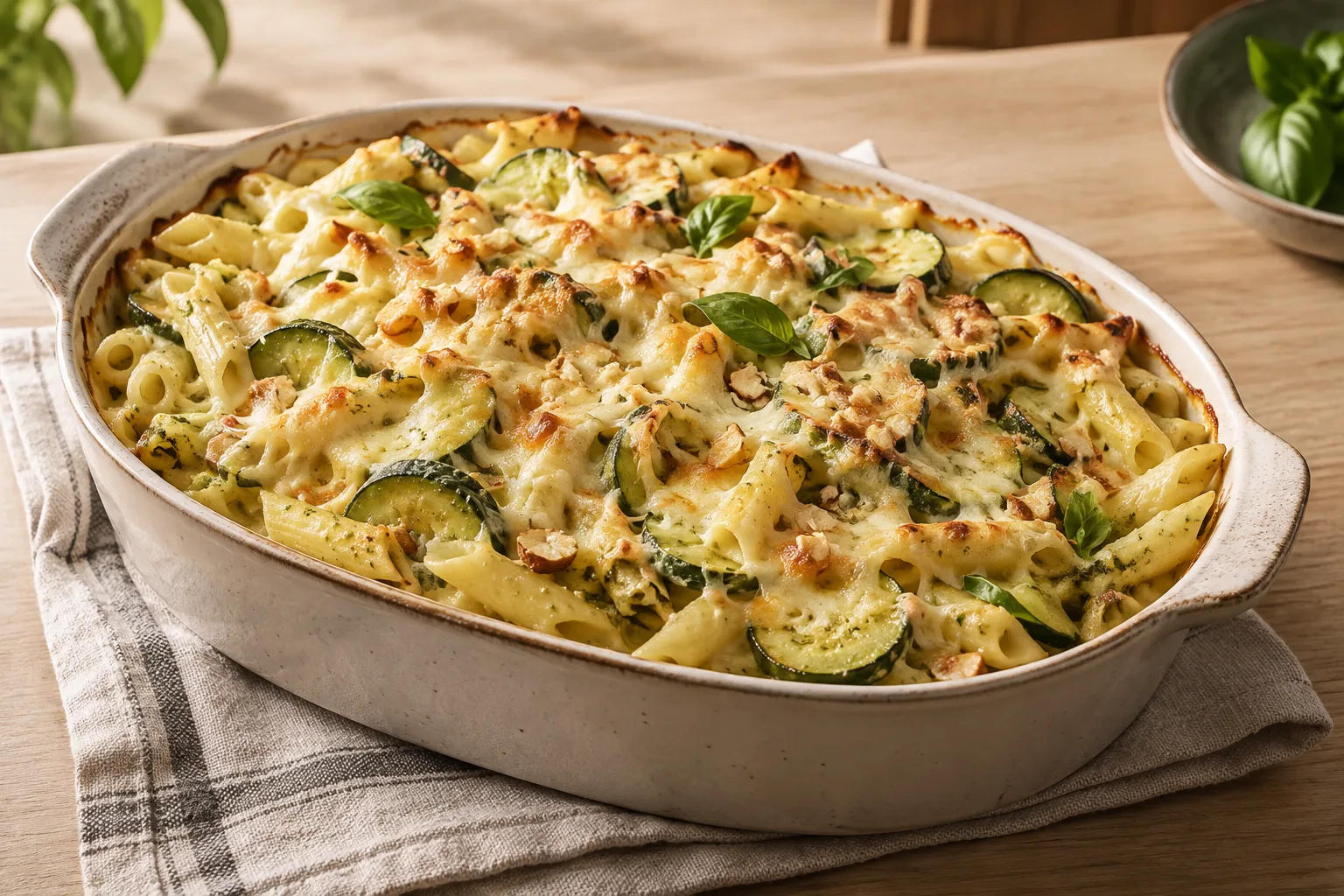
- Melting and gratin topping
- Ingredient in sauces and fillings
Recommended techniques
- Grate from a block just before use
- Sprinkle over a finished dish
- Melt into a sauce or cooked filling
- Use as a topping for gratinating
Pairs well with
- Pasta and gnocchi
- Risotto
- Pizza
- Soups
- Vegetables
- Sauces
Frequently asked questions
What kinds of cheese can be grated?
It may be made from cheeses such as Parmesan, Cheddar, Edam, or Pecorino, among others; check the package to identify the specific variety or blend.
Can I use any grated cheese for gratinating?
Not necessarily. Melting behavior depends on the cheese and its processing. Choose one labeled for melting or follow the product directions.
What should I do if grated cheese develops mold?
Discard grated cheese with mold. Do not remove only the visible patch, since mold can spread through the product.
Estimated nutrition
- Fat
- 27.8 g
- Saturates
- 15.4 g
- Carbohydrate
- 13.9 g
- Sugars
- 0.07 g
- Fibre
- 0 g
- Protein
- 28.4 g
- Salt
- 4.5 g
Sources and review
Automatically researched, cross-checked and validated content. Sources consulted:
- En el etiquetado alimentario hay algunas menciones que son obligatorias eletiquetadocuentamucho.aesan.gob.es
- Client Challenge doi.org
- Cooking Food Storage | USU extension.usu.edu
- Queso rallado - Wikipedia, la enciclopedia libre es.wikipedia.org
- Artes culinarias/Ingredientes/Queso rallado - Wikilibros es.wikibooks.org
- PGI-ES-02307 Revisión 1 Página 1 de 8 PLIEGO DE CONDICIONES DE LA mapa.gob.es
- Queso Rallado Parmesano: Análisis Comparativo de los Mejores Variedades y Sus Usos Culinarios donquesotori.es
- Cheese-Storage-Bulletin-4-8-20.pdf cdr.wisc.edu
- Handling of Cheese for Safety & Quality | Home & Garden Information Center hgic.clemson.edu
- 5 Major Cheese Styles Every Chef Should Know ice.edu
- Indice 1. Producto 1.1 Historia y nacimiento del ... palermo.edu
- Tienda | Store Room stristoreroom.si.edu
- How to Cook Pork Tenderloin on the Grill • southernwv.edu staging.southernwv.edu
- (PDF) Queso blanco Cheese Manufacture academia.edu
- Casino online en México: comparativa y análisis mexicohistorico.com