- Category
- Dairy and eggs
- State
- Fresh
- Usual unit
- cup
What it is
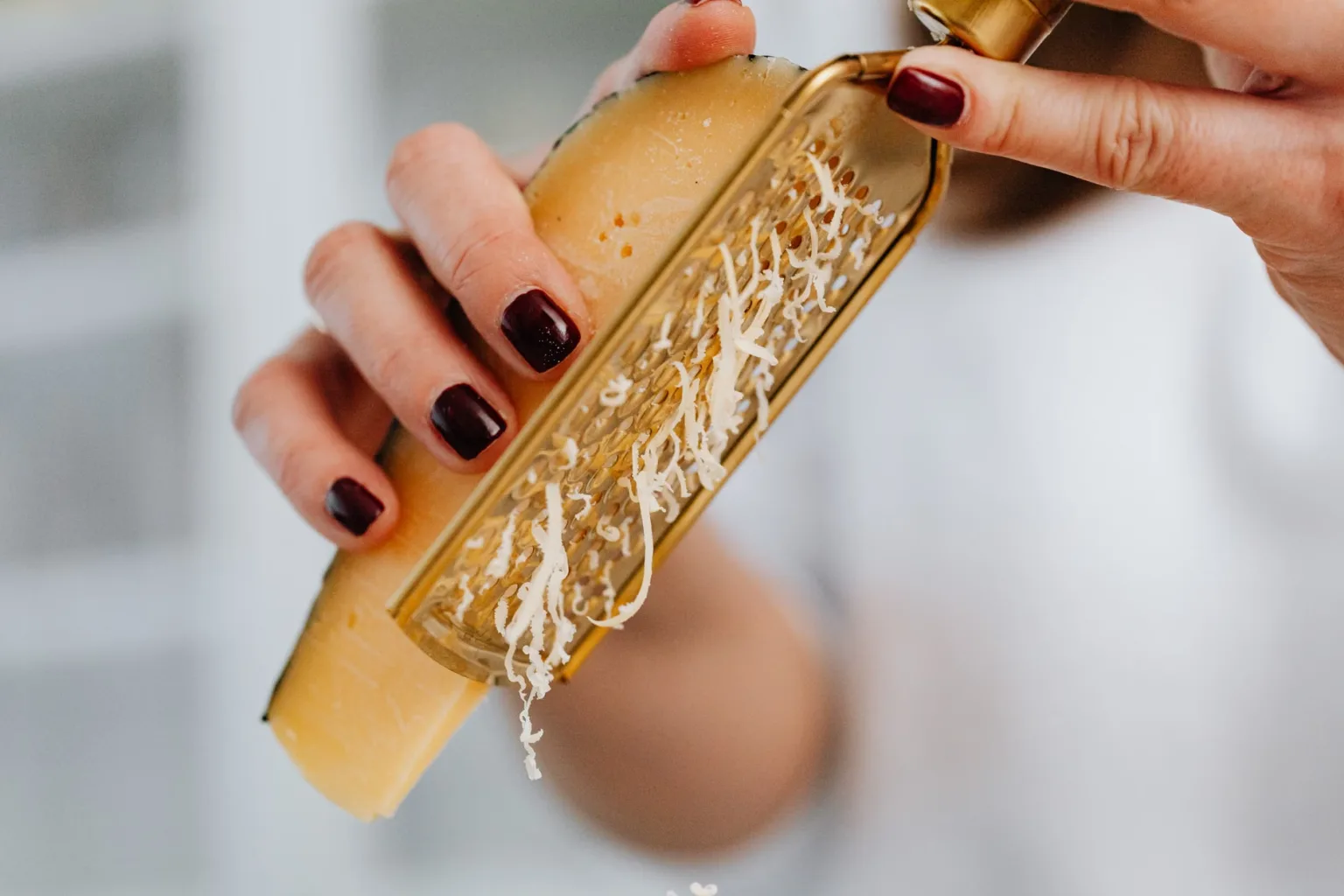
Grated Parmesan is hard cheese that has been shredded or grated so it can be added directly to recipes. Parmesan is known for a pronounced flavor and a granular, brittle texture; in grated form, its small pieces are easy to distribute through a dish. Commercial products can differ in the cheese used and in any added ingredients, so the name alone may not tell you the full composition. Check the product name and ingredient list, especially if you need a particular kind of Parmesan or want to avoid added ingredients. It is a dairy product and may contain milk.
When to use it
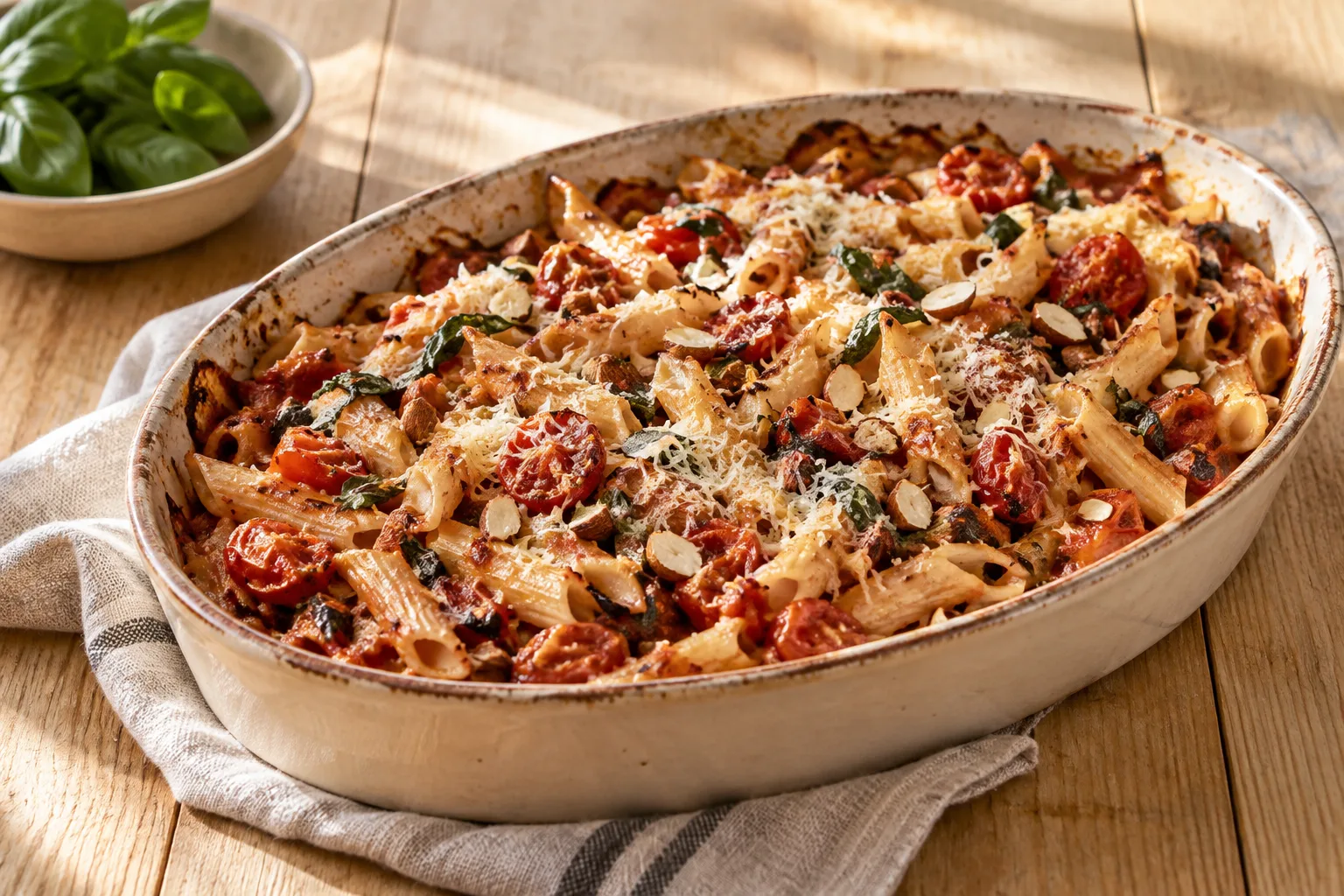
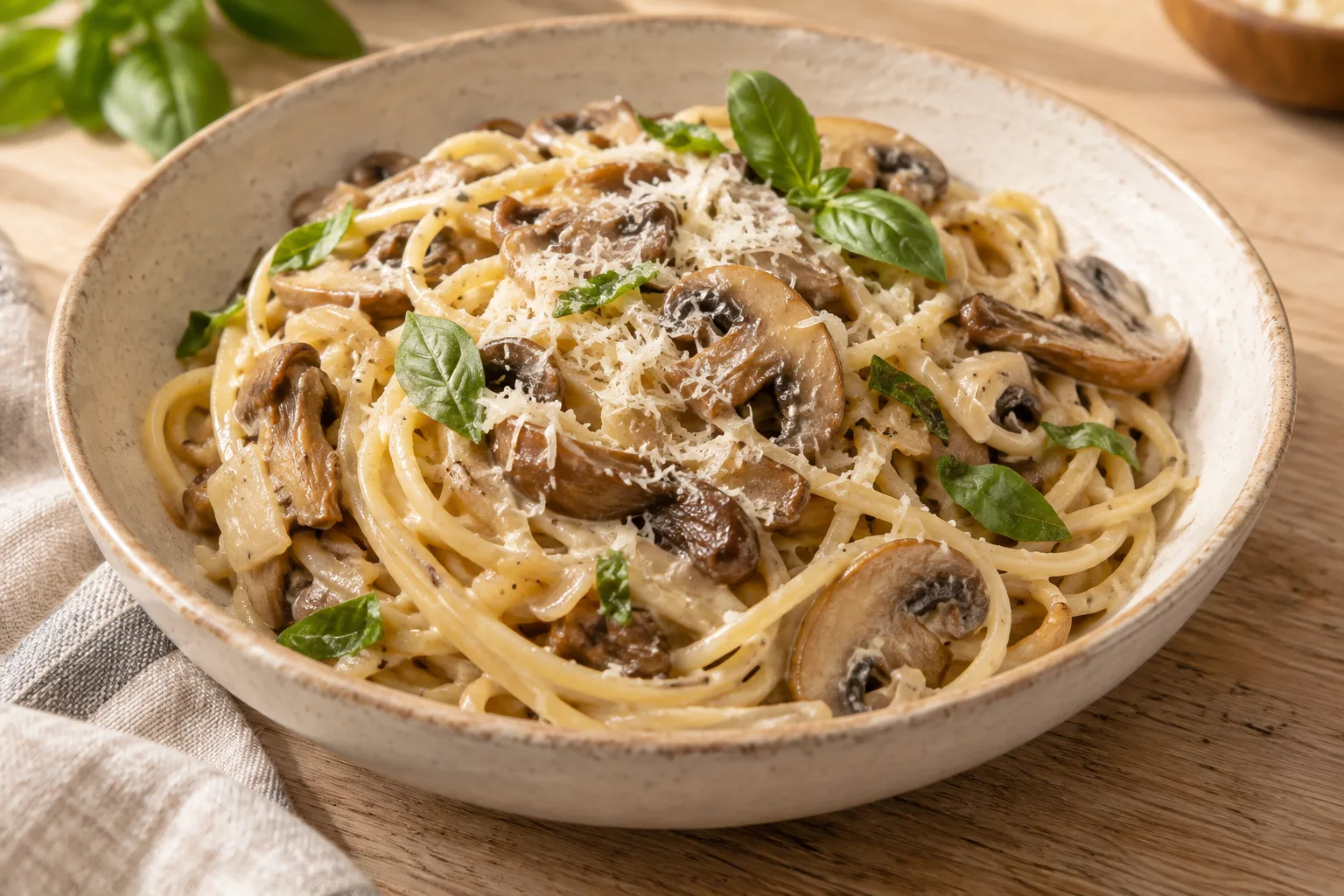
Use it when you want to add a pronounced, savory cheese flavor without cutting or grating a block. It is convenient for finishing pasta, sprinkling over risotto, or enriching sauces and soups. It can also be included in a topping for gratinated dishes. For a more distinct cheese texture, add it just before serving; to blend it into the dish, stir it into a warm preparation. Adjust the amount to the flavor of the product, since grated cheeses do not all have the same intensity.
How to use it
Loosen the cheese with a fork if the pieces have clumped, then sprinkle it over pasta, risotto, soup or served vegetables. To add it to a sauce, stir it in gradually so it disperses rather than adding the full amount at once. For a gratin, mix it into the other topping ingredients or scatter it over the dish before cooking according to the recipe. You can also add it near the end of cooking for flavor without letting it dominate. Check whether the product already contains salt and adjust the seasoning after tasting. Follow the package directions for storage and use.
Flavour and texture
Parmesan is described as pronounced and salty, with a hard, granular and brittle texture. Grated, it is easy to distribute and can add a savory note either as a topping or mixed into a dish. Flavor and particle size can vary among products, so check the package and taste before adding more.
How to choose it
Read the product name and ingredient list to see whether the product is Parmesan or a cheese blend and whether ingredients have been added. If you need to avoid milk, do not rely on the name alone: check the package allergen information. Choose an intact package and note its storage directions and date marking. Grated cheese is convenient for direct use, but format and composition vary by brand.
Storage
Store the product according to the directions on its package; many cheeses are kept refrigerated. After opening, reseal the package or transfer the cheese to a clean, tightly closed container if appropriate for the product. Avoid leaving it exposed to air or near foods that could transfer odors. If mold appears on grated cheese, discard it rather than removing only the affected area. Do not replace the manufacturer's directions with a general storage time.
Substitutions
Grated Grana Padano can work as an alternative in pasta or risotto; grated Pecorino Romano is another hard-cheese option. The result will differ in intensity, saltiness and texture, so start with a smaller amount and adjust after tasting. Check the substitute's label, particularly when managing an allergy or avoiding specific ingredients.
Common mistakes
Do not assume every product labeled grated Parmesan has the same composition, texture or intensity. Avoid adding a large amount before tasting, since the cheese can contribute a pronounced salty flavor. Do not leave the package open or ignore its storage directions. If grated cheese shows mold, do not remove only the visible spot; discard it.
Safety and allergens
It contains or may contain milk; check the product's allergen statement, especially if you have an allergy or intolerance. Follow the package's storage and use directions. Discard grated cheese if mold appears.
Culinary uses
- Pasta and risotto finishing cheese
- Flavoring for sauces, soups, and gratins
- Savory topping or garnish
Recommended techniques
- Sprinkle over a finished dish
- Stir into a warm sauce or risotto
- Use in a topping for baking or gratinating
Pairs well with
- Pasta
- Risotto
- Lasagna and gnocchi
- Soups and sauces
Frequently asked questions
Does grated Parmesan contain milk?
Parmesan is a dairy cheese and may contain milk. Always check the product's allergen statement because composition can vary.
How can I use it with pasta?
Sprinkle it over served pasta or gradually stir it into a warm sauce. Taste before adding more so you can adjust the flavor.
What should I do if I see mold on grated cheese?
Discard grated cheese if it has mold; do not remove only the visible spot. Also follow the package's storage directions.
Estimated nutrition
- Fat
- 40 g
- Saturates
- 20 g
- Carbohydrate
- 0 g
- Sugars
- 0 g
- Fibre
- 0 g
- Protein
- 40 g
- Salt
- 3 g
Sources and review
Automatically researched, cross-checked and validated content. Sources consulted:
- En el etiquetado alimentario hay algunas menciones que son obligatorias eletiquetadocuentamucho.aesan.gob.es
- Client Challenge doi.org
- Queso Rallado: El Complemento Ideal Para Tus Platos | Queso Destrabilla info.quesodestrabilla.es
- PGI-ES-02307 Revisión 1 Página 1 de 8 PLIEGO DE CONDICIONES DE LA mapa.gob.es
- Aesan - Agencia Española de Seguridad Alimentaria y Nutrición aesan.gob.es
- Queso Rallado Parmesano: Análisis Comparativo de los Mejores Variedades y Sus Usos Culinarios donquesotori.es
- Queso Parmesano Reggiano: historia, usos, maridaje y recetas elpaladar.es
- Handling of Cheese for Safety & Quality | Home & Garden Information Center hgic.clemson.edu
- Recetario Resumen cs.upc.edu
- Esta institución brinda igualdad de oportunidades. Este material fue green.mgcafe.uky.edu
- Papas fritas al horno con queso parmesano food.unl.edu
- queso romano o parmesano rallado Archives | Dinner Tonight dinnertonight.tamu.edu
- Recipes | Cooperative Extension | University of Delaware udel.edu
- Indice 1. Producto 1.1 Historia y nacimiento del ... palermo.edu
- Parmigiano-Reggiano: All About Italy's Prized Cheese | Institute of Culinary Education ice.edu
- (DOC) Queso fresco academia.edu