- Category
- Vegetables
- State
- Fresh
- Usual unit
- unit
What it is
Green asparagus is the tender shoot, or spear, of the asparagus plant. It is sold fresh as an elongated stalk topped with a compact tip. Green and white asparagus can come from the same plant; the difference described in the available sources relates to cultivation and exposure to light. Green asparagus generally has a more pronounced flavor and firmer texture than white asparagus. Stalks vary in thickness and intensity, so consider the bunch in front of you when choosing how to prepare it. The sources place the local season in spring, although availability depends on location and may extend through the year.
When to use it
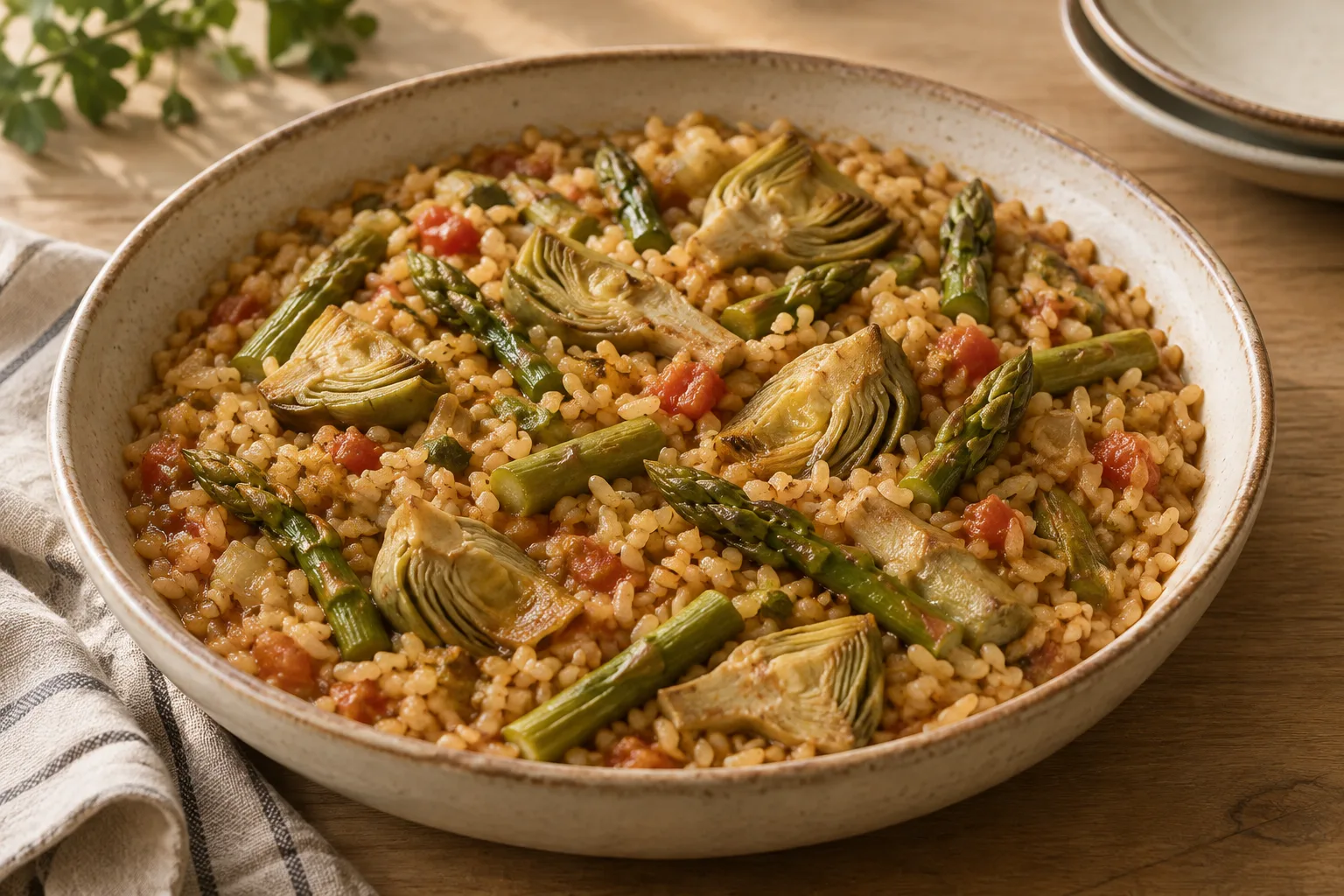
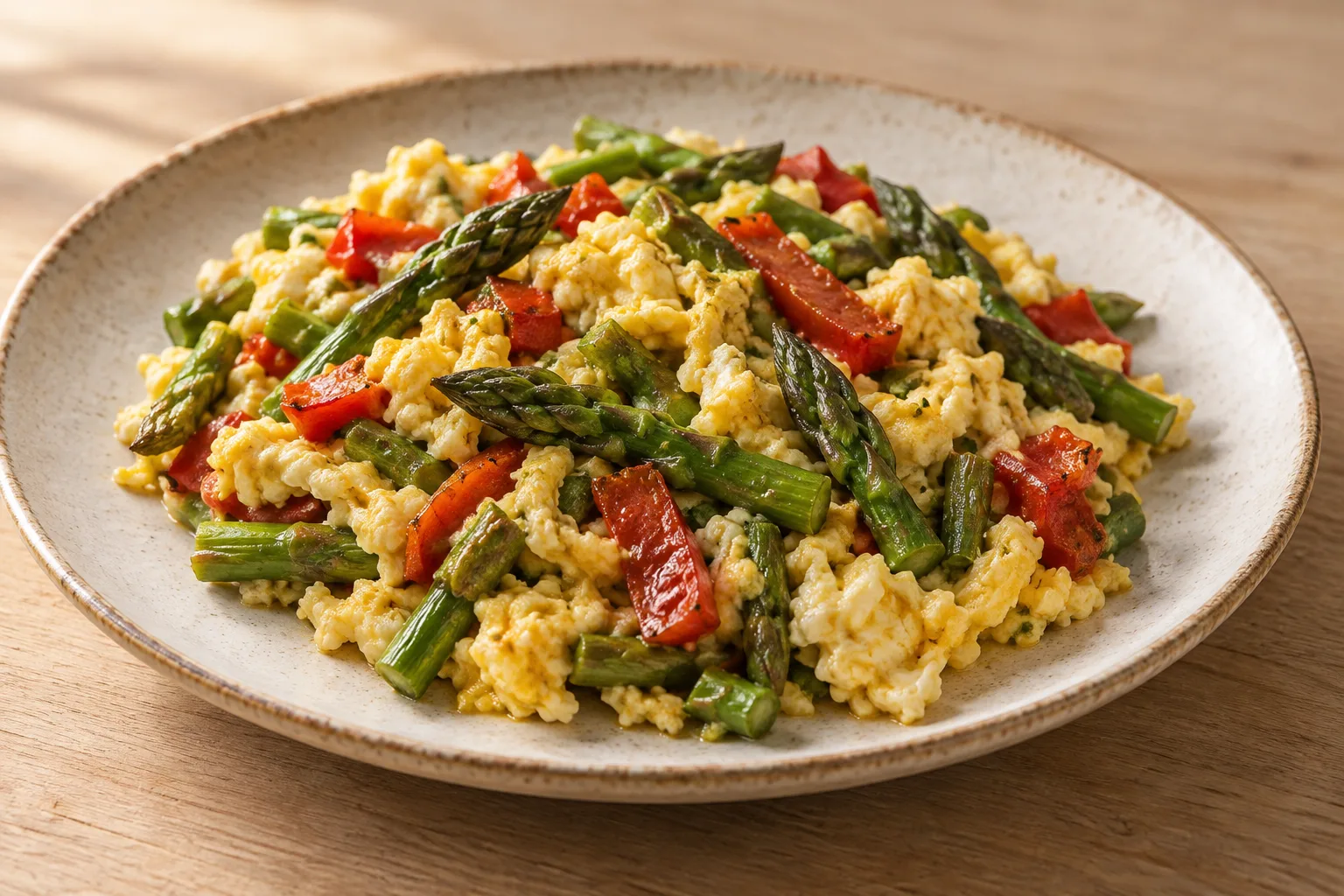
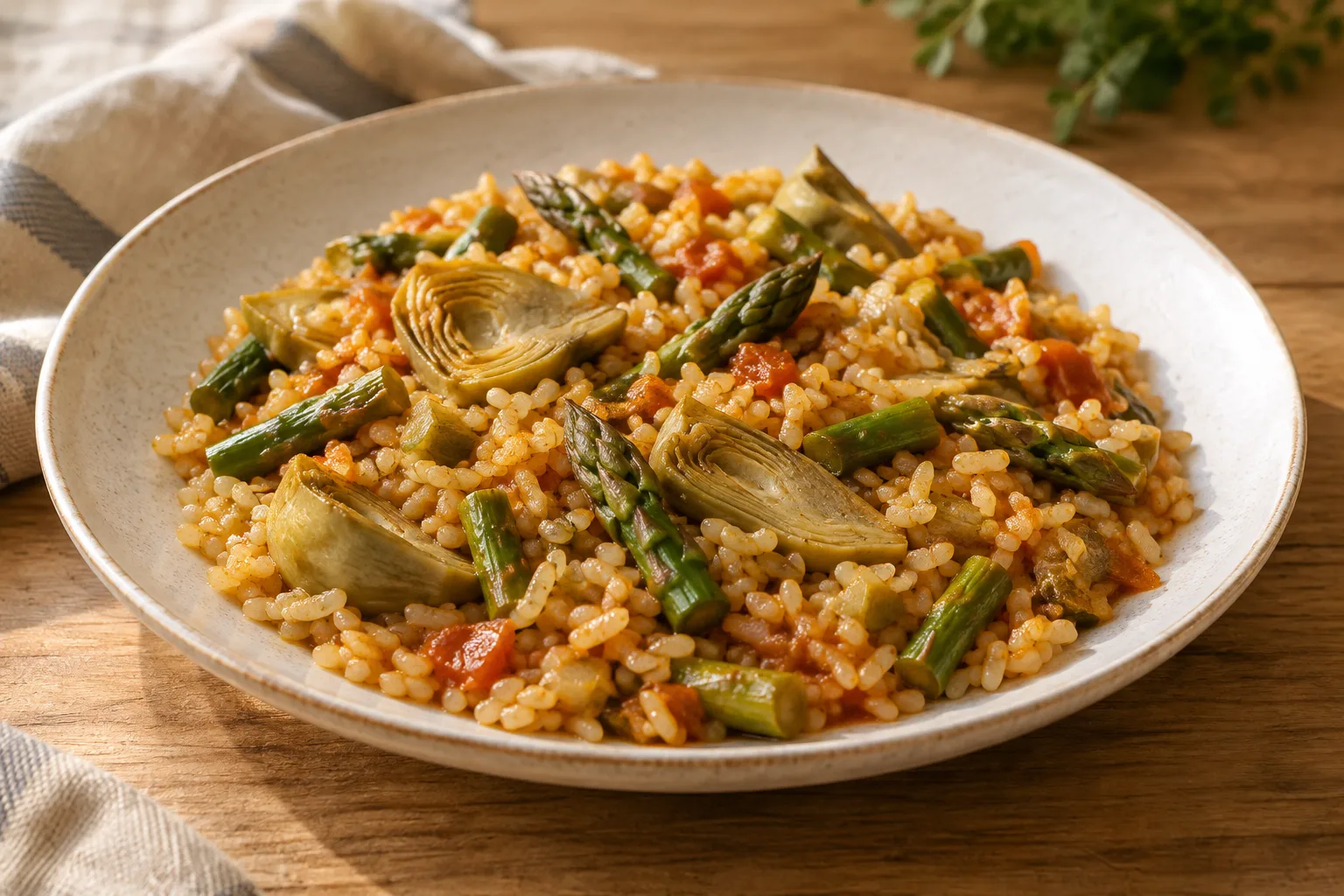
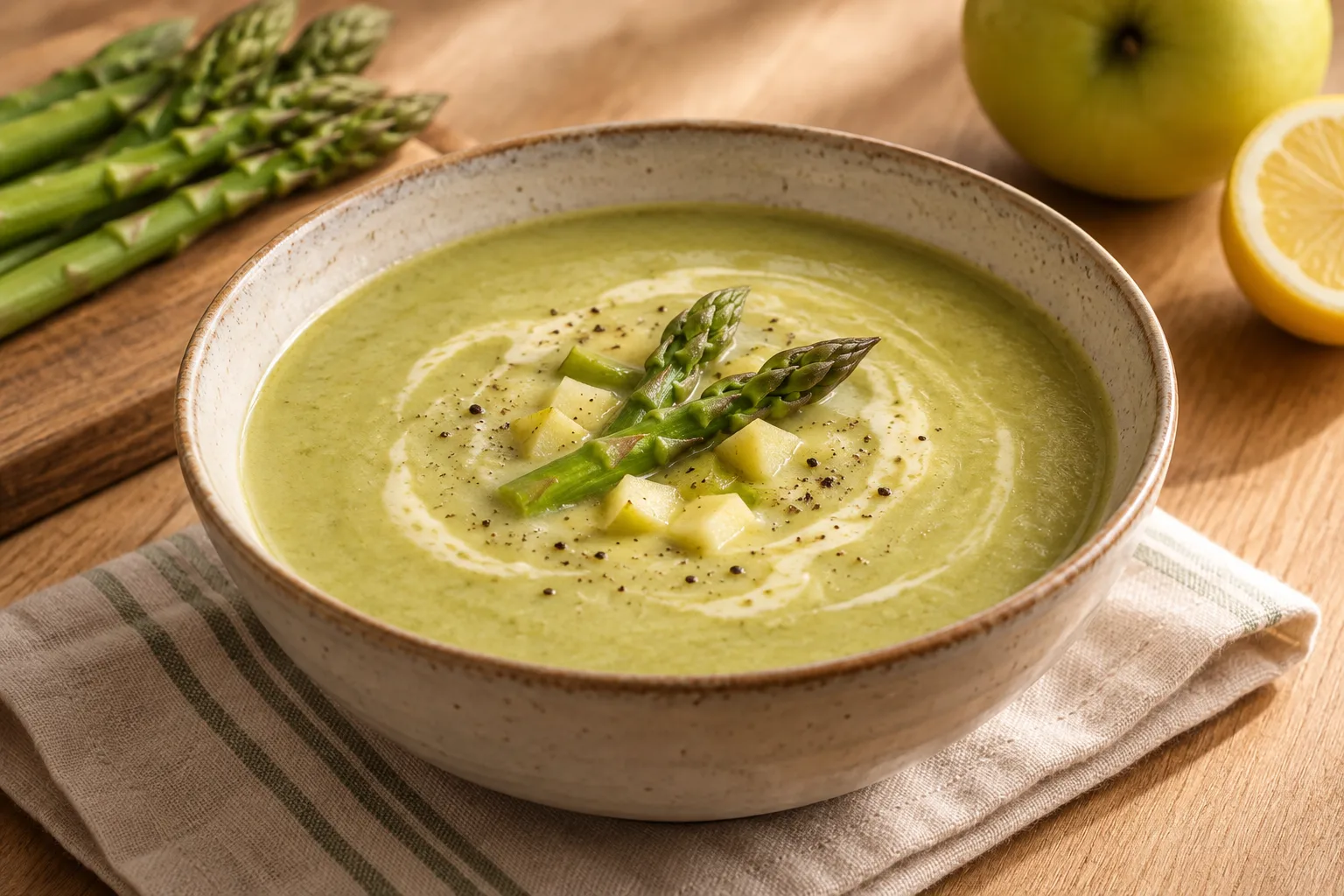
Choose green asparagus when you want a distinct vegetal flavor and firm texture in a dish. Thin or tender stalks may be served raw in suitable preparations, while grilling in a pan or sautéing makes a practical side or starter. It also works in omelets, scrambled eggs, salads, soups and purées. Use it when you want a vegetable that pairs well with eggs, cheese or sauces. If you want a milder flavor and more delicate texture, white asparagus is an option, though it is not identical.
How to use it
Before cooking, inspect the stalks and remove the bottom if it is tough or woody. Culinary sources also suggest peeling the stalks when necessary, especially if they seem fibrous. Cook them on a griddle, sauté them, steam them, or roast or grill them over a fire; adapt the method to the thickness and tenderness of the bunch. You can also add them to an omelet, scrambled eggs, salad, soup or purée. Some sources say very tender stalks can be eaten raw once peeled. Pair them with eggs, cheese, butter, garlic, lemon or olive oil, taking care not to mask their own flavor.
Flavour and texture
Green asparagus usually tastes more pronounced than white asparagus and may have a slightly bitter note. Its texture tends to be firm and meaty, although it varies with thickness, freshness and the individual stalk. The tips are delicate and can soften before the rest of the stalk; cooking them until tender but still firm helps preserve a contrast in texture.
How to choose it
Look for straight, firm stalks with closed, compact tips and clean-looking cut ends. Avoid spears with bruises, spots or visible signs of deterioration. Thickness varies normally, so adjust the cooking method to the bunch rather than assuming every stalk needs the same treatment. If buying locally grown asparagus, spring is the season most often mentioned in the available sources.
Storage
It is best to use asparagus soon after buying it. If you will not use it right away, store it in the refrigerator wrapped in a damp cloth, as recommended by the available culinary sources. Check the condition of the bunch before cooking, and follow any storage instructions on the package. The sources do not establish a universal storage period that applies to every bunch.
Substitutions
White asparagus can replace green asparagus in some preparations, but its flavor is milder and its texture is different. Wild or “triguero” asparagus is another option when you want a more pronounced, bitter profile; its size and texture may vary. Substitution is usually easier in omelets, scrambled eggs, soups and purées than in a dish where the appearance or firmness of green asparagus is central.
Common mistakes
Do not cook every stalk as if it were the same thickness: the tips are delicate and may soften before the base. Another mistake is keeping a bunch for too long when the sources recommend using it soon, or failing to remove a tough bottom when it is woody. If you choose a different type as a substitute, allow for changes in flavor and texture.
Safety and allergens
The available sources do not identify a specific safety warning for fresh green asparagus. Check that the produce is in good condition and follow any storage and use instructions on its package.
Culinary uses
- Guarnición de verduras, carnes o pescados
- Ingrediente para tortillas, ensaladas, sopas y cremas
Recommended techniques
- A la plancha o salteado
- Al vapor, al horno o a la brasa
- Crudo en láminas finas si es muy tierno
Pairs well with
- Huevos
- Queso, mantequilla y salsas cremosas
- Ajo, limón y aceite de oliva
Frequently asked questions
How is green asparagus different from white asparagus?
The available sources link the difference to cultivation and exposure to light. Green asparagus generally has a more pronounced flavor and firmer texture, while white asparagus tends to be milder and more delicate.
Does green asparagus need to be peeled?
Not always. Remove the tough bottom and peel the stalk if it seems fibrous; the sources suggest peeling when needed, not as a rule for every spear.
Can green asparagus be eaten raw?
Some sources say very tender asparagus can be eaten raw once peeled. If the stalk is tough or fibrous, choose a cooked preparation.
How should I store green asparagus?
The sources recommend using it soon. If you are not using it right away, keep it in the refrigerator wrapped in a damp cloth and follow package instructions if provided.
Estimated nutrition
- Fat
- 0 g
- Saturates
- 0 g
- Carbohydrate
- 3 g
- Sugars
- 0 g
- Fibre
- 3 g
- Protein
- 2 g
- Salt
- 0.8 g
Sources and review
Automatically researched, cross-checked and validated content. Sources consulted:
- En el etiquetado alimentario hay algunas menciones que son obligatorias eletiquetadocuentamucho.aesan.gob.es
- Siete recetas con espárragos verdes, su origen, propiedades y qué parte se come directoalpaladar.com
- Aesan - Agencia Española de Seguridad Alimentaria y Nutrición aesan.gob.es
- Client Challenge doi.org
- Aceite de oliva - Wikipedia, la enciclopedia libre es.wikipedia.org
- Espárragos verdes: datos, recetas y beneficios - Gallina Blanca gallinablanca.es
- Los espárragos y sus variedades blog.coquus.es
- Propiedades de los espárragos verdes y tips culinarios recetasdecocina.elmundo.es
- Los espárragos en la cocina | Consumer consumer.es
- Espárragos y sus sorprendentes propiedades – PULEVA lechepuleva.es
- Espárragos: usos, propiedades y recetas | Fine Dining Lovers finedininglovers.com
- Recetas fáciles y prácticas - ensumesa ensumesa.com
- La guía definitiva de los espárragos verdes vs blancos (y 7 recetas fáciles) cocinatis.com
- Todo Sobre el Espárrago y sus Variedades ≫ Centro Sur centro-sur.es
- Maridaje Perfecto: Cómo Cocer los Espárragos Frescos para Acompañar Quesos y Embutidos Exquisitos donquesotori.es
- Espárragos verdes: recetas fáciles para cocinarlos perfectos y no aburrirte nunca recetas.elperiodico.com
- Recetas con espárragos verdes, platos e ideas fáciles lawebcinera.es