- Category
- Vegetables
- State
- Fresh
- Usual unit
- unit
What it is
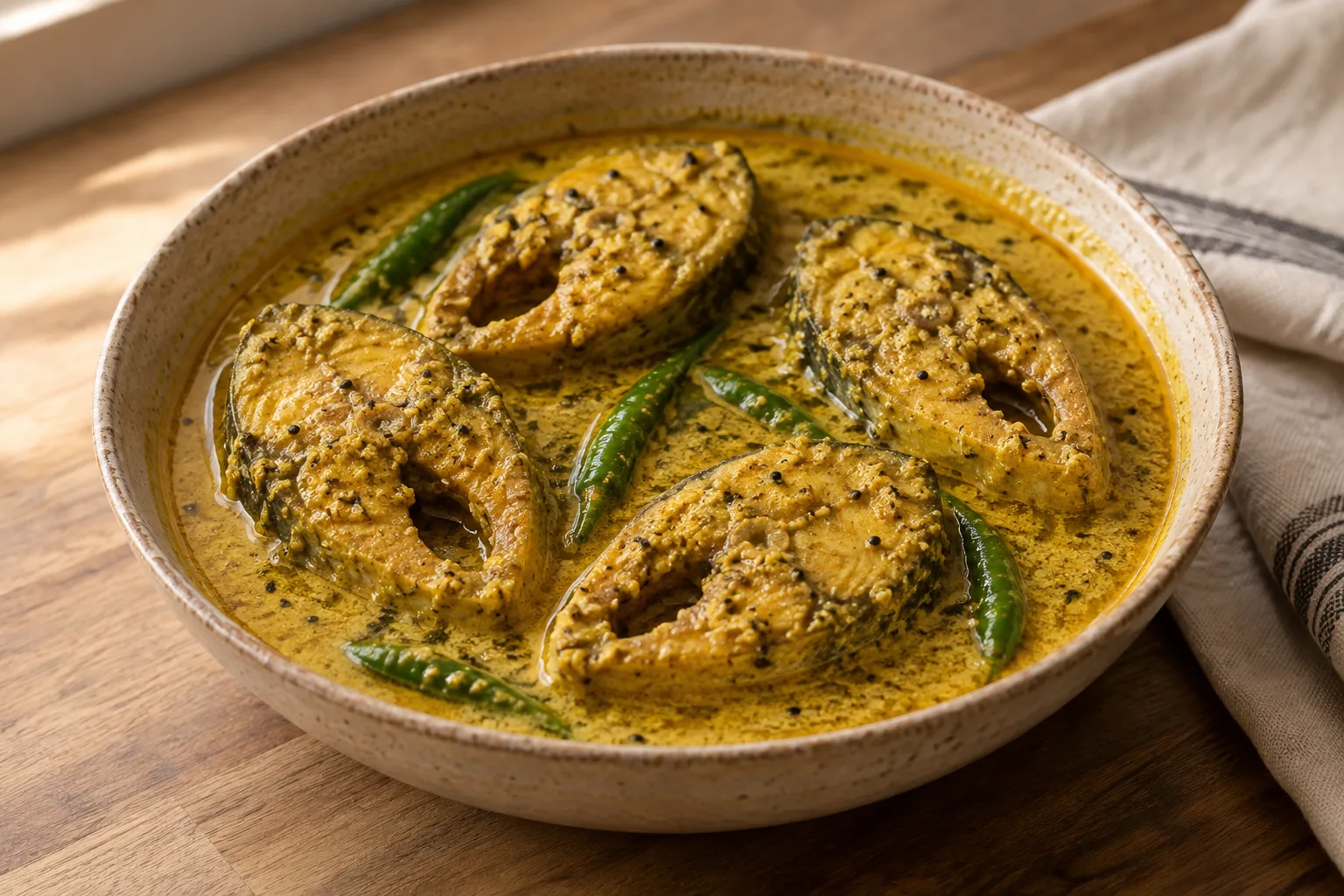
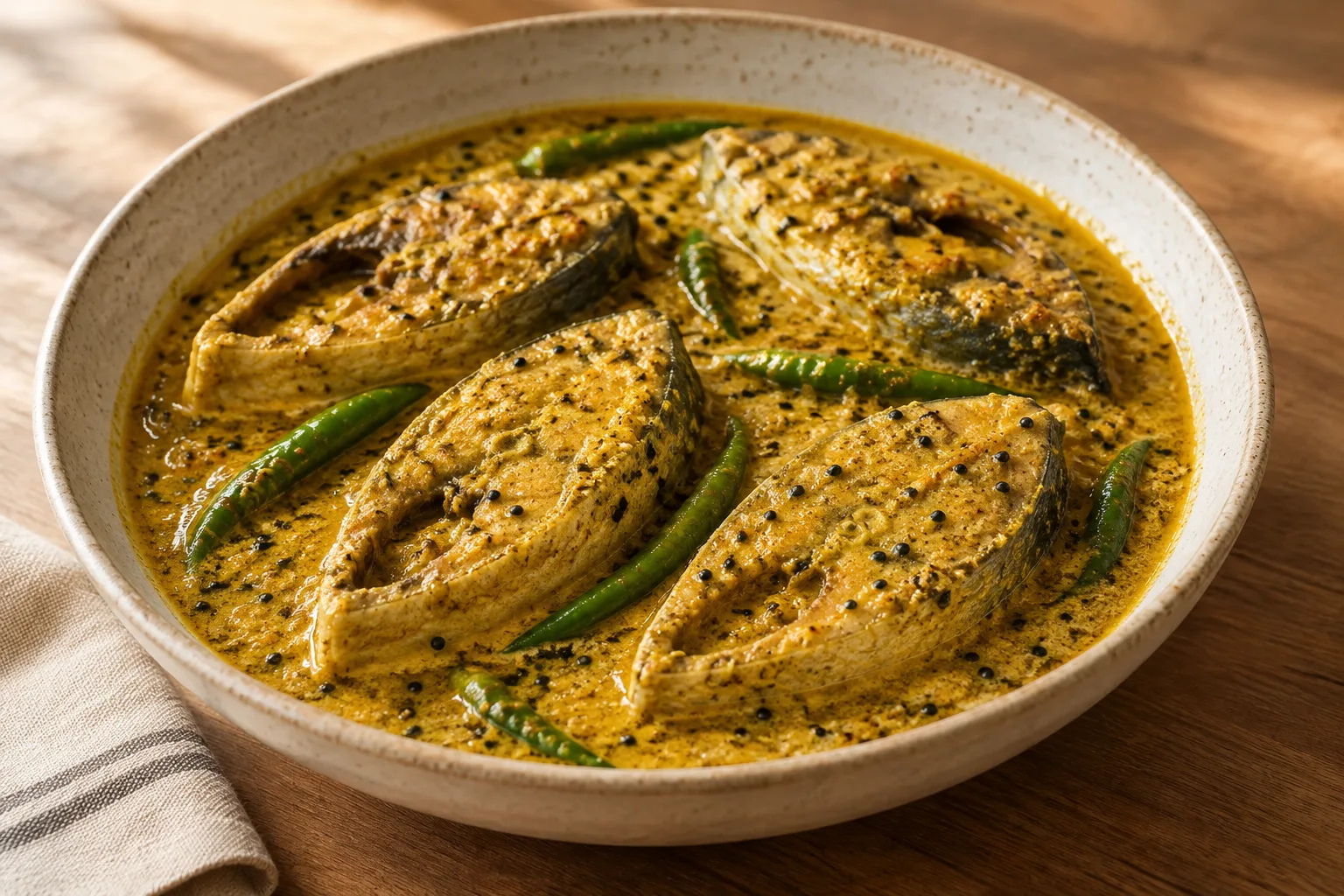
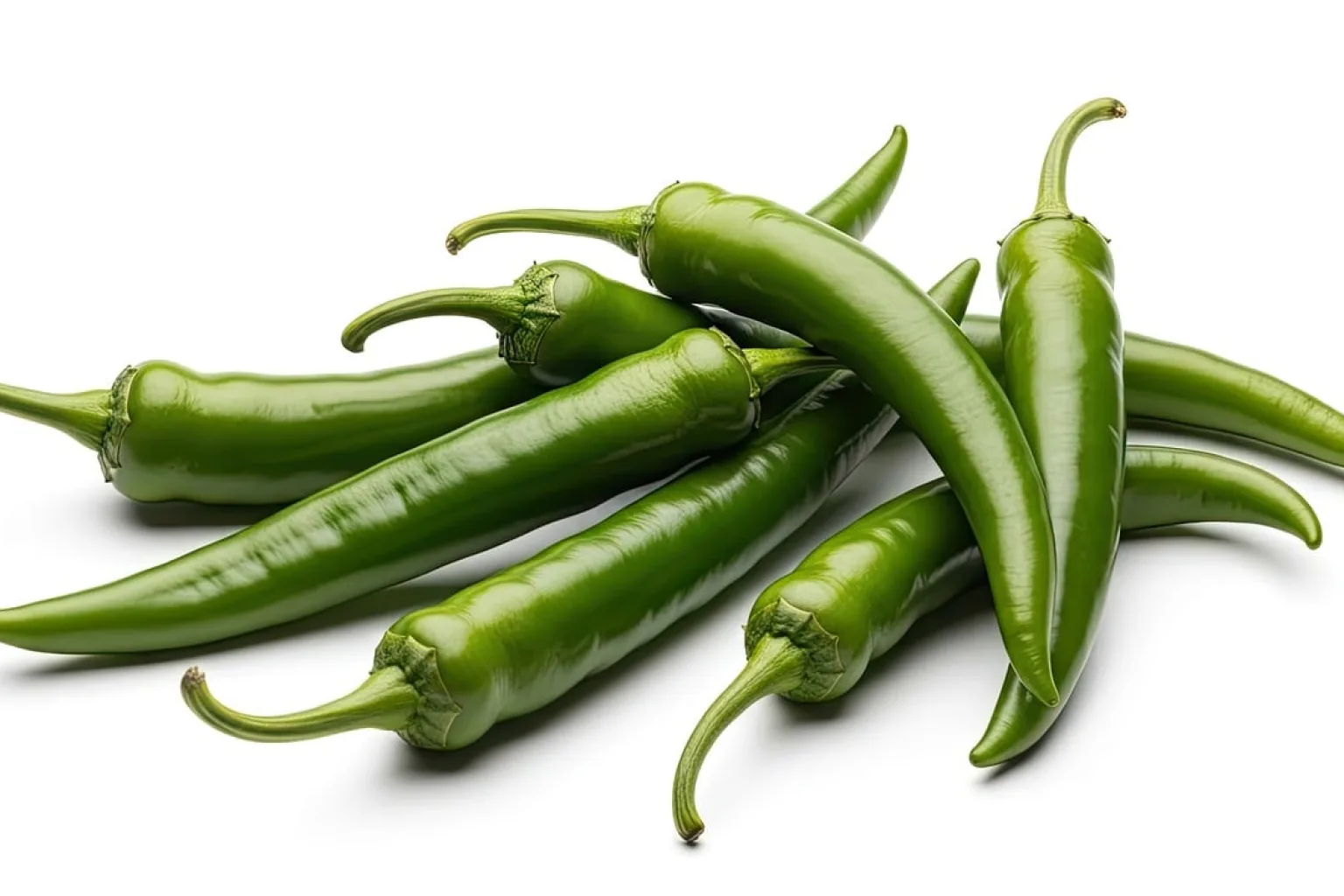
Green chilies is a broad name for fresh chilies that are green, not one single variety. The term can cover small, hot types as well as larger, milder ones, and the name used for a green chili can vary by region. In some types, green color corresponds to a stage before the chili ripens red, but color alone cannot identify the variety or predict its heat. Green chilies are sold fresh and can be used raw, cooked or roasted. Treat each chili as variable and taste a small amount before adding more to a dish.
When to use it
Use green chilies when you want to add heat and fresh vegetal flavor to salsa, stews or fillings. Different varieties do not necessarily have the same heat: choose a mild type when flavor matters more than burn, or a hotter one when you want the heat to stand out. In salsa, chilies can be combined with tomato, onion and garlic; roasting gives a different preparation and suits recipes that call for roasted chilies. For home-preserved products, do not improvise the process: use a tested recipe intended for the specific preserve.
How to use it
Before preparing green chilies, rinse them gently under cold running water and work with clean hands, surfaces and utensils. Remove the stem, split the chili and remove seeds and membranes if you want to reduce the heat; results depend on the variety, so taste a small piece first. Chop it for raw salsa or add it to a cooked dish. For roasting whole chilies, an extension guide describes roasting until the skin blisters and can be pulled away, then peeling; treat this as a cooking technique, not a canning instruction. For pickling or canning, follow a reliable, specific recipe: the preservation guide consulted says that canning chilies without added acid requires pressure processing.
Flavour and texture
Flavor and heat vary widely by variety: some green chilies are mild and fleshy, while others are small and very hot. They can bring a fresh vegetal character and a hot sensation, but green color alone does not tell you how intense a chili will be. Texture also varies, from thick flesh to thinner, crisp walls.
How to choose it
Choose fresh chilies that are firm, smooth and crisp, with bright color and no bruises, soft spots, mold or shriveled skin. Shape and size vary by variety and do not identify heat on their own. If heat matters, choose a variety described as mild or hot, then taste a small amount before using it throughout a recipe.
Storage
The available evidence does not establish a general storage period for whole fresh chilies, so a specific shelf life should not be assumed. For roasted chilies that will not be processed promptly, the preservation guide consulted recommends refrigerating them if two hours have passed since roasting. Keep this guidance for roasted chilies separate from advice about raw ones, and use a safe tested recipe for home preservation.
Substitutions
Another fresh green chili can replace it, but heat and texture may differ considerably; start with less and adjust after tasting. A green sweet pepper can work in some dishes when you want vegetal flavor with little or no heat, but it will not reproduce chili burn. The best choice depends on the ingredient's role in the recipe.
Common mistakes
Do not assume all green chilies have the same heat, or swap one for another in equal amounts without tasting. Another mistake is treating home pickling or canning methods as interchangeable for any chili: use a tested preservation recipe and do not improvise the processing.
Safety and allergens
Rinse chilies under cold running water and use clean surfaces and utensils. Hot chilies can irritate hands and eyes: wear gloves when handling them and avoid touching your face. Do not can chilies without added acid using an improvised method; follow tested preservation instructions.
Culinary uses
- Aporta picor y sabor vegetal fresco
- Da cuerpo y color a salsas y guisos
Recommended techniques
- Picar y usar crudo
- Asar y retirar la piel
- Cocinar en salsas y guisos
- Encurtir siguiendo una receta probada
Pairs well with
- Tomate, cebolla y ajo
- Vinagre, comino y orégano
- Guacamole y salsas
Frequently asked questions
Are all green chilies hot?
No. The name covers varieties with very different heat levels, from mild to very hot. Color cannot reliably predict heat, so taste a small amount.
How can I make a chili less hot?
Removing seeds and membranes may reduce the heat, although the result depends on the chili. Handle it carefully and taste before adding it to the whole dish.
Can I can chilies at home?
Yes, but only with a reliable recipe and a method suitable for the product. The consulted guide says chilies without added acid require pressure canning; do not improvise times or methods.
Sources and review
Automatically researched, cross-checked and validated content. Sources consulted:
- Client Challenge doi.org
- Agencia Española de Seguridad Alimentaria y Nutrición aesan.gob.es
- Salsa de Tomate y Chile Verde (Spanish) - National Center for Home Food Preservation nchfp.uga.edu
- El chile, ingrediente esencial en la cocina de México - Formacion en Gastronomia formacionengastronomia.com
- Los chiles mejicanos y sus variedades expogourmetmagazine.com
- How to Preserve Chiles | USU extension.usu.edu
- Vamos a Conservar Alimentos: Chiles/Pimientos extension.psu.edu
- Salsa and Chiles with ICE Alumna and Chef Ivy Stark of Dos Caminos | Institute of Culinary Education ice.edu
- Canning Green Chile | New Mexico State University - BE BOLD. Shape the Future. pubs.nmsu.edu
- Two Months Into Culinary School - Escoffier escoffier.edu
- Community Cookbook - FAO UNC Eshelman School of Pharmacy faopharmacy.unc.edu
- Chiles Verdes Frescos — Open Spice Box openspicebox.com
- El CHILE como alimento amc.edu.mx