- Category
- Vegetables
- State
- Fresh
- Usual unit
- unit
What it is
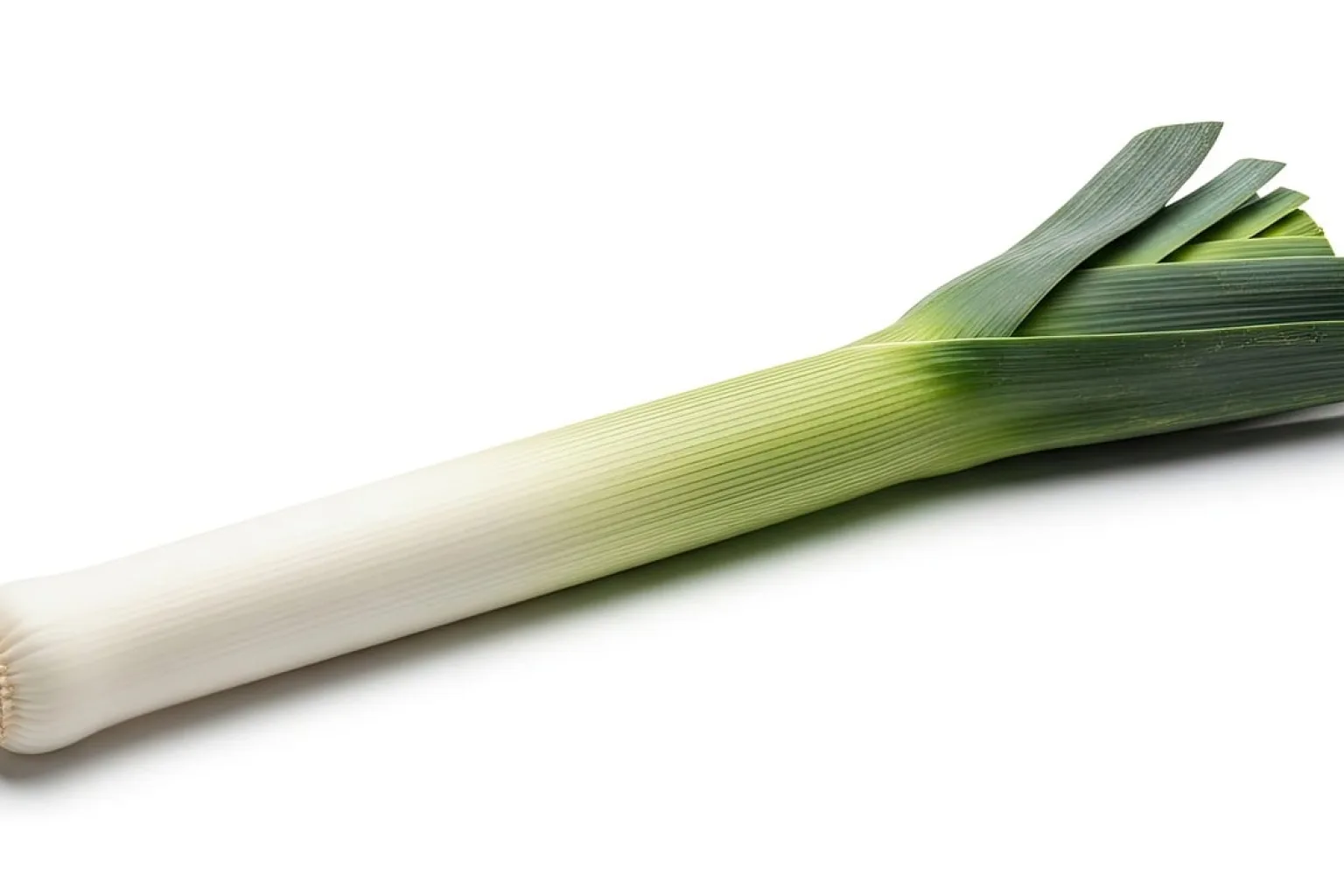
A green onion is an elongated vegetable used both raw and cooked. Its white and green parts can be used in different ways: the white base is generally milder and somewhat sweet, while the green portion brings a more pronounced aromatic finish. Slice or chop it for soups, noodles, stir-fries, sauces and bowls, or use it as a finishing ingredient when you want freshness and texture. The strength of the flavor can vary, so taste as you go and adjust the amount to suit the dish. Green onion is especially useful when you want an onion-like note that feels fresh and relatively light rather than strongly assertive.
When to use it
Use green onion when a dish would benefit from a fresh, aromatic note without the more pronounced flavor of a yellow onion. The white part can go into a stir-fry early to build a mild base; the green part often works best near the end of cooking or just before serving. Raw, it can add freshness to salads and cold noodles. It also makes a useful addition to soups, sauces, bowls and dumplings. If you want a delicate result, start with a small amount, taste the dish, and add more as needed.
How to use it
Trim away any portions you do not want to use, then slice or chop the green onion to suit the dish. For a stir-fry, add the white part or base first and cook it briefly; add the green portion later to retain more of its fresh character. In soups and broths, stir it in near the end or scatter it over the dish when serving. Use it raw over salads, cold noodles, bowls or dumplings. It pairs well with soy sauce, sesame, ginger and spicy seasonings; rice vinegar or citrus can add a contrasting acidity. Adjust the amount to taste, since the intensity may vary from one bunch to another.
Flavour and texture
Green onion tastes fresh and aromatic, with gentle sharpness and a delicate sweetness. The white part is usually milder and sweeter, while the green part gives a more pronounced finish. Raw slices can add a crisp texture; brief cooking lets them blend into a dish while retaining some of their character.
How to choose it
Choose straight, firm stalks with vivid green color and no yellowed or dried patches. Check that the base is not deteriorated or excessively wet and that the bunch looks fresh. For a more substantial cooking base, look for a firm, well-proportioned white part. If you plan to serve it raw or use it as a garnish, prioritize fresh-looking stalks with good firmness.
Storage
The available information recommends choosing green onions that are fresh or properly refrigerated, but it does not establish a specific storage duration or method. At home, follow the package directions or local official guidance for fresh vegetables. Check the bunch before use and remove deteriorated portions. Do not assume that green color alone proves the product is still in good condition.
Substitutions
Yellow onion can stand in when green onion is unavailable, but its flavor is stronger and more earthy, so start with less and adjust. Garlic shoots can bring a more pronounced character. Scallions are another option, though their sweetness and aromatic strength can vary. None of these substitutes exactly reproduces the contrast between green onion’s white and green parts.
Common mistakes
Do not assume the white and green parts have exactly the same flavor: the base is generally milder, while the green portion works well as a fresh finish. Adding all of the green onion at the beginning of cooking can diminish the freshness it brings as a garnish. Avoid automatically substituting yellow onion or garlic shoots in equal amounts, since their flavors may be stronger.
Safety and allergens
The available sources do not identify a green-onion-specific safety warning. Treat it as fresh produce and follow official food-hygiene guidance applicable in your area; do not use deteriorated portions.
Culinary uses
- Aporte fresco y aromático para terminar platos
- Base suave de sabor para salteados, sopas y salsas
Recommended techniques
- Cortar y servir cruda
- Saltear brevemente la parte blanca
- Añadir la parte verde hacia el final de la cocción
- Picar o cortar en rodajas para usar como acabado
Pairs well with
- Salsa de soja y sésamo
- Jengibre y condimentos picantes
- Vinagre de arroz y cítricos
- Sopas, fideos y platos salteados
Frequently asked questions
Can green onions be eaten raw?
Yes. They can be served raw in salads and cold noodles, or scattered over a dish as a finishing touch.
Which part should go into a stir-fry first?
The white part or base can go in first; the green portion is often added near the end for a fresher finish.
What flavors pair well with green onions?
They pair well with soy sauce, sesame, ginger, spicy seasonings, rice vinegar and citrus.
Estimated nutrition
- Fat
- 0.47 g
- Saturates
- 0.16 g
- Carbohydrate
- 5.74 g
- Sugars
- 3.91 g
- Fibre
- 1.8 g
- Protein
- 0.97 g
- Salt
- 0.04 g
Sources and review
Automatically researched, cross-checked and validated content. Sources consulted:
- The Essential Glossary of Cooking Terms for the Culinary Arts - Escoffier escoffier.edu
- La cebolla, ese humilde ingrediente tan fundamental | Gastronosfera gastronosfera.com
- Usos culinarios apropiados de las variedades de plátano verde barraganete, dominico y maqueño, en la gastronomía ecuatoriana. | Revista de Gastronomía y Cocina doi.org
- The Case of Pablo Neruda's Odas elementales and Food digitalcommons.sacredheart.edu
- Agencia Española de Seguridad Alimentaria y Nutrición aesan.gob.es
- UCCE efforts improve quality of and demand for fresh ... ucanr.edu
- Salsa de Tomate y Chile Verde (Spanish) - National Center for Home Food Preservation nchfp.uga.edu
- La cebolla, la base de la gastronomía española - Enrique Romay eromay.com
- Green Onion - Cebolla Verde - Extension Fond du Lac County fonddulac.extension.wisc.edu
- Chef Pati Jinich returns for the university's Ven a Comer celebration - UT San Antonio Today news.utsa.edu
- Memory Dishes simmonscenter.brown.edu
- Bingo Salsa (1st Grade) coloradosph.cuanschutz.edu
- Comparativa de los Mejores Productos para Usar Cebolla Verde en Comida Asiática: Guía y Análisis thaibistro.es