- Category
- Nuts and seeds
- State
- Powdered
- Usual unit
- g
What it is
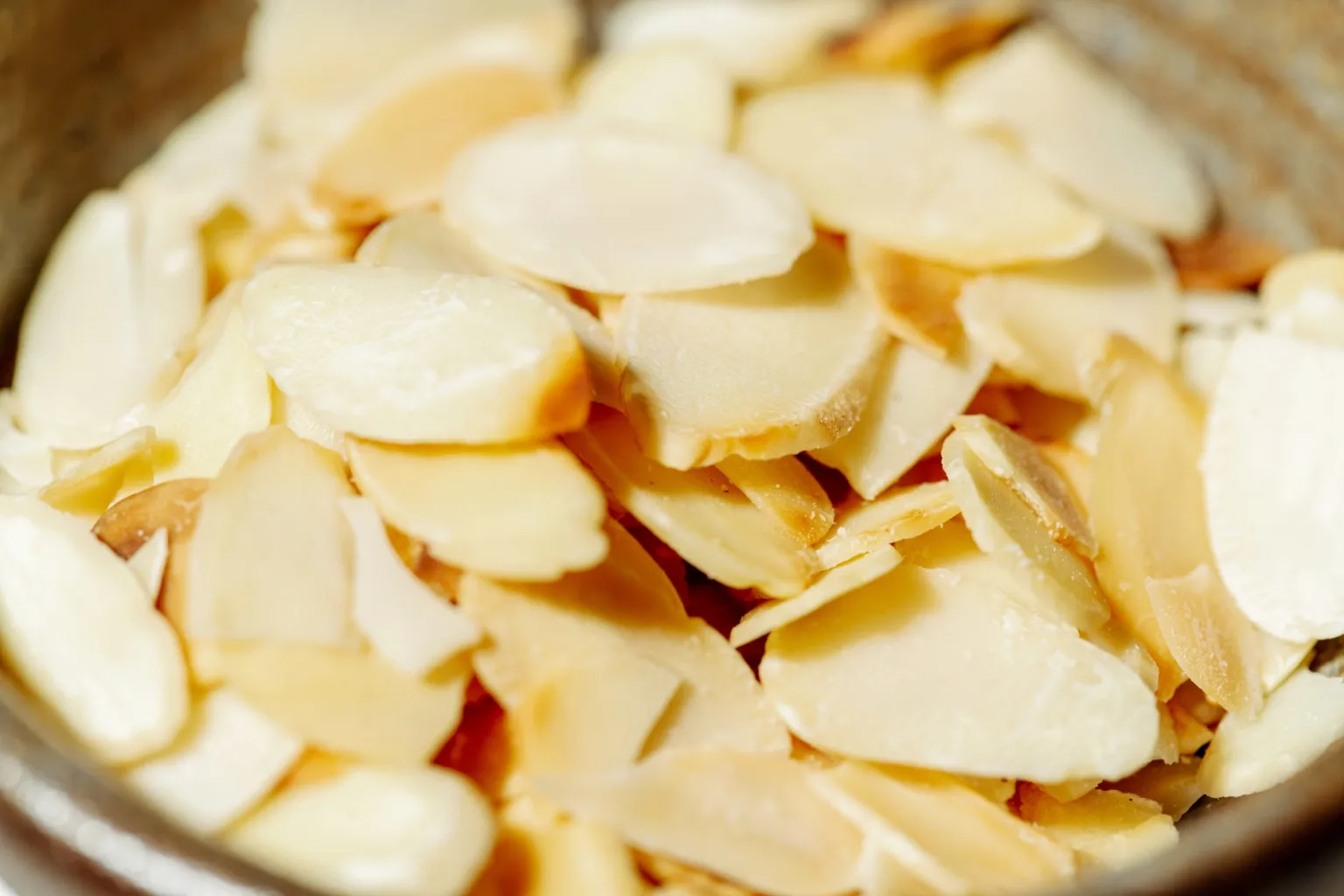
Ground almonds are made by crushing almonds to a texture ranging from granular to very fine. They may also be called almond flour or almond meal, but those names do not always guarantee an identical grind. The almonds may be blanched, giving a pale colour and a more delicate finish, or ground with their skins for a more rustic appearance. Ground almonds are used in sweet baking as well as savoury preparations. They are not cereal flour, so their behaviour in a recipe can differ from that of wheat flour. Check the product description to see whether the almonds are blanched or skin-on and how finely they are ground.
When to use it
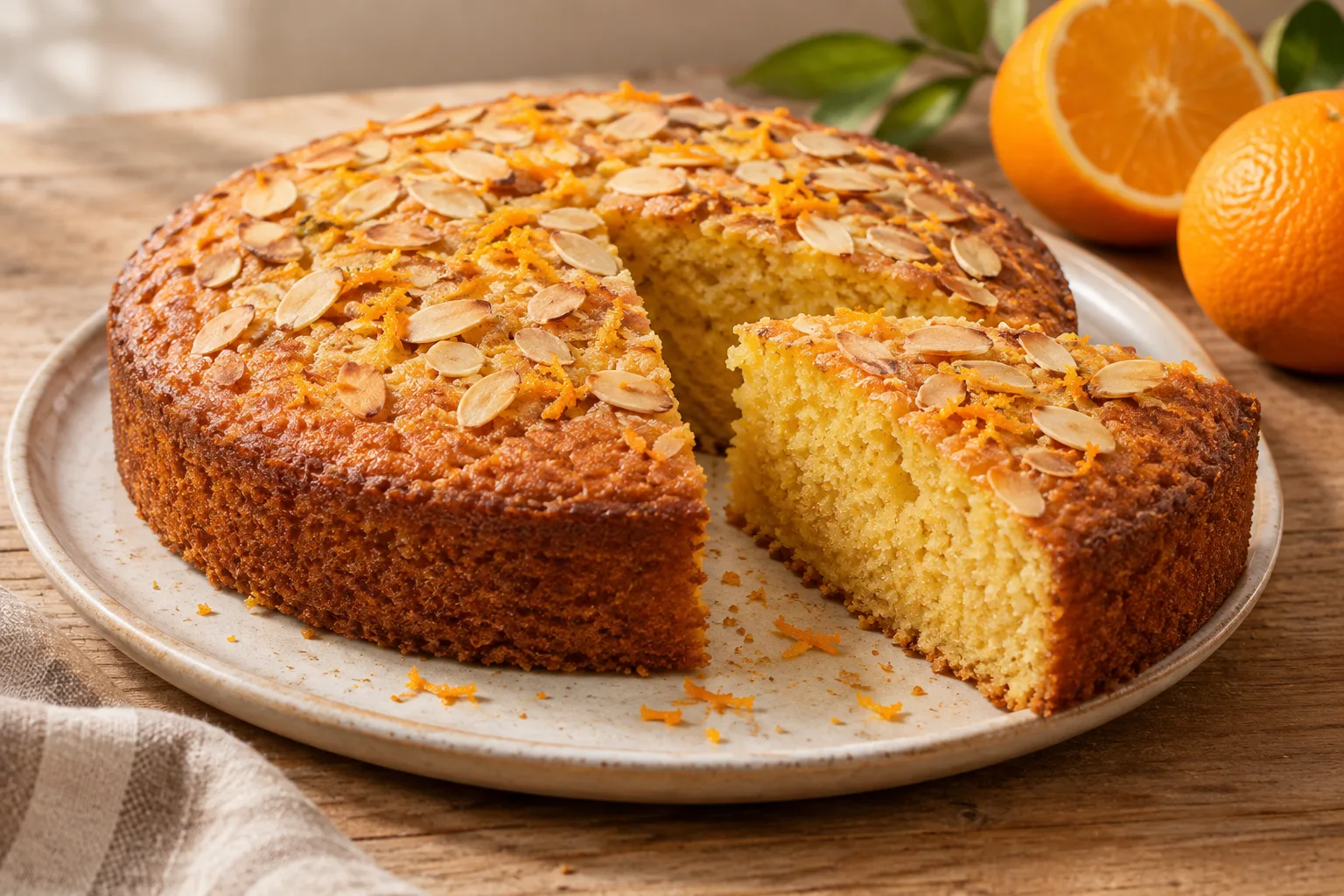
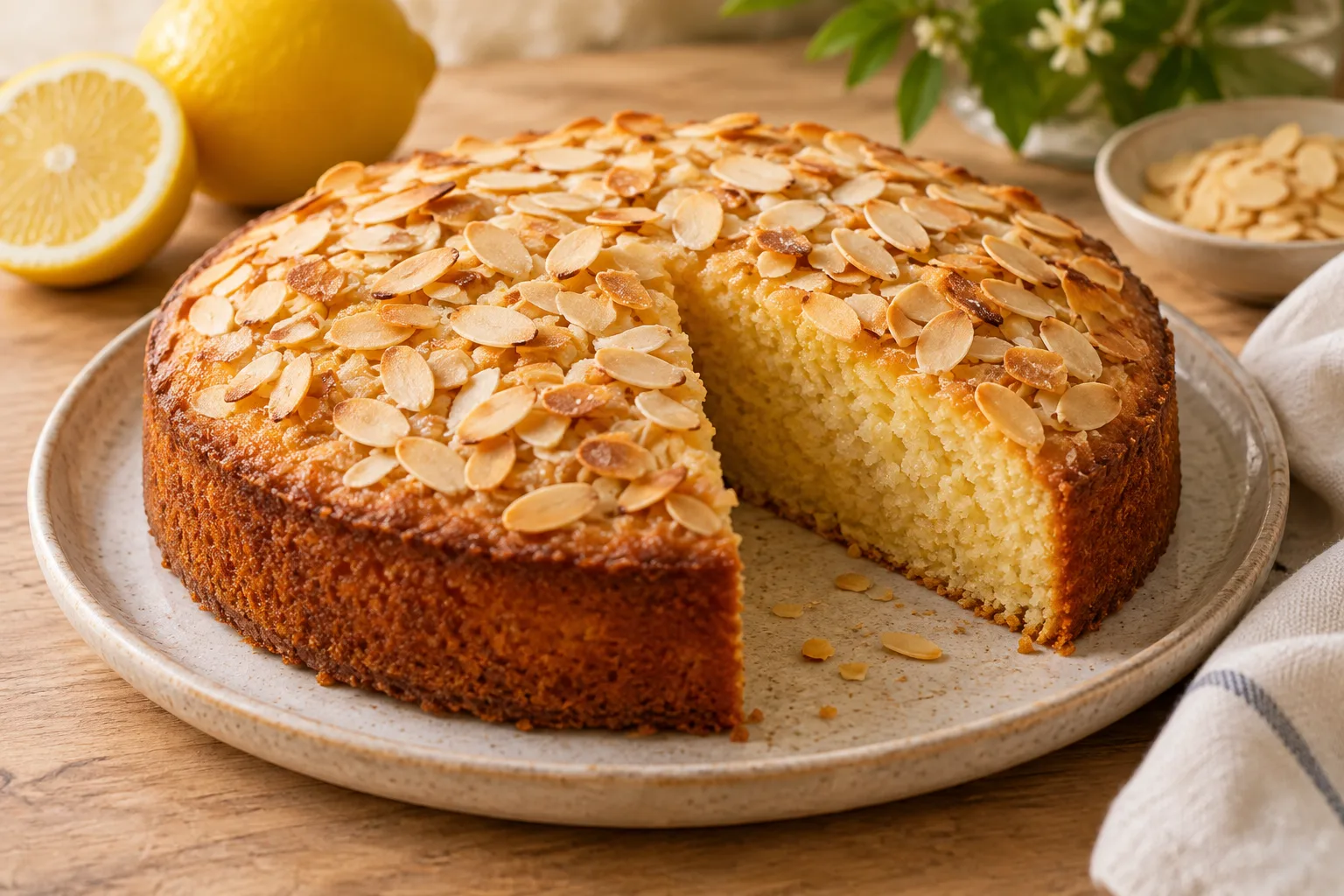
Use ground almonds when a recipe calls for almond flavour, added richness in a mixture, or body in a sauce or cream. A fine grind suits recipes where a delicate finish is wanted, while a coarser grind gives a more noticeable texture. Ground almonds are used in biscuits, cakes, tarts, marzipan and other sweets, as well as in coatings and savoury dishes. Do not assume they can be exchanged for wheat flour in the same amount: how well a substitution works depends on the recipe.
How to use it
First check whether the almonds are blanched or skin-on and whether the grind is fine or coarse. Measure the amount required by your recipe and combine with the other dry ingredients when appropriate; for sauces and creams, add and mix until evenly distributed. In a dough or batter, do not assume ground almonds directly replace wheat flour: culinary sources note that the outcome depends on the recipe. Choose a fine grind for a smoother finish and a coarser or skin-on product for a more rustic texture. Ground almonds can also be used in coatings and savoury preparations.
Flavour and texture
Ground almonds have a characteristic almond flavour and a texture that depends on the grind: it may be granular or a fine powder. Blanched almonds generally produce a paler, more delicate-looking result; skin-on almonds make a more rustic product and can have a more pronounced almond flavour. If whole almonds are processed for too long, the powder can turn into a paste, so stop once the desired texture is reached.
How to choose it
Read the product name and ingredient list to confirm that you are buying ground almonds and check whether they are blanched or skin-on. Look at the grind: products may range from extra-fine or fine to coarser, and these give different results in recipes. If the pack lists allergens or possible traces, take that information into account, especially when cooking for someone with an allergy. Choose an intact pack and follow any usage instructions on its label.
Storage
Keep ground almonds tightly closed in a cool, dry place, away from light and heat, and follow any specific storage directions on the package. Homemade and commercially packed ground almonds may have different storage instructions, so use the directions for the product you have. Avoid leaving them exposed to air or near a heat source. If the label gives a date or storage guidance, use it as your reference.
Substitutions
Skin-on ground almonds can stand in for blanched ground almonds if a more rustic colour and texture and a stronger flavour are acceptable. A fine grind can replace a coarser grind when a smoother result is wanted, although the texture will change. Some recipes use wheat flour as a point of comparison or an alternative, but a swap does not always work in the same proportion; choose according to the recipe rather than assuming a direct equivalent.
Common mistakes
Do not assume all ground almonds have the same texture: they may be fine or granular, blanched or skin-on. Nor should almond flour be treated as a direct, universal replacement for wheat flour. If grinding almonds at home, stop when the desired texture is reached; continued processing can turn the powder into a paste. Finally, do not overlook the allergen information on the package.
Safety and allergens
Almonds are tree nuts and can cause an allergic reaction. If cooking for someone with an almond allergy, check the label and do not serve the product if you cannot confirm its ingredients and allergen information. Also follow the package directions for storage and use.
Culinary uses
- Base y enriquecedor de masas dulces
- Espesante y aporte de cuerpo para salsas y cremas
- Ingrediente para rebozados y preparaciones saladas
Recommended techniques
- Moler o triturar almendras hasta la finura deseada
- Incorporar a masas, salsas, cremas o mezclas para rebozar
- Elegir molienda fina o gruesa según la textura buscada
Pairs well with
- Chocolate y cacao
- Naranja y otros cítricos
- Frutas de hueso como cerezas, ciruelas y melocotones
- Mantequilla y vainilla
Frequently asked questions
Are ground almonds and almond flour the same?
The terms are sometimes used for crushed almonds, but the grind can vary. Check the product description and texture before using it.
Should I buy blanched or skin-on ground almonds?
Blanched almonds give a paler, more delicate finish; skin-on almonds look more rustic and can taste more pronounced. Choose for the texture and appearance the recipe needs.
Can I replace wheat flour with ground almonds?
Not in every recipe, and not on the assumption that the amounts are interchangeable. The result can change and depends on the recipe.
How should ground almonds be stored?
Keep them tightly closed in a cool, dry place away from light and heat, and follow the specific directions on the package.
Sources and review
Automatically researched, cross-checked and validated content. Sources consulted:
- En el etiquetado alimentario hay algunas menciones que son obligatorias eletiquetadocuentamucho.aesan.gob.es
- Client Challenge doi.org
- Aesan - Agencia Española de Seguridad Alimentaria y Nutrición aesan.gob.es
- Arroz con leche - Wikipedia, la enciclopedia libre es.wikipedia.org
- Variedades de almendras - Guía de tipos, calidades y abastecimiento | Nutrada nutrada.com
- Almendra: usos, variedades y combinaciones en pastelería pastrypedia.net
- Redescubre la almendra, el fruto seco más popular: sus propiedades, usos en la cocina y cinco recetas para disfrutarla directoalpaladar.com
- ▷ Recetas con harina de Almendra: Recetas Saladas Fáciles | Blog turronesydulces.com
- Almendra, la bomba de salud que es la base de la cocina dulce mediterránea lavanguardia.com
- Almendra procesada, lo que debes saber para conocer este fantástico producto | Almendras de la mancha almendrasdelamancha.com
- Almendra Molida a Granel | Harina de Almendra Nacional | Secofrut secofrut.com
- Harina de almendra, sus beneficios y usos en la cocina abc.es
- La Almendra: Un Tesoro Nutricional y Culinario formacionavanzadaeuropea.com
- Almendra Cruda Molida 250 grs shop.especiascrespi.com
- almendra molida - 4,330 recetas caseras- Cookpad cookpad.com
- Almendra molida - Frutos Secos David frutossecosdavid.es
- 5 recetas con harina de almendras muy saludables cuerpomente.com