- Category
- Herbs and spices
- State
- Powdered
- Usual unit
- teaspoon
What it is
Ground white pepper is the dried, milled fruit of Piper nigrum. To make the white variety, ripe fruits are processed to remove their outer covering, a process that can include soaking and peeling; the remaining pepper is then dried and ground. It is therefore different in processing from black pepper, although both come from the same plant. Its pale color is useful when seasoning a light-colored sauce or cream without leaving the dark specks associated with ground black pepper. The peppery heat and aroma can vary between products and processing methods, so taste and adjust rather than assuming every jar will have the same strength.
When to use it
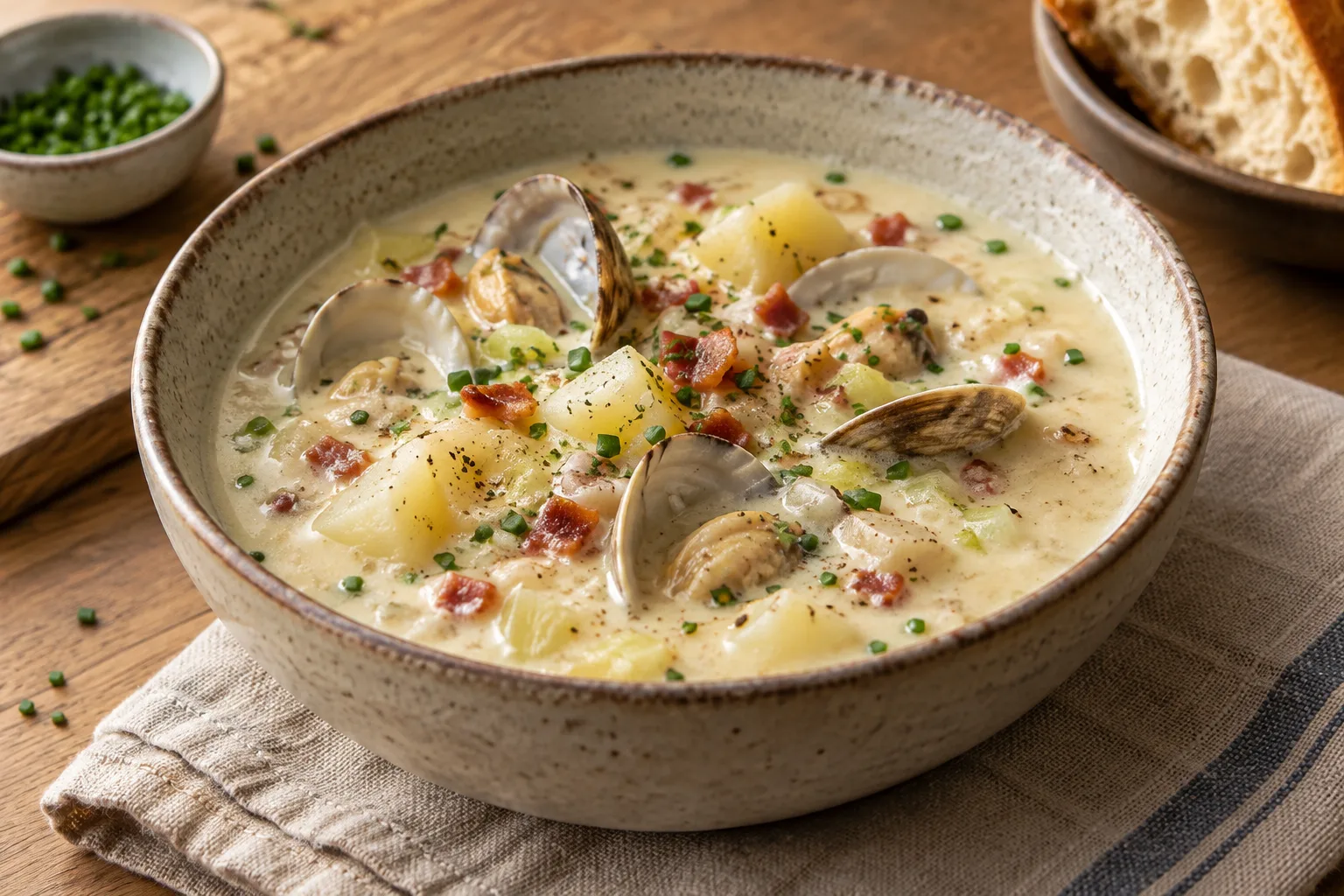
Choose ground white pepper when you want a peppery seasoning in a pale dish and would rather avoid dark flecks. It is used in béchamel and other light sauces, creamy soups, purées, and similar dishes. It also pairs with fish and seafood, poultry, eggs, and vegetables. Because it is already ground, it is easy to blend into mixtures and convenient for quick seasoning. Start with a little and taste before adding more, especially if you are unfamiliar with the product or brand.
How to use it
Stir ground white pepper into the dish and mix well so it is distributed evenly. In béchamel, pale sauces, soups, and purées, add it gradually and taste as you go: its light color does not mean that its flavor will be undetectable. You can also combine it with salt, herbs, or other seasonings for fish, poultry, eggs, or vegetables, or mix it into a marinade. If the recipe involves cooking, it can be stirred in during preparation; for more control, hold back some seasoning and adjust after tasting near the end. There is no universal measure, because the right amount depends on the dish and the strength of the product.
Flavour and texture
Ground white pepper has a pale color and a fine, dry texture that disperses readily through liquids and seasoning blends. Its profile can be described as warm and peppery, with earthy notes; the aroma and heat vary among products. Compared with black pepper, it is less visible in a light-colored sauce, but it should not automatically be assumed to be milder. Begin with a small amount, taste, and adjust.
How to choose it
Choose a clearly labeled product that identifies itself as ground white pepper, and check the ingredient list and the manufacturer’s directions. If preserving the pale appearance of a sauce matters, make sure the product is white pepper rather than a mixed seasoning. Ground pepper is ready to use, though you cannot choose the grind size. If the package lists possible traces or other allergen information, take that labeling into account when buying.
Storage
Follow the package directions first. One product recommendation is to keep ground white pepper in a cool, dry place. Close the container between uses and avoid leaving it near moisture or steam, which can affect the powder’s texture. No universal storage period is established here; check the manufacturer’s date and guidance, and discard the product if you notice unusual changes.
Substitutions
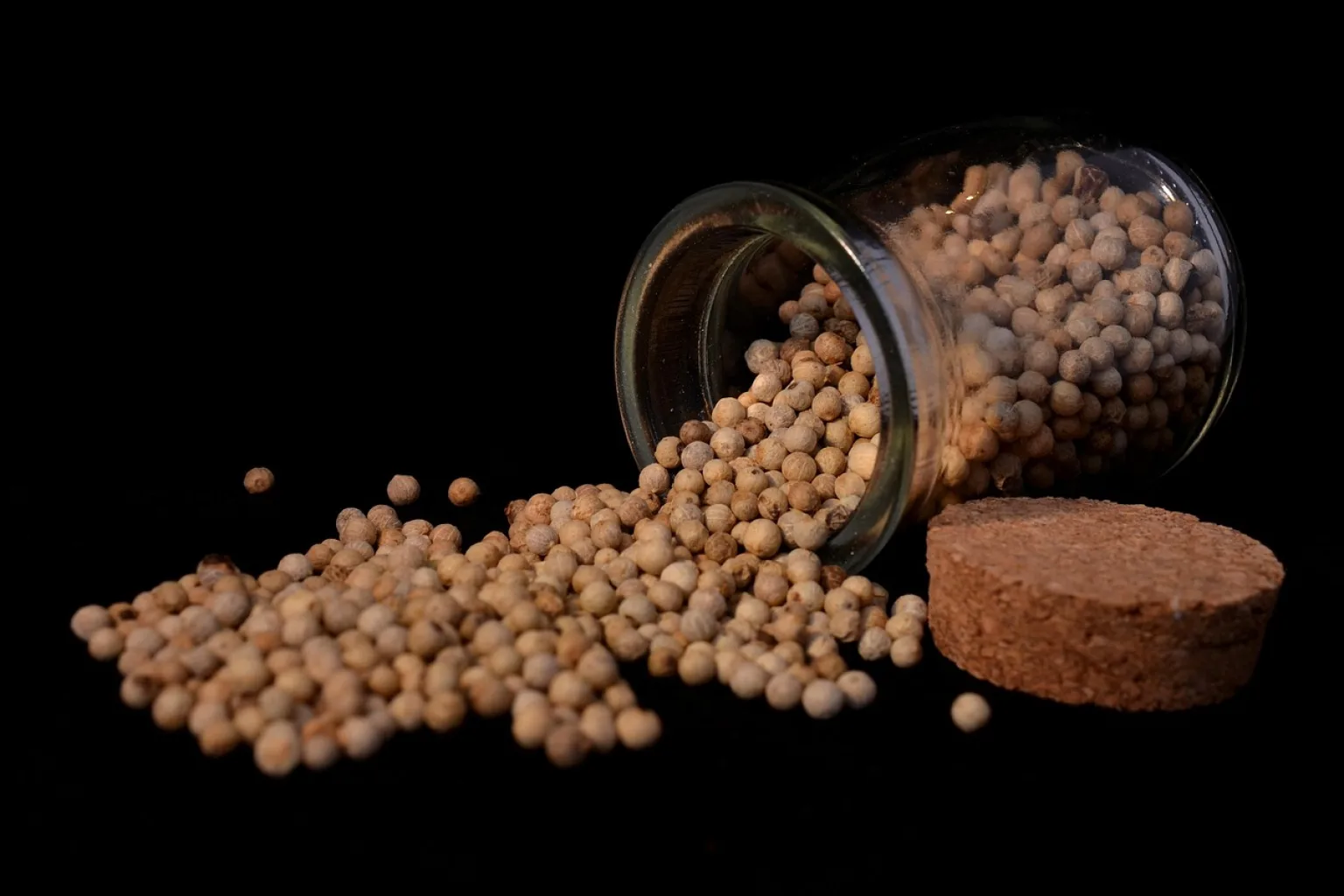
Ground black pepper can stand in when dark flecks are acceptable and a different flavor is welcome. Whole white peppercorns are another option: grind them before use to get a powder that can be stirred into the dish. Either substitution may change the appearance or intensity, so begin with a small amount, taste, and adjust instead of assuming an exact one-to-one match.
Common mistakes
Do not add a large amount at once just because the powder is pale: white pepper can still bring noticeable heat. Do not mistake it for ground black pepper when the appearance of a light sauce matters. Taste before correcting the seasoning, since intensity can vary from product to product.
Safety and allergens
Use a product sold for food use and follow its label. Check ingredient and possible-trace information if you need to avoid an allergen; no specific white-pepper safety warning is established here.
Culinary uses
- Seasoning
- Adding peppery warmth without visible black flecks
Recommended techniques
- Stir into sauces, soups, purées, or other mixtures
- Mix into a marinade or seasoning blend
Pairs well with
- Béchamel and other pale sauces
- Creamy soups and purées
- Fish and seafood
- Poultry, eggs, and vegetables
Frequently asked questions
Do white and black pepper come from the same plant?
Yes. Both come from Piper nigrum, but they are processed differently; white pepper is made by removing the fruit’s outer covering.
Why use white pepper in pale sauces?
Its light color seasons a dish without the visible dark flecks that ground black pepper can leave.
Is white pepper always less hot than black pepper?
Do not assume that. Products can differ, and descriptions of their aroma and heat are not identical. Start with a little, taste, and adjust.
Sources and review
Automatically researched, cross-checked and validated content. Sources consulted:
- Client Challenge doi.org
- The Essential Glossary of Cooking Terms for the Culinary Arts - Escoffier escoffier.edu
- Los tipos de pimienta: blanca, verde, rosa y negra - Gallina Blanca gallinablanca.es
- Pimienta Blanca paprimur.es
- educational content to support healthful lifestyle practices sjsu.edu
- CR tested for heavy metals in 15 herbs and spices, from .. ... ucanr.edu
- Vamos a Conservar Alimentos: Proceso Rápido para preparar Pepinillos en Vinagre extension.psu.edu
- Galenic Medicine and Women's Recipes in the Early etd.ohiolink.edu
- Azahares 2024 uafs.edu
- Informe de resultados del estudio prospectivo para la ... aesan.gob.es
- Pimienta blanca molida | Usos y beneficios jetextramar.com
- Pimienta Blanca Molida 100g - Compra Online | Cocinista.es cocinista.es