- Category
- Vegetables
- State
- Fresh
- Usual unit
- g
What it is
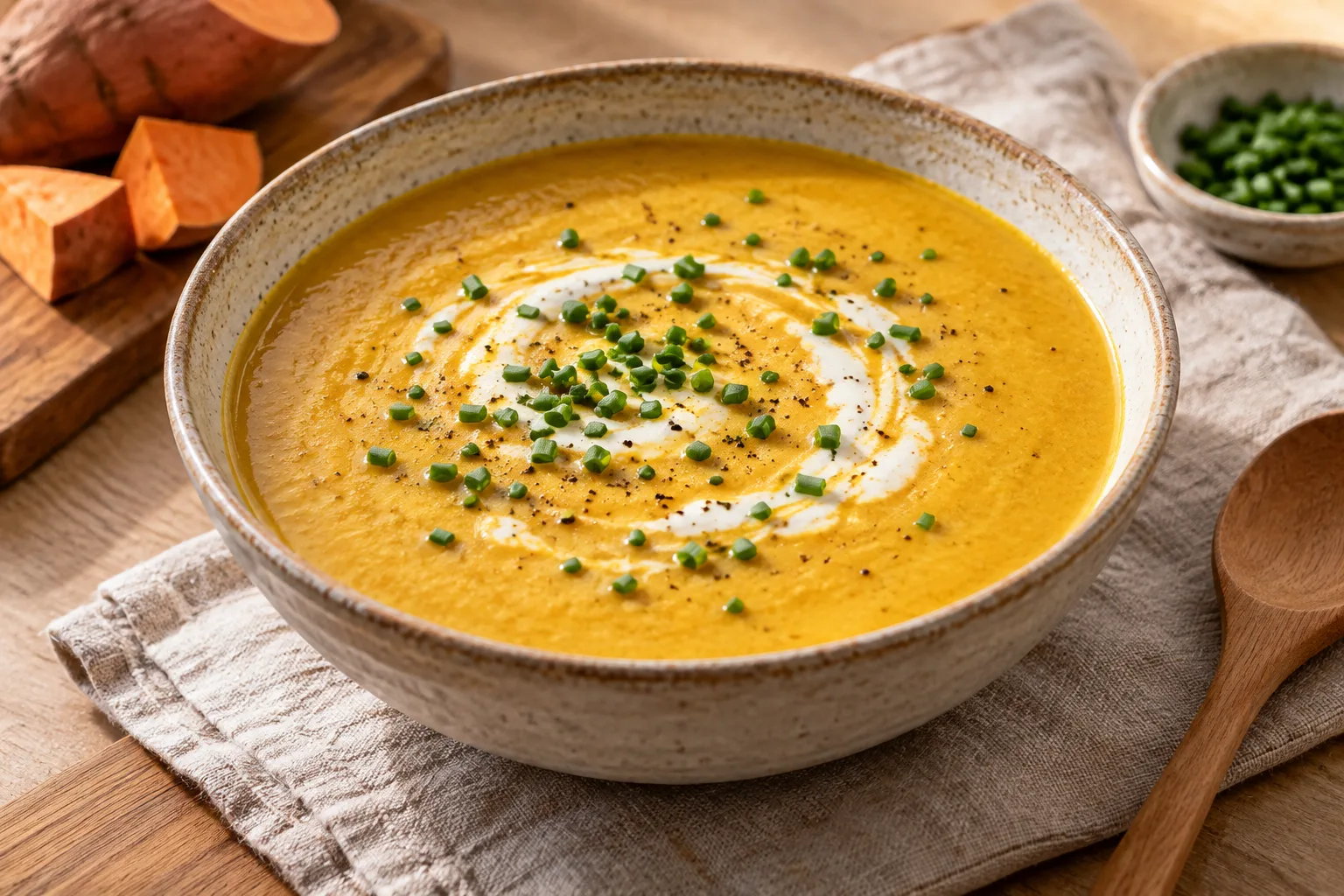
Kumara is a name for sweet potato, the edible root of Ipomoea batatas. Despite sometimes being called a sweet potato, it is not a white potato: it belongs to the Convolvulaceae family. Varieties can have white, cream, yellow, orange, reddish, or purple skin and flesh. Color, sweetness, and texture vary, so the name alone does not tell you exactly how a particular root will cook. Sweet potato can be served as a side or used in soups, salads, mash, and sweet dishes. It is also different from true yam, which belongs to a separate plant group. In the kitchen, treat the variety and the desired texture as part of your choice, rather than assuming every kumara will behave identically.
When to use it
Use kumara when you want a naturally sweet root with enough substance to anchor a side dish or add body to a meal. Roast or bake it to serve alongside other foods; boil and mash it for a smooth accompaniment; or cook and dice it for soups and salads. It can stand in for white potato in recipes that suit a cooked root, though its sweetness and texture will change the result. Orange-, pale-, and purple-fleshed varieties are not interchangeable in every respect. Choose according to the color and texture you want, and allow for variation rather than expecting every variety to taste the same.
How to use it
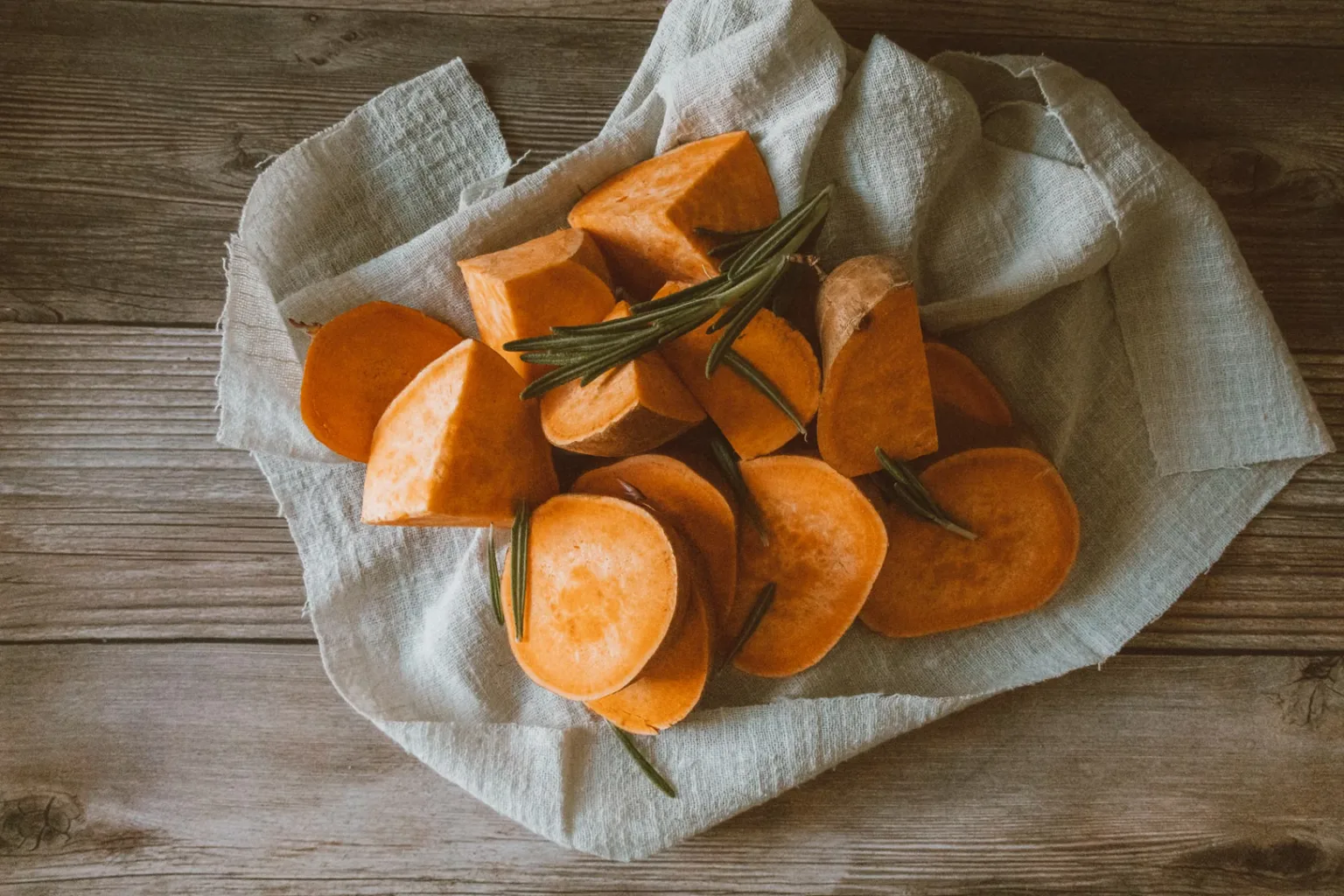
Before cooking, scrub the skin well under running water to remove soil; the skin is edible. To bake a whole root, pierce it several times with a fork so steam can escape. Alternatively, cut it into cubes, boil until tender, drain, and mash. Add water, broth, or milk gradually if you want a smoother purée and the liquid suits the dish. Cooked pieces can be added to soups or salads. To roast, cut the root into wedges, coat lightly with oil, and arrange in a single layer; add herbs or spices if desired. Sweet potato can also be fried. Cooking results vary by variety, so account for differences in flesh color, sweetness, and texture when adapting a recipe.
Flavour and texture
Sweet potato has a naturally sweet flavor, which can become more pronounced when roasted. Texture depends on both variety and cooking method: the flesh may be creamy, firm, dry, or dense. Orange, pale, and purple varieties do not necessarily have the same sweetness or mouthfeel. Once cooked until tender, the flesh can be mashed into a purée; carefully cooked pieces can also hold their shape. The skin is edible after thorough washing.
How to choose it
Choose roots that feel firm and show no obvious soft or decayed areas. For whole baking or cutting into wedges, pick roots that are a practical size and shape for your recipe. Skin color does not always reveal flesh color: varieties differ in both. If the color or texture matters to your dish, check the label or ask which variety is being sold. Handle the roots gently, as bruising and cuts can affect their quality.
Storage
Keep sweet potatoes in a cool, dry place and avoid household refrigeration: an agricultural extension source warns that cold can harm their quality. They may be more perishable than expected, so plan to use them promptly; one food guide recommends using them within a week of purchase. Discard roots with obvious spoilage rather than trying to use affected areas. Storage guidance can vary with the product and home conditions, so avoid assuming that all roots will keep equally well.
Substitutions
White potato can replace sweet potato in dishes that suit a cooked root, but it will not bring the same sweetness or necessarily the same texture. You can also swap one sweet potato variety for another: the varieties are edible forms of the same species, but flesh color and qualities vary. Adjust seasoning and the intended use accordingly. Do not treat true yam as simply another sweet potato variety; they are botanically different foods.
Common mistakes
Do not assume every sweet potato has orange flesh, or that the words “yam” and “sweet potato” always refer to the same food. Varieties differ in color and texture. Avoid refrigerating the roots according to the available extension guidance, and scrub them well if cooking with the skin on. Add liquid gradually when making mash so you can control its consistency. Replacing sweet potato with white potato will also change the flavor.
Safety and allergens
Wash and scrub the surface thoroughly before cooking, especially if you plan to eat the skin. Discard roots with obvious spoilage. Follow ordinary food-hygiene practices when handling produce, and clean utensils and surfaces after preparation.
Culinary uses
- starchy side dish
- soup and salad ingredient
- base for mash or purée
- sweet or savory baking ingredient
Recommended techniques
- roasting
- baking
- boiling
- mashing
- frying
Pairs well with
- beans
- broccoli
- feta
- Greek yogurt
- olive oil
- salt and pepper
- herbs and spices
Frequently asked questions
Are kumara and sweet potato the same?
Kumara is a name used for sweet potato. Names vary by region, and varieties can differ in flesh color and texture.
Is sweet potato a potato or a yam?
Neither. Sweet potato is the edible root of Ipomoea batatas in the Convolvulaceae family. White potato and true yam are different foods.
Can you eat sweet potato skin?
Yes. The skin is edible; scrub and wash it thoroughly before cooking.
Sources and review
Automatically researched, cross-checked and validated content. Sources consulted:
- Client Challenge doi.org
- Ipomoea batatas - Wikipedia, la enciclopedia libre es.wikipedia.org
- Sweet Potatoes • The Nutrition Source nutritionsource.hsph.harvard.edu
- The Quality of Sweet Potato Chips as Influenced by Variety, ... repository.lsu.edu
- Sweet Potato Harvest, Curing and Storage // Missouri Produce Growers Bulletin // Integrated Pest Management, University of Missouri ipm.missouri.edu
- Q: Are the words sweet potato and yams interchangeable? - UF/IFAS Extension Nassau County blogs.ifas.ufl.edu
- Why purple sweet potatoes belong on your holiday table | University of California universityofcalifornia.edu
- Uses Selection Try It! fonddulac.extension.wisc.edu
- Kumara Chips - Receta Tradicional de Nueva Zelanda | 196 flavors 196flavors.com
- Batata (Ipomoea batatas, L.) tubérculo nutritivo y saludable. Revisión | Artículo de revisión | Volumen 75 alanrevista.org
- Batata o boniato | Gastronomía & Cía gastronomiaycia.com
- ¿Boniato o Batata? Mitos y curiosidades de este tubérculo naranjasdaniel.com