- Category
- Fruit
- State
- Fresh
- Usual unit
- unit
What it is
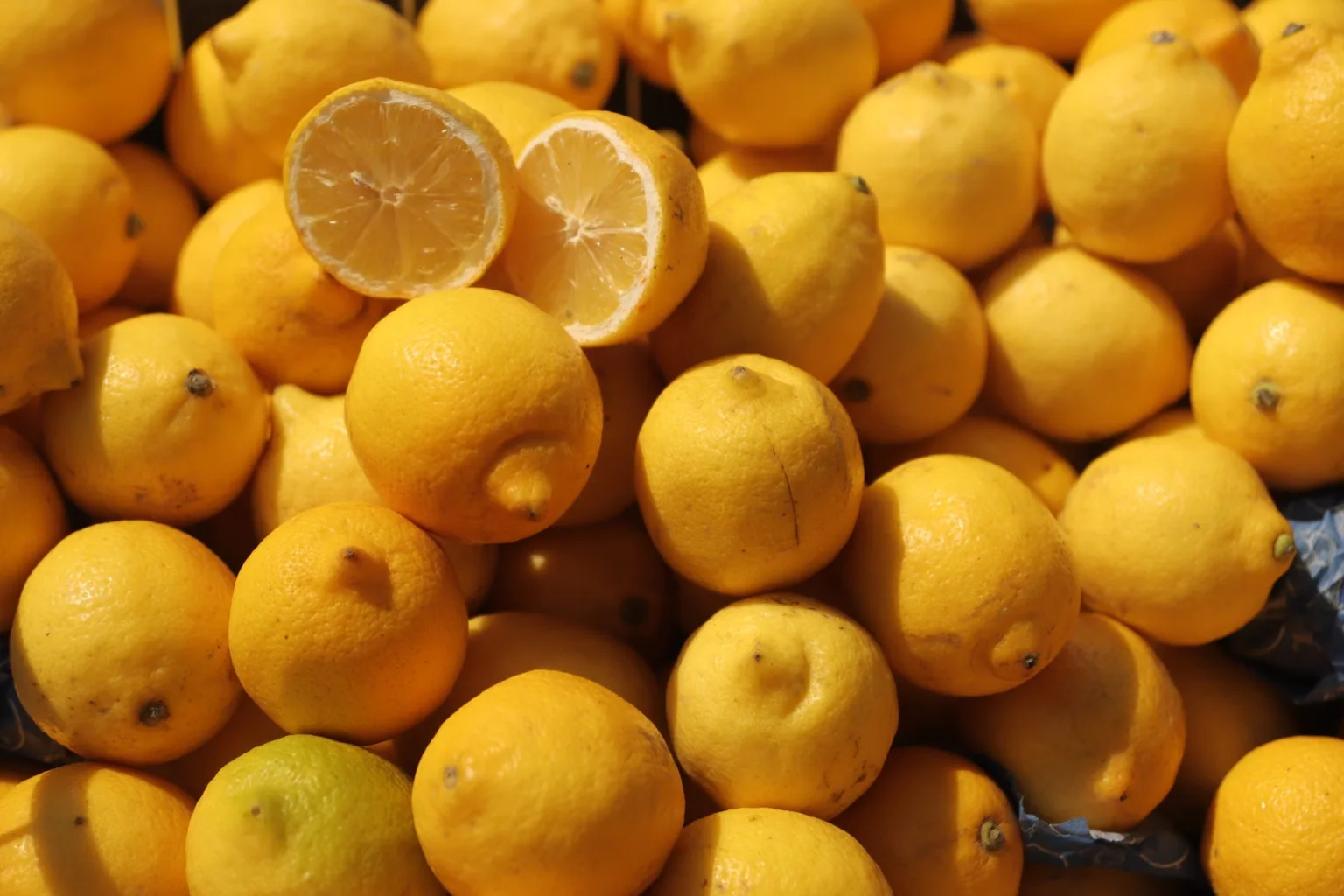
A lemon is a fresh citrus fruit used in cooking for both its juice and its peel. It can act as an acidic, aromatic seasoning, or become a main ingredient in a sauce, drink, dessert, or marinade. Lemons vary by variety in shape, size, juice yield, seeds, peel thickness, and acidity. A greener or differently sized fruit is therefore not necessarily a different kind of ingredient, and it may not produce exactly the same result as another lemon. It is useful to think of the fruit as offering two distinct contributions: juice adds acidity, while the yellow zest adds aroma. The white layer beneath the colored peel can taste bitter, so avoid grating deeply into it.
When to use it
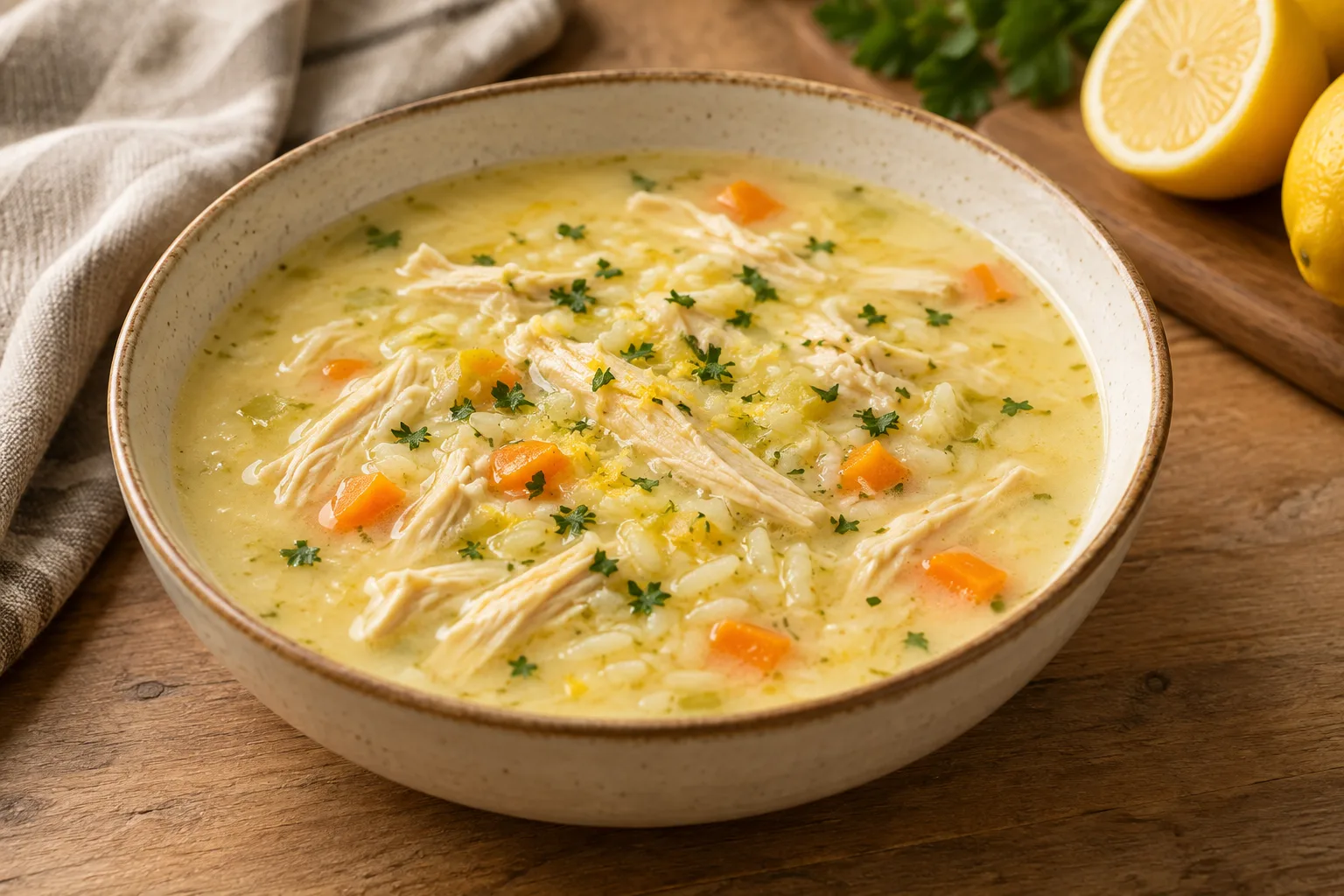
Use lemon when a dish needs acidity, citrus aroma, or a fresh counterpoint. A little juice can season salads, soups, vegetables, meat, fish, and seafood, and can go into vinaigrettes, sauces, marinades, and drinks. Zest suits recipes where you want aroma without adding much liquid, such as cakes, cookies, creams, or cocktails. Add juice near the end when you want its citrus character to remain noticeable; other recipes may call for it earlier. The intensity varies among lemons, so taste and adjust gradually. Lemon also works in sweet preparations, where its tartness can balance other flavors.
How to use it
Wash the fruit before using it, and dry it if you plan to zest it. To make fragrant zest, grate only the yellow surface and stop before reaching the white layer, which can add bitterness. To extract juice, cut the lemon and squeeze it; remove any seeds that fall into the dish. Taste the juice before adding more, especially in a sauce or dressing, because acidity varies from fruit to fruit. Combine it with oil and herbs for a dressing, add it to drinks, or use it as a finishing touch for savory dishes. Slices can also be used in drinks and baked preparations. In a marinade, lemon is a flavoring ingredient; do not assume it replaces safe cooking.
Flavour and texture
The juice tastes tart and citrusy, while the yellow peel contributes a pronounced aroma. The flesh is juicy, but juice yield and the balance of tartness and sweetness depend on the variety and individual fruit. Peel may be smooth or rough and thicker or thinner; some varieties also have more seeds than others. The white layer beneath the yellow zest can taste bitter if grated or added in excess.
How to choose it
To find a lemon likely to yield juice, compare its weight with its size: a fruit that feels heavy for its size may be juicier than a similar-sized one. Look for firm skin without soft spots or a dried-out appearance; the surface may be smooth or rough depending on the variety. Color alone cannot tell you how much juice a lemon contains. Minor marks do not always affect flavor, but avoid fruit with clear signs of deterioration. If you need zest, choose fruit with intact, fragrant skin.
Storage
Keep whole lemons in a cool, dry place at home or in the refrigerator, depending on your space and how quickly you use them. Refrigeration may slow ripening; conditions and keeping quality vary, so check the fruit periodically and set aside any pieces that become soft or spoiled. Once cut, a lemon is no longer whole: cover it, refrigerate it, and use it soon. For packaged or prepared lemon products, follow the storage directions on the label.
Substitutions
Lime is a reasonable citrus alternative in dressings, drinks, and dishes where acidity matters, but it is not identical to lemon: aroma, juice yield, and intensity can differ. Add it gradually and taste as you go. You can also replace one lemon variety with another, keeping in mind that varieties differ in juiciness, acidity, and peel. If a recipe depends on zest, a juice-only substitute will not fully reproduce its aroma.
Common mistakes
Grating the white layer along with the zest can add bitterness, so limit zesting to the yellow peel. Adding all the juice at once can make a dish too tart, especially when the fruit is particularly intense; taste and adjust gradually. Do not assume all lemons have the same number of seeds, peel thickness, or juice yield. Juice in a marinade should not be treated as a safe cooking method on its own.
Safety and allergens
Wash the fruit before zesting or cutting the peel. For packaged or prepared products, follow the label’s storage and use directions. Acidic juice does not replace safe preparation guidance for fish, meat, or other foods.
Culinary uses
- Aporta acidez y aroma a platos salados y dulces.
- Se usa como condimento, ingrediente de salsas y aliños, y base para bebidas.
Recommended techniques
- Exprimir el zumo para aliñar, marinar o terminar un plato.
- Rallar solo la parte amarilla de la piel para aromatizar.
- Usar rodajas o trozos en bebidas y preparaciones cocinadas.
Pairs well with
- Pescados y mariscos
- Pollo
- Perejil, cilantro y menta
- Ajo, jengibre y comino
Frequently asked questions
Can I use both lemon juice and peel?
Yes. Juice adds acidity, and the yellow part of the peel adds aroma. Avoid grating too much of the white layer, which can taste bitter.
How can I choose a juicy lemon?
Compare weight with size: a lemon that feels heavy for its size may be juicier. Individual fruit and varieties still vary.
Can lime replace lemon?
It can work in some drinks and acidic preparations, but the flavor and intensity will differ. Add it gradually and adjust to taste.
Estimated nutrition
- Fat
- 0.24 g
- Saturates
- 0.04 g
- Carbohydrate
- 6.9 g
- Sugars
- 2.52 g
- Fibre
- 0.3 g
- Protein
- 0.35 g
- Salt
- 0 g
Sources and review
Automatically researched, cross-checked and validated content. Sources consulted:
- En el etiquetado alimentario hay algunas menciones que son obligatorias eletiquetadocuentamucho.aesan.gob.es
- Recetas con limón - Paulina Cocina paulinacocina.net
- Tecnicas Culinarias Limon | PDF | Ralladura (ingrediente) | Limón scribd.com
- Limón, un sol en la cocina | Diario Sur diariosur.es
- Estudio sobre el Limón: Orígenes, Beneficios y Usos Culinarios - Studocu studocu.com
- Limón - Wikipedia, la enciclopedia libre es.wikipedia.org
- Limón: propiedades, beneficios y usos - Herbolario Casa Pià casapia.com
- Tipos de limones: descubre cuál es el mejor para cada receta valledelguadalhorce.org
- Artes culinarias/Ingredientes/Limón - Wikilibros es.wikibooks.org
- Sabor a limón: 8 recetas deliciosas, 8 texturas diferentes hola.com
- AI Chef Pro Funciones Avanzadas: Técnicas de Power User | Blog AI Chef Pro blog.aichef.pro
- ¿Cuáles son los tipos de limones que existen? | Recetas Nestlé recetasnestle.com.ar
- Cuáles son los tipos de limones | Recetas Nestlé recetasnestle.com.mx
- El limón: variedades, características y usos buenazo.pe
- ¿Por qué el termómetro marca 25 º y la sensación térmica es de 27 º? doi.org
- Cocina con limón: 77 recetas fáciles y deliciosas directoalpaladar.com