- Category
- Vegetables
- State
- Fresh
- Usual unit
- g
What it is
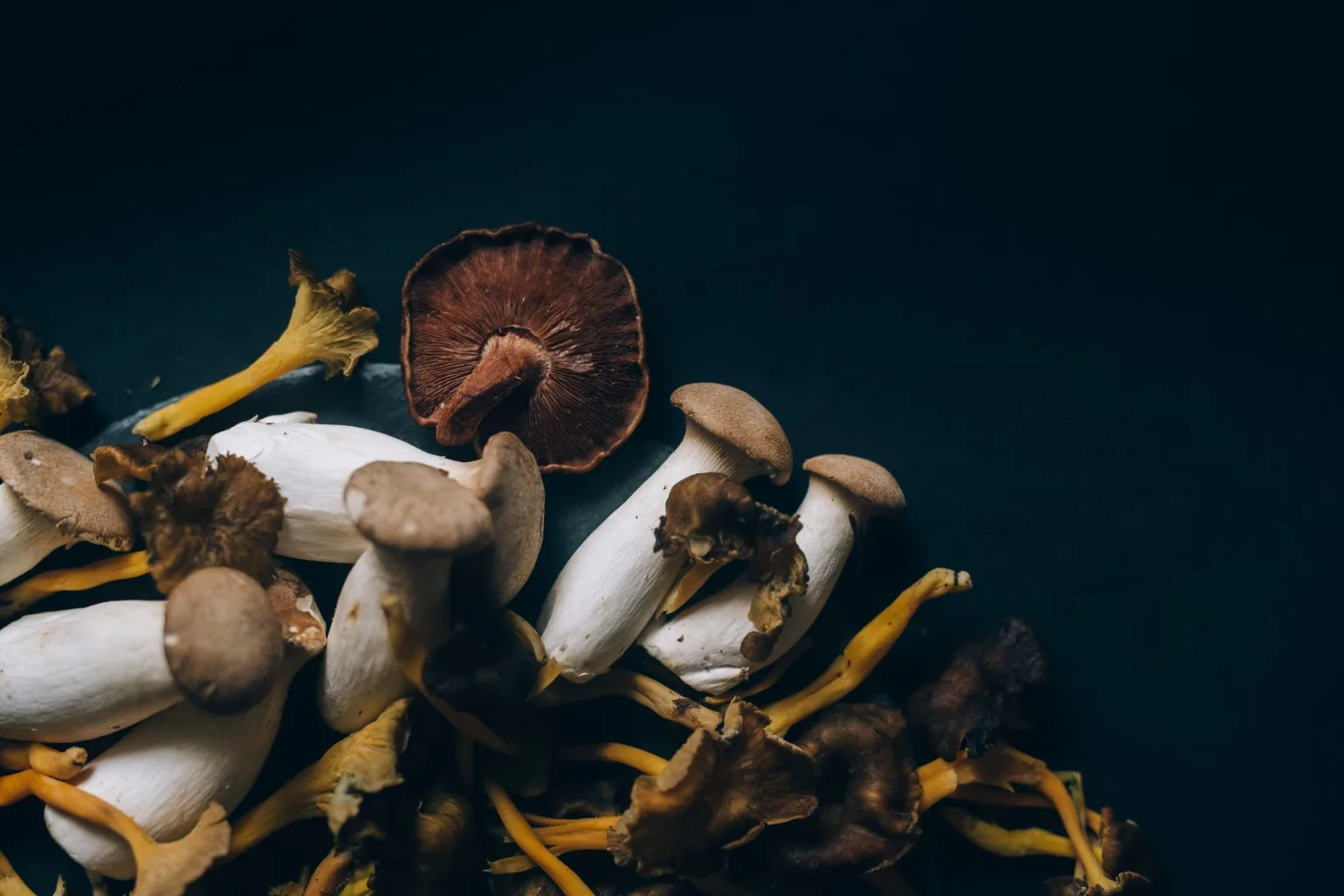
Mixed mushrooms are an assortment of more than one edible mushroom variety, not a single species with a fixed profile. The exact mix can vary: mushroom varieties have different flavors, aromas and textures, and they may be sold fresh, dried or in other forms. This profile refers to a fresh mix; the name alone does not identify its varieties or guarantee that they all cook in the same way. In cooking, mushrooms can serve as a main ingredient, side dish or addition to rice, pasta, soups, purées and stews. Mushrooms belong to the fungi kingdom, rather than being vegetables in the botanical sense. For that reason, check the varieties listed on the package or obtain reliable identification instead of assuming that every mix is interchangeable.
When to use it
Choose a mix when you want several flavors and textures in one dish, such as a sauté, omelet, soup or rice dish. It can also work as a side or add flavor to sauces and stews. Because mixes vary in composition, check which varieties you have and follow suitable preparation guidance, especially if a recipe depends on a particular texture or cooking method. Cultivated mushrooms are available year-round, while other varieties are sold seasonally; there is therefore no single season that applies to every mix.
How to use it
Check the mix’s composition and remove soil with a cloth or soft brush. Cut larger pieces to a similar size; leave small ones whole if the recipe allows. For a sauté or griddle cooking, work in batches and avoid crowding the pan so the mushrooms can brown rather than steam in a pile. Season and add garlic or parsley if desired, taking care not to overwhelm the mushrooms’ own flavor. Add them to rice, pasta, eggs, soups or stews according to the recipe and the characteristics of the varieties included. Do not assume that every variety in a mix is suitable for eating raw or needs the same cooking method: follow the product instructions and guidance for the identified varieties.
Flavour and texture
Mixed mushrooms have no single flavor; it depends on the varieties included. A mix may combine mild or more pronounced notes with firm, tender or delicate pieces. That diversity is useful in sautés, rice dishes and stews, but it also means some pieces may cook at different rates. To retain more of their textural contrast, avoid overcrowding the pan and adjust how you cut each piece to its size.
How to choose it
Look for fresh mushrooms with the varieties identified on the label or clearly specified by the seller. Check that the package is intact and that the pieces show no obvious signs of deterioration. Appearance and size can vary because the assortment includes different varieties; do not judge the entire product by uniformity. If you need a particular cooking result, choose a suitable mix and check whether the product has special use instructions.
Storage
Store fresh mushrooms according to the package or seller’s instructions and inspect them before use. Avoid keeping them in a tightly closed plastic bag; an open container or paper bag may help prevent trapped moisture. Shelf life depends on the product’s condition and how it is sold, so do not assign every mix a fixed storage period. Follow any specific storage directions on the package.
Substitutions
You can replace the mix with one identified edible mushroom variety or another mix of edible mushrooms. The change will affect flavor, aroma and texture, so the result will not be identical. If the substitute varieties differ, adjust the cut and preparation based on the product information and the recipe.
Common mistakes
Do not treat all mushrooms as if they were the same species: a mix may include varieties with different flavors, textures and preparation needs. Overcrowding the pan can also prevent browning, while too much garlic or other seasoning can mask the mushrooms’ own flavor. Do not assume a mix is suitable for raw use just because it is fresh.
Safety and allergens
Buy mixes with identified varieties and follow the product instructions. Spain’s food safety agency AESAN advises against eating mixtures of several wild mushroom species: if they cause a reaction, it may be difficult to know which one was responsible. Do not eat wild mushrooms unless their identity has been confirmed.
Culinary uses
- Main ingredient in sautés, soups, sauces and rice dishes
- Flavorful side dish or accompaniment
Recommended techniques
- Sauté in batches to encourage browning
- Grill or cook on a hot griddle
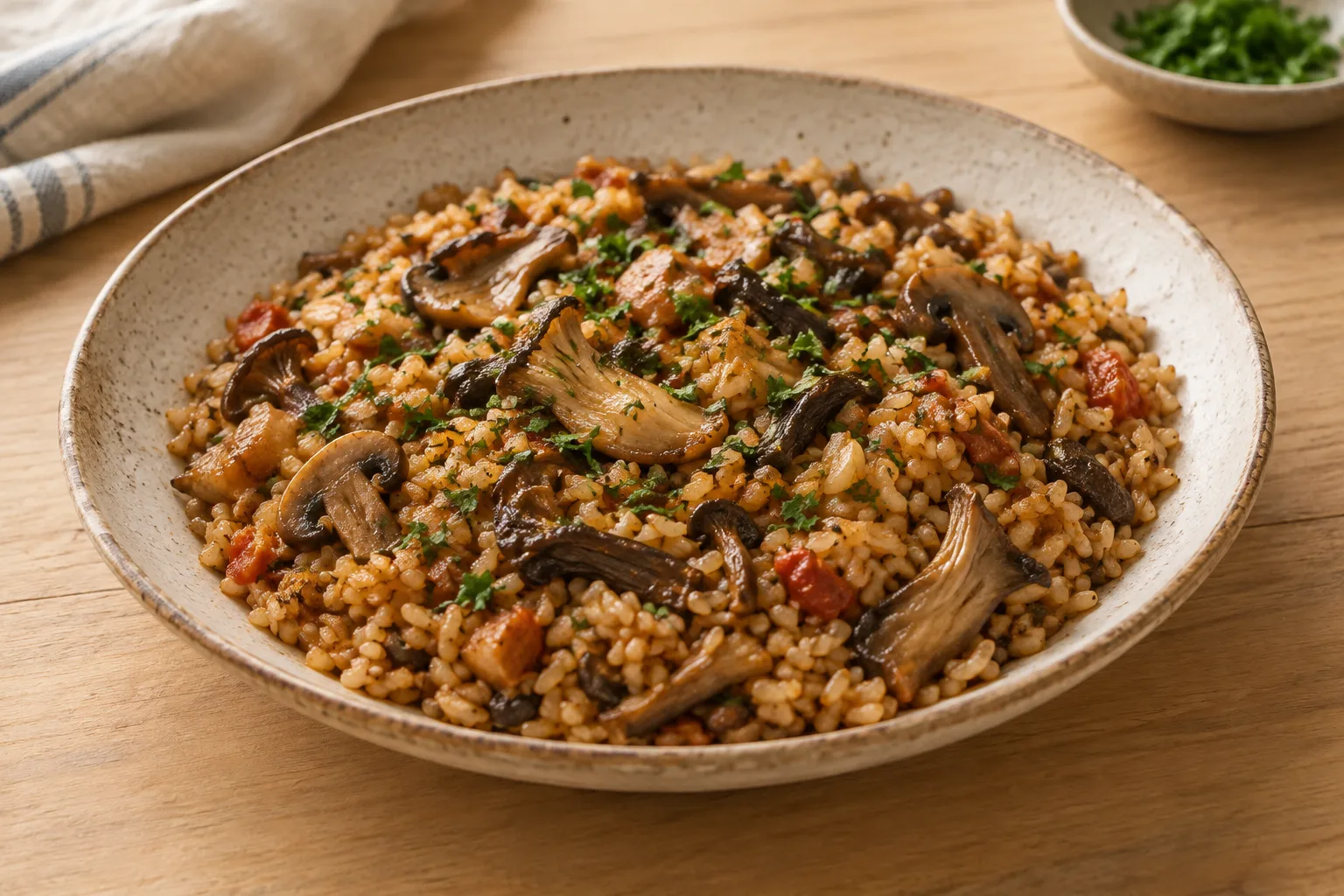
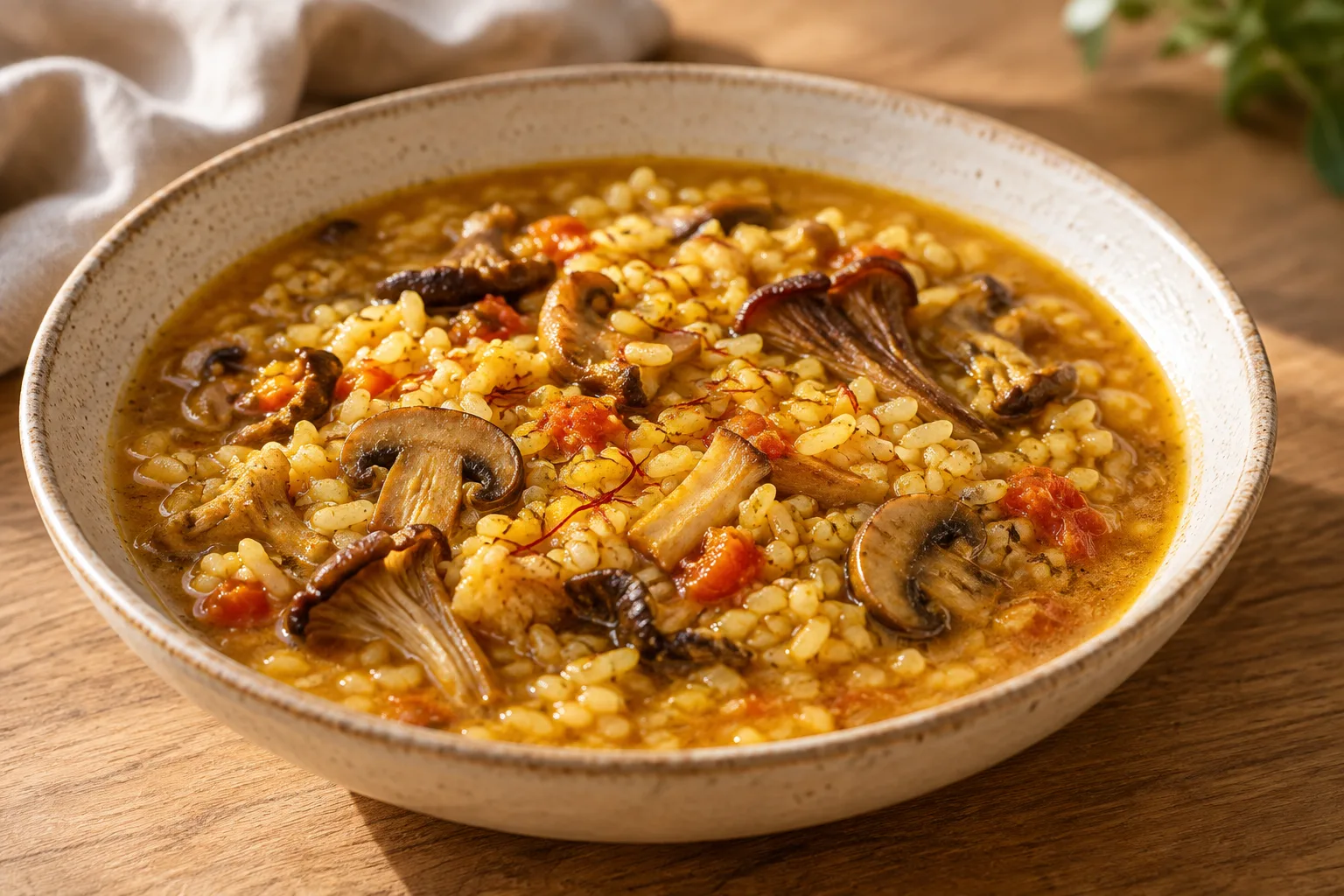
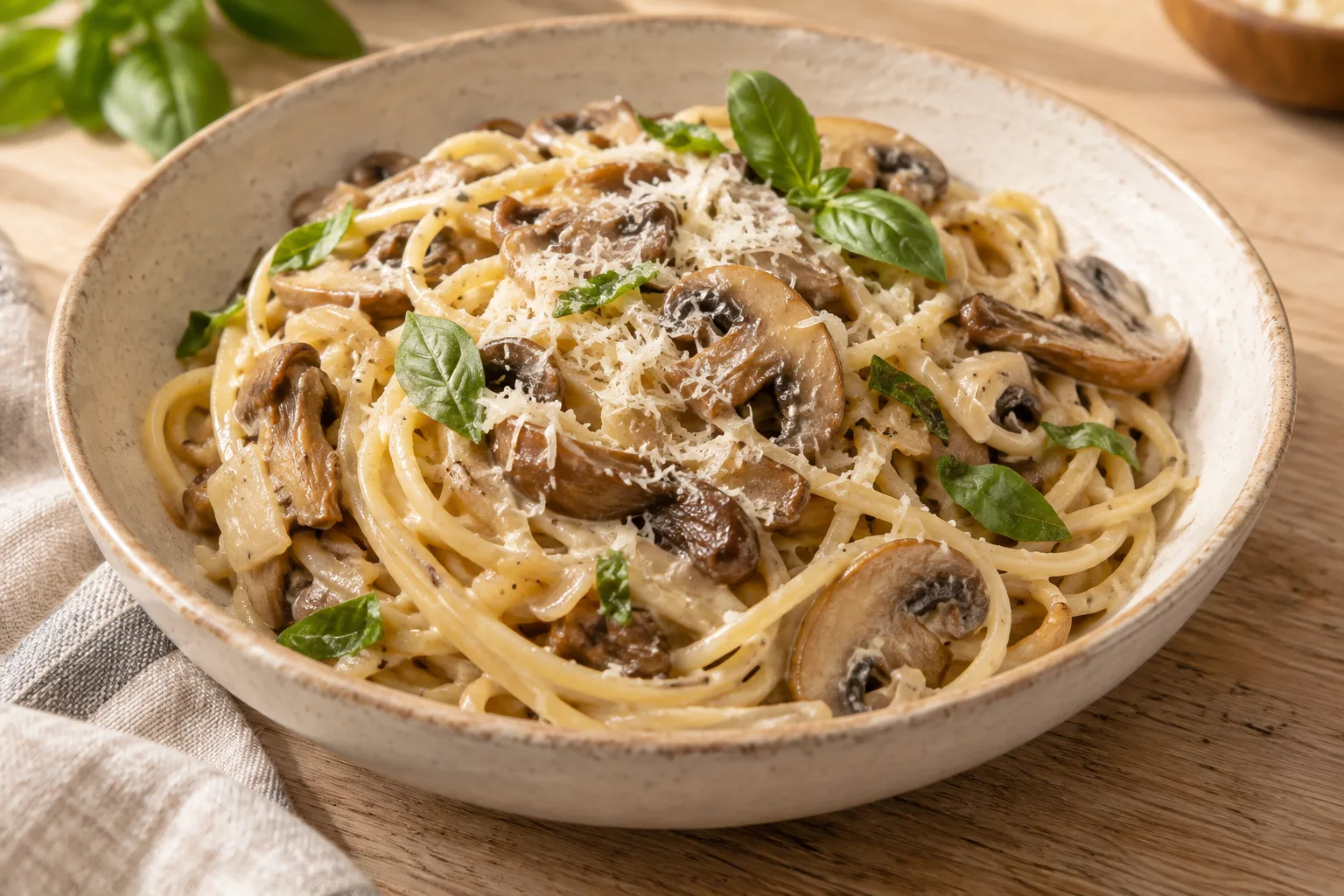
- Add to soups, stews, pasta or rice dishes
Pairs well with
- Garlic and parsley
- Rice and pasta
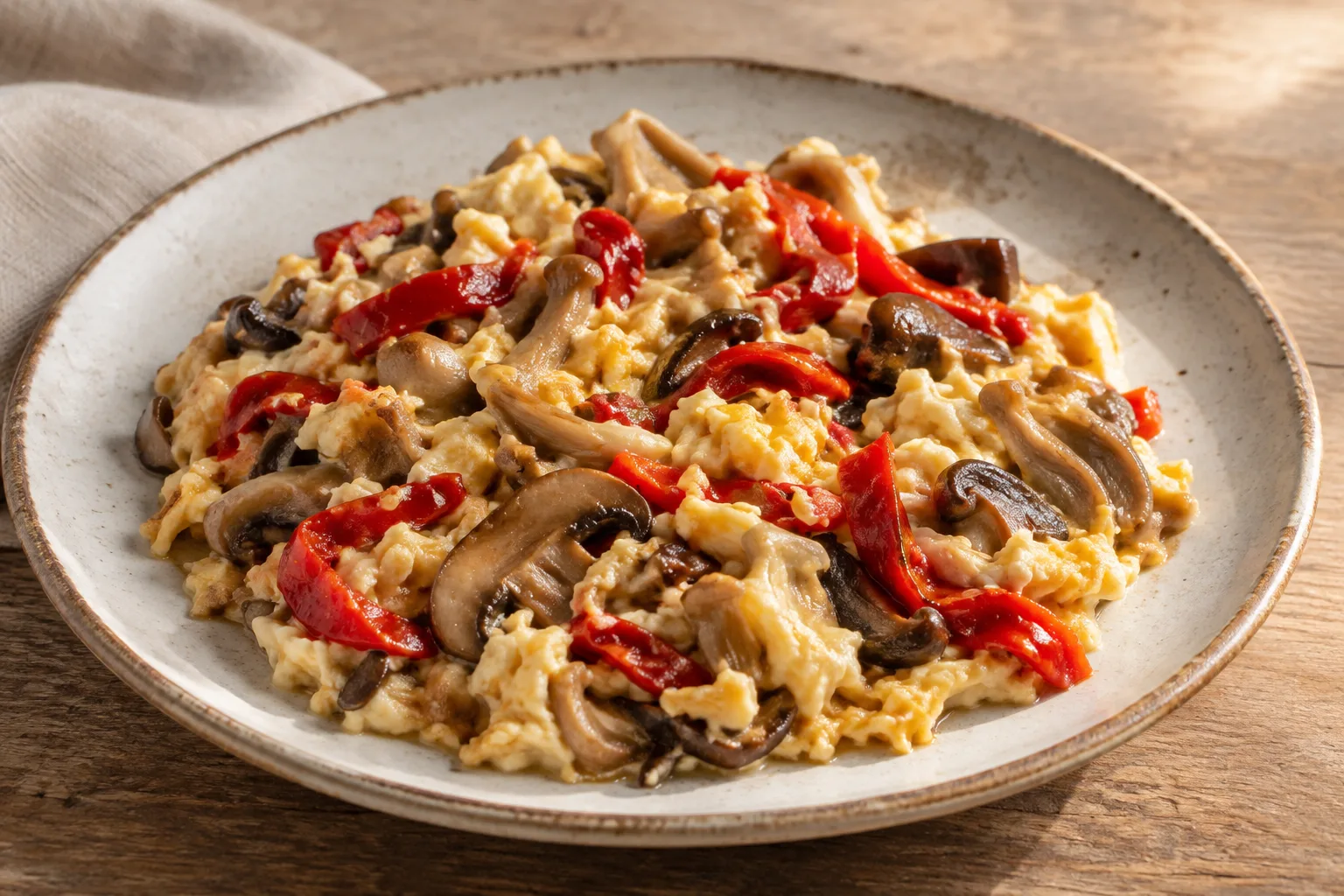
- Eggs
- Meat and vegetables
Frequently asked questions
Which varieties are in a mixed mushroom pack?
That depends on the product; check the label or ask the seller. “Mixed mushrooms” does not refer to one fixed combination.
Can I use mixed mushrooms in risotto or soup?
Yes. They can be added to rice dishes, pasta, soups, stews and sautés; adapt the cut and preparation to the varieties in the mix.
Can all fresh mushrooms be eaten raw?
Do not assume so. A mix may contain varieties with different recommendations; check the identification and product-specific instructions.
Estimated nutrition
- Fat
- 0 g
- Saturates
- 0 g
- Carbohydrate
- 2.86 g
- Sugars
- 3.57 g
- Fibre
- 3.6 g
- Protein
- 1.79 g
- Salt
- 1.38 g
Sources and review
Automatically researched, cross-checked and validated content. Sources consulted:
- En el etiquetado alimentario hay algunas menciones que son obligatorias eletiquetadocuentamucho.aesan.gob.es
- Recetas con Setas - Gallina Blanca gallinablanca.es
- Cómo cocinar setas según cada variedad: técnicas, errores y consejos boletsdesoca.com
- Guía rápida de setas comestibles - Gastroactitud. Pasión por la comida gastroactitud.com
- Clases de setas: variedades comestibles y su uso en la cocina boazuhuntings.com
- ¿Cuáles son los tipos de setas comestibles más comunes y sus usos culinarios? naturitas.es
- Las 10 setas comestibles que debes conocer - Ametller Origen ametllerorigen.com
- Seta comestible - Wikipedia, la enciclopedia libre es.wikipedia.org
- Recoger setas comestibles | OCU ocu.org
- Variedades de Setas - Ybarra en tu cocina ybarraentucocina.com
- Tipos de Champiñón Congelados | Variedades, Procesamiento y Usos Comerciales | Nutrada nutrada.com
- Tipos de setas comestibles: guía con fotos, nombres y consejos amivall.com
- Descubre el mundo fascinante de las setas solococinar.com
- Comer setas puede salvar el planeta: por qué la micología es clave para una alimentación sostenible doi.org
- 13 recetas con setas: propuestas muy interesantes para disfrutar de su gran sabor bonviveur.com
- Desde que uso este truco para cocinar setas y champiñones ya no los hago de otra manera. Adiós a la textura gomosa directoalpaladar.com