- Category
- Dairy and eggs
- State
- Fresh
- Usual unit
- g
What it is
Mozzarella is a fresh stretched-curd cheese: the curd is worked into a flexible, elastic mass. It is commonly white and mild, and is sold as fresh balls or in lower-moisture forms such as blocks and shredded cheese. It may be made with buffalo or cow’s milk, among other varieties, so the word mozzarella alone does not tell you which milk was used. Fresh mozzarella is often packed with liquid, while lower-moisture styles behave differently when cooked. The name covers products with different formats and moisture levels rather than one identical cheese. Check the product name and ingredient list to find out which kind you have.
When to use it
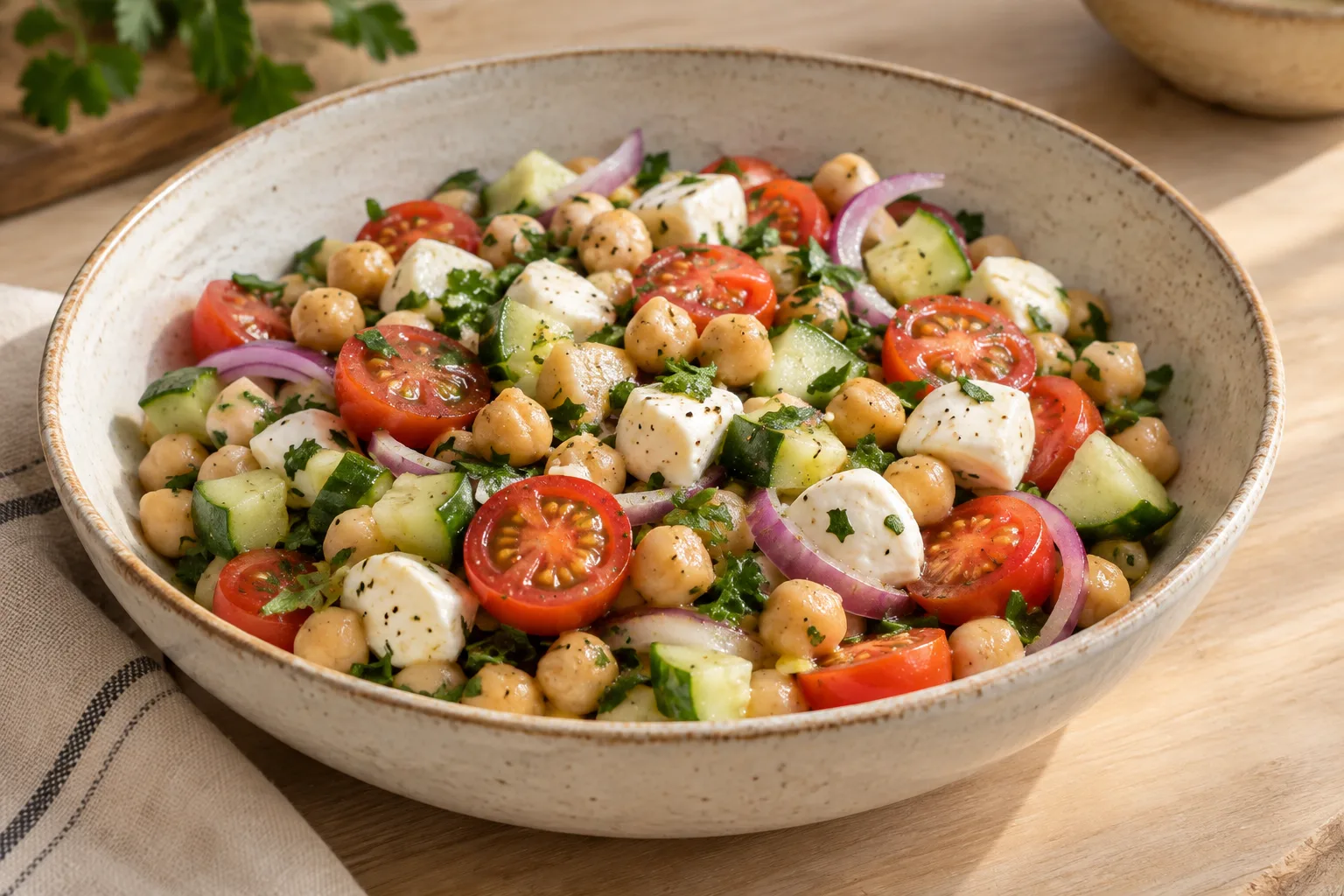
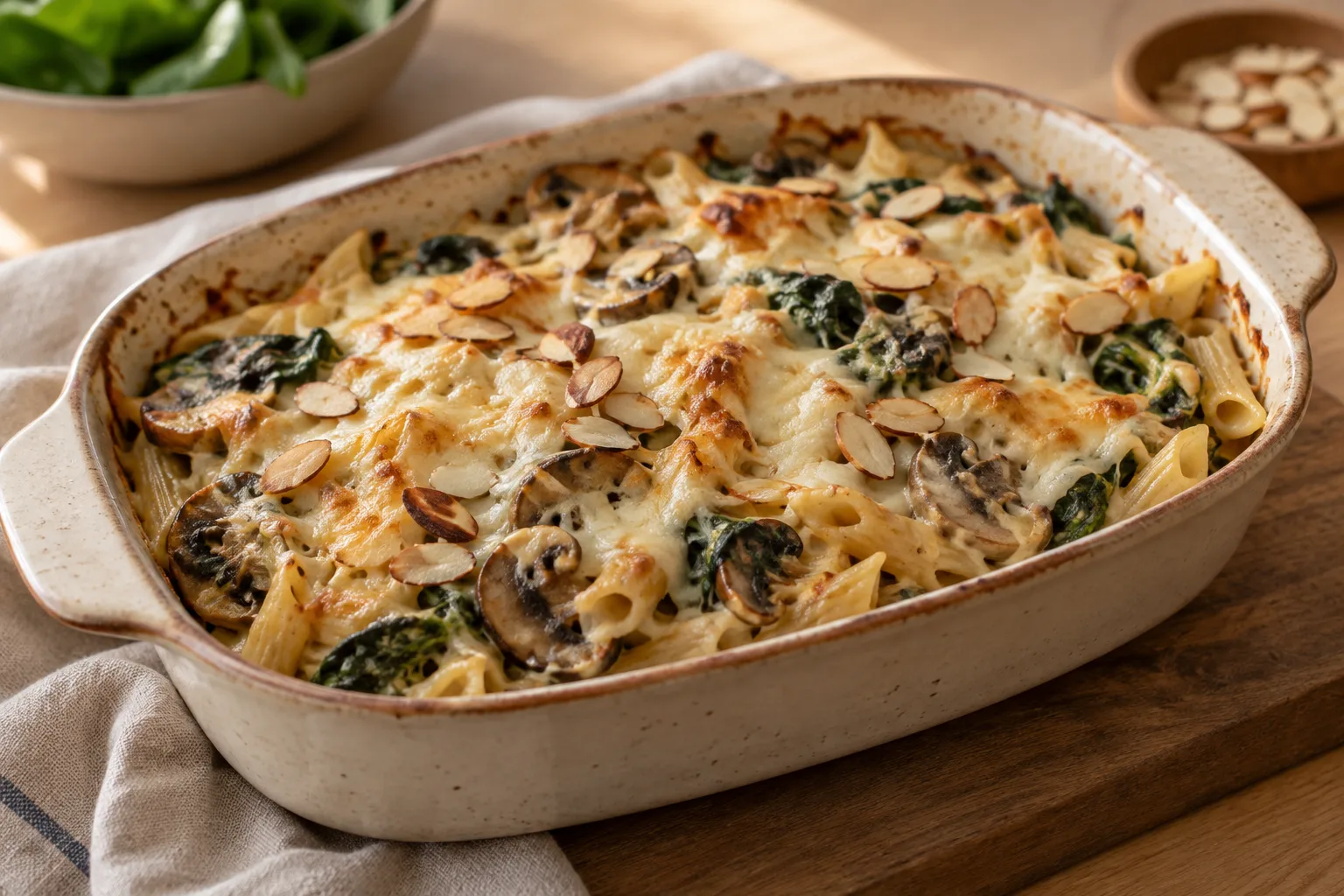
Choose fresh mozzarella when you want a juicy cheese to serve cold, such as with tomato and basil or in a salad. For pizza, baked dishes and recipes where excess liquid could affect the result, consider a lower-moisture style or drain fresh mozzarella well before using it. In pasta and other hot dishes, it can add a creamy, melting layer. Milk type and format change the result, so select the product for the texture and moisture you want rather than relying on the name alone.
How to use it
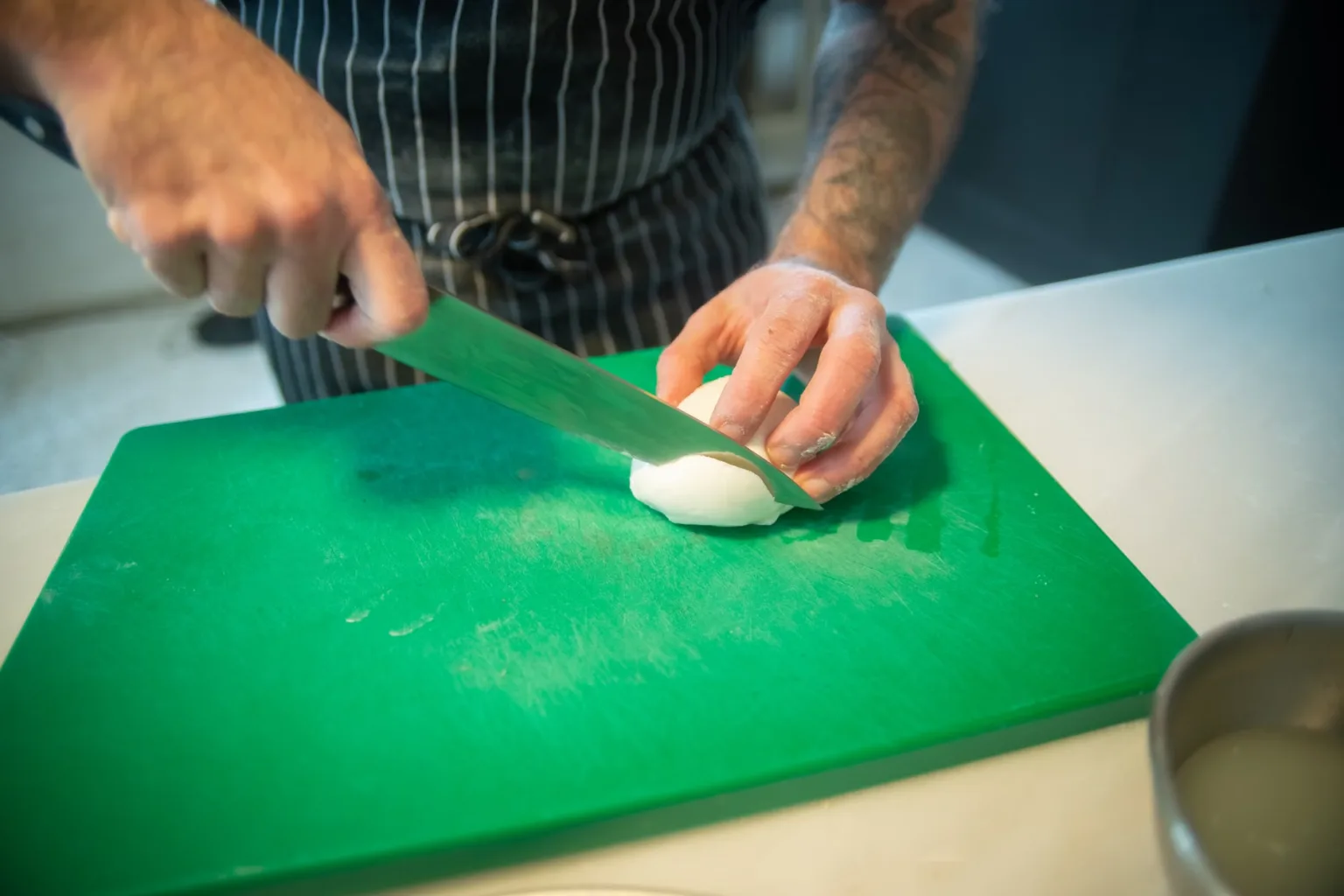
For a salad or other cold dish, slice or tear fresh mozzarella and pair it with tomato and basil. If it is packed in liquid, drain it before serving. For pizza or another baked dish, cut fresh mozzarella into pieces and let it drain to reduce the liquid that reaches the dish. You can also choose a lower-moisture format, such as shredded mozzarella, when it suits a hot recipe. Add it in pieces, slices or shreds, depending on the finish you want, then let the heat melt or brown it. Avoid treating every variety as if it had the same moisture level and cooking behavior.
Flavour and texture
Mozzarella is generally mild and milky, with a tender, juicy and elastic texture. Fresh mozzarella retains more moisture and is well suited to cold serving; lower-moisture styles come in different formats and are practical for cooking. Milk type and format affect its flavor and melting behavior, so products sold as mozzarella may not feel or cook exactly alike.
How to choose it
Read the product name and ingredient list to identify whether the cheese is fresh or lower-moisture and which milk it contains. Check whether it comes in liquid, as a block or shredded, and choose a format suited to your recipe. If you specifically want buffalo- or cow’s-milk mozzarella, confirm that detail on the package rather than inferring it from the word mozzarella.
Storage
Keep mozzarella refrigerated and follow the storage instructions on its package, which may depend on the product and its format. Leave it in its original wrapping until you are ready to use it; after opening, reseal or protect it to limit exposure to air. For fresh mozzarella, consult the package for instructions about its preserving liquid and the product date.
Substitutions
For pizza and other hot dishes, lower-moisture mozzarella can replace fresh mozzarella when you want to reduce excess liquid. Fresh mozzarella can replace a lower-moisture style in salads or cold dishes when a juicier texture is preferred. They are not identical swaps: adjust draining and consider the format.
Common mistakes
A common mistake is using every mozzarella in the same way: fresh mozzarella can release liquid onto pizza if it is not drained. Do not assume every variety uses the same milk or has the same texture. Check the format, drain when the recipe calls for it, and follow the package instructions.
Safety and allergens
Mozzarella is a dairy food. Anyone avoiding milk should check the package’s allergen information or ask the seller. Follow the product’s storage and use instructions; required allergen and storage information may vary with how the food is presented.
Culinary uses
- queso de mesa para servir en frío
- queso fundente para pizzas y platos horneados
Recommended techniques
- escurrir la mozzarella fresca antes de incorporarla a preparaciones calientes
- cortar o desgarrar en porciones y fundir o gratinar
Pairs well with
- tomate y albahaca
- pizza, pasta y ensaladas
Frequently asked questions
Is all mozzarella made with buffalo milk?
No. Mozzarella is made with buffalo milk and cow’s milk, among other varieties. Check the product name and ingredients.
Should I drain fresh mozzarella for pizza?
Draining it helps reduce the liquid that reaches the pizza. Lower-moisture mozzarella is another option.
Can mozzarella be eaten without cooking?
Yes. Fresh mozzarella can be served cold, for example with tomato and basil, as well as used in hot dishes.
Estimated nutrition
- Fat
- 20 g
- Saturates
- 13.3 g
- Carbohydrate
- 3.33 g
- Sugars
- 0 g
- Fibre
- 0 g
- Protein
- 20 g
- Salt
- 1.5 g
Sources and review
Automatically researched, cross-checked and validated content. Sources consulted:
- En el etiquetado alimentario hay algunas menciones que son obligatorias eletiquetadocuentamucho.aesan.gob.es
- Client Challenge doi.org
- Alerta por presencia de toxina estafilocócica en mozzarella ... aesan.gob.es
- Mozzarella - Wikipedia, la enciclopedia libre es.wikipedia.org
- Queso mozzarella: qué es, tipos y usos en la pizza ditaly.es
- Todo sobre la mozzarella: tipos, usos y trucos para cocinarla bien beurrespa.es
- Características y utilización de la mozzarella en Italia totale.es
- Queso mozzarella: las 37 mejores recetas directoalpaladar.com
- Qué es el queso mozzarella: tipos, origen y trucos de cocina - Revista de Ruta revistaderuta.com
- El Queso Mozzarella | La Boulette laboulette.com
- PGI-ES-02307 Revisión 1 Página 1 de 8 PLIEGO DE CONDICIONES DE LA mapa.gob.es
- Cheese-Storage-Bulletin-4-8-20.pdf cdr.wisc.edu
- Mozzarella cheese Research Papers - Academia.edu academia.edu
- Handling of Cheese for Safety & Quality | Home & Garden Information Center hgic.clemson.edu
- 5 Major Cheese Styles Every Chef Should Know ice.edu
- Making Homemade Cheese ucanr.edu
- ¿Cuántos tipos de queso mozzarella hay y cuándo se usan? | La Famiglia se sienta a la Mesa lafamigliarestaurantes.com