- Category
- Fish and seafood
- State
- Fresh
- Usual unit
- g
What it is
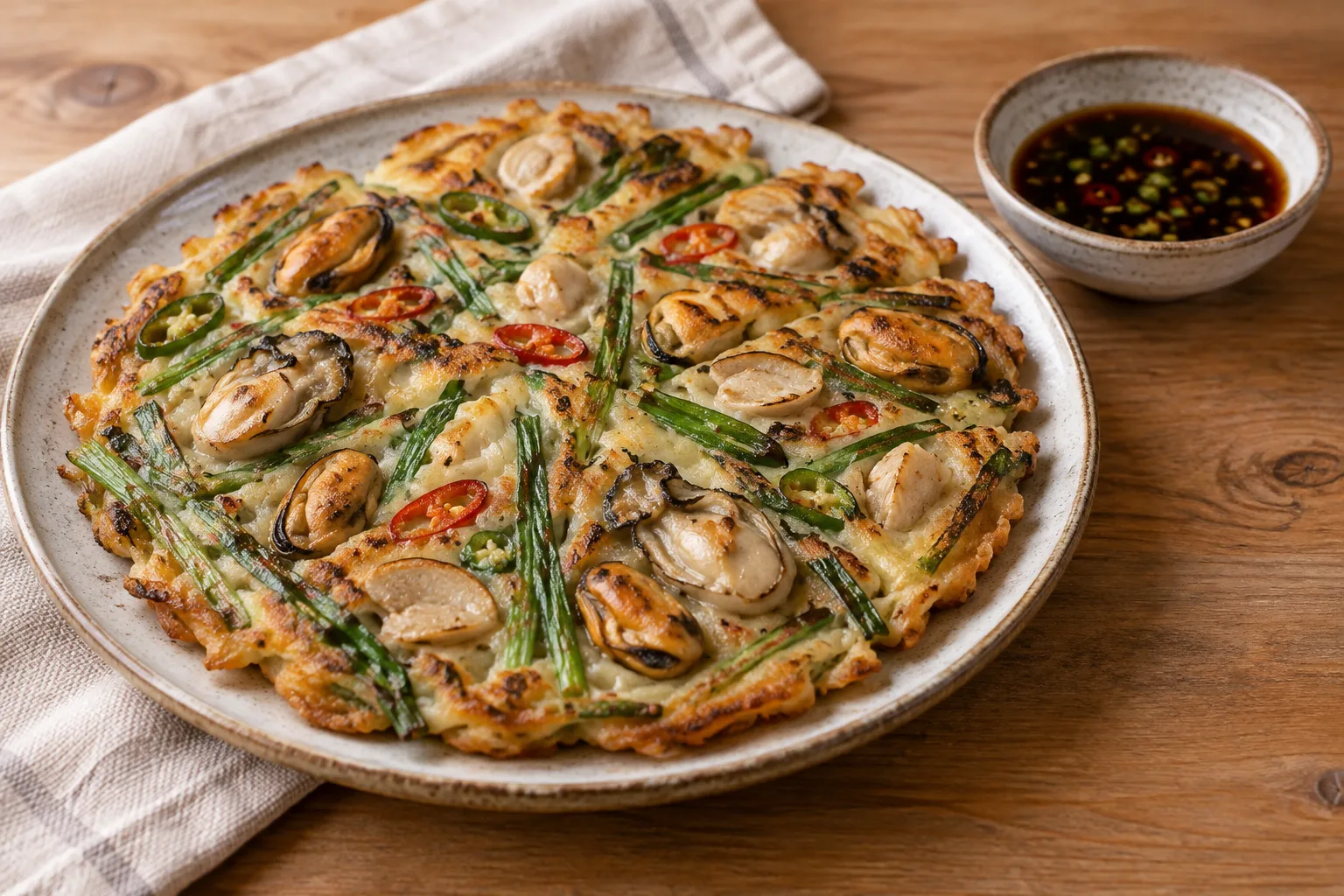
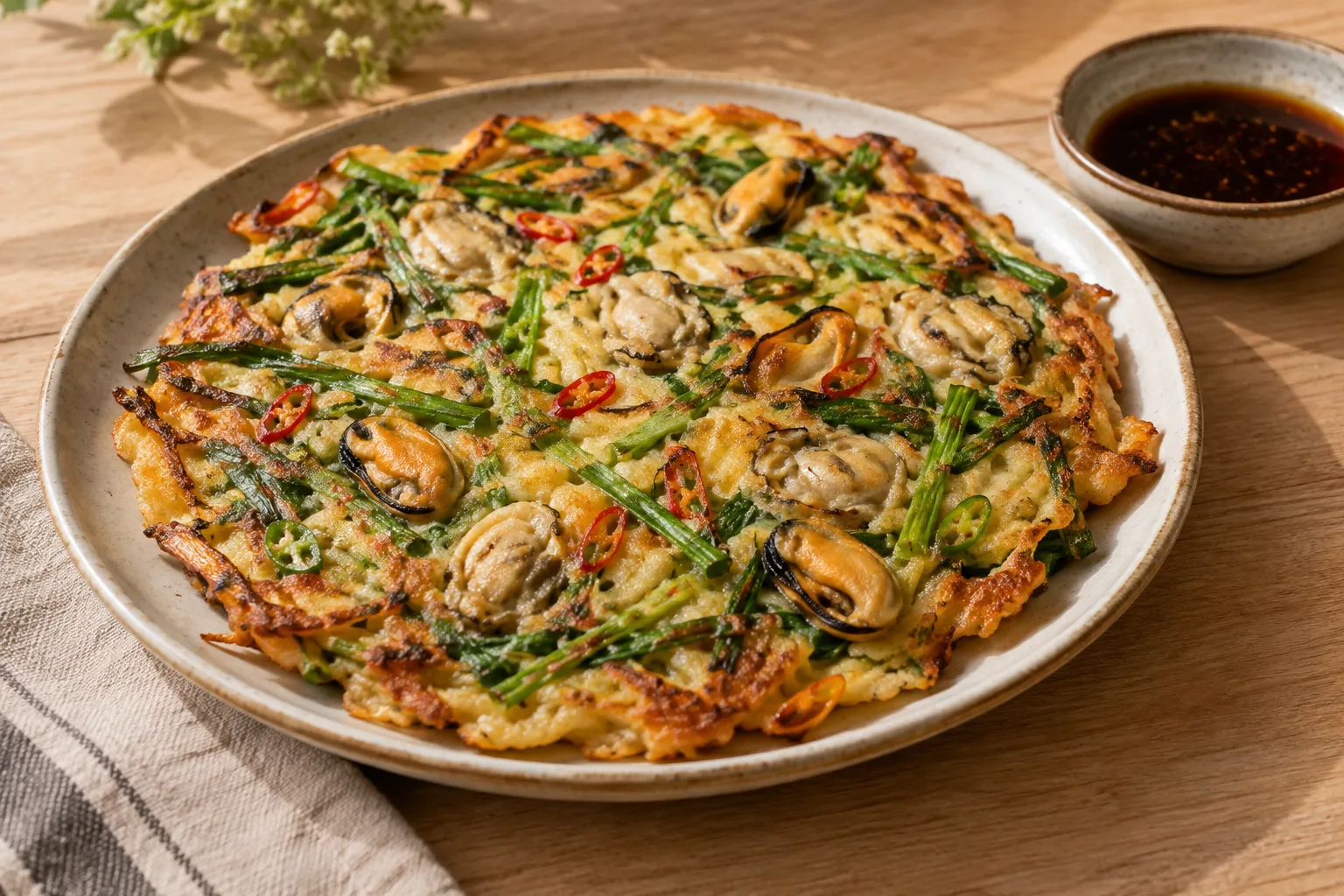
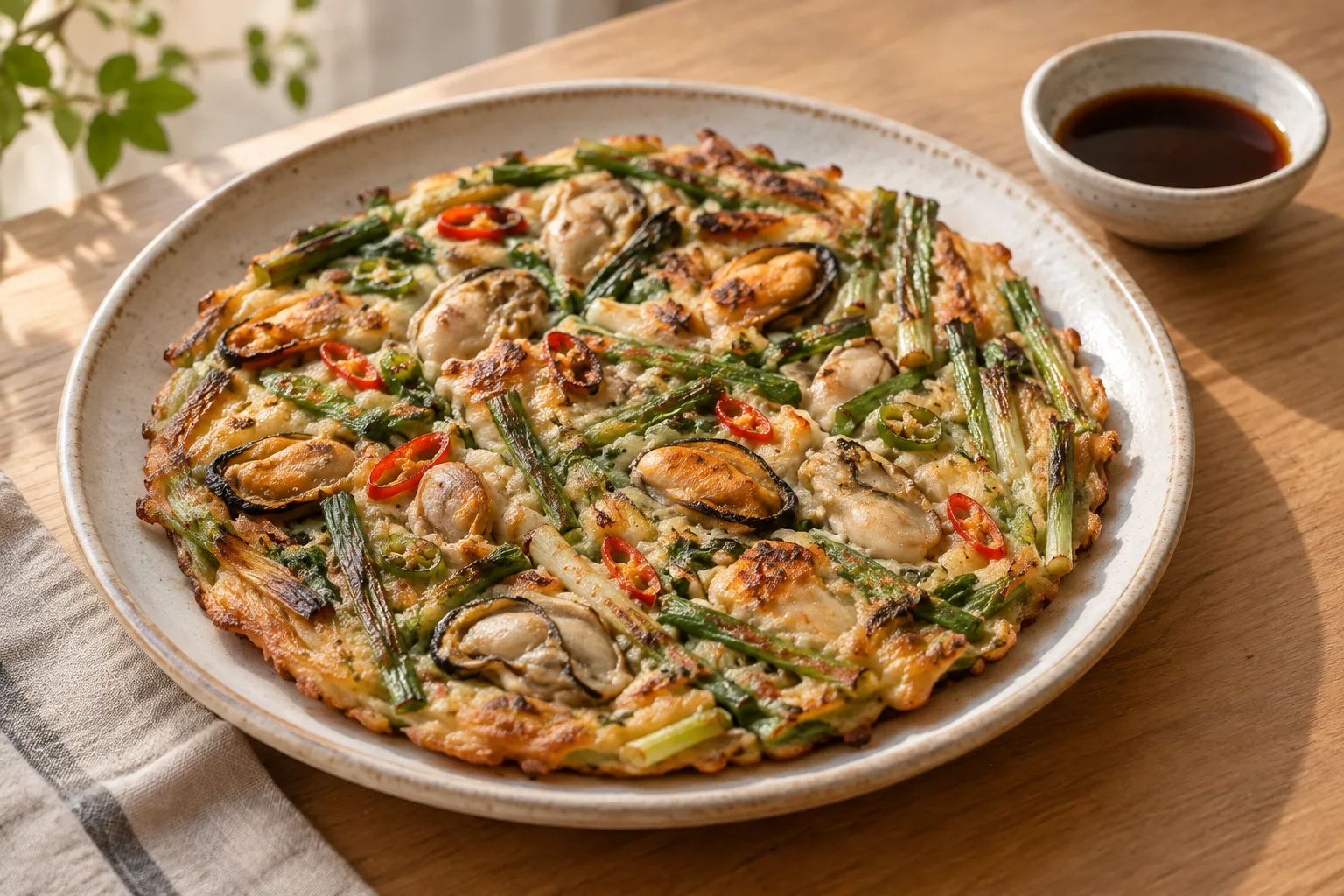
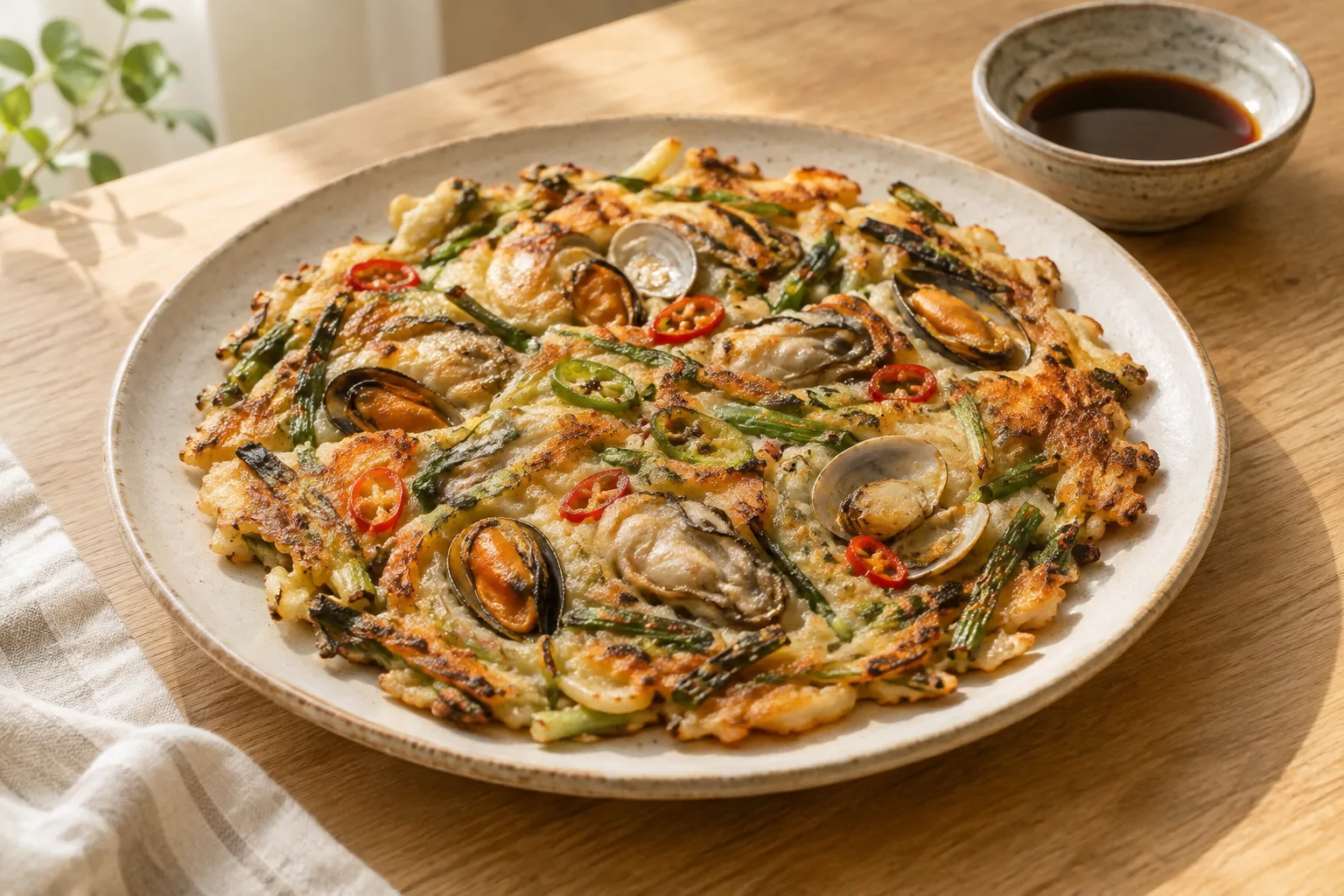
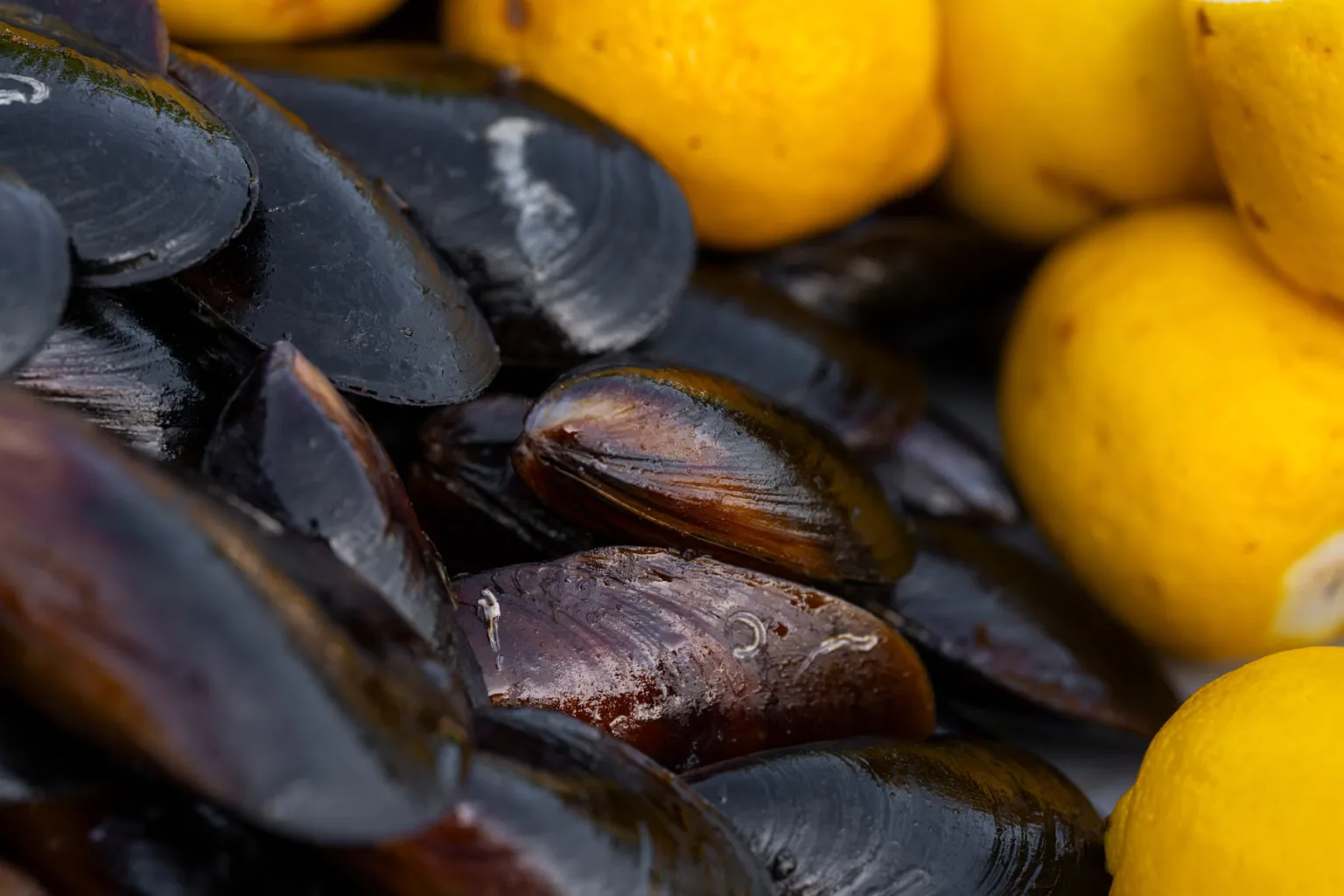
A mussel is a bivalve mollusc: its edible part is protected by two shells. In the kitchen, mussels are used as seafood in their own right or as part of a soup, sauce, rice dish, or appetizer. They are sold fresh as well as in prepared forms such as canned and semi-preserved products. Their use in varied recipes makes them a good fit with ingredients including tomato, onion, chilli, pasta, potatoes, cream, and stout. This profile concerns fresh mussels. Prepared or preserved mussel products may call for different handling and use, so follow the information on their packaging. [1]
When to use it
Choose mussels when you want a seafood ingredient with a pronounced flavor to anchor a meal, soup, or shared dish. They work in sauced preparations, with pasta, as an appetizer, or in dishes featuring tomato, onion, and a little chilli. They can also be served with potatoes or in a cream-and-stout sauce. If you need a pantry option or a prepared product, consider canned or semi-preserved mussels instead of fresh ones, and adapt the recipe to the package instructions. [1]
How to use it
When buying fresh mussels, look for shells that are closed and have no visible breaks. Choose a recipe that explains how to handle fresh mussels and follow the recipe and seller instructions; the available evidence does not establish a universal cooking time or temperature. Mussels can be served in a sauce with tomato, onion, and chilli, added to soup, or paired with pasta. Sources also describe steaming, grilling, and frying, as well as preparations with cream and stout. If using canned or semi-preserved mussels, follow the package directions and do not assume that they are handled in the same way as fresh mussels. [1, 2]
Flavour and texture
Mussels bring a pronounced sea flavor that can stand out on its own or become part of a dish's broth or sauce. The meat sits at the center of the preparation, while the shell may be part of the presentation when fresh mussels are served. The final result varies with the cooking method and accompanying ingredients: tomato and chilli create a different profile from a cream-and-stout sauce. The available sources describe flavor but do not establish one texture that applies to every mussel and preparation. [1, 2]
How to choose it
For fresh mussels, choose examples with closed shells and no visible breaks. Check that the product is being sold as fresh and read the seller's information about handling and use. Canned and semi-preserved mussels are also available if you want a prepared product; check the format, label, and instructions before choosing. Do not judge quality by size or meat color alone. [1]
Storage
The available evidence does not specify a storage temperature or duration for fresh mussels, so a time limit should not be invented. Follow the seller's instructions and current official guidance for the specific product. Store canned or semi-preserved products according to their labels, as their format and conditions may differ from fresh mussels. If instructions are unclear, ask the seller or local food-safety authority before storing or eating them. [3]
Substitutions
If a recipe can accommodate a prepared product, canned or semi-preserved mussels can stand in for fresh mussels. They are not automatically interchangeable without adjustments: check whether the product is ready to use and adapt the recipe to its package directions. The available sources do not provide a reliable equivalence with other seafood, so do not assume another ingredient will taste or cook the same way. [1]
Common mistakes
Do not buy fresh mussels with broken shells, or assume that one recipe's cooking time applies to every product and size. Do not treat canned or semi-preserved mussels as automatically equivalent to fresh ones: check the label and adapt their use. Avoid inventing storage times when the seller's or package instructions are unavailable. [1]
Safety and allergens
Follow the seller's or package instructions and consult current official guidance for the specific product. AESAN is Spain's food-safety authority and provides information and alerts; the supplied evidence includes no mussel-specific official directions or cooking times and temperatures, so do not guess them. [3]
Culinary uses
- main ingredient in seafood dishes
- ingredient for appetizers and small plates
Recommended techniques
- steaming
- grilling
- frying
- cooking in a sauce
Pairs well with
- pasta
- tomato, onion, and chilli
- cream and stout
- potatoes
Frequently asked questions
What are mussels?
They are bivalve molluscs used as seafood and sold fresh, canned, and semi-preserved. [1]
What should I check when buying fresh mussels?
Choose mussels with closed shells and no visible breaks, and check any handling instructions supplied by the seller. [1]
Can I replace fresh mussels with canned mussels?
That can work in recipes suited to a prepared product; check the label and follow its directions. [1]
Estimated nutrition
- Fat
- 3.1 g
- Saturates
- 0.9 g
- Carbohydrate
- 4.1 g
- Sugars
- 0.7 g
- Fibre
- 0 g
- Protein
- 18.8 g
- Salt
- 1.38 g
Sources and review
Automatically researched, cross-checked and validated content. Sources consulted:
- Client Challenge doi.org
- Agencia Española de Seguridad Alimentaria y Nutrición aesan.gob.es
- Nutrition After Your Transplant - Health Online healthonline.washington.edu
- Lesser Scaup Forage on Zebra Mussels at Cook Nuclear ... digitalcommons.usf.edu
- 1112 Dining Guide dgp.toronto.edu
- how leadership style, servicescape, menu design, and break digitalcommons.ncf.edu
- \r\n \n Los Mejillones en la Gastronomía: Delicadeza en el Marisco\n \r\n recetasexplicadas.com
- Mejillón: Los Príncipes de las Mareas | A Centoleira acentoleira.com
- Mejillones archivos - RAG - Real Academia de Gastronomía realacademiadegastronomia.com
- - YouTube youtube.com
- Mejillones: ¿cuáles son sus beneficios? | Herpac herpac.com