- Category
- Herbs and spices
- State
- Dry
- Usual unit
- teaspoon
What it is
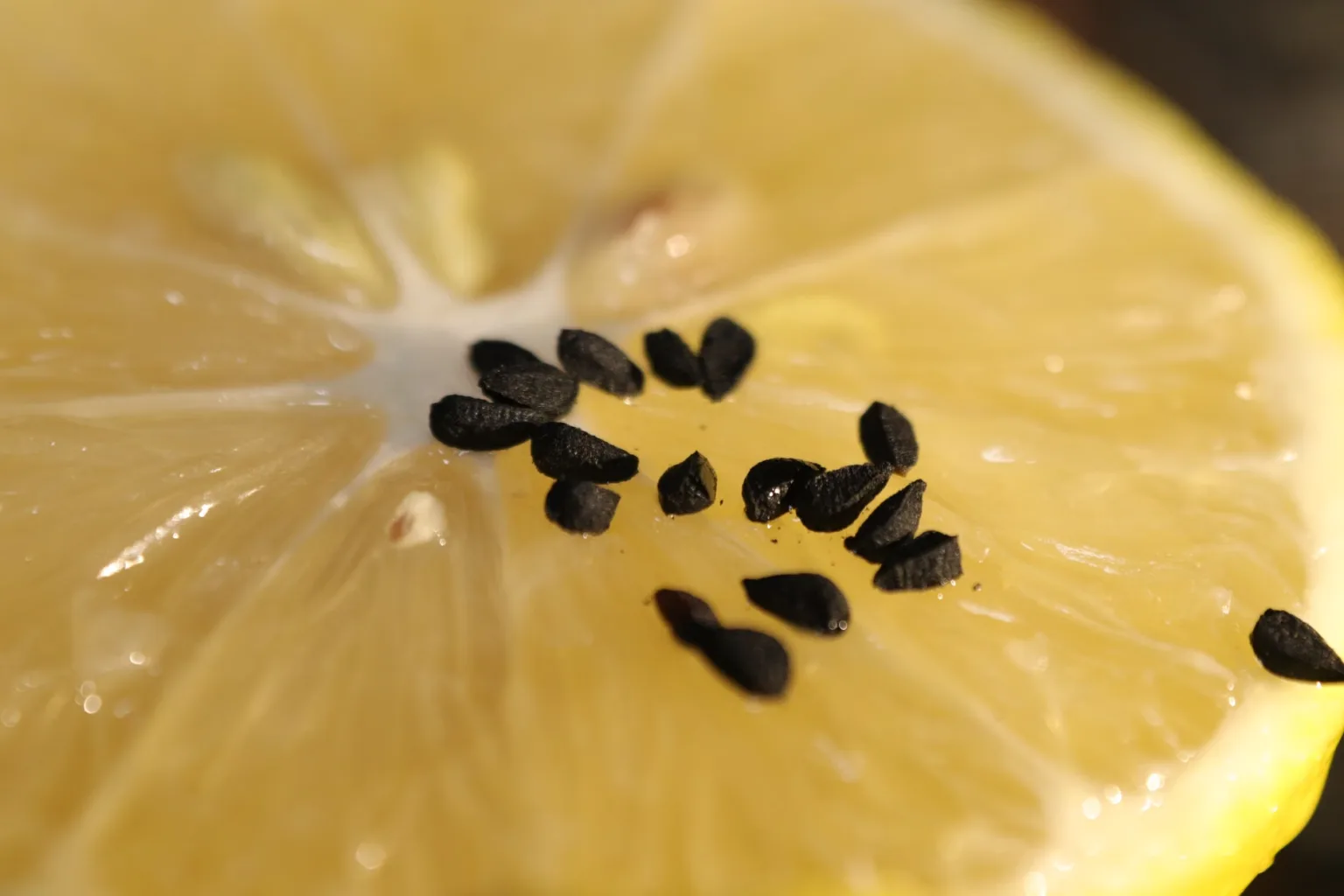
Culinary nigella seeds come from Nigella sativa, a plant in the Ranunculaceae family. Sold dried, they are used as a spice, whole or ground. They are also called kalonji, ajenuz or black cumin, but that last name can be misleading: nigella is not ordinary cumin. The small, dark seeds may also be mistaken for sesame at a glance, although their shape and flavor differ. In cooking, they contribute a noticeable, lightly pungent herbal aroma and a crisp bite. They can be sprinkled over bread or incorporated into savory dishes.
When to use it
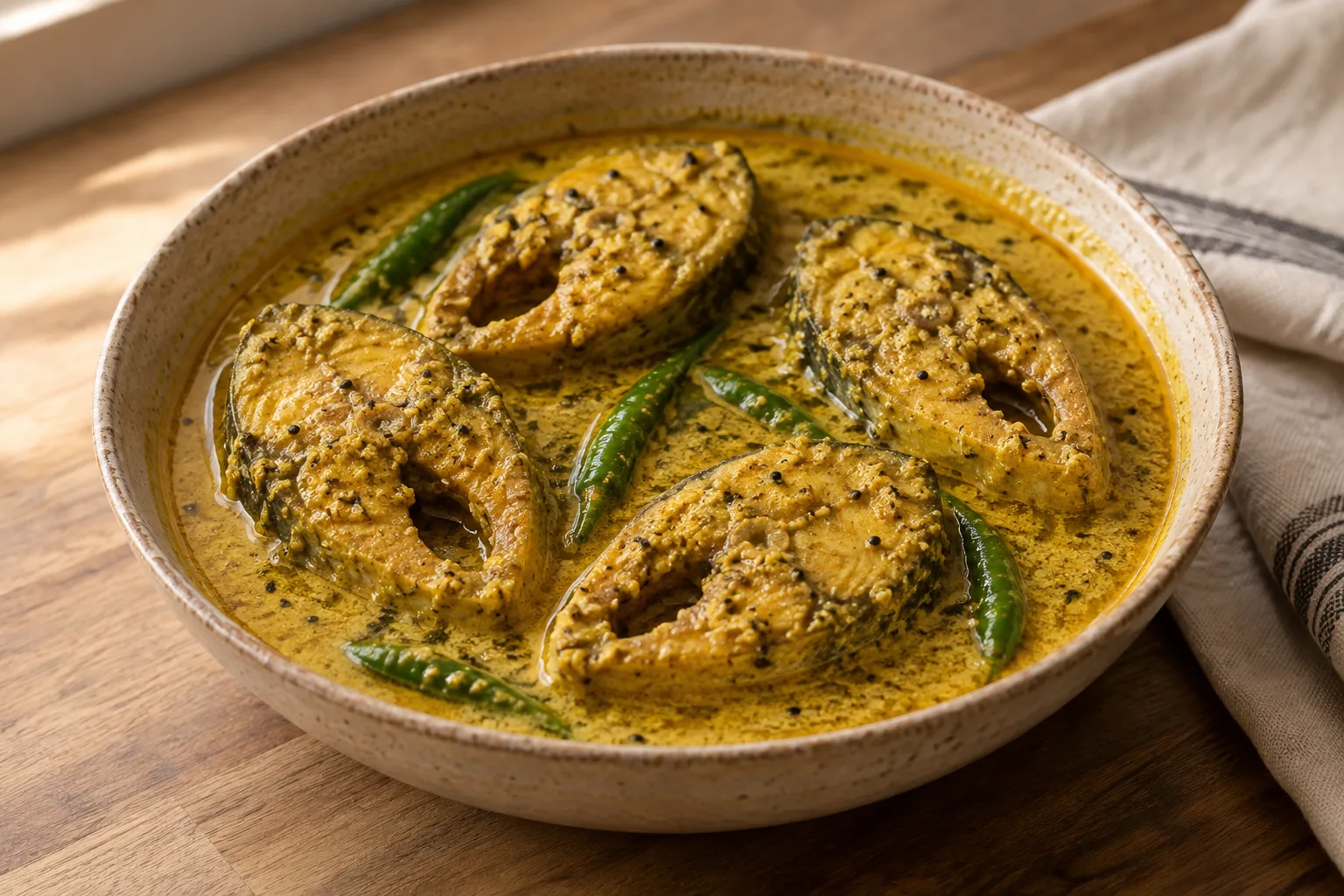
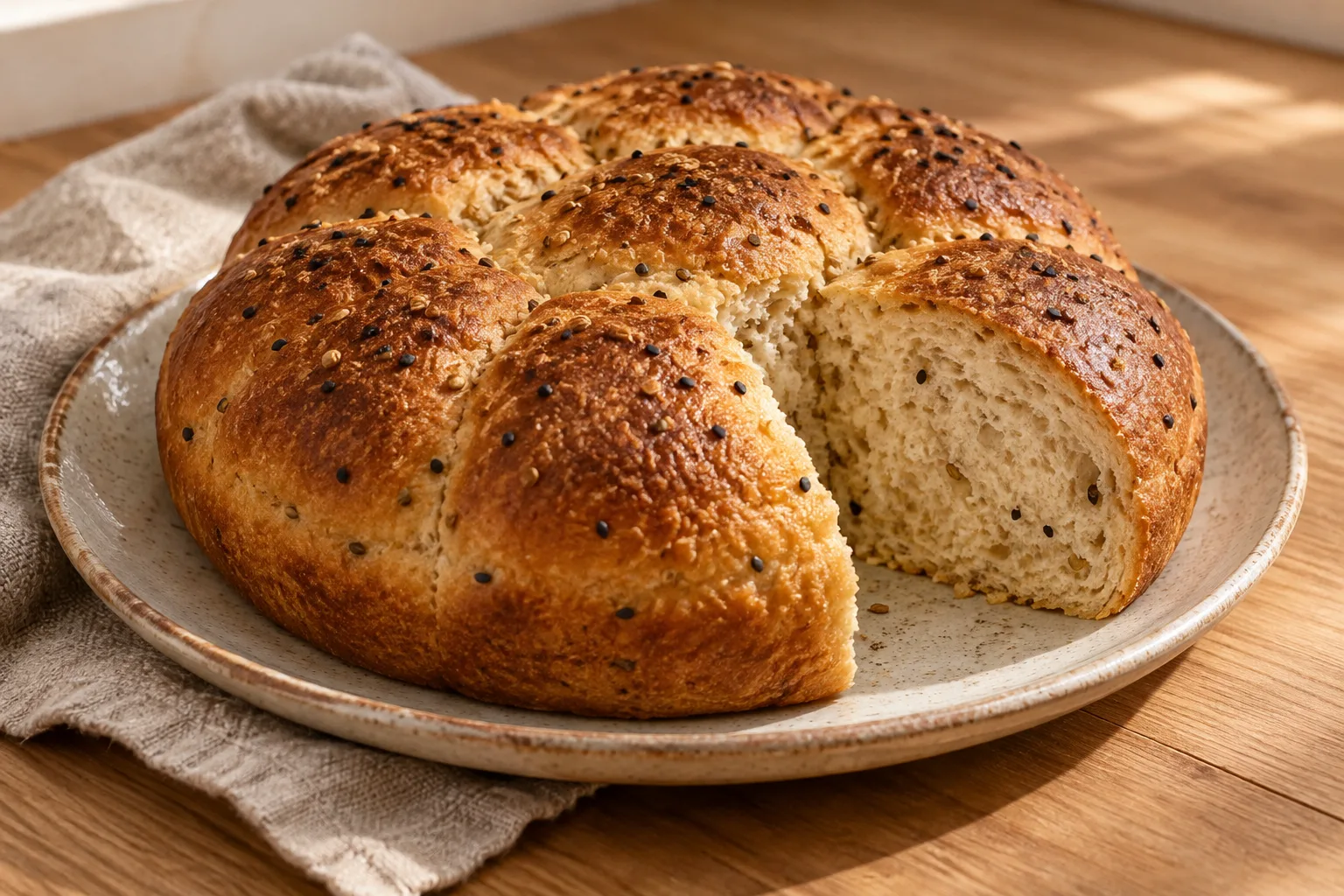
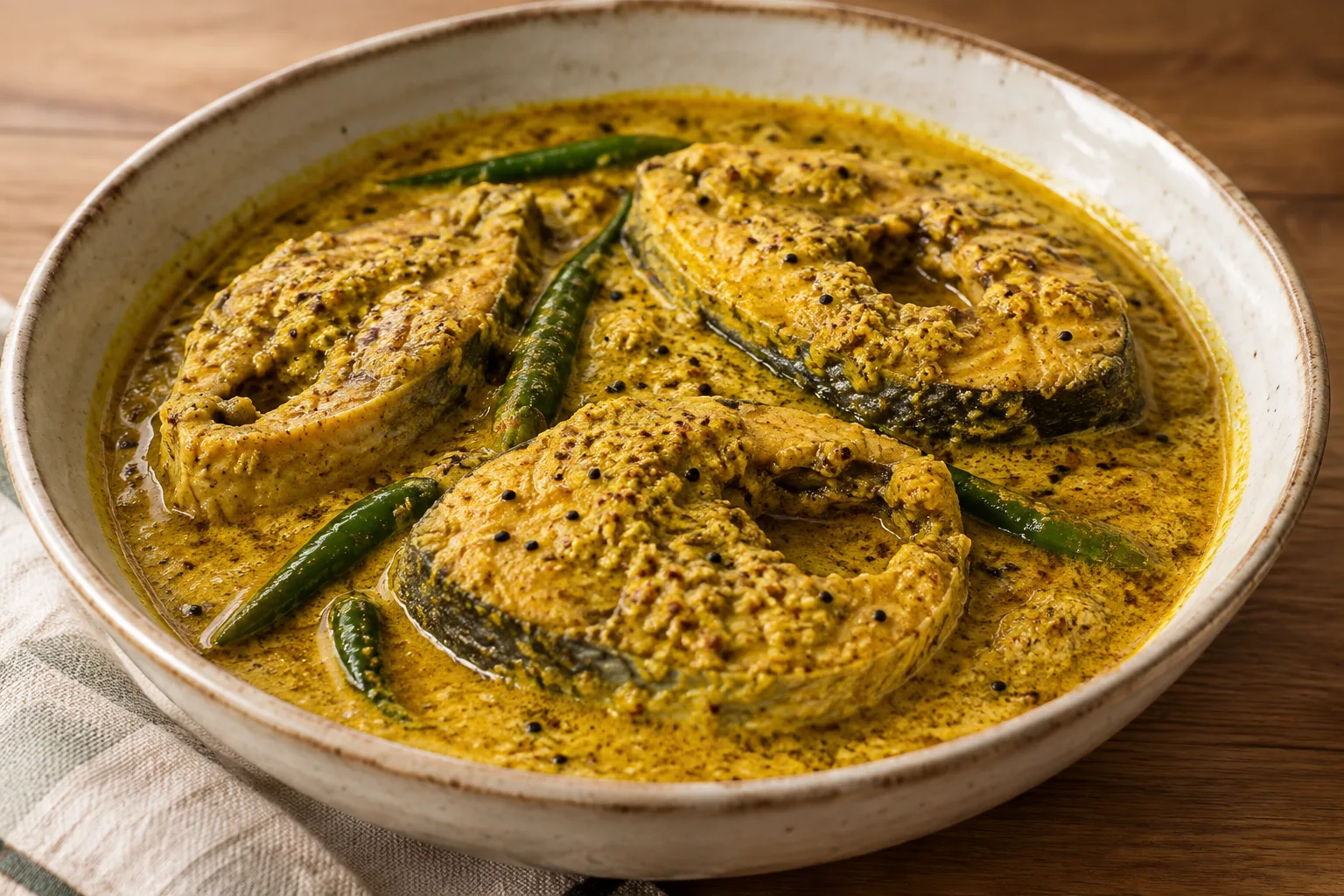
Use nigella when a savory dish would benefit from a distinctive herbal, peppery accent and a little crunch. It works well as a bread topping and can be sprinkled over salads, soups, vegetables and curries. It can also season legumes, rice dishes and sauces. Its character is noticeable, so begin with a small amount, taste the dish and add more if needed rather than treating it as a neutral seed.
How to use it
Add the seeds whole to dough or sprinkle them over bread before baking; they can also finish salads, soups, vegetables, curries and rice dishes. For a more pronounced aroma, toast them very lightly before adding them, taking care not to scorch them. Alternatively, crush them with a mortar and pestle or grind them to release their aroma and help them blend into spice mixtures, sauces or stews. They can also be added to oil to infuse it. Taste as you go and adjust the amount: their peppery, herbal flavor can stand out even when used as an accent.
Flavour and texture
Nigella has a peppery, lightly pungent flavor with herbal notes and a hint of bitterness. Crushing or gentle heating makes its aroma more pronounced. Whole seeds provide tiny crisp bites and a dark contrast on bread, salads and vegetables; ground seeds blend more readily into sauces and moist dishes.
How to choose it
Look for seeds specifically labeled nigella, kalonji or ajenuz at spice shops or Indian grocery stores. The name “black cumin” alone is not enough to identify them, since it is used for different seeds. Check the product label rather than assuming the seeds are ordinary cumin or sesame: they may look similar, but they are different ingredients.
Storage
Keep the seeds in an airtight container in a cool, dry place, away from heat and strong odors. A tightly closed container helps protect their aroma and keeps them from absorbing surrounding smells. Reseal the package after each use and check the aroma before adding the seeds to a dish.
Substitutions
White or black sesame can stand in as a bread topping or seed garnish, but neither reproduces nigella’s peppery, herbal flavor. Sesame tastes different, so expect the result to change. If a recipe relies on nigella’s distinctive character, it may be better to leave it out and adjust the dish rather than imply the substitute is identical.
Common mistakes
Do not confuse nigella with ordinary cumin or assume that “black cumin” always names the same seed. Its dark appearance does not mean it tastes like sesame, either. Avoid over-toasting: gentle heating is intended to bring out the aroma, not burn the seeds. Add a little first and taste before using more.
Safety and allergens
Check the product identity, since names such as “black cumin” can refer to different seeds. Use it as a culinary spice and follow the package directions; this profile does not recommend it as a remedy or treatment.
Culinary uses
- Semilla aromática para condimentar y dar textura crujiente
- Cobertura para panes y acabado de platos
Recommended techniques
- Usar entera como cobertura o acabado
- Tostar muy ligeramente para realzar el aroma
- Machacar en mortero o moler para liberar sus aromas
- Añadir a aceite o salsas para que perfume la preparación
Pairs well with
- Panes y masas saladas
- Verduras, curris y legumbres
- Ensaladas y sopas
- Pescado
- Limón o lima, cilantro y vinagre
- Huevo, aguacate, yogur y quesos frescos
Frequently asked questions
Are nigella seeds the same as cumin?
No. Nigella is sometimes called black cumin, but it is a different seed from ordinary cumin and has a different flavor.
How can I use nigella seeds?
Use them whole or crushed in bread, vegetables, curries, salads, soups and sauces, or sprinkle them on a dish for crunch.
Can sesame replace nigella?
White or black sesame can work as a seed topping, but it will not give the same flavor as nigella.
Estimated nutrition
- Fat
- 16.7 g
- Saturates
- 0 g
- Carbohydrate
- 50 g
- Sugars
- 0 g
- Fibre
- 33.3 g
- Protein
- 0 g
- Salt
- 0.25 g
Sources and review
Automatically researched, cross-checked and validated content. Sources consulted:
- ¿Por qué la muerte es origen de miedos y tabúes? doi.org
- Revista Vida Rural, ISSN: 1133-8938 mapa.gob.es
- A Recipe for Understanding - Dietrich College General Education Program - Dietrich College of Humanities and Social Sciences - Carnegie Mellon University cmu.edu
- Spice Up Your Garden With Asian Flavors | University of… uvm.edu
- Silk Road Cooking: A Culinary Journey | Smithsonian Folklife Festival festival.si.edu
- Food for Thought | BU Today | Boston University bu.edu
- Volatile compounds of black cumin (Nigella sativa L. ... ui.adsabs.harvard.edu
- A Panoramic View From the Interior of the Later Spanish Church | ClipVR ETC etc.usf.edu
- Saving Seeds of Popular Plants | UC Master Gardeners of Santa Clara County ucanr.edu
- Cooking Class: The Rise of the 'Foodie' and the Role ... academicworks.cuny.edu
- Semillas de nigella, ajenuz o comino negro: ¿qué es y cómo usar esta especia en la cocina? directoalpaladar.com
- Semillas de Nigella — Open Spice Box openspicebox.com
- Nigella Sativa: Propiedades, Beneficios para la Salud y la Cocina - Organica Superfoods organicasuperfoods.com
- ¿Cuáles son los beneficios del comino negro? - Aktif International HospitalAktif International Hospital aktifinternational.com
- - YouTube youtube.com
- Ingredientes: Grano negro – Balansiya balansiya.com