- Category
- Fish and seafood
- State
- Fresh
- Usual unit
- g
What it is
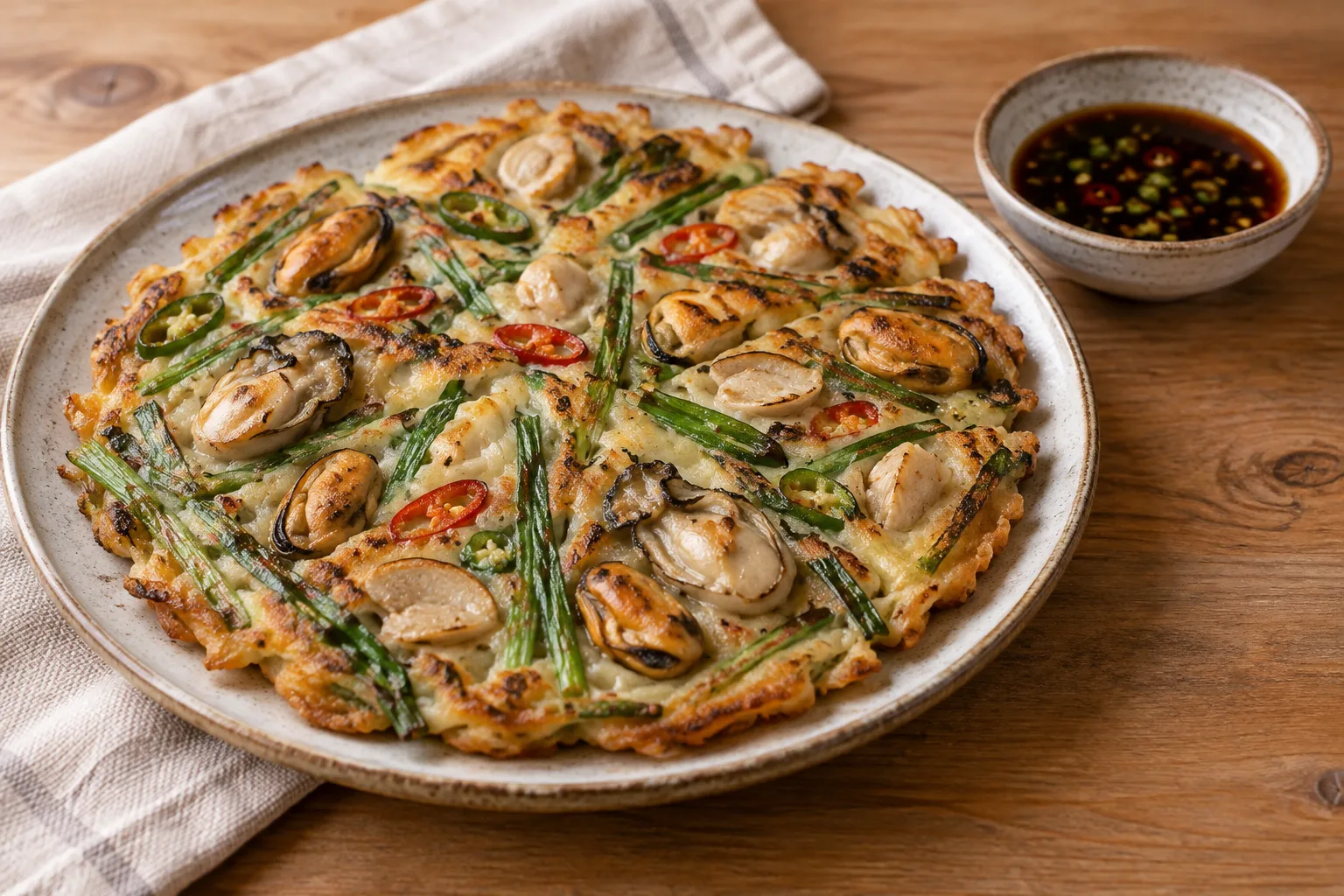
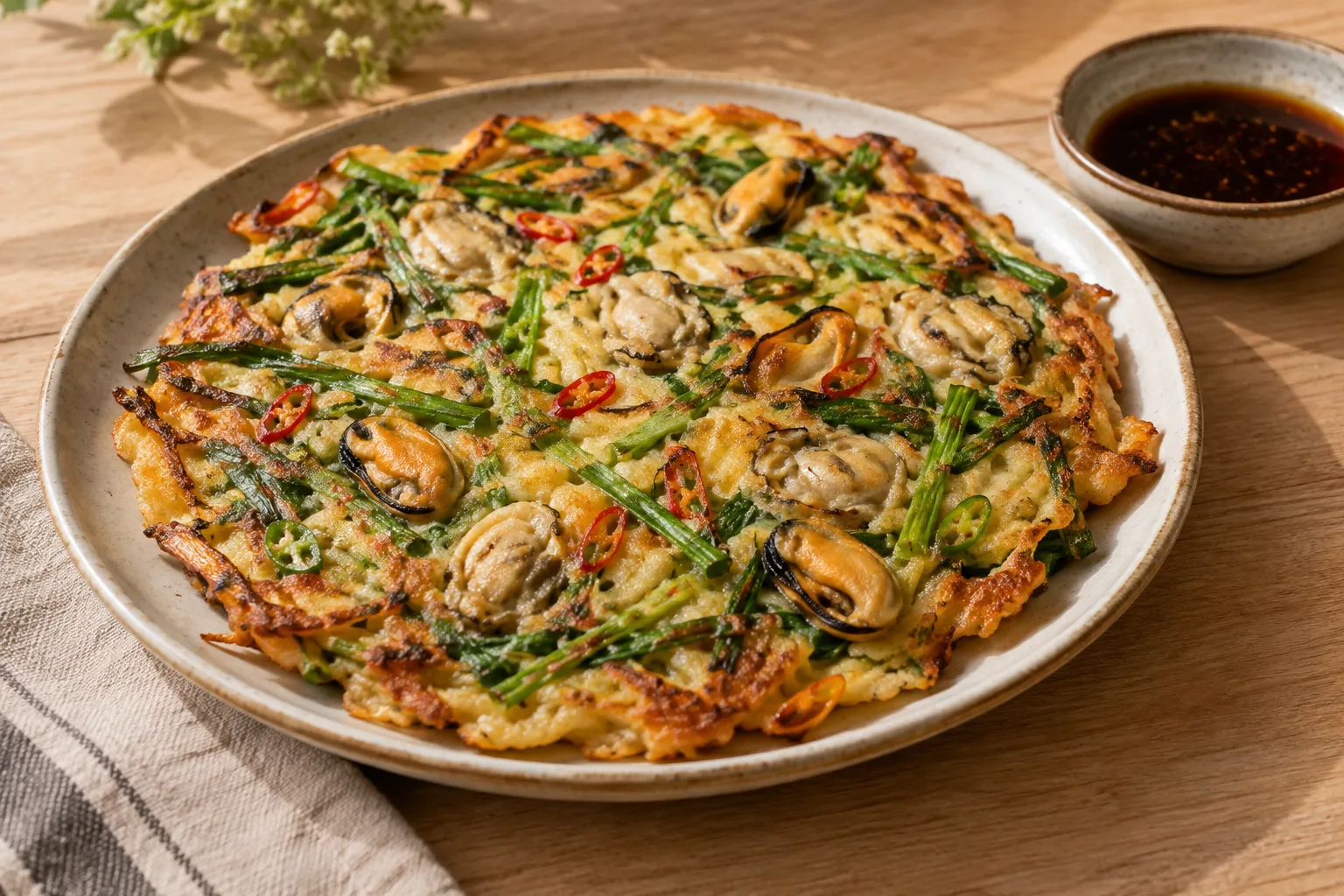
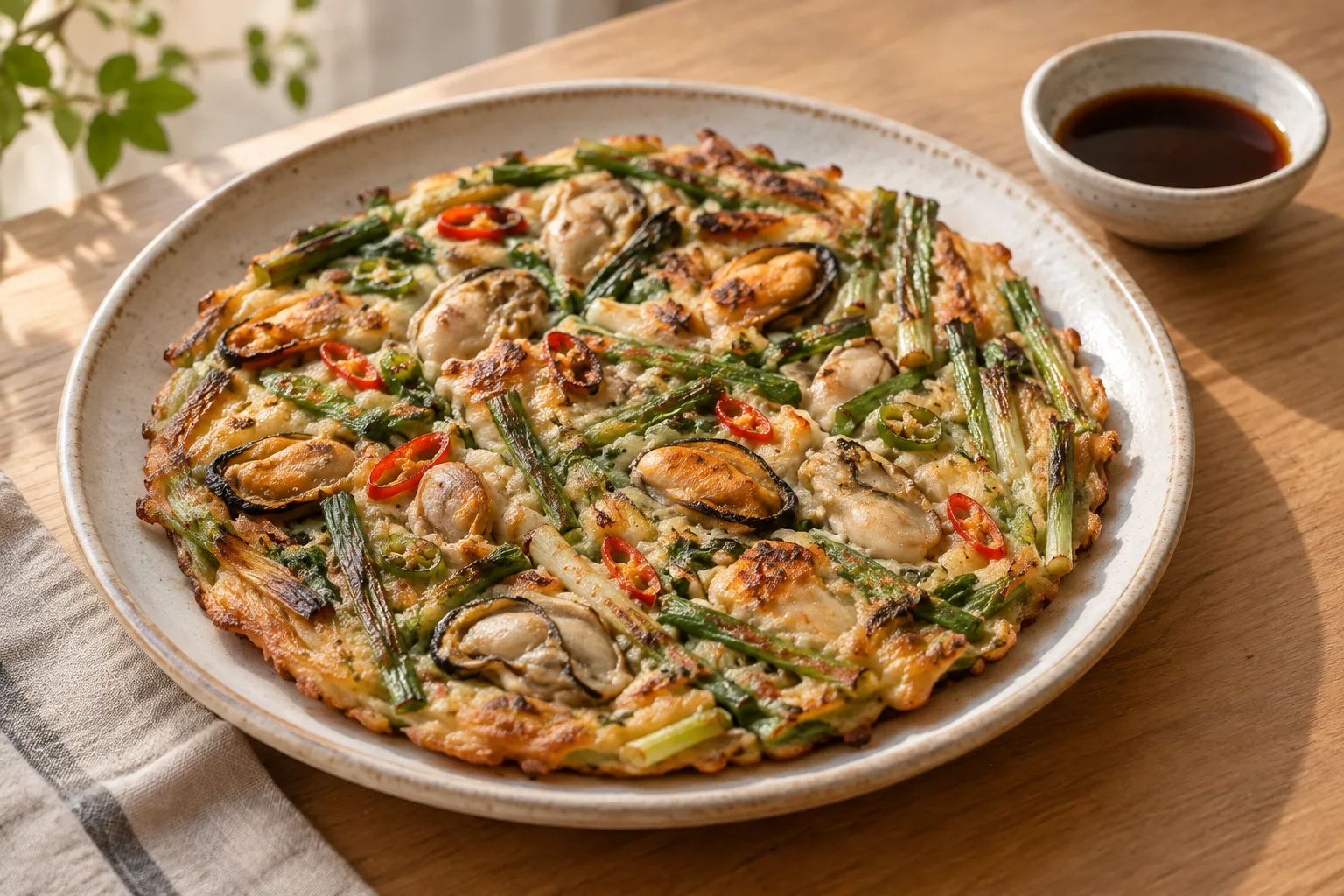
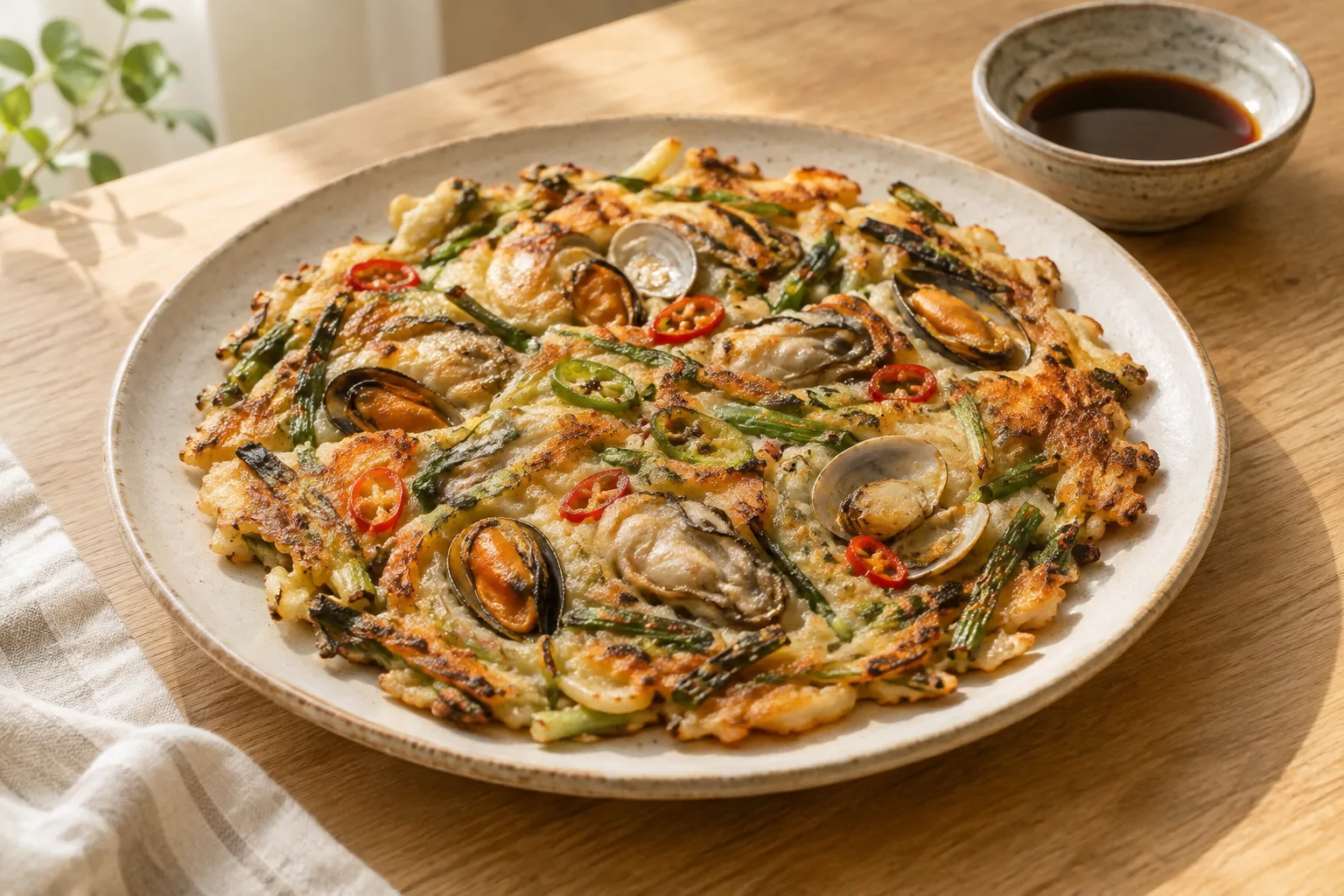
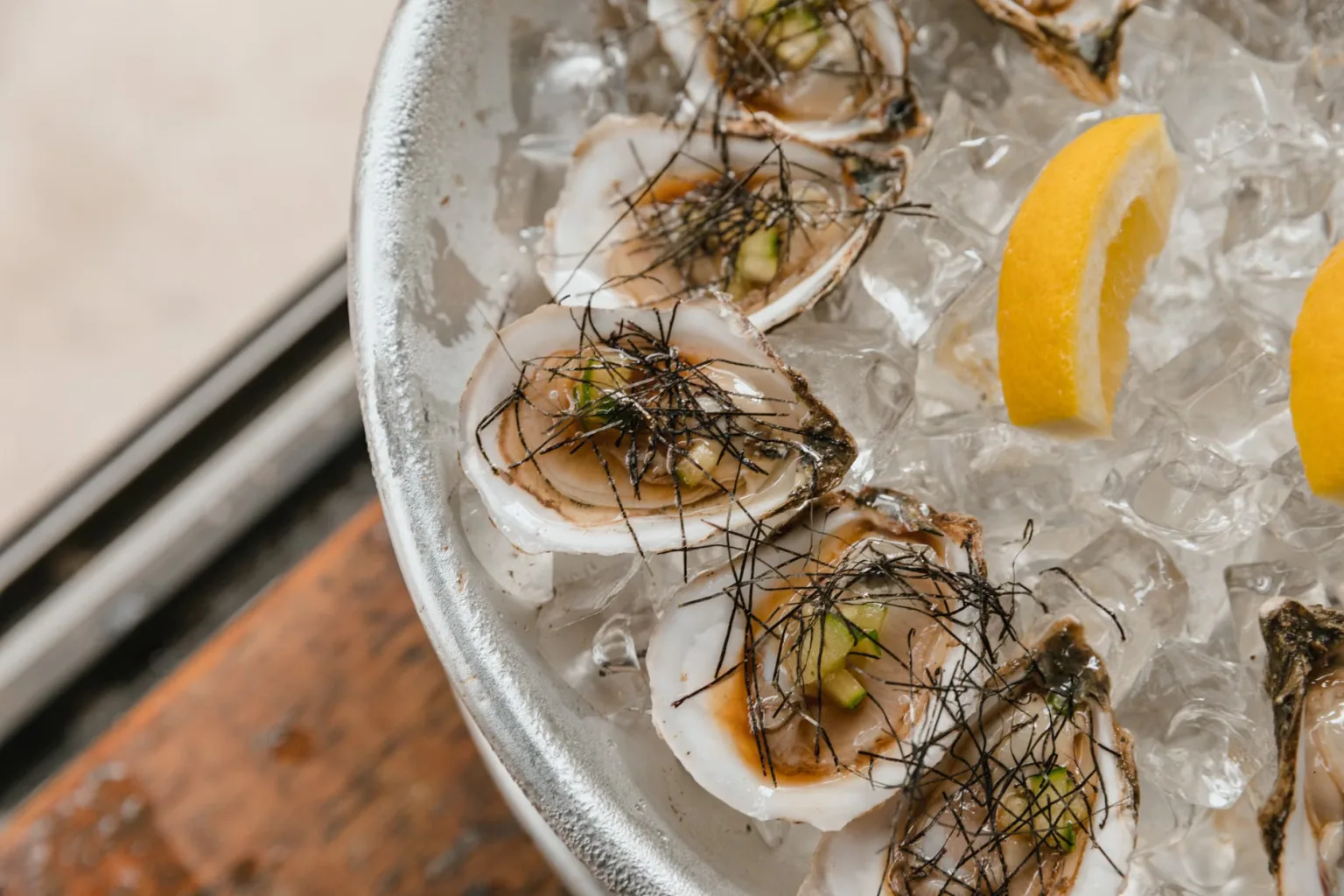
An oyster is a bivalve mollusk: its soft body is protected by two shells. Oysters are sold live in the shell or already shucked, and freshness checks depend on which form you buy. A live oyster shell should be closed; if it is open, it should close when tapped. Shucked oyster meat should look plump, smell mild, and sit in clear liquid. Oysters are commonly described as briny and marine in flavor, though individual oysters can differ. They may be served raw or cooked using methods such as steaming, grilling, pan-frying, deep-frying, baking, or broiling. Because raw oysters carry food-safety risks, choose a preparation with care and handle them responsibly.
When to use it
Choose oysters when you want to serve shellfish on their own as a starter or include them in a cooked seafood dish. Raw oysters can be presented in the shell with lemon or a vinegar-and-shallot mignonette; tasting one without a topping first lets you notice its own flavor. For a hot dish, oysters can be steamed, grilled, pan-fried, deep-fried, baked, or broiled. Flavor and texture vary among oysters, so do not assume every one will taste or feel the same. If serving them raw, remember that a fresh appearance or mild smell cannot establish that they are free of harmful microbes.
How to use it
Buy oysters from a reliable seafood seller and check that shell-on oysters are closed or close when tapped. Shucked oysters should look plump, smell mild, and have clear liquid. Keep them cold after purchase. To serve raw, open the shells carefully with an appropriate tool and serve simply, with lemon or mignonette. Opening shells requires care. Oysters can also be steamed, grilled, pan-fried, deep-fried, baked, or broiled. For a gratinated preparation, they pair well with butter, spinach, and breadcrumbs; for another flavor direction, steam them with ginger and scallion. Do not rely on appearance, smell, or taste to rule out harmful microbes, since contamination may not cause noticeable changes.
Flavour and texture
Oysters are often described as briny, mineral, and fresh, with some examples showing a hint of sweetness. Their flavor and texture can vary from one oyster to another and reflect differences in their growing environment. The meat may feel soft and delicate, while some oysters are perceived as firmer or meatier. Lemon and stronger sauces can complement an oyster but may also mask subtle flavors; tasting one plain is a useful way to notice its character.
How to choose it
Buy raw oysters in the shell or shucked only from a reliable market. Shell-on oysters should be closed; if one is open, tap it gently and check whether it closes. Shucked oysters should look plump, smell mild, and have clear liquid. Ask the seller about certified sourcing or check the processor tag or label where applicable. Avoid oysters with an unpleasant or clearly off odor.
Storage
Keep oysters cold on the way home and refrigerate them as soon as you arrive. Plan to use fresh oysters within one to two days, or freeze them if you will not use them within that period. For live, shell-on oysters, the cited handling guidance recommends refrigeration in a well-ventilated container. Do not leave them in a hot car or at room temperature for an extended period. Follow the seller’s and package’s storage directions as well.
Substitutions
There is no exact substitute for oysters: their briny flavor and texture can be distinctive. If a recipe allows other bivalves, clams or mussels can play a similar role, but the result will differ. Adapt the method to the handling guidance for the substitute you choose and keep it cold until preparation.
Common mistakes
Do not buy shell-on oysters that remain open when tapped, or shucked oysters with an unpleasant odor. Do not leave oysters unrefrigerated after purchase. Appearance, smell, and taste cannot prove that an oyster is free of harmful microbes. Avoid covering every oyster with strong condiments at the outset if you want to appreciate its own flavor.
Safety and allergens
Buy oysters from reliable sellers and keep them cold. Raw or undercooked oysters can cause foodborne illness; extra caution is important for pregnant people, older adults, young children, and people with weakened immune systems. Cooking reduces risk, but appearance and smell cannot confirm that oysters are free of harmful microbes. Handle shells carefully when opening them and follow local food-safety guidance.
Culinary uses
- Servir como marisco por sí solo, crudo o cocinado
- Aportar sabor marino a sopas, salsas y platos de marisco
Recommended techniques
- Servir crudas en su concha
- Cocinar al vapor, a la parrilla, a la sartén, fritas, al horno o gratinadas
Pairs well with
- Limón o salsa mignonette de vinagre y chalota
- Mantequilla, espinacas y pan rallado
- Jengibre, cebolleta y salsa de soja
Frequently asked questions
How can I tell whether a shell-on oyster is alive?
Its shell should be closed. If it is open, tap it gently or touch it; it should close. Do not use one that stays open.
How should shucked oysters smell?
They should have a mild odor, look plump, and have clear liquid. Avoid oysters with an unpleasant or clearly off odor.
Can I eat oysters raw?
Oysters are served raw, but raw oysters can carry food-safety risks that cannot be ruled out by appearance or smell. Cooking reduces risk, and more vulnerable people should take particular care.
How long can I keep fresh oysters?
Keep them cold and plan to use them within one to two days. If you will not use them within that period, the cited guidance recommends freezing them.
Estimated nutrition
- Fat
- 1.71 g
- Saturates
- 0.47 g
- Carbohydrate
- 2.72 g
- Sugars
- 0.62 g
- Fibre
- 0 g
- Protein
- 5.71 g
- Salt
- 0.21 g
Sources and review
Automatically researched, cross-checked and validated content. Sources consulted:
- Client Challenge doi.org
- Safe Handling of Seafood | Home & Garden Information Center hgic.clemson.edu
- Agencia Española de Seguridad Alimentaria y Nutrición aesan.gob.es
- Ostras en la gastronomía mundial - Ostras Sorlut ostrasorlut.com
- Ostras: guía rápida para gozar del alimento más lujurioso | El Comidista | Gastronomía | EL PAÍS elpais.com
- Descubrí las ostras y la salsa de ostras | Recetas Nestlé recetasnestle.com.ar
- Diversificación en acuicultura: Una herramienta para la ... mapa.gob.es
- A Deep Dive Into Oysters with Patrick McMurray ice.edu
- FSHN25-8/FS470: Ensuring Safe Oysters: Essential Handling, Preparing, and Cooking Practices ask.ifas.ufl.edu
- CA A122: Culinary Principles 2 < Coast Community College District catalog.cccd.edu
- Food Allergens - International Regulatory Chart | Food Allergy Research & Resource Program | Nebraska farrp.unl.edu
- On Cloud Nine – Sombrilla Magazine sombrilla.utsa.edu
- Las ostras, un auténtico tesoro gastronómico - El Blog de Mariskito mariskito.com
- Ostras: cuando el sabor del mar se concentra en un bocado - La Mesa Habla lamesahabla.com