- Category
- Sugar and sweeteners
- State
- Dry
- Usual unit
- g
What it is
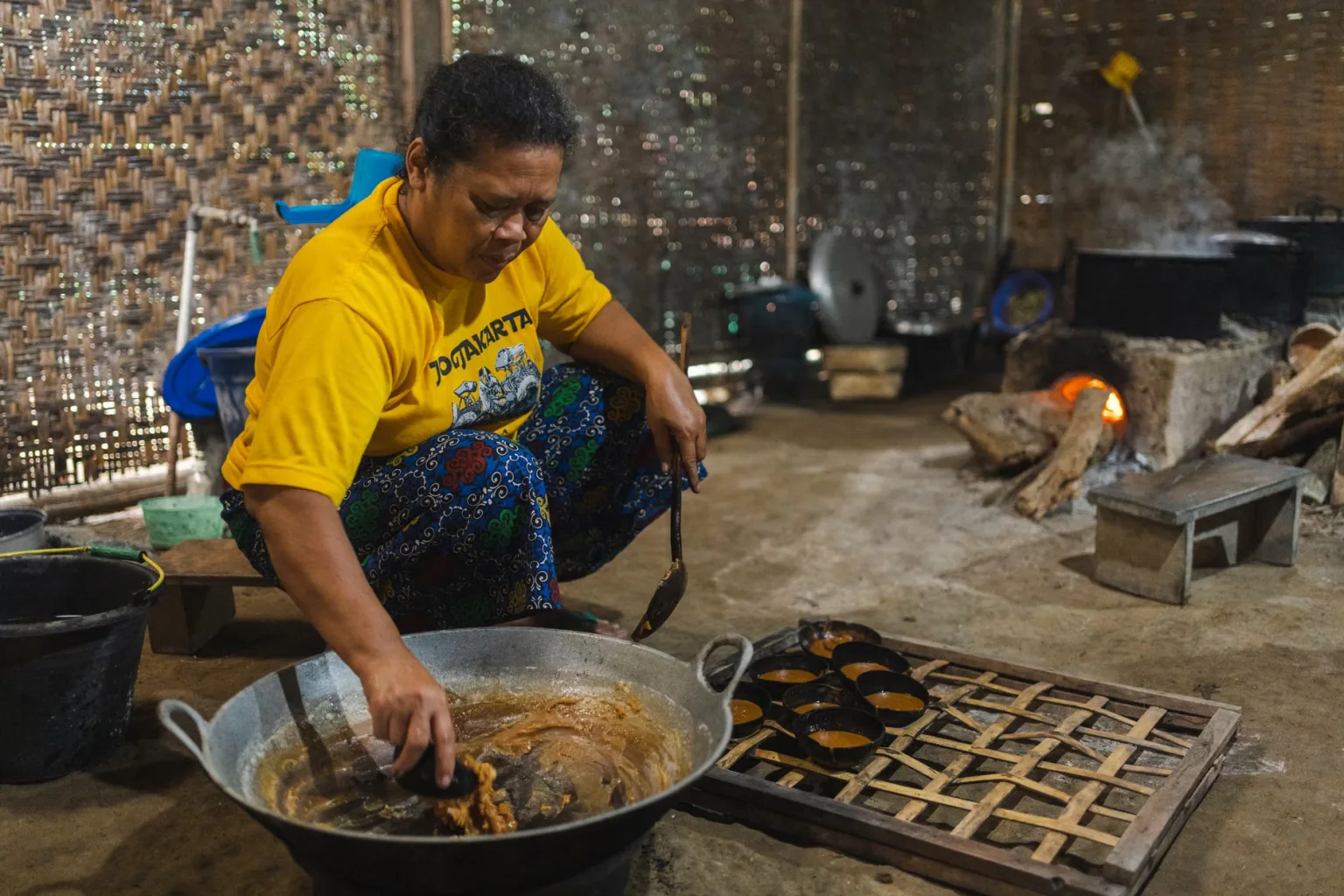
Palm sugar is a sweetener made by concentrating sap from one or more palm species. The name does not necessarily describe an identical product everywhere: the palm used, processing and form can vary. It is sold as solid blocks, granules and, depending on the product, paste. It should not automatically be treated as the same thing as coconut sugar: coconut sugar comes from the sap of the coconut palm, while palm sugar can refer to sugars from different palms. Flavor and color also vary; some versions resemble brown sugar, while others have caramel notes, floral hints or a smoky edge. Check the product name, ingredients and form on the package rather than assuming every version is alike.
When to use it
Use it when you want to sweeten a dish while adding a more distinctive flavor than neutral white sugar. It can go into curries, chutneys, dipping sauces, dishes such as pad Thai, and green papaya salad; it is also used in desserts and drinks. In savory food, its sweetness can help balance bold, acidic or spicy flavors. In sweet dishes, it serves as a sweetener in desserts and baking. Products vary in sweetness, flavor and form, so taste and adjust gradually instead of assuming that every variety will behave the same way.
How to use it
First check whether you have a block, granules or paste. Grate or chop a block into small pieces to help it incorporate; you can also soften it in liquid and stir until distributed. Add granules directly when the recipe gives them time to dissolve, and mix well. In curries, sauces, chutneys or dressings, add a little, let it blend in, and taste before adding more. In desserts, drinks and baking, use it as a sweetener while allowing for differences in flavor and sweetness from white sugar. If a recipe calls for palm sugar and you have another sweetener, adjust the amount gradually and taste the result.
Flavour and texture
Flavor and texture depend on the palm and how the sugar is processed. It may suggest brown sugar, caramel or molasses, with possible floral, coconut-like or smoky notes. Its color ranges from brown to darker shades. It is sold in blocks, granules and, in some products, paste, so the different forms do not always dissolve or measure in the same way.
How to choose it
Read the product name and ingredient list: palm sugar can refer to sugars from different palms, while coconut sugar specifically comes from the coconut palm. Choose a form that suits your recipe: granules are easy to measure, while a block can be grated or chopped. Check that the package is intact and clearly identifies the product, especially if you need a particular palm source or form.
Storage
Follow the package directions because products may differ in form and composition. One culinary source recommends keeping palm sugar in an airtight container in a dry place away from light. Reseal the package after each use and avoid putting damp utensils into it. If the product is a paste or has specific storage instructions, follow the manufacturer’s directions.
Substitutions
Coconut sugar is a close alternative, but it is not necessarily the same product. Brown sugar, maple sugar, maple syrup or honey may also work, though they bring different flavors and forms. The culinary source consulted describes maple sugar as sweeter, so start with less and adjust to taste. Honey and syrups are liquids and may change a recipe’s consistency.
Common mistakes
Do not assume that all palm sugar comes from coconut palms or that it can always replace coconut sugar without adjustment. When swapping a block for granules, consider how it will dissolve. Dark color alone does not identify the palm or reliably predict flavor. Add gradually and taste, especially in savory dishes.
Safety and allergens
The supplied evidence establishes no ingredient-specific safety warning. Check the label for the product’s ingredients and follow the manufacturer’s directions. If you need to avoid an ingredient because of an allergy, do not infer its absence from the product name; check the package.
Culinary uses
- Sweetener for desserts and drinks
- Flavor balancer in savory sauces, curries and salads
Recommended techniques
- Grate, chop or break a solid block into smaller pieces
- Dissolve or stir into a liquid, sauce or curry
- Use as a sweetener in baking
Pairs well with
- Curries, chutneys and dipping sauces
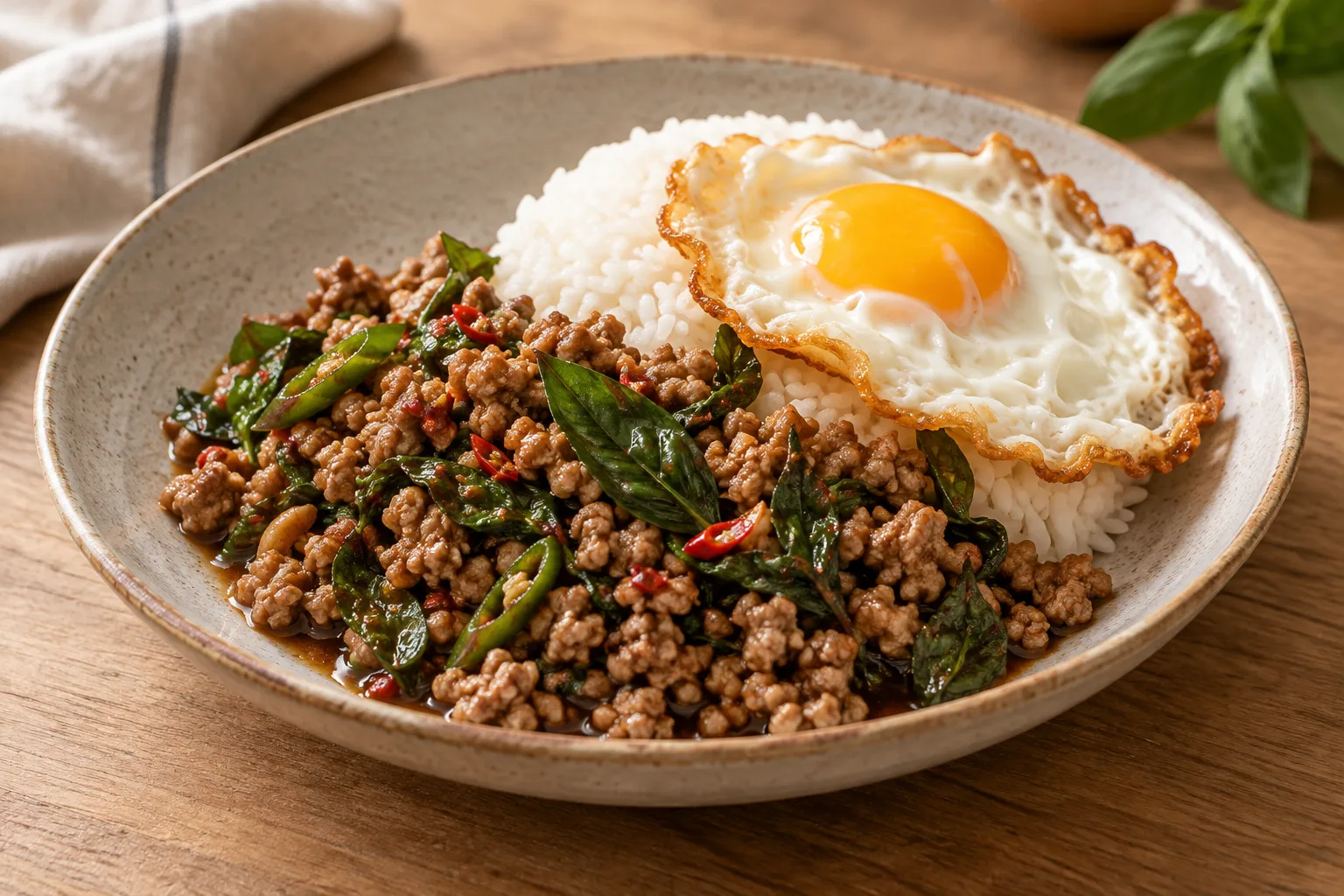
- Pad Thai and green papaya salad
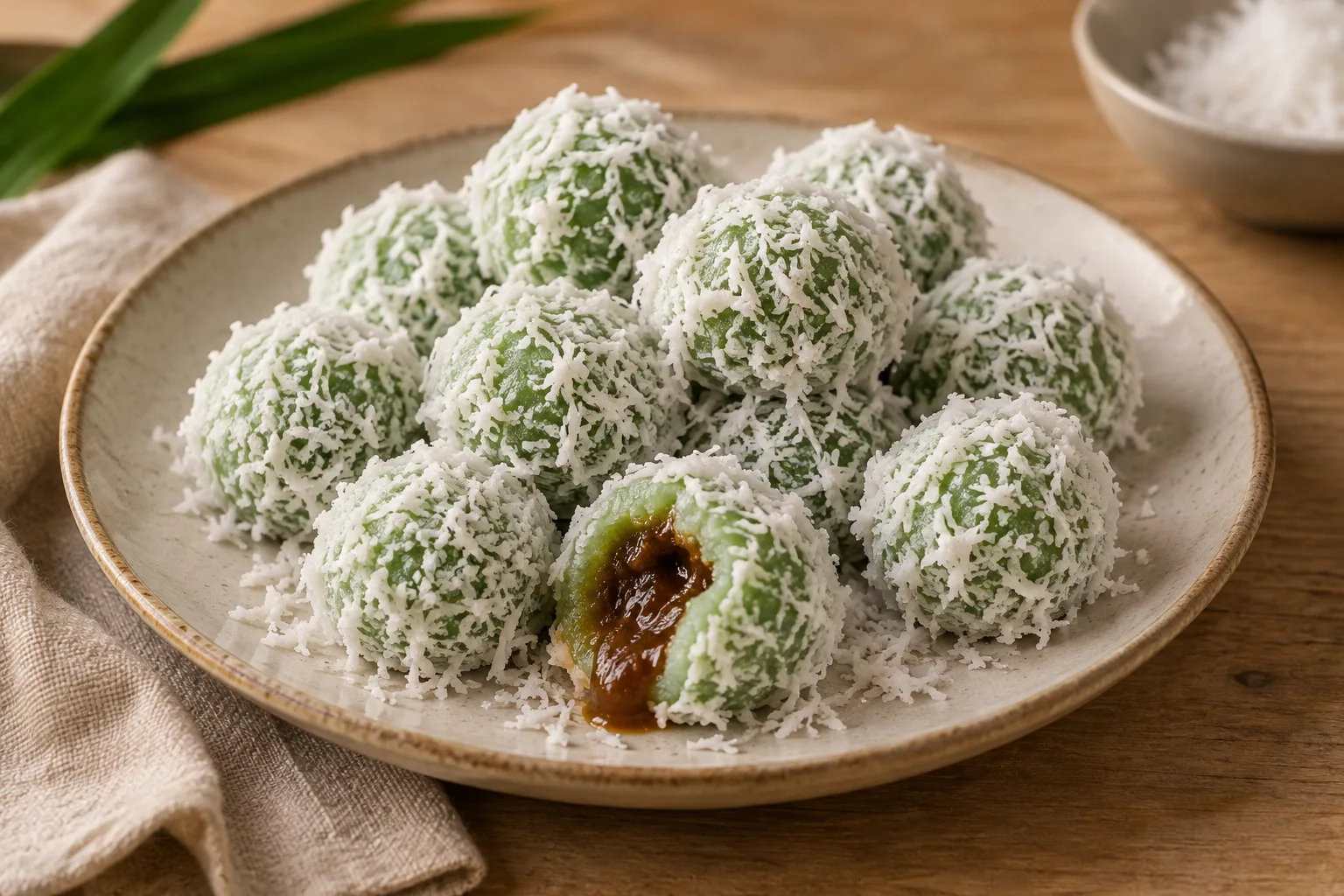
- Milk-based and other desserts
- Chai and other sweet drinks
Frequently asked questions
Are palm sugar and coconut sugar the same?
Not necessarily. Coconut sugar comes from coconut palm sap, while palm sugar can refer to sugars from different palms. Some products may substitute for one another, but they are not always identical.
How do I use a block of palm sugar?
Grate or chop it into small pieces. You can also soften it in liquid and stir until it is incorporated.
What dishes use palm sugar?
It is used in sauces, curries, chutneys, pad Thai, green papaya salad, desserts and drinks. The best use depends on the recipe and the particular product.
What can I use instead of palm sugar?
Try coconut sugar, brown sugar, maple sugar, maple syrup or honey. Adjust gradually because flavor, sweetness and consistency can change.
Estimated nutrition
- Fat
- 0 g
- Saturates
- 0 g
- Carbohydrate
- 84.2 g
- Sugars
- 84.2 g
- Fibre
- 0 g
- Protein
- 0 g
- Salt
- 0.53 g
Sources and review
Automatically researched, cross-checked and validated content. Sources consulted:
- memoriaaesan2022 aesan.gob.es
- Qué es la psicología de emergencia y por qué es fundamental en La Palma doi.org
- Arroz Meloso con Mango - MyLLU - Loma Linda University myllu.llu.edu
- Engineering Senior Design Projects | St. Mary's University | San Antonio, Texas stmarytx.edu
- Nontimber Forest Products for Small Woodland Owners: Reishi Mushroom Growing Guide | Servicio de Extensión de OSU extension.oregonstate.edu
- Opciones de fertilizacion para el cultivo de caña de azucar ... ageconsearch.umn.edu
- ¿Qué es el azúcar de palma? Orígenes, producción y usos culinarios | Cuisinenet cuisinenet.com
- Azúcar de Palma — Open Spice Box openspicebox.com
- ¿Qué es el azúcar de palma? marcwiner.com
- Azúcar de palma - Wikipedia, la enciclopedia libre es.wikipedia.org
- AZÚCAR DE PALMA - Sosa sosa.cat