- Category
- Grains, flour and pasta
- State
- Other
- Usual unit
- g
What it is
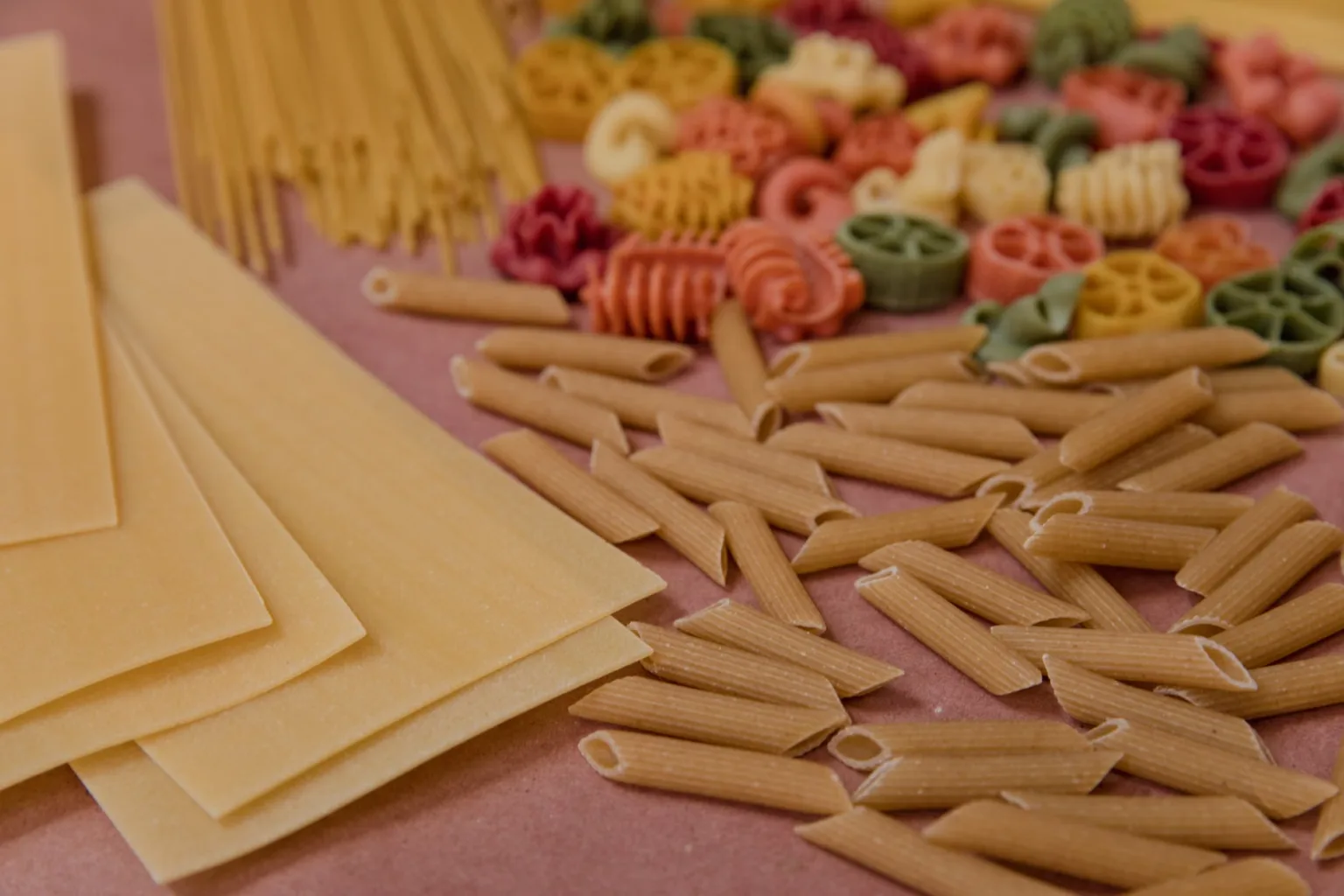
Pasta is a broad family of foods made from dough, usually combining flour or semolina with water. Depending on the variety, the flour may come from different grains, and the recipe may include egg, salt, or other ingredients. Shapes include long strands, short pieces, sheets, and filled varieties. Pasta is also sold fresh or dried, differences that affect texture, use, and storage. The word “pasta” therefore does not identify one fixed recipe or ingredient list. Check the package or ask the seller for the ingredients and allergen information for the specific product, especially when choosing filled or enriched varieties.
When to use it
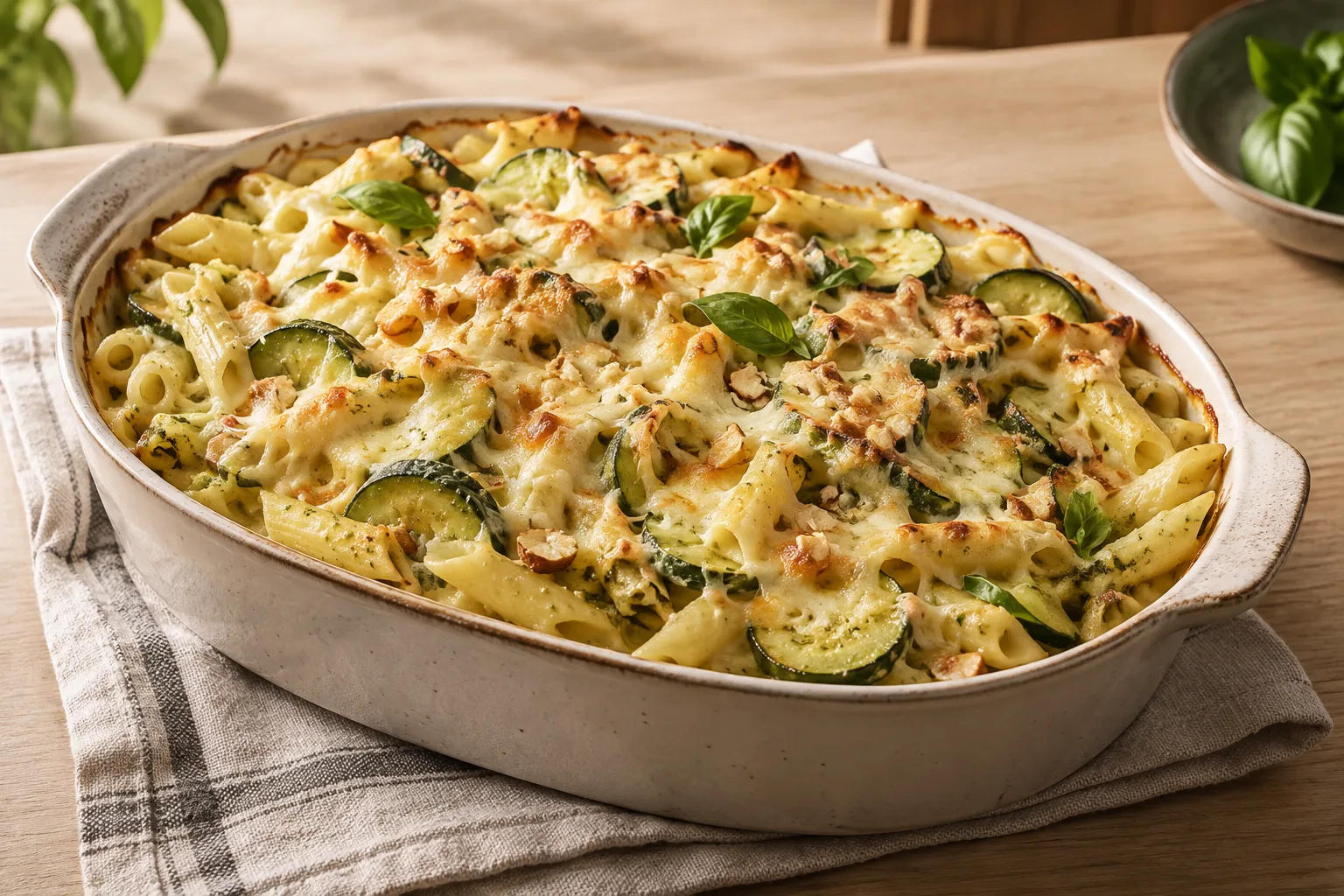
Use pasta as the base of a meal, to give substance to soup, or as part of a layered baked dish. Short shapes can work well with chopped vegetables or sauce; sheets and tube shapes suit layered dishes or fillings when the product is intended for that use. Choose a variety to match the preparation and follow its package directions. Fresh, dried, filled, and differently formulated pasta are not interchangeable in every recipe, so consider the shape and ingredients before substituting.
How to use it
For purchased fresh or dried pasta, check the package directions first: shape and formulation affect how it cooks. Pasta is commonly cooked in boiling water and drained; check the texture and remove it when it suits your dish rather than assuming every shape needs the same cooking time. Then combine it with the sauce or other recipe ingredients. For a cold dish, allow the cooked pasta to cool before mixing it with the other components. Fresh pasta can be made at home by combining flour and egg, kneading, rolling, and cutting the dough, though recipes differ. Do not taste raw dough containing flour or egg; follow suitable handling and storage directions for the recipe.
Flavour and texture
Pasta usually has a mild, grain-like flavor, which varies with the flour and added ingredients. Once cooked, it can be firm, tender, or softer depending on its shape, formulation, and cooking. Dried pasta tends to be firmer and denser than fresh pasta, while fresh pasta may be more tender and smooth. Egg, fillings, and other additions also change flavor and texture, so the product label and appearance can help set expectations.
How to choose it
Choose a shape and type to suit the dish, and check whether the product is fresh, dried, filled, or enriched. Read the ingredient list and allergen information: recipes vary, and some include egg or ingredients in addition to grain. Check that the packaging is intact and note the manufacturer’s use and storage directions. If buying unpackaged pasta, ask about its ingredients and allergens when this information is not clearly displayed.
Storage
Follow the package storage directions because requirements depend on whether the pasta is fresh, dried, or filled and on its ingredients. Dried pasta generally keeps its quality best in a clean, dry, dark place, protected from moisture. Do not assume fresh pasta, especially homemade pasta or pasta containing egg, stores like dried pasta: check the recipe or seller’s directions and refrigerate it if instructed. Once cooked, store it according to suitable guidance for cooked foods.
Substitutions
You can substitute a similarly sized and suited pasta shape if the recipe allows, adjusting cooking according to the chosen product’s directions. Pasta made from other grains, such as rice or buckwheat, may be an option when avoiding wheat, but check ingredients and allergen information because alternative pastas do not all have the same composition. Noodles may work in soups or similar dishes; filled pasta has no direct plain-pasta replacement without changing the result.
Common mistakes
Do not assume every pasta is alike: shape, ingredients, texture, and cooking directions vary. Avoid applying dried-pasta storage guidance to fresh pasta or replacing one with filled pasta without considering the difference. Do not overlook the ingredient list and allergen information, especially for egg pasta or filled varieties. There is no universal cooking time, so check the package and assess the texture as it cooks.
Safety and allergens
Check the ingredient list, allergen information, and package directions for use and storage. Products vary; ask the seller if the information is unclear. For homemade pasta, follow a reliable recipe and its handling and storage directions.
Culinary uses
- Base para platos principales
- Ingrediente para sopas y guisos
- Soporte para salsas y rellenos
Recommended techniques
- Cocer en agua hirviendo y escurrir
- Hacer masa, estirarla y cortarla para pasta fresca
- Añadir a sopas o preparar en capas al horno
Pairs well with
- Salsas de tomate
- Verduras y hortalizas
- Quesos
- Carne o pescado, según la receta
Frequently asked questions
Does all pasta contain wheat?
No. Pasta is also made from other grains, but the ingredients depend on the product. Read its ingredient list and allergen information.
Do fresh and dried pasta cook the same way?
Not necessarily. Shape and formulation affect cooking, so follow the package directions and check the texture.
How should I store pasta?
Follow the package or recipe directions. Fresh and dried pasta may need different storage, so do not treat them as the same product.
Estimated nutrition
- Fat
- 1.51 g
- Saturates
- 0.28 g
- Carbohydrate
- 74.7 g
- Sugars
- 2.67 g
- Fibre
- 3.2 g
- Protein
- 13 g
- Salt
- 0.02 g
Sources and review
Automatically researched, cross-checked and validated content. Sources consulted:
- En el etiquetado alimentario hay algunas menciones que son obligatorias eletiquetadocuentamucho.aesan.gob.es
- Client Challenge doi.org
- Cooking Food Storage | USU extension.usu.edu
- Aesan - Agencia Española de Seguridad Alimentaria y Nutrición aesan.gob.es
- Pasta - Wikipedia, la enciclopedia libre es.wikipedia.org
- Cooking Fresh or Dry Pasta Formula - Ratio Guide - LibGuides at Conrad N. Hilton Library library.culinary.edu
- Pasta Types Chart: Ultimate Guide to 20+ Shapes & Sizes - CodeForge Studio 6857simon.csail.mit.edu
- Preparing an Emergency Food Supply, Long Term Food Storage | Food Preservation | Food | Extension | UGA FACS fcs.uga.edu
- 1 DENOMINACIÓN DE ORIGEN PROTEGIDA "CABRALES" mapa.gob.es
- Making Fresh Pasta - Escoffier escoffier.edu
- Homemade Egg Noodles Made Safe • AnswerLine • Iowa State University Extension and Outreach blogs.extension.iastate.edu
- Preparing an Emergency Food Supply, Long Term Food Storage ucanr.edu
- Pastabilities | Montana State University montana.edu
- Cereales y derivados 69 La pasta son unos alimentos preparados con fen.org.es
- Pasta, origen del alimento más versátil, tipos y recetas - Topgastronomico topgastronomico.es