- Category
- Pulses
- State
- Paste
- Usual unit
- g
What it is
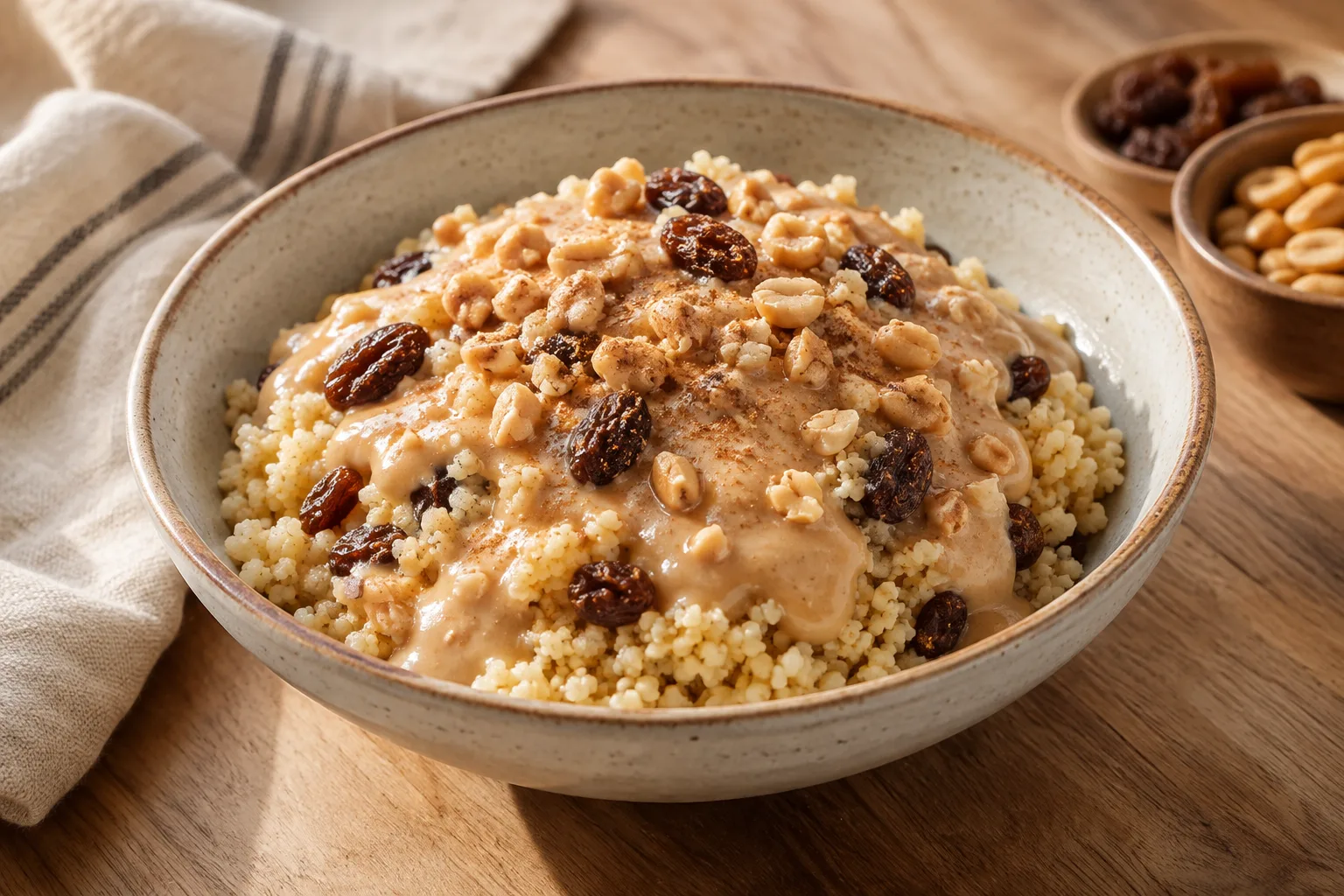
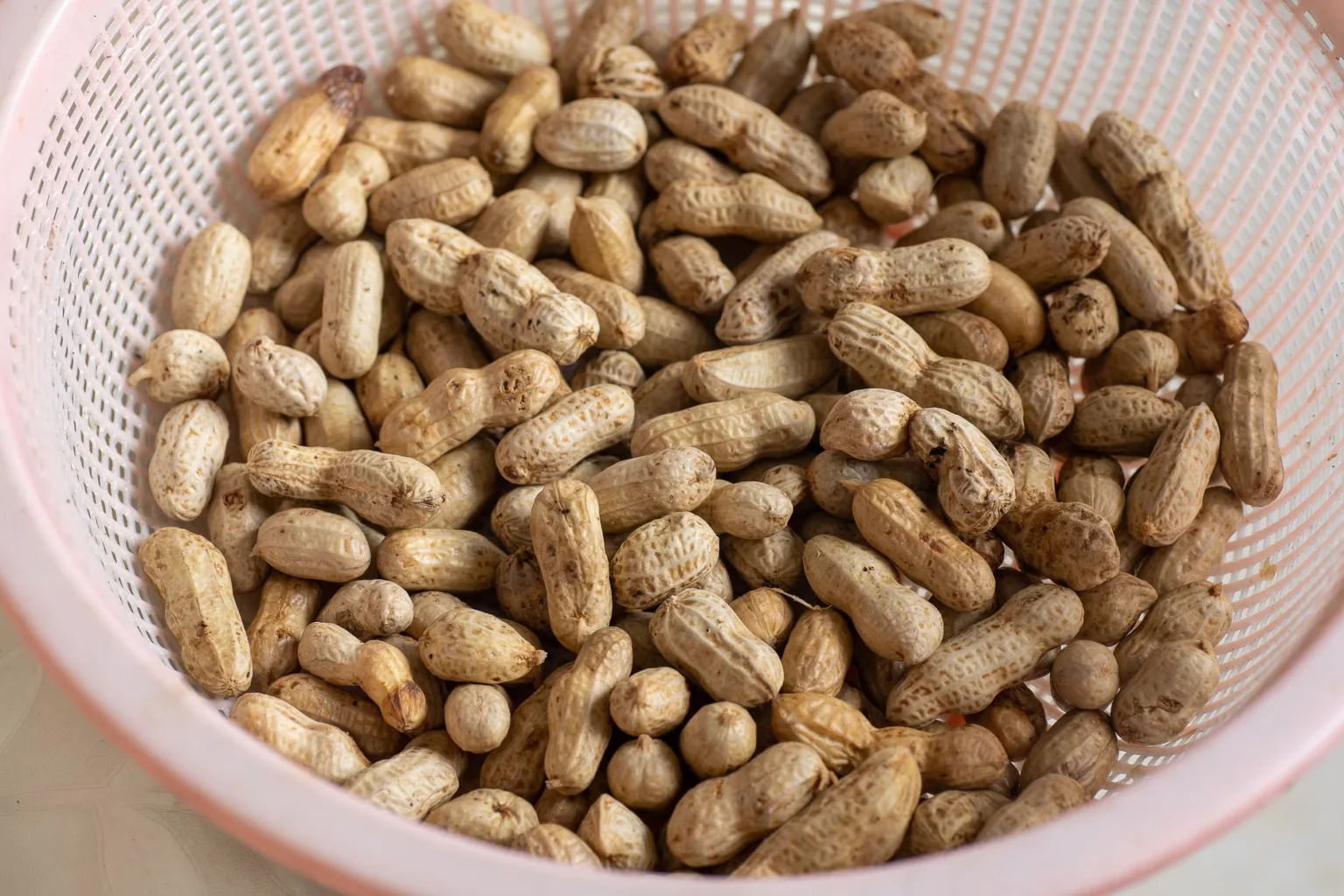
Peanut paste is made from ground peanuts. Cooks use it for its distinctive peanut flavor and the creamy or thick consistency it can bring to a dish. Products do not all have the same formula: some may consist mainly of peanuts, while manufacturers may add ingredients such as salt, sugar, or oil to others. The name alone therefore does not tell you whether two jars will taste or feel the same, or contain the same ingredients. It may also be sold as peanut cream or peanut butter; check the label to learn what a particular product contains. Botanically, peanuts are legumes in the Fabaceae family, even though they are often used in ways that resemble some tree-nut products.
When to use it
Use peanut paste when you want to add a distinct peanut flavor to a sauce, dressing, or slow-cooked dish. A little can give body to soups, stews, and stir-fries; it can also be mixed with other ingredients to accompany rice, noodles, vegetables, or chicken. In sweet cooking, it pairs well with oats, banana, honey, or chocolate and can be incorporated into cookie dough and other batters. Choose a product whose ingredients suit the recipe: a salted or sweetened paste can change the balance of a dish. If you have not used that product before, taste it first and adjust the seasonings afterward.
How to use it
To make a sauce, combine the paste with the other ingredients gradually and stir until incorporated; for example, it can be mixed with soy sauce and something spicy. If the mixture is too thick, add liquid a little at a time until it reaches the consistency you want. You can also stir it into soups or stews so it is evenly distributed. For salads, use it as part of a dressing; for stir-fries, mix it with the seasonings or sauce before serving or adding it to the dish. In sweet recipes, blend it into a batter or combine it with oats, fruit, or yogurt. Check whether the product already contains salt, sugar, or oil before seasoning, as those additions can affect the result.
Flavour and texture
Peanut paste has a pronounced peanut flavor. Depending on the product and any added ingredients, it may taste more roasted, salty, or sweet. Its texture is generally thick and creamy, making it useful for adding body to sauces, dressings, and batters. Some pastes separate, with oil collecting on top; this can be normal for natural products, so the surface may not represent the texture of the stirred paste. Stirring can help restore a more even consistency. Since products vary by brand, taste yours before adjusting the seasoning of a recipe.
How to choose it
Read the ingredient list to see whether the product contains only peanuts or also salt, sugar, oil, or other additions. This helps you choose a paste for a savory sauce or sweet recipe and adjust the seasoning accordingly. Check the package description and directions too: peanut pastes and butters do not all have the same formulation. If your recipe calls for a smooth texture, select a product that seems suitable for that use; if you are unsure, taste a small amount first. Review the label before buying, especially if you need to avoid particular ingredients.
Storage
Follow the storage directions on the package first, since they can differ by formulation. Oil separation can be normal in natural peanut paste; stir to bring it back together. A food-extension guide recommends refrigerating natural peanut butter after opening to reduce separation. For some commercially processed products, it says they may be kept in the pantry for a while after opening, with refrigeration recommended afterward. Since directions depend on the product, do not assume every paste should be stored in the same way or disregard its label.
Substitutions
Peanut paste and peanut butter can replace one another in many sauces and recipes, but check whether their salt, sugar, oil, or texture differs. If you need an alternative without peanuts, sunflower seed paste may work in some soups and sauces; adjust for the flavor and consistency you want. A substitute will not necessarily taste identical. Check the alternative product's ingredients too, and make sure it suits the needs of the people who will eat it.
Common mistakes
Do not assume every peanut paste has the same ingredients: some contain added salt, sugar, or oil, while others do not. Avoid adding seasonings before tasting the product, or you may throw off the finished flavor. A layer of oil in a natural paste is not necessarily a fault; separation can be normal, and stirring can bring it back together. When replacing it with another spread or paste, allow for changes in flavor and texture and adjust the recipe gradually.
Safety and allergens
Check the product and other ingredient labels, and follow the storage instructions on the package. If you need to avoid peanuts or other ingredients, verify that the product is suitable for you before using it.
Culinary uses
- Base cremosa para salsas y aderezos
- Ingrediente para sopas, guisos, salteados y repostería
Recommended techniques
- Mezclar con líquidos y condimentos para preparar una salsa uniforme
- Incorporar a masas, sopas o guisos para aportar cuerpo y sabor
Pairs well with
- Tomate, cebolla, ajo y especias en salsas y guisos
- Arroz, fideos, verduras y pollo
- Avena, plátano, miel o chocolate en preparaciones dulces
Frequently asked questions
Are peanuts legumes?
Yes. Peanuts are botanically legumes in the Fabaceae family, even though peanut paste is used in ways that resemble some nut spreads.
Why has oil separated on top?
Oil separation can be normal in natural peanut paste. Stir it to recombine the contents, and check the label for storage directions.
How can I use peanut paste in a savory dish?
Mix it with other ingredients for a sauce or dressing, or stir it into soups, stews, and stir-fries. Check whether it already contains salt or sugar first.
Sources and review
Automatically researched, cross-checked and validated content. Sources consulted:
- Preparación para Emergencias: Almacenamiento de Alimentos a Largo Plazo para Desastres | CAES Field Report fieldreport.caes.uga.edu
- ¿Por qué la muerte es origen de miedos y tabúes? doi.org
- Cómo utilizar la mantequilla de maní – Food Smart Colorado foodsmartcolorado.colostate.edu
- Usos del cacahuete en la cocina y en la industria | Itac Professional itac-professional.com
- revista del - Comité Científico aesan.gob.es
- Dictionary of Health Related Terms: English – Spanish hia.berkeley.edu
- Cacahuetes: qué son, origen, propiedades nutricionales y usos en la cocina abc.es
- Cacahuete: qué es, propiedades y usos culinarios bonviveur.com
- Family Food Cent$ newsletter - febrero 2022 - SDSU Extension extension.sdstate.edu
- Food & Fun Afterschool - Super Snacks Parent Handout hsph.harvard.edu
- V V Version i culinaryinstitute.edu
- Sopa de Cacahuates (Manís) del Oeste Africano | Servicio de Extensión de OSU extension.oregonstate.edu
- Recetas - Expanded Food and Nutrition Education Program efnep.tamu.edu
- Pasta de cacahuete, un tesoro en la cocina y en la mesa | Distribuidora Latinoandina distribuidoralatinoandina.com
- Pasta de cacahuete | Enfoque sobre este ingrediente de uso mundial safinel.fr