- Category
- Nuts and seeds
- State
- Dry
- Usual unit
- g
What it is
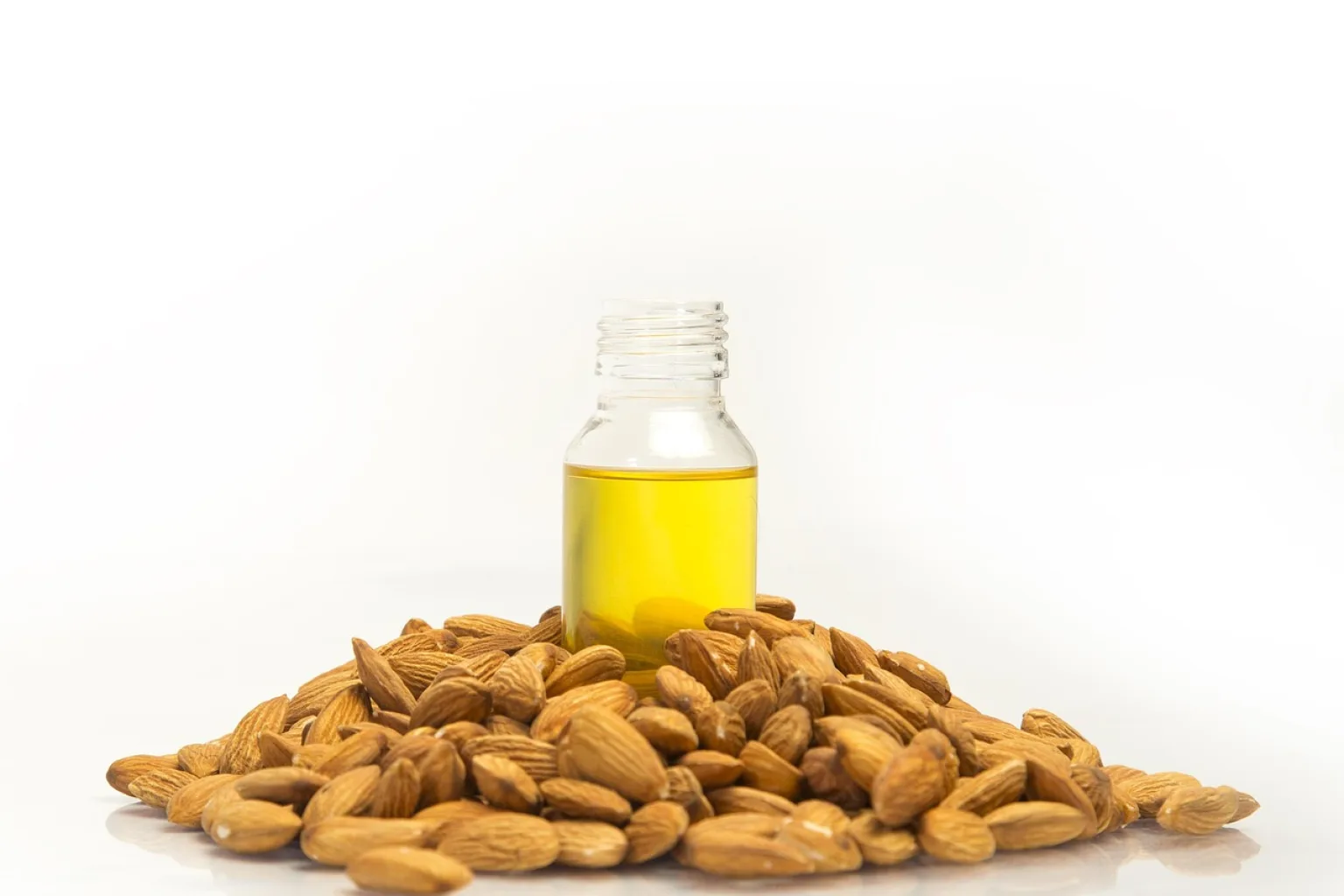
Peeled almonds are almond kernels from which the thin brown outer skin has been removed. The almond is the edible seed associated with the fruit of the almond tree, and it is sold in different forms, including whole, ground and toasted. “Peeled” describes the absence of the skin; by itself, the term does not mean that the almonds are toasted, ground or sweetened. In cooking, peeled almonds provide a pale color and let you use the ingredient without including the skin in the preparation. They can be used whole or cut and ground to suit the texture a recipe needs. Check the package to confirm the form and whether any other ingredients have been added.
When to use it
Choose peeled almonds when you want almond flavor without the look of the brown skin, such as in some doughs, cakes, creams or confectionery. Whole or chopped almonds can also be added to sweet and savory recipes. Ground almonds work in preparations such as marzipan, macarons and other pastry. If you want stronger toasted notes, toast them before use; if a recipe calls for a fine texture, grind them. Grinding changes the texture and how the almond incorporates, so follow the form specified in the recipe.
How to use it
Before cooking, check that the product is peeled almonds and read the label to see whether it is raw, toasted or contains added ingredients. Use the almonds whole to add pieces to a preparation, chop them to distribute them more easily, or grind them to the texture the recipe calls for. In baking, they can be mixed into doughs and sweets or made into a paste with other ingredients as directed by a recipe. In sauces and creams, grinding helps incorporate them more evenly. You can also toast them for a more pronounced flavor; keep an eye on them and do not let them burn. Add ground almonds as directed, because replacing them with whole almonds will not produce the same texture.
Flavour and texture
Peeled almonds have a distinct, generally mild flavor and a pale color because the outer skin is absent. Whole, they have a firm, crunchy texture; chopped or ground, their texture depends on the particle size. Toasting brings out more pronounced toasted notes. Variety and processing can affect flavor and texture, so do not assume that every peeled almond product has exactly the same profile.
How to choose it
Choose the form your recipe needs: whole, chopped and ground peeled almonds do not behave in the same way. Read the label to check whether they are raw or toasted and whether ingredients have been added. If a recipe depends on a particular texture, buy the right form or grind the almonds yourself. Also check the package’s storage directions and allergen information, especially when cooking for other people.
Storage
Follow the storage directions on the package, as they can differ by product and presentation. For nuts and their products, a university extension source gives 0–7 °C and 60–75% relative humidity as a general optimal storage range; it does not provide a specific household storage life for every package here. Keep the product closed according to the manufacturer’s instructions, and check its date and appearance before use.
Substitutions
There is no exact substitute for peeled almonds. Pistachios or pine nuts may work as alternative nuts in some recipes, but they will change the flavor and possibly the texture. Ground, whole and toasted almonds are not automatically interchangeable either: each form has a different particle size or toasted profile. Check whether the recipe relies on almonds for its structure.
Common mistakes
Do not confuse “peeled” with “toasted” or “ground”: the term only means that the skin has been removed. Avoid replacing ground almonds with whole ones without adapting the recipe, as the resulting texture will be different. If you toast them, do not let them burn; toasting should deepen their aroma rather than overwhelm it. Finally, do not assume a packaged product contains only almonds—check the label.
Safety and allergens
Almonds are a tree-nut allergen. If you have an almond allergy, do not eat products containing almonds and check the allergen information provided on the package or by the food business. When cooking for others, confirm their needs and check product information. An AESAN food alert cited here concerns a specific product and should not be treated as a general alert about all almonds.
Culinary uses
- Base o ingrediente para repostería y dulces
- Ingrediente para salsas y cremas
Recommended techniques
- Moler para obtener una textura fina o granulada
- Tostar para intensificar el aroma y las notas tostadas
Pairs well with
- Naranja, vainilla y chocolate
- Cerezas, ciruelas y melocotones
- Pistachos y piñones
Frequently asked questions
What does “peeled” mean for almonds?
It means the thin outer skin has been removed. It does not, by itself, mean the almonds are toasted or ground.
Can peeled almonds be ground?
Yes. Grind them to the texture your recipe needs; ground almonds are used in a range of pastry preparations.
Are peeled almonds an allergen?
Yes. Almonds are tree nuts and can cause allergic reactions. Check allergen information and avoid them if you have an almond allergy.
Sources and review
Automatically researched, cross-checked and validated content. Sources consulted:
- En el etiquetado alimentario hay algunas menciones que son obligatorias eletiquetadocuentamucho.aesan.gob.es
- Client Challenge doi.org
- Aesan - Agencia Española de Seguridad Alimentaria y Nutrición aesan.gob.es
- Almendra: usos, variedades y combinaciones en pastelería pastrypedia.net
- Redescubre la almendra, el fruto seco más popular: sus propiedades, usos en la cocina y cinco recetas para disfrutarla directoalpaladar.com
- Almendras: qué son, propiedades y usos en cocina bonviveur.com
- FSHN20-48s/FS423: Leches a base de plantas: Almendras ask.ifas.ufl.edu
- Queso de Almendra 1920s (Almond Cheese Candy) - lacocina.utsa.edu
- Las Bibliotecas de UTSA y sus Colecciones Especiales presentan VOL. 3 lib.utsa.edu
- Using and Preserving Cranberries - National Center for Home Food Preservation nchfp.uga.edu
- ESTRATEGIA DE EXPORTACIÓN DE ALMENDRAS ... repositorio.comillas.edu
- Commercial storage of whole and diced almonds, pecans and hazelnuts? | Postharvest Research and Extension Center postharvest.ucdavis.edu
- Contributions of Medieval Food Manuals to Spain‘s Culinary Heritage scholar.uc.edu
- (PDF) Obtencion De La Almendra De La Nuez Del Maranon Anacardium Occidentale L y Su Conservacion Por Frito Salado academia.edu
- Cómo pelar las almendras y cómo utilizarlas peladas » Dolso dolso.es
- Almendras tostadas y almendras peladas: diferencias y usos - Benitoren benitoren.es