- Category
- Vegetables
- State
- Fresh
- Usual unit
- g
What it is
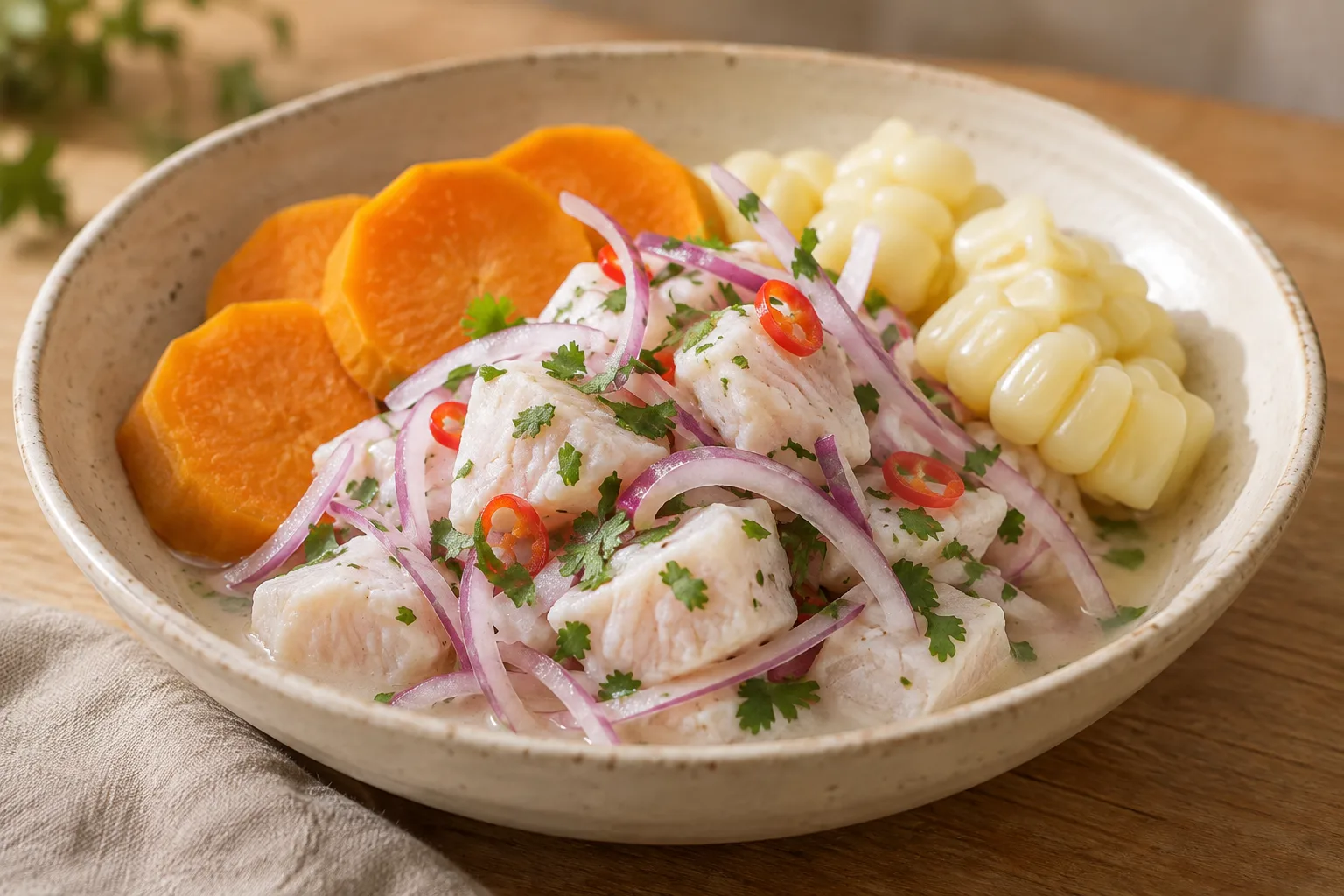
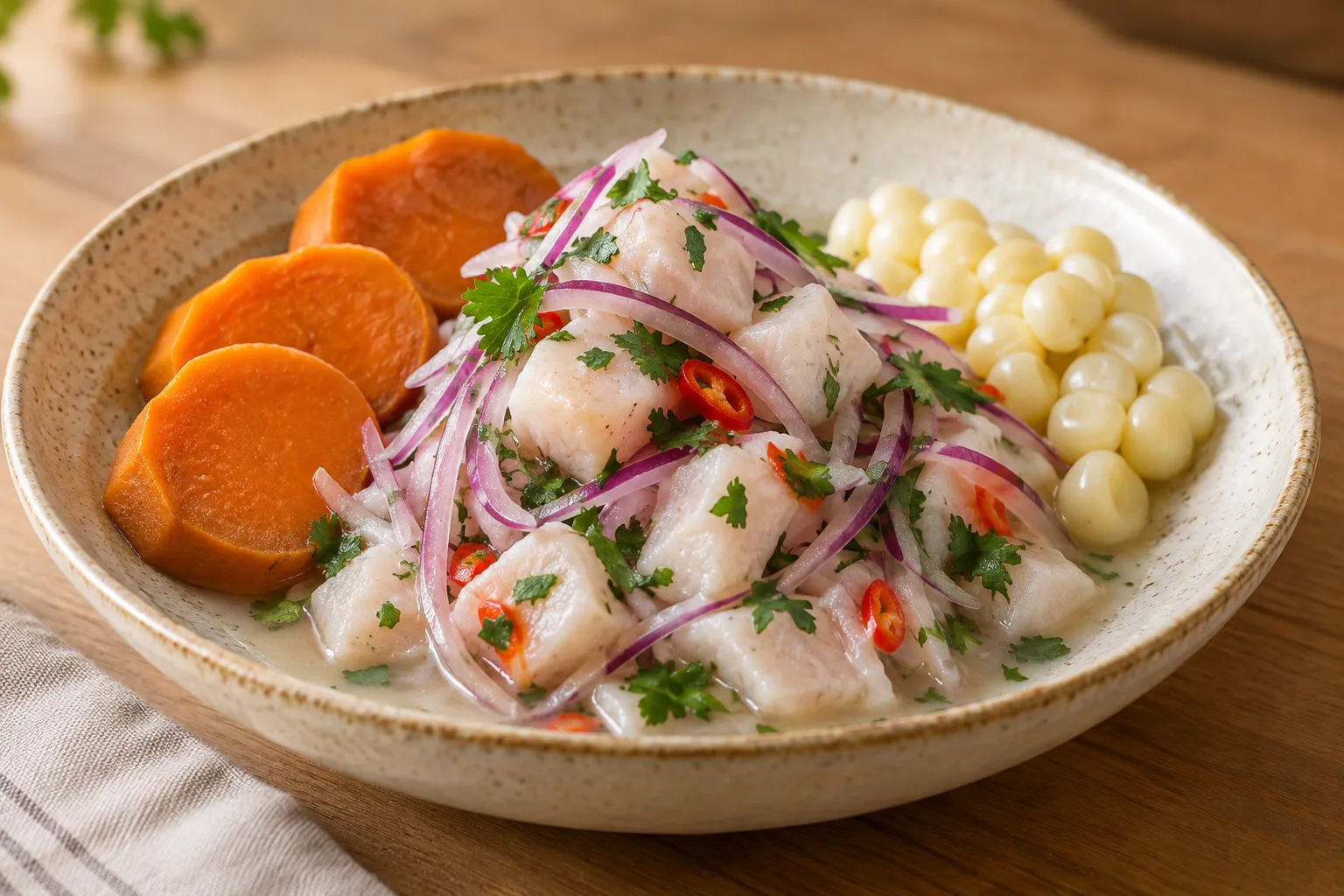
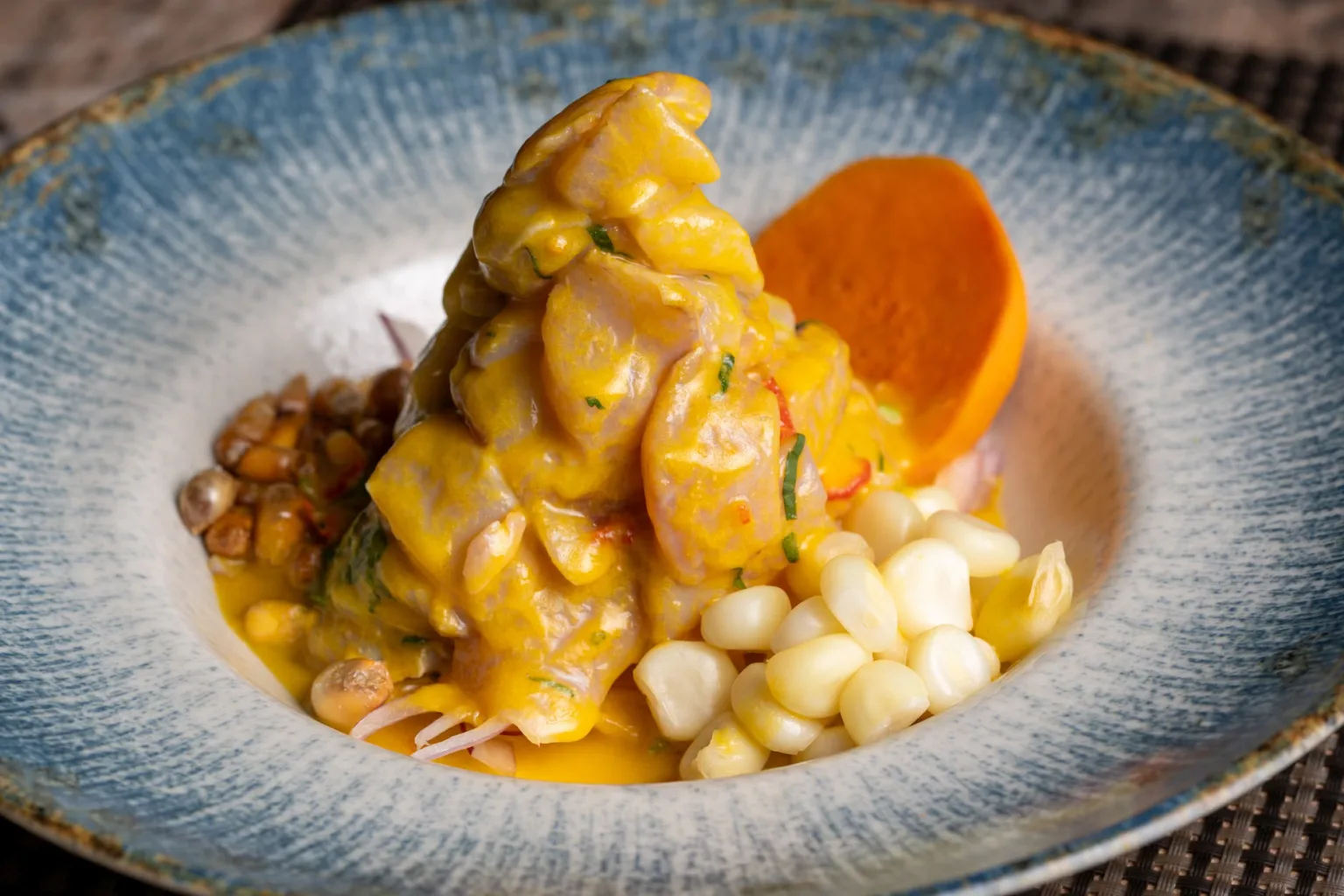
Choclo is a regional name for corn; the culinary source treats choclo, elote and maize as names for the same plant. This profile covers the fresh form, either on the cob or as kernels. It can be cooked whole, cut from the cob, or blended into a paste. Recipes in the evidence use corn in side dishes, salads, soups, stews and baked preparations, so it is not limited to one kind of meal. Kernel size, color and texture can vary between products; assess the corn in front of you rather than assuming every cob is identical.
When to use it
Use it when you want a corn side dish, kernels for a salad, or a familiar ingredient in soup or stew. A whole cob can be cooked and then browned; kernels are convenient for pan-cooking and mixing with other ingredients. For a baked preparation, blend the kernels into a paste. Choclo appears in both sweet and savory recipes, so choose the application to suit the dish and its other ingredients rather than relying on the regional name alone.
How to use it
Remove the husk and silk from the cob and wash it before cooking. To serve it whole, cook it until the kernels are tender, then brown it on a griddle or grill with a little oil and seasoning. To use kernels alone, cut them from the cob with a knife on a stable board and cook them in a pan; avoid crowding the pan if you want browning. You can also blend the kernels into a paste for a baked preparation. Pair them with salt, pepper and paprika, or add them to a salad with lime, chile, garlic, herbs and cheese. Adapt the method to the texture you want.
Flavour and texture
The recipes describe sweet corn as sweet and note that its kernels can be tender inside and browned or crisp outside when cooked. The final texture depends on the method: a cob keeps the kernels whole, pan-cooking can brown them, and blending creates a paste for baking. Sweetness and appearance can vary between products, so taste the corn before deciding how much seasoning to add.
How to choose it
Choose a cob that looks intact and avoid one with obvious damage. Check the husk and silk, and, if you can, look for kernels that appear sound and free of damaged patches. The available evidence does not provide a specific ripeness test or detailed guide to distinguishing varieties, so do not infer flavor or texture from the name choclo alone. For kernels sold ready-cut, look for clean, closed packaging without visible damage.
Storage
Treat fresh corn as perishable and refrigerate it soon after purchase. Keep it clean and protected from contamination and odors from other foods, and use older purchases first. The available sources do not give a corn-specific storage period, so do not assume one. Refrigeration helps maintain quality, but it cannot make food safe if it has been handled or stored improperly.
Substitutions
For a similar role in a recipe, substitute fresh sweet-corn kernels for fresh choclo kernels, or one fresh corn cob for another. The culinary source uses choclo, elote and corn as regional names for the same plant, although the product itself can still vary. Adjust seasoning and preparation to the texture of the corn you have; the available evidence does not establish exact equivalence with canned, frozen or dried products.
Common mistakes
Do not assume that every product called choclo has exactly the same kernel size, color or texture. Remove husk and silk before cooking, and avoid crowding kernels in the pan if you want them to brown. Do not mistake browning for burning, and taste before adding a lot of seasoning. General storage guidance should not be treated as a corn-specific storage deadline.
Safety and allergens
Wash the corn and your hands, and use clean utensils and surfaces. Refrigerate this perishable food promptly and discard it if its condition gives you reason for concern; the available sources identify no choclo-specific safety warning.
Culinary uses
- guarnición
- ingrediente para sopas, guisos, ensaladas y pasteles salados o dulces
Recommended techniques
- cocer y después dorar a la plancha o parrilla
- desgranar y saltear en sartén
- triturar para preparar una masa o pasta horneada
Pairs well with
- sal, pimienta, aceite y pimentón
- lima, chile, ajo, cebolla tierna, cilantro y queso
Frequently asked questions
Are choclo and corn the same?
The culinary source uses choclo, elote and corn as regional names for the same plant. The name does not mean every product has identical kernels or characteristics.
How can I cook corn on the cob?
Remove the husk and silk, wash the cob, cook it until the kernels are tender, and then brown it on a griddle or grill.
Can I use just the kernels?
Yes. Cut them from the cob and cook them in a pan, add them to salads, or blend them into a paste for baking.
Estimated nutrition
- Fat
- 14.3 g
- Saturates
- 5.36 g
- Carbohydrate
- 75 g
- Sugars
- 0 g
- Fibre
- 7.1 g
- Protein
- 7.14 g
- Salt
- 1,160 g
Sources and review
Automatically researched, cross-checked and validated content. Sources consulted:
- Client Challenge doi.org
- The Essential Glossary of Cooking Terms for the Culinary Arts - Escoffier escoffier.edu
- Food Selection & Storage | Home & Garden Information Center hgic.clemson.edu
- Chapter 2: In the Kitchen (Storing and Preparing Food; Preventing Food Waste) – Culinary Medicine opentextbooks.library.arizona.edu
- Culinary Institute of America | World's Premier Culinary College ciachef.edu
- Institute of Culinary Education | Ranked #1 Top Culinary School in America ice.edu
- Space Food, Chocolate Covered Cookies, STS-27 | National Air and Space Museum airandspace.si.edu
- Carbohydrate Food List med.virginia.edu
- Lo llames choclo, elote o maíz, aquí tienes 17 recetas para aprovechar al máximo su dulzura en la cocina directoalpaladar.com
- - YouTube youtube.com
- El Choclo Peruano: De los Incas a Ricardo Palma | Abrecht abrecht-group.com
- Pastel de choclo - Wikipedia, la enciclopedia libre es.wikipedia.org