- Category
- Grains, flour and pasta
- State
- Dry
- Usual unit
- cup
What it is
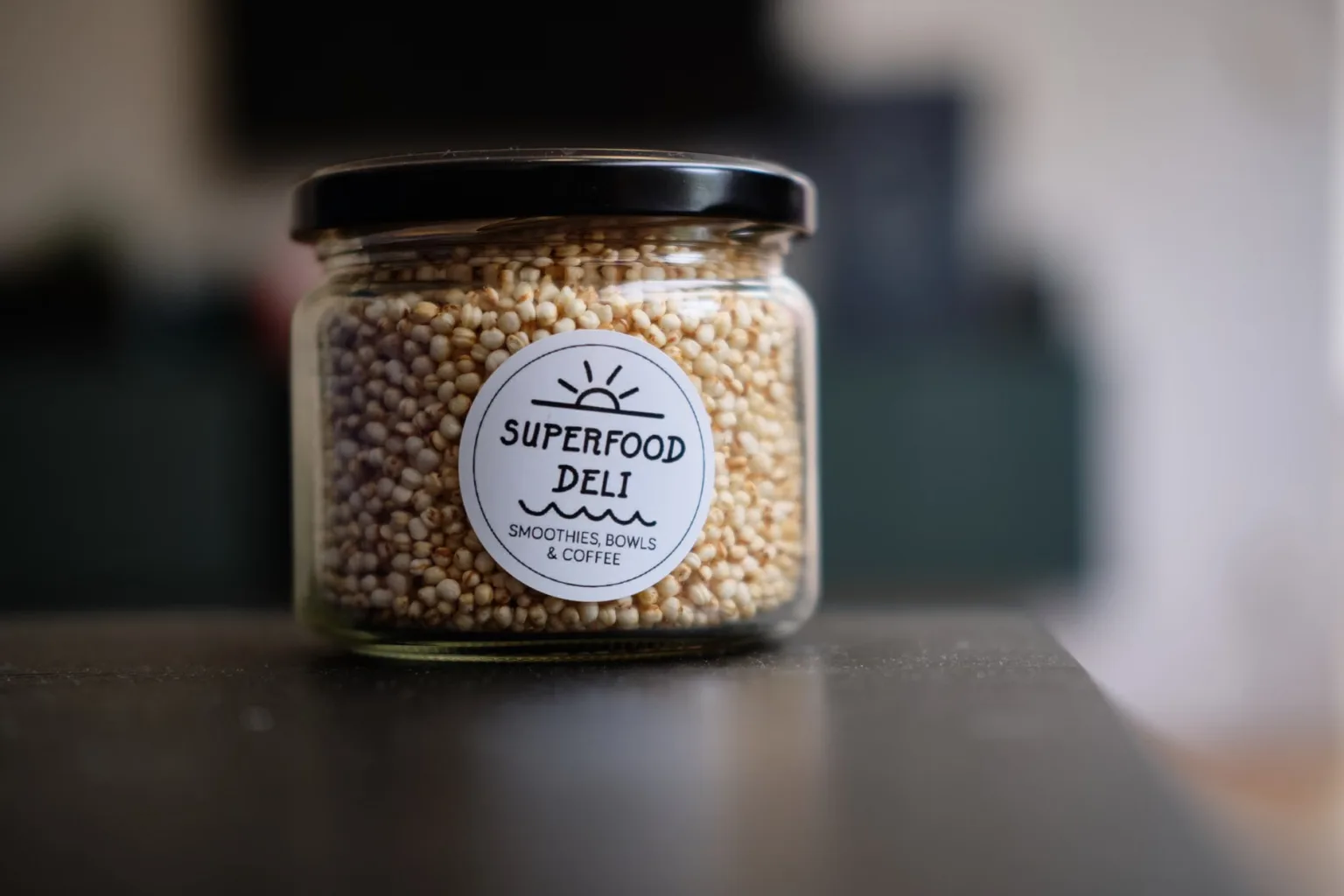
Quinoa is the edible seed of the plant Chenopodium quinoa. Although it is often cooked and served like rice or other grains, it is not botanically a cereal grain; it is commonly described as a pseudocereal. The dry seeds are sold in white, red, black and mixed forms. Color may correspond to differences in flavor and texture, so different products do not necessarily behave alike in a recipe. Quinoa is a versatile pantry ingredient used like grains in many dishes, but it is not a traditional cereal grain. The available evidence does not establish that every product is suitable for a gluten-free diet. If you need to avoid gluten, check the information for the specific package.
When to use it
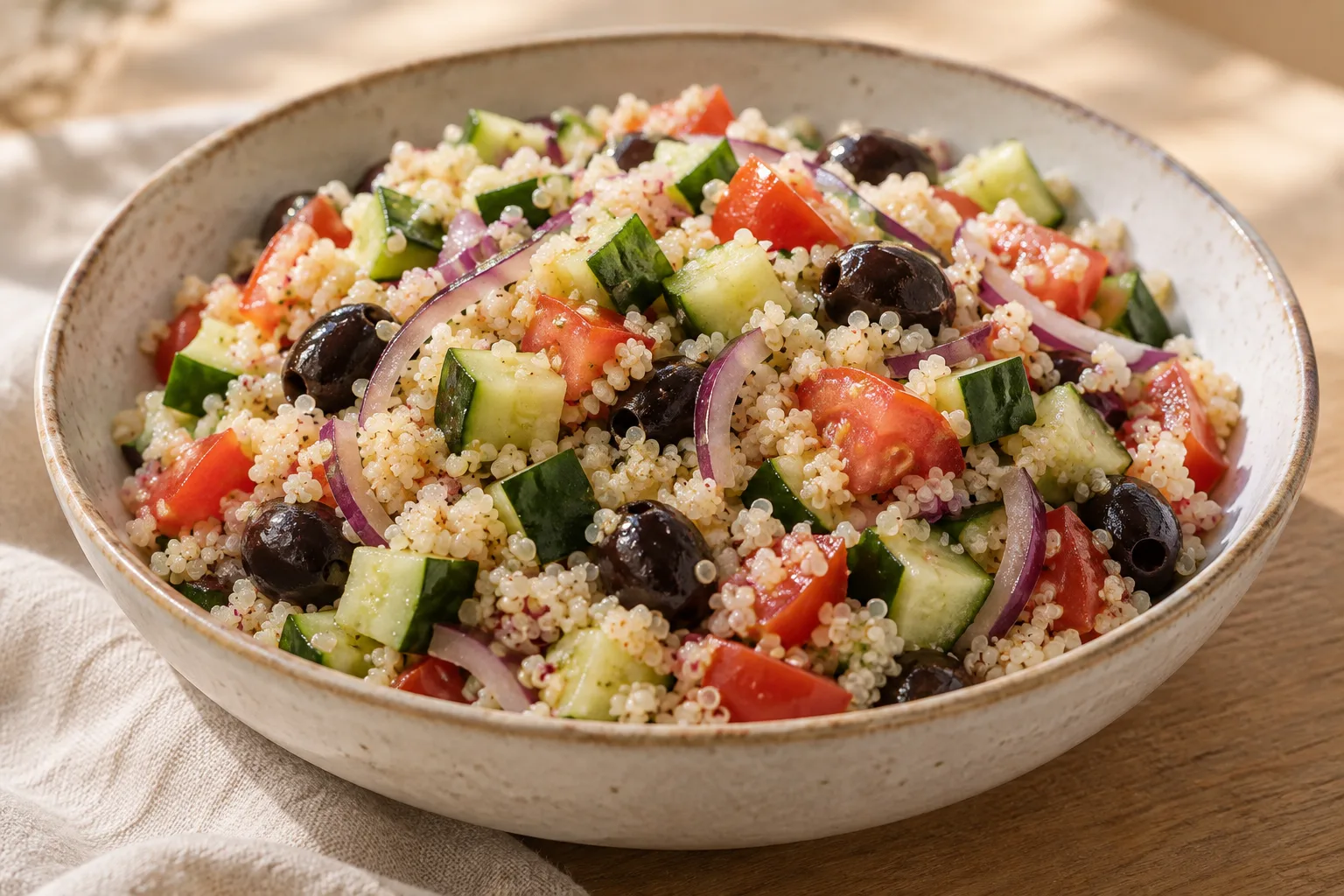
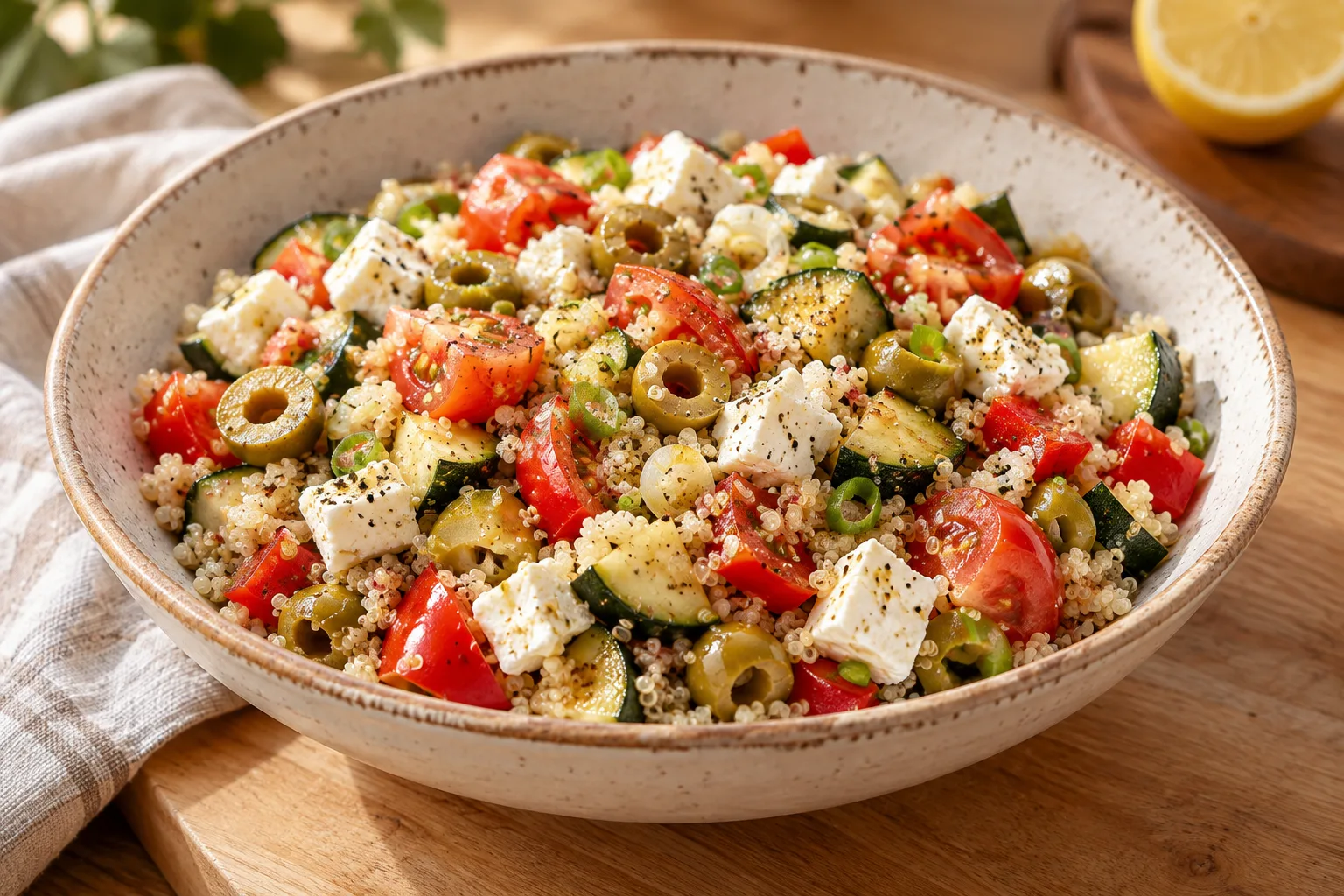
Use quinoa when you want a mild-flavored base or a side dish different from rice. Once cooked, it works in cold dishes such as salads and bowls as well as hot dishes, including soups, stews and accompaniments. It can also replace rice in some adapted recipes or add body to vegetable patties. Choose a color and texture that suit the dish, bearing in mind that some varieties may stay firmer than others. If you need to avoid gluten, do not assume that every package is suitable; check the information for the specific product.
How to use it
Check the package directions first, since some products are sold already washed. If the label does not say the seeds have been pre-rinsed, rinse them under running water and drain; this may help reduce bitterness associated with surface saponins. For a simple preparation, simmer them in water or stock until tender, following the liquid ratio and directions provided for that product, as these can vary. Drain any excess liquid and fluff the seeds with a fork. Serve warm as a side or let the quinoa cool before adding it to a salad. You can also add it to soups, mix it into vegetable patties, or briefly toast it before cooking to deepen its flavor.
Flavour and texture
Quinoa is generally mild, sometimes described as slightly earthy or nutty; its intensity can vary by color and product. When properly cooked, it is tender with a lightly granular texture, and the seeds can remain distinct. Red and black quinoa may be firmer or crunchier than white quinoa, though products vary. Rinsing when needed may help reduce surface bitterness. If you want a loose side dish, check the texture as it cooks and avoid letting it become mushy.
How to choose it
Quinoa is sold in white, red, black and mixed forms. Choose according to the color and texture you want for the recipe rather than assuming one variety is always better. Read the package directions to see whether the product is already washed and how the manufacturer recommends cooking it. Check the ingredient, allergen and use information on the label as well. If you need to avoid gluten, consult the labeling and manufacturer information for the specific package instead of assuming every product is suitable.
Storage
The available sources do not provide specific conditions or a storage period for dry quinoa. Check and follow the package instructions, including any directions for the product after opening. No precise storage period or conditions for cooked quinoa are established here either; follow applicable guidance for cooked foods rather than inferring a safe shelf life from this profile. If the package gives product-specific instructions, follow those directions.
Substitutions
Rice is the most direct substitute in many sides and bowls, but its texture is not identical and it may require a different preparation. Couscous, bulgur or other cooked grains can also work in salads and sides when their size and consistency suit the recipe. Adjust the preparation to the ingredient you choose and follow its directions. If the substitute needs to meet a gluten-free diet, check the alternative product’s information as well.
Common mistakes
Do not assume quinoa always needs rinsing: some packages contain seeds that are already washed, so check the label. Conversely, if the maker does not say it is pre-rinsed, rinsing may help reduce surface bitterness. Do not apply another variety’s or brand’s directions without checking; follow the package and assess the texture as it cooks. Finally, do not assume every quinoa product is suitable for a gluten-free diet; check the specific package information.
Safety and allergens
Follow the package directions and check the ingredient and allergen information for the specific product. The available evidence does not support a general claim that every quinoa variety and product is suitable for a gluten-free diet. If you need to avoid gluten for medical reasons, check the label and manufacturer information for the specific product rather than relying only on its being sold as quinoa. The supplied sources do not include a specific official warning about unpackaged quinoa.
Culinary uses
- Base for salads, bowls and warm grain-style dishes
- Side dish or alternative to rice in adapted recipes
- Ingredient in soups and vegetable patties
Recommended techniques
- Rinse under running water and drain if the package does not say the quinoa is already washed
- Simmer in water or stock according to the product directions, then fluff with a fork
- Toast briefly before cooking to deepen its flavor
Pairs well with
- Vegetables, herbs and dressings for salads and bowls
- Beans and lentils in composed dishes
- Fruit and nuts in salads or breakfast-style preparations
Frequently asked questions
Is quinoa a cereal grain?
Not botanically. It is the edible seed of a plant and is commonly called a pseudocereal because it is cooked and used in ways similar to cereal grains.
Should quinoa be rinsed before cooking?
Check the package first. If it does not say the quinoa is already washed, rinse it under running water and drain it; this may help reduce surface bitterness.
Is all quinoa suitable for a gluten-free diet?
The available evidence does not support that claim for every variety and product. If you need to avoid gluten, check the information for the specific package and manufacturer.
Estimated nutrition
- Fat
- 4 g
- Saturates
- 0 g
- Carbohydrate
- 70 g
- Sugars
- 2 g
- Fibre
- 6 g
- Protein
- 10 g
- Salt
- 1.55 g
Sources and review
Automatically researched, cross-checked and validated content. Sources consulted:
- En el etiquetado alimentario hay algunas menciones que son obligatorias eletiquetadocuentamucho.aesan.gob.es
- Client Challenge doi.org
- Recetas de róbalo chileno: consejos de cocina fáciles, deliciosas y gourmet globalseafoods.com
- Quinoa: qué es, variedades, recetas y cómo cocinarla finedininglovers.es
- Quinoa ¿Qué variedades hay y qué propiedades tienen? conasi.eu
- Quinoa: Propiedades, usos y recetas | Excelencias Gourmet excelenciasgourmet.com
- Quinoa: Qué es, beneficios y preparación | Brillante brillante.es
- Quinoa Origen: Historia Y Beneficios | Arroz SOS arrozsos.es
- Artes culinarias/Ingredientes/Quinoa - Wikilibros es.wikibooks.org
- Chenopodium quinoa - Wikipedia, la enciclopedia libre es.wikipedia.org
- Quinoa o quinua, un cereal muy completo hogarmania.com
- Qué es la quinoa, propiedades, beneficios y las mejores recetas directoalpaladar.com
- La quinoa, qué es, propiedades y sus diferentes usos en la cocina - Comeztier comeztier.com
- Cómo hacer quinoa de forma perfecta abc.es
- Cinco formas de preparar la quinoa para no aburrirte nunca alimente.elconfidencial.com
- Cómo se prepara la quinoa | EROSKI eroski.es