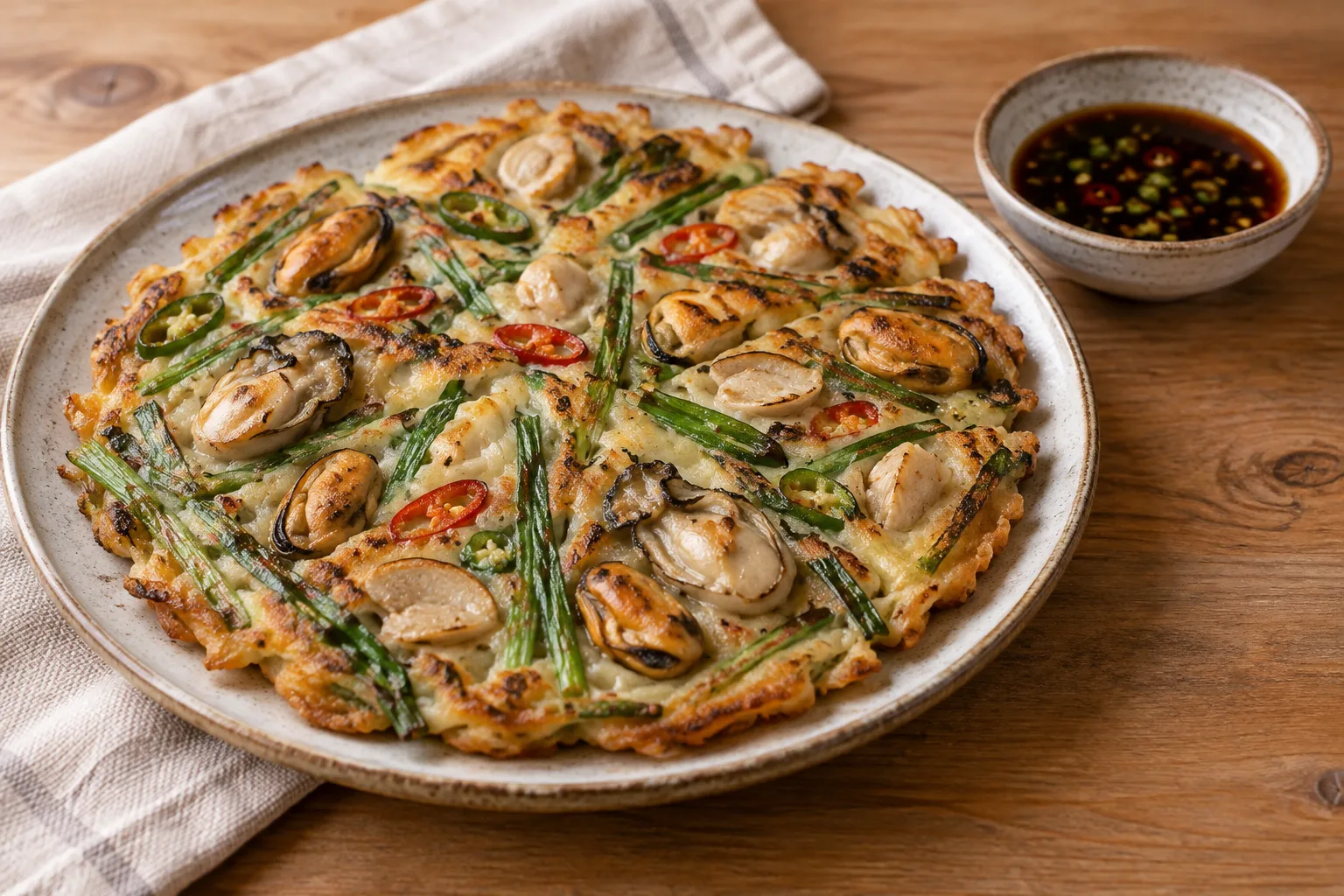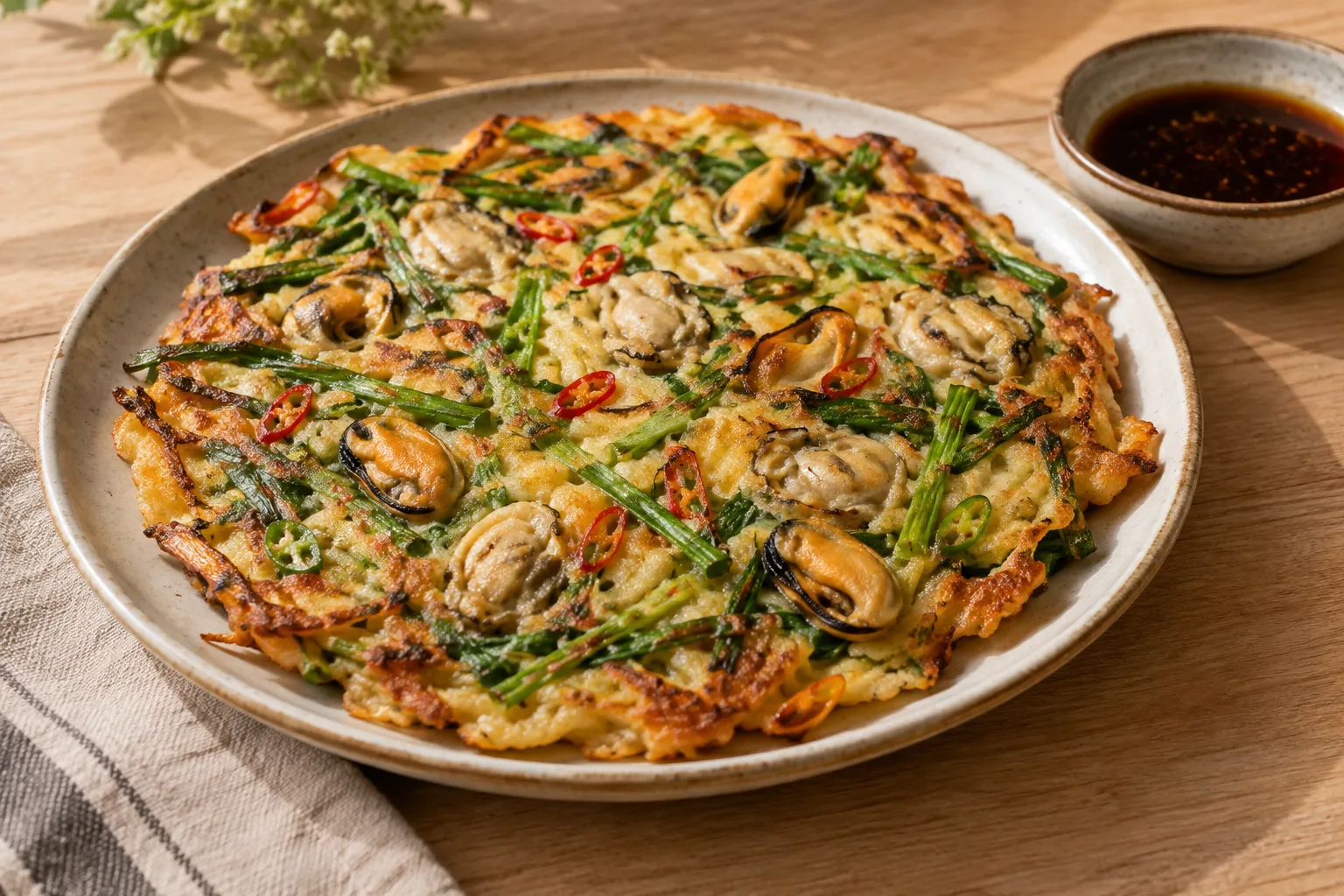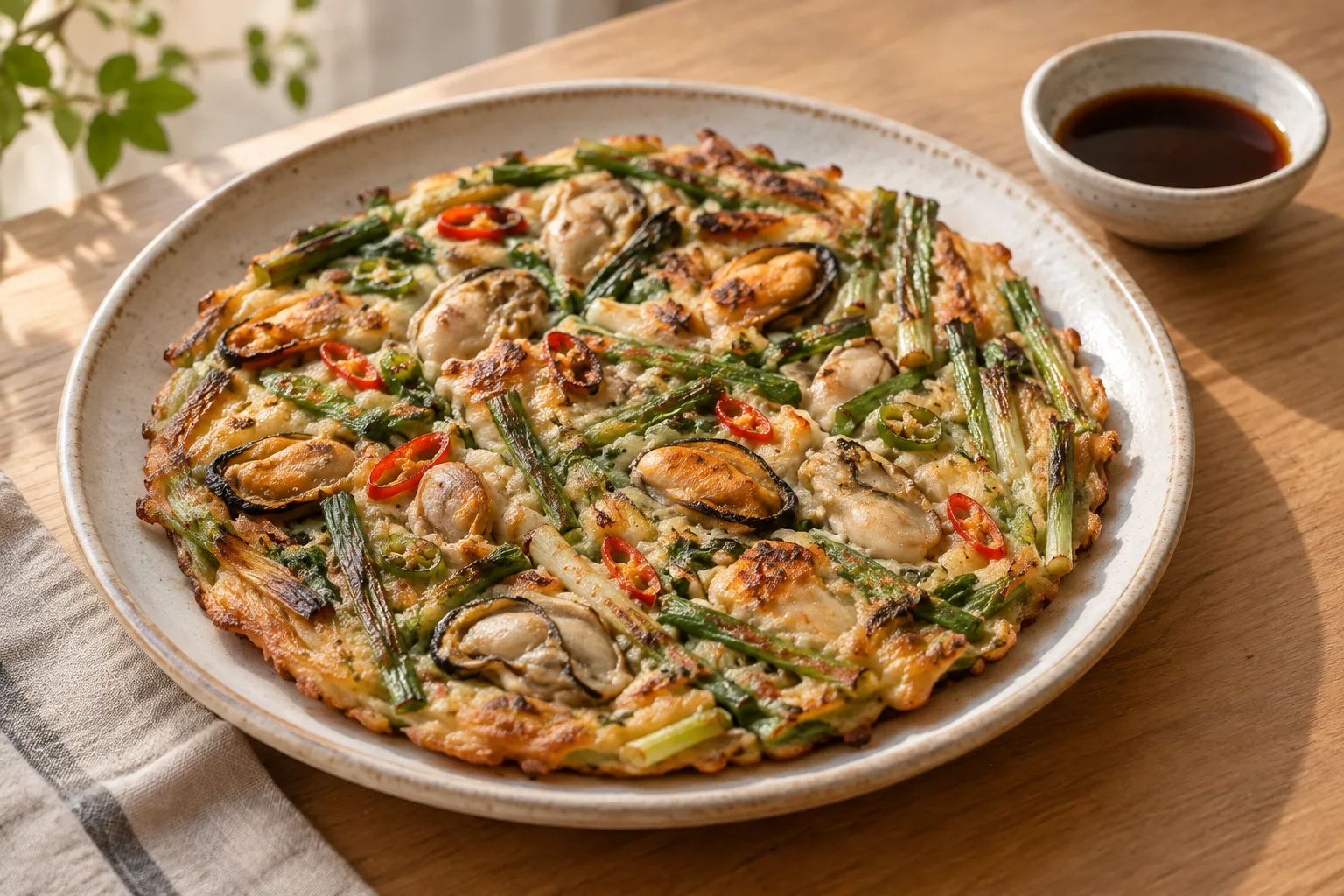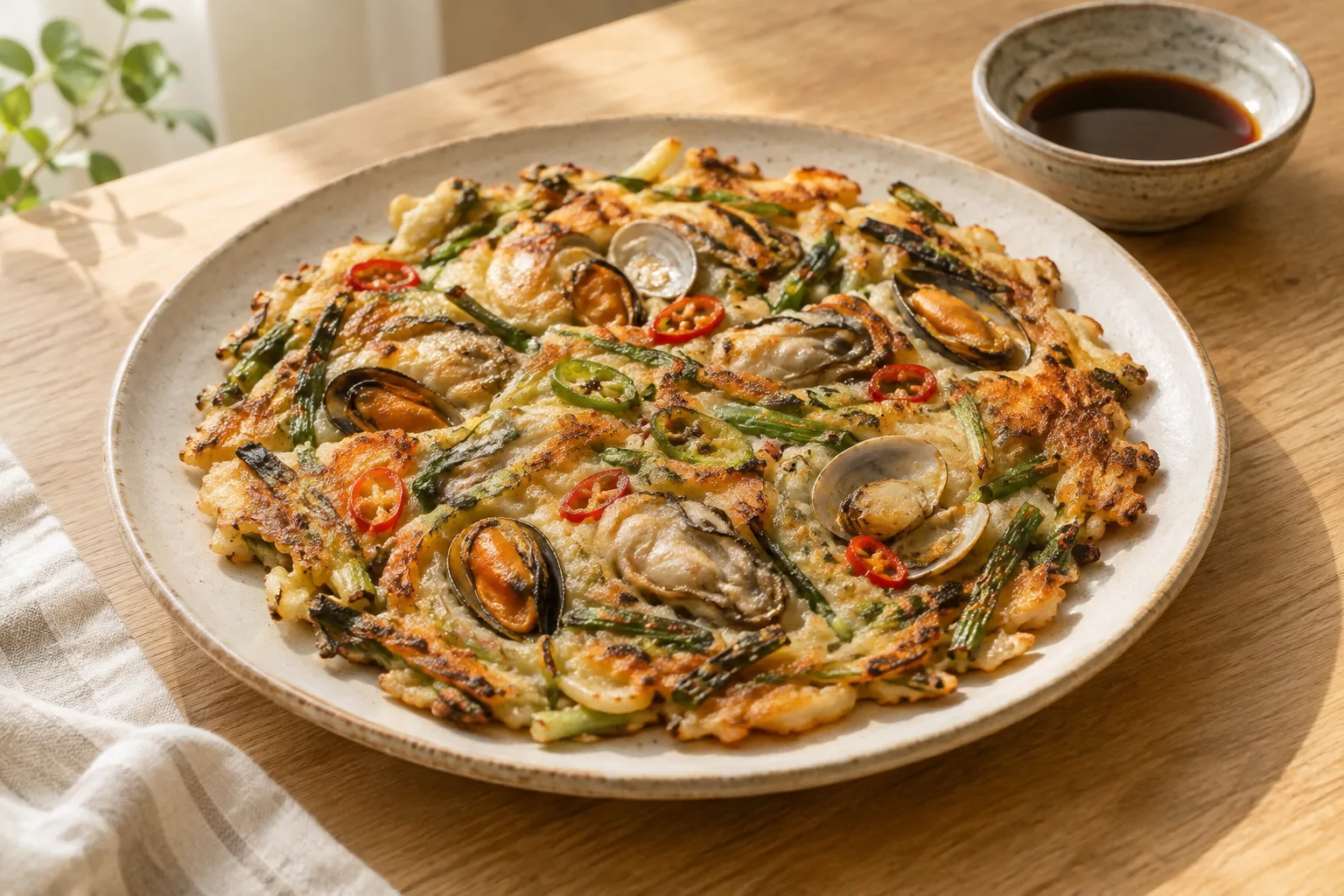
- Category
- Vegetables
- State
- Fresh
- Usual unit
- g
What it is
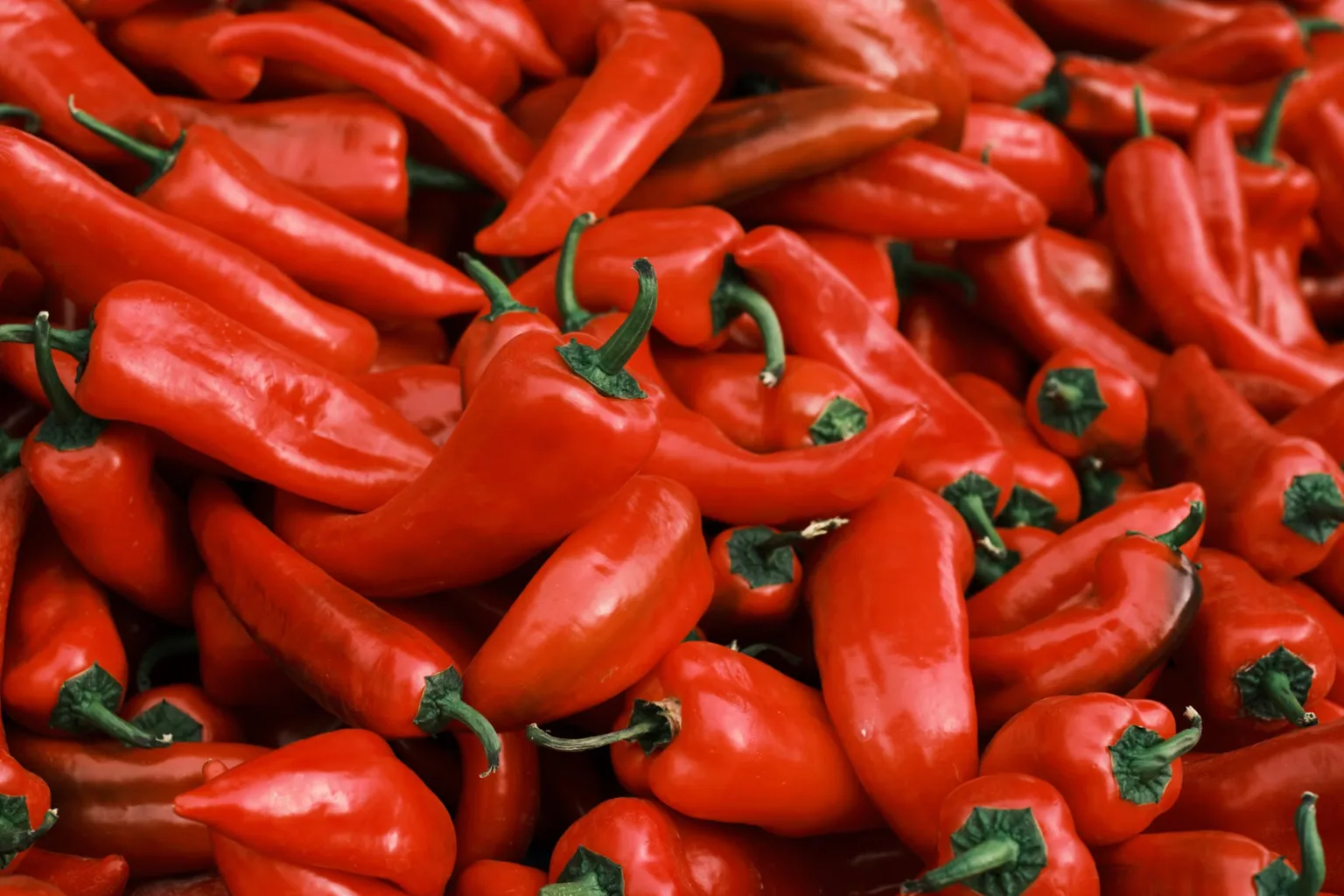
Fresh red chili peppers are fruits of plants in the Capsicum genus, sold in many different varieties. The name does not describe one fixed heat level: some varieties are fiery while others are much milder, and their flavors also differ. Red identifies the color of the pepper but does not, by itself, reveal how hot an individual chili will be. Fresh chilies are used as seasonings in savory cooking and can be added to stews, bean dishes, sauces, pasta, meat, fish and salads. This profile covers fresh peppers, not dried chilies, ground cayenne or preserved products.
When to use it
Use a fresh red chili when you want to add heat and a vegetal character to a savory dish, such as a stew, bean dish, sauce, or pasta, meat or fish preparation. Because heat depends on variety and may not be predictable, chilies work best when you can control the amount and taste as you cook. If you want a mild result or are cooking for people with different heat preferences, add a small amount or serve the chili separately.
How to use it
Wash the chili, then chop or mince it to distribute it through a sauce, stew, bean dish or pasta. Start with a modest amount, taste the preparation and add more only if needed: varieties do not all have the same intensity. You can also use it as a seasoning for meat or fish, or add it to a salad if the heat suits the other ingredients. Handle it carefully while cutting and avoid touching your face, especially your eyes; food-safety guidance for hot chilies recommends wearing gloves and washing hands thoroughly if you work without them.
Flavour and texture
Heat is the most noticeable feature, with a vegetal flavor that varies from one variety to another. Not all red chilies are equally hot, and color or name alone cannot predict the intensity. The fresh flesh can be chopped or minced and mixed into a dish; the amount used helps determine the final level of heat.
How to choose it
Choose good-quality chilies and check the variety if the label or seller identifies it: different varieties can have different flavors and heat levels. Do not use red color alone to judge how hot a pepper will be. If you need a moderate result, look for a variety described as mild or test a small piece before using more.
Storage
The supplied evidence does not establish a storage temperature or shelf life for fresh chilies. Follow the package or seller's advice and buy an amount you can use within a reasonable period. Do not treat fresh chilies as interchangeable with dried or preserved products; do not use them if they show signs of spoilage.
Substitutions
You can swap one chili variety for another, but flavor and heat may change, so the same amount may not produce the same result. In recipes calling for long green chilies, an extension guide allows some or all of the chili to be replaced with sweet bell pepper; this reduces or removes heat and can change the flavor.
Common mistakes
Do not assume all red chilies have the same heat or that color measures intensity. Adding a large amount without tasting can overwhelm a dish. When swapping varieties, remember that both flavor and heat may change.
Safety and allergens
Wear gloves when cutting hot chilies and avoid touching your face, especially your eyes. If you handle them without gloves, wash your hands thoroughly with soap and water before touching your face or eyes. Adjust the amount to your preferred heat and handle the ingredient carefully.
Culinary uses
- Picante y aroma para platos salados
- Condimento fresco para salsas y guisos
Recommended techniques
- Picar o trocear para repartir el sabor
- Incorporar en salsas o platos cocinados
Pairs well with
- Legumbres y potajes
- Pasta, carnes, pescados y salsas
Frequently asked questions
Are all red chili peppers very hot?
No. Varieties range from mild to very hot. Red color alone does not tell you how much heat an individual pepper will have.
What dishes can I use fresh red chilies in?
They can season stews, bean dishes, sauces, pasta, meat, fish or salads. Adjust the amount to the heat you want.
How can I handle fresh hot chilies more safely?
Food-safety guidance recommends gloves when cutting hot chilies and avoiding contact with your face and eyes. If you work without gloves, wash your hands thoroughly with soap and water before touching those areas.
Estimated nutrition
- Fat
- 0.44 g
- Saturates
- 0.04 g
- Carbohydrate
- 8.81 g
- Sugars
- 5.3 g
- Fibre
- 1.5 g
- Protein
- 1.87 g
- Salt
- 0.02 g
Sources and review
Automatically researched, cross-checked and validated content. Sources consulted:
- Client Challenge doi.org
- The Essential Glossary of Cooking Terms for the Culinary Arts - Escoffier escoffier.edu
- Guindilla: Botánica, cultura y sabor en una Especia | Alveus alveus.eu
- Guindilla: qué es, beneficios y usos en la cocina de este pimiento picante bonviveur.com
- Page 7 | See All Home Food Preservation and Safety - Home Food Preservation and Safety - Food Safety and Quality extension.psu.edu
- EFNEP Hispanic Heritage Recipes | Community Nutrition | Extension/College of Agriculture, Health & Natural Resources | University of Connecticut communitynutrition.cahnr.uconn.edu
- Comité Científico aesan.gob.es
- Guindilla: qué es, beneficios, usos en la cocina y variedades de este pimiento picante directoalpaladar.com
- Exploring Basque Gastronomy Identity through Recipes and ... ebiltegia.mondragon.edu
- Salsa Recipes for Canning | New Mexico State University - BE BOLD. Shape the Future. pubs.nmsu.edu
- Reimagining Marginalized Foods open.uapress.arizona.edu
- Cross-cultural food consumption in Chicago via.library.depaul.edu
- Lindsey Smith Taillie, PhD, MPH Associate Professor, ... sph.unc.edu
- LIMÓN Y PIMENTÓN: Guindillas secas limonypimenton.blogspot.com
- Las guindillas | Consumer consumer.es