- Category
- Grains, flour and pasta
- State
- Dry
- Usual unit
- cup
What it is
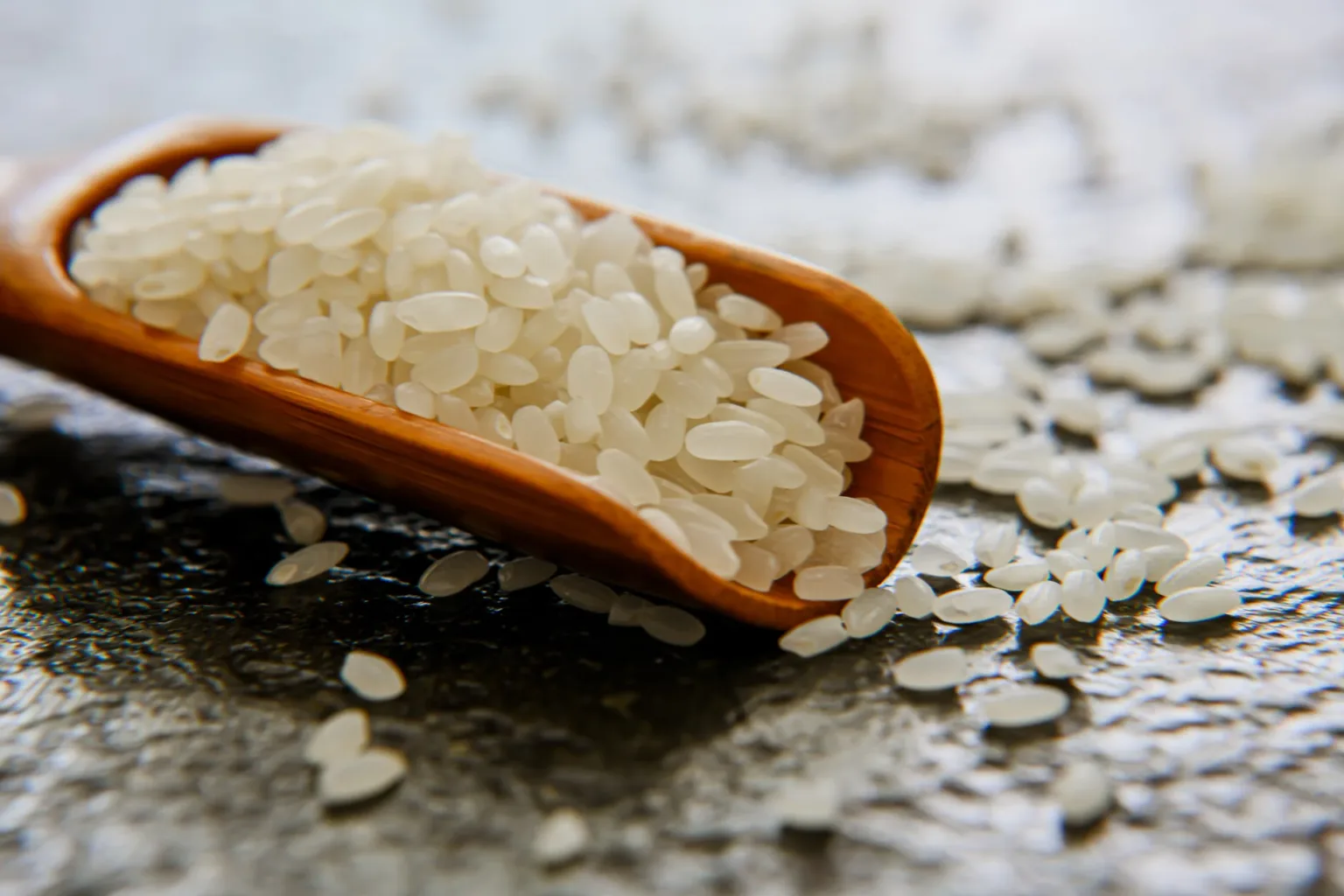
Rice is a cereal sold in varieties that differ in grain size, aroma, color and degree of milling. Common choices include white and brown rice, long-, medium- and short-grain rice, basmati, jasmine and parboiled rice. Brown rice retains its bran layer, while polished white rice does not. These differences matter in cooking: some varieties tend to stay separate, while others become stickier or creamier. Wild rice is often used in similar ways, but it is not true rice; it is the seed of a different plant. (492, 6460, 4031, 6602)
When to use it
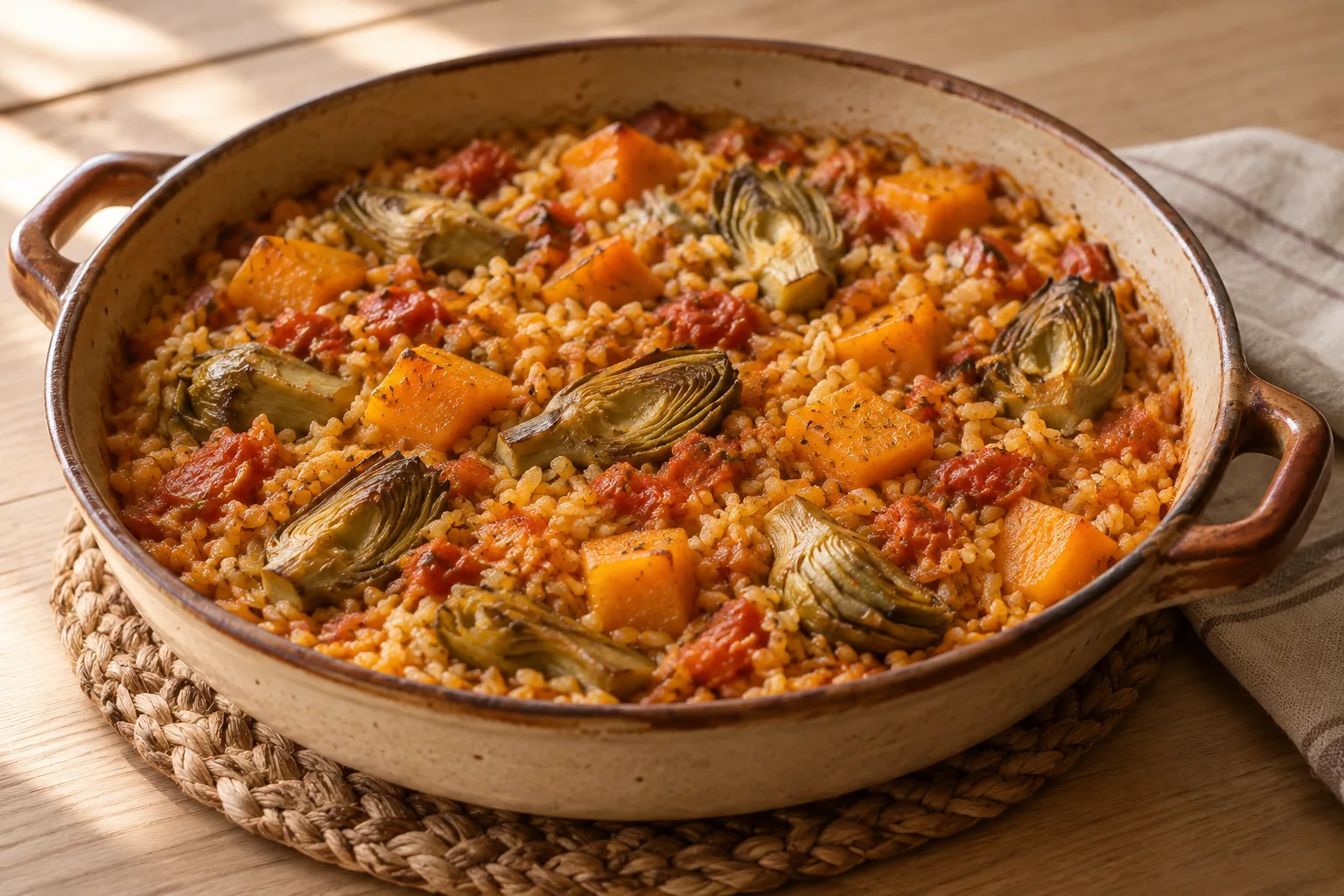
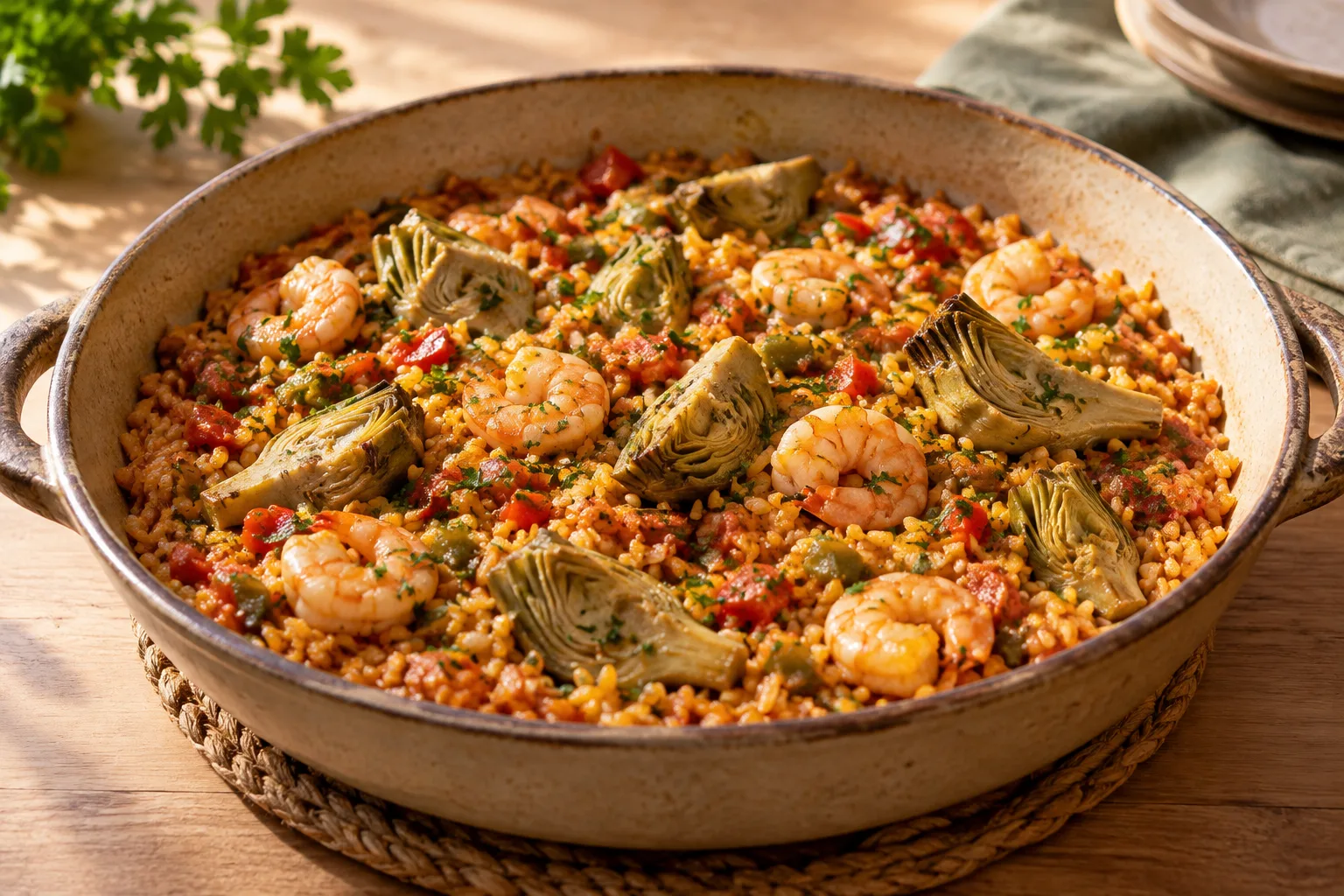
Choose long-grain rice when you want a side or salad with grains that stay separate; aromatic varieties can also accompany seasoned dishes. Medium-grain rice is used for paella, stews and brothy rice dishes, while some short-grain, starchier types suit compact or creamy preparations. Brown rice can replace white rice in some recipes, though its preparation may differ. Check the package: varieties and product formats do not all cook in the same way. (4031, 4034, 6459, 6602)
How to use it
Identify the rice variety before cooking and follow the package directions for liquid and preparation. One university source gives one cup of rice to two cups of water as a general guide, but it also advises checking the package, so that ratio should not be treated as universal. For a simple method, bring rice and liquid to a boil, then cover and simmer until done according to the product instructions. You can also add uncooked rice to soup, stew or a casserole so it absorbs the liquid as the dish cooks. Some recipes begin by briefly toasting rice in oil before adding other ingredients and liquid. (492, 6461, 6599)
Flavour and texture
Flavor and texture depend on the variety and processing. Long-grain rice generally cooks firm and separate; short-grain rice can be stickier, and varieties such as Arborio are used for creamy dishes. Basmati and jasmine are aromatic types. Brown rice retains its bran and has a firmer texture; its preparation may differ from that of white rice. No single texture describes every kind of rice. (6460, 4031, 4034, 6459)
How to choose it
Choose grain type and processing to suit the dish, and read the package for preparation directions. Look for grains without visible insects or discoloration; a university storage guide recommends inspecting rice before putting it away. If you want a particular texture, do not assume that long-, medium-, short-grain and brown rice can be exchanged without changing the result. (6460, 6602)
Storage
Keep dry rice in a clean, dry place away from moisture and heat, and use a tightly closed container to protect it. Check occasionally for insects or visible changes. Brown and white rice may have different storage needs or quality periods; follow the package and do not apply guidance for one variety to another. For packaged products, follow the manufacturer's storage directions. (6602, 6460, 119)
Substitutions
Brown rice can replace white rice in recipes, although preparation may take longer or vary with the product. You can also choose a different variety to move toward a particular texture, but long-, medium- and short-grain rice do not necessarily give the same result. Follow the directions for the rice you select instead of assuming one cooking ratio or method works for all. (6459, 6460, 4031)
Common mistakes
A common mistake is using the same water ratio or method for every rice: the sources advise checking the package and describe differences among varieties. Another is choosing a type by name without considering the desired texture; long-grain rice tends to stay separate, while short-grain rice can be stickier. Avoid keeping dry rice in a damp place or an open container. (492, 6460, 6602)
Safety and allergens
Follow package instructions and storage conditions. For a rice mix or prepared rice product, check its label for ingredients and allergens: an official alert reported undeclared allergens in one specific parboiled rice product, which does not mean allergens are inherent to plain rice. (119, 4030)
Culinary uses
- guarnición
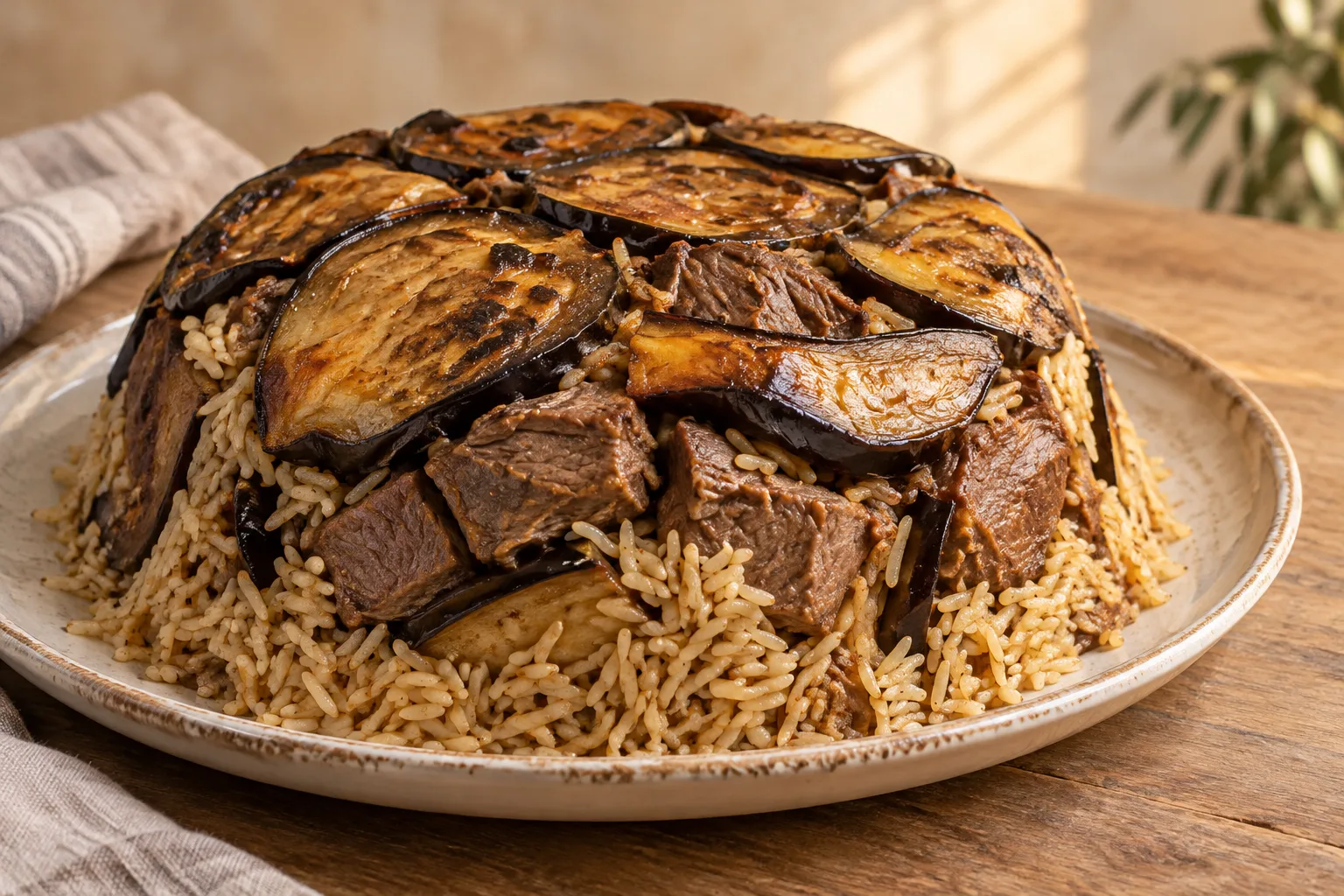
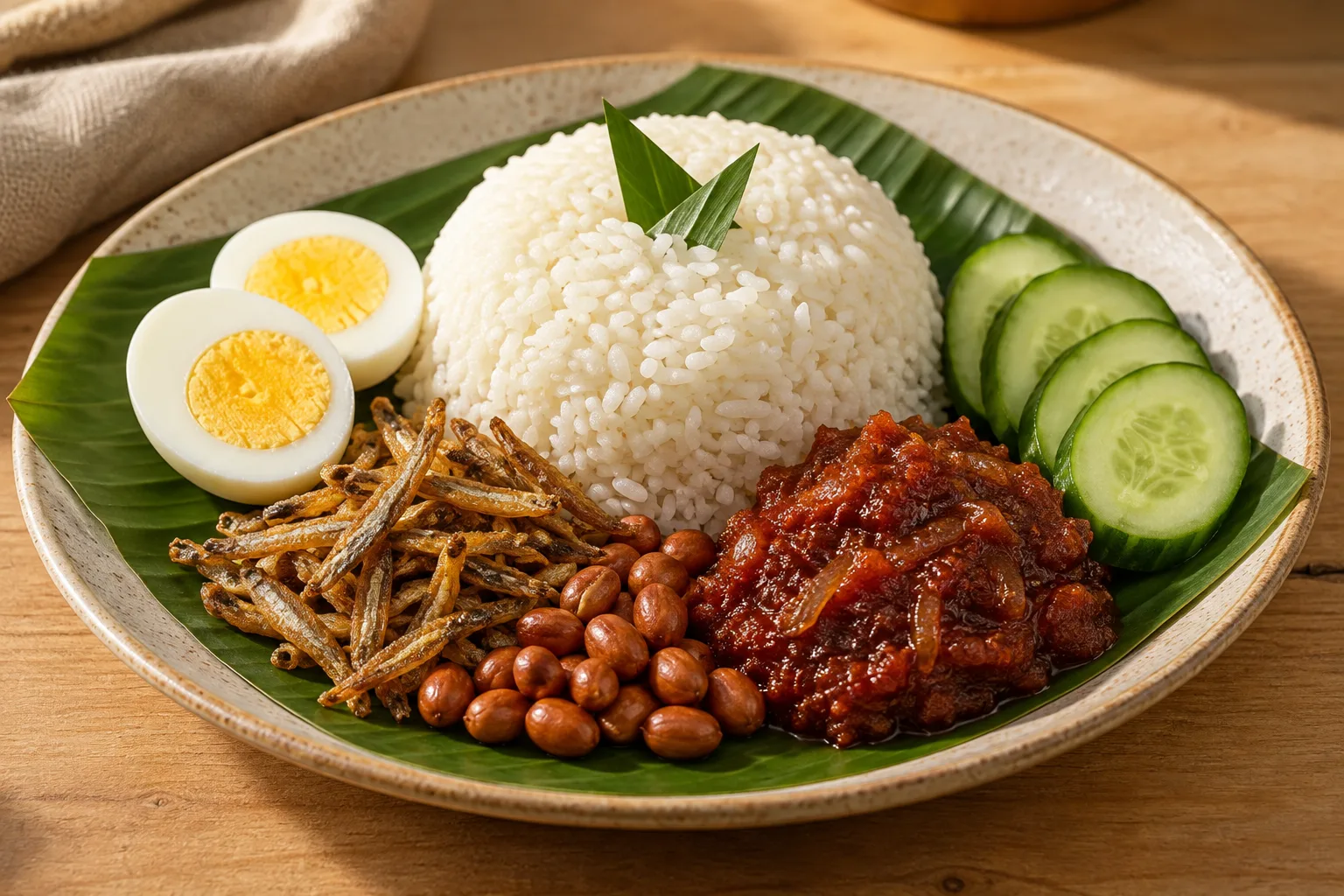
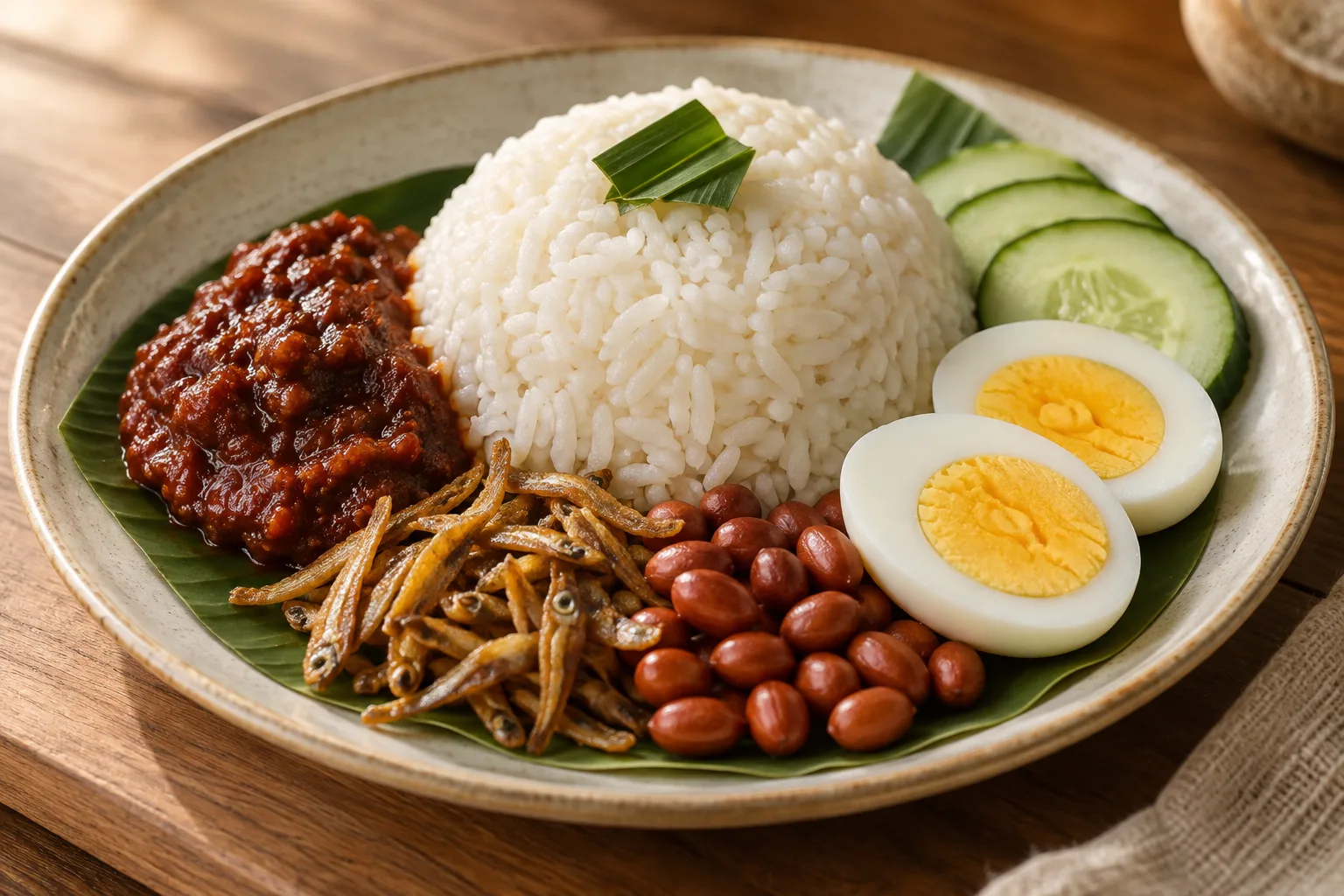
- base para platos principales
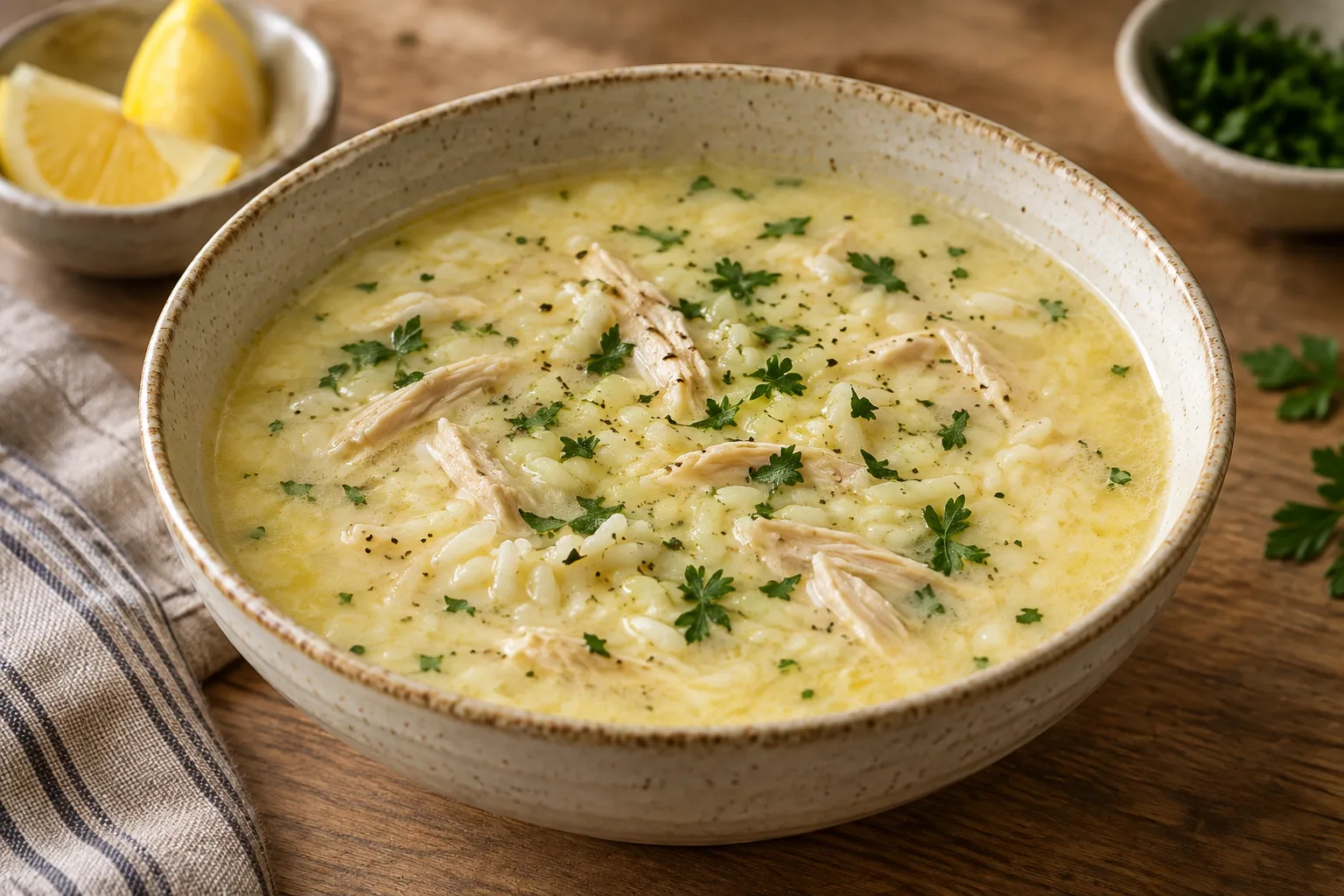
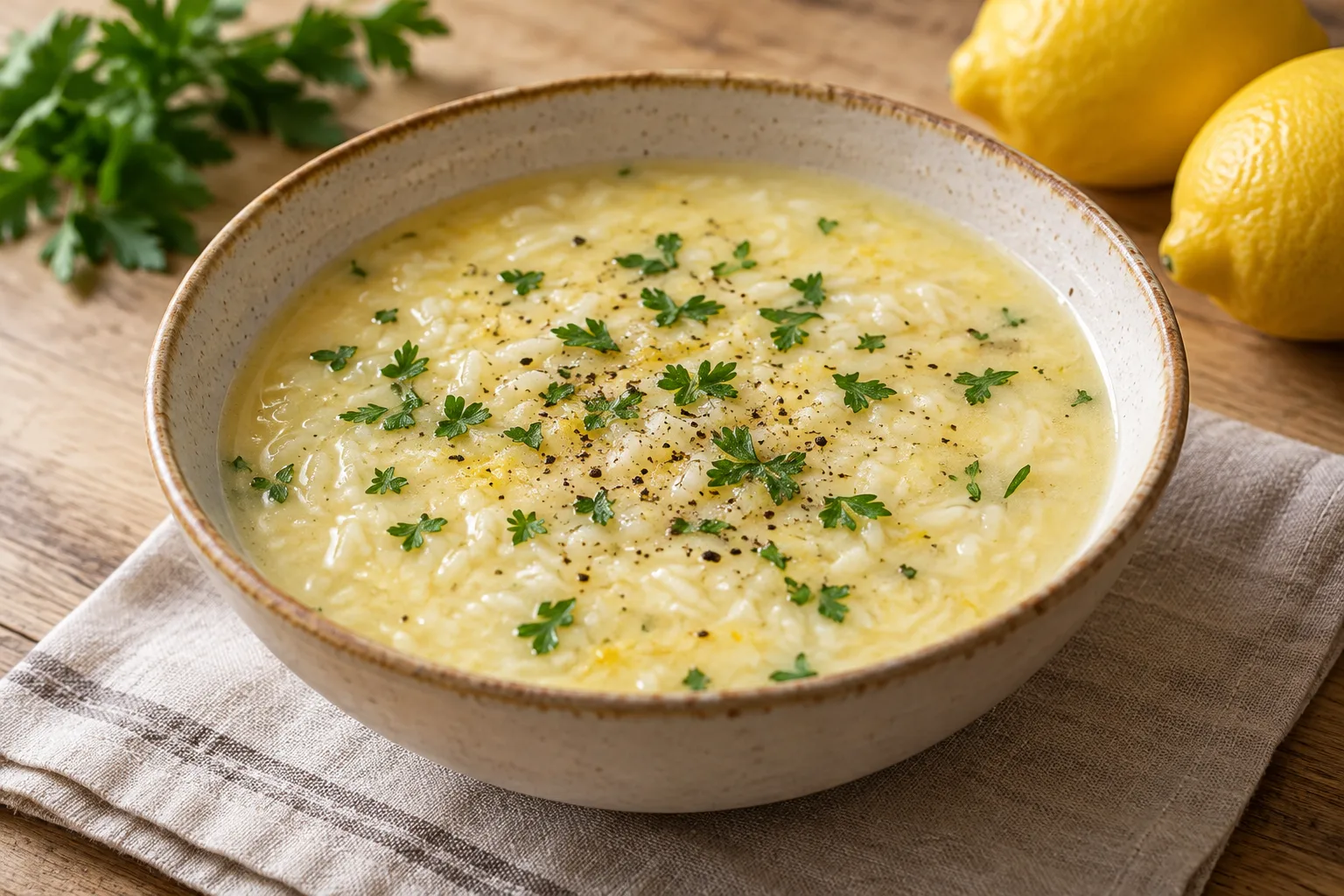
- ingrediente para sopas y guisos
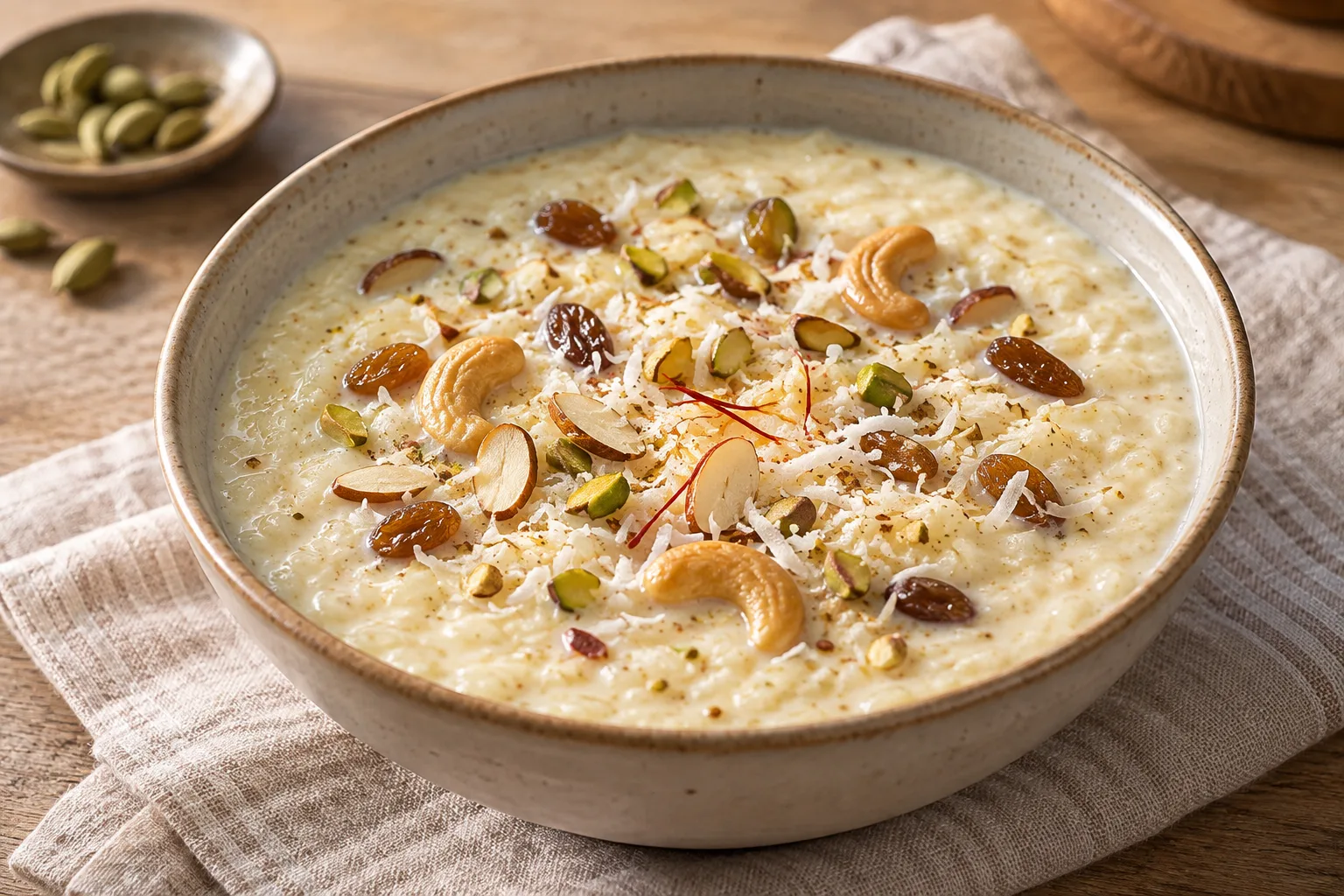
- base para preparaciones dulces
Recommended techniques
- hervir y cocer a fuego lento siguiendo el envase
- tostar brevemente en aceite antes de añadir líquido
- cocer en caldo o agua dentro de una sopa o cazuela
Pairs well with
- caldos y sopas
- verduras y especias
- pollo, pescado, frijoles o tofu como acompañamiento
Frequently asked questions
Do all types of rice cook the same way?
No. Variety and processing affect texture and directions, so follow the package rather than assuming one ratio works for every rice. (492, 6460)
Can brown rice replace white rice?
Yes. A university extension source says brown rice can be used in place of white rice, but preparation may vary by product. (6459)
Is wild rice actually rice?
No. It is a seed rather than true rice, although it is commonly used in similar ways in sides, salads and other dishes. (4031, 6602)
Estimated nutrition
- Fat
- 2.43 g
- Saturates
- 0 g
- Carbohydrate
- 26.4 g
- Sugars
- 1.39 g
- Fibre
- 1.4 g
- Protein
- 3.47 g
- Salt
- 1.16 g
Sources and review
Automatically researched, cross-checked and validated content. Sources consulted:
- En el etiquetado alimentario hay algunas menciones que son obligatorias eletiquetadocuentamucho.aesan.gob.es
- Cocinamos con arroz | University of Maryland Extension extension.umd.edu
- Client Challenge doi.org
- Aesan - Agencia Española de Seguridad Alimentaria y Nutrición aesan.gob.es
- Tipos de arroz y para qué sirve cada uno en la cocina hogarmania.com
- Usos y variedades del arroz - Divina Cocina divinacocina.es
- Arroz integral - Spend Smart Eat Smart spendsmart.extension.iastate.edu
- Storing White Rice | USU extension.usu.edu
- Arroz Español | Extension extension.unh.edu
- Recipe: Filipino "Arroz Caldo" | Institute of Culinary Education ice.edu
- (PDF) Secado y Almacenaje de Arroz academia.edu
- [Video] How to Cook Arroz Caldo | BU Today | Boston University bu.edu
- Arroz con Pollo 2002 (Chicken with Rice) - lacocina.utsa.edu
- Celebrating Hispanic Heritage Month: A Tradition on Every Table! Part-2 - UF/IFAS Extension Collier County blogs.ifas.ufl.edu
- Arroz - Wikipedia, la enciclopedia libre es.wikipedia.org
- Arroz: usos y tipos - Enmicasa.com. enmicasa.com