- Category
- Fruit
- State
- Fresh
- Usual unit
- unit
What it is
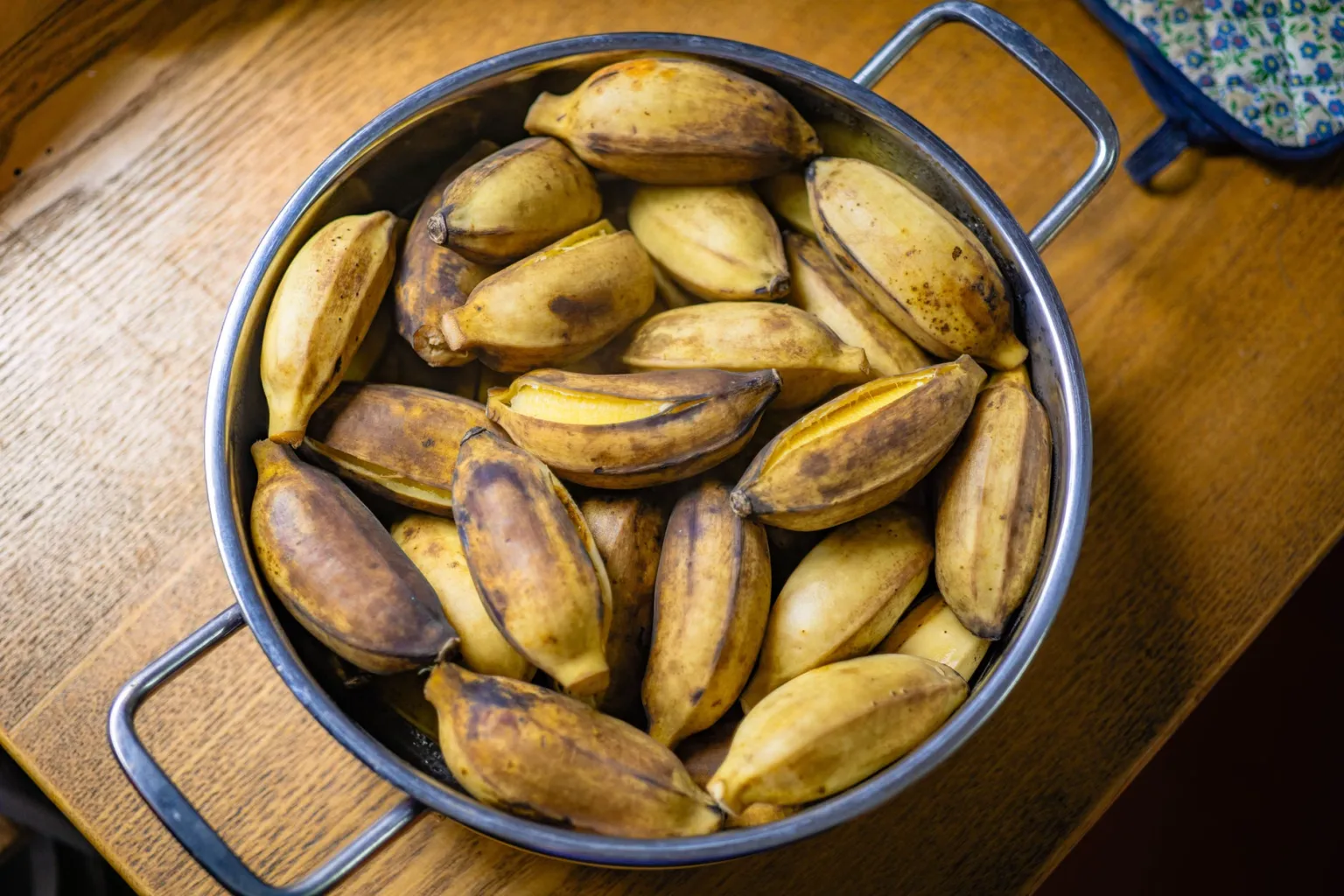
This profile covers ripe cooking bananas, commonly called plantains in some English-speaking regions, without assuming a specific cultivar. As the fruit ripens, its flesh becomes softer and sweeter; the skin may be yellow with dark areas. Common names vary from place to place and can be confused with names for dessert bananas, so check which kind of fruit you are buying. Ripe cooking bananas are used in cooked slices and as accompaniments, as well as in sweet preparations. Texture and results depend on the type of fruit and its degree of ripeness.
When to use it
Choose ripe plantain when you want tender, sweet flesh for a cooked side, dessert or baked preparation. Ripeness affects firmness: very soft flesh may be better suited to mashing and mixing into a batter, while a firmer fruit holds its shape more readily when sliced and cooked. Ripe cooking bananas can add a sweet contrast to a savory meal or become part of a sweet dish. Because common names vary by region, check that you have a cooking banana rather than a dessert banana when the recipe depends on its texture.
How to use it
Peel the plantain and cut it into slices or pieces to suit the dish. It can be fried in slices, baked or roasted and served as a side; sources also describe boiling it and using cooked, mashed flesh in soft preparations. For a savory meal, serve it with rice and beans, cheese or a cream-style accompaniment. It can also be used in desserts and baked goods. Choose the cut and method according to firmness: very soft flesh loses its shape more readily. The sources do not establish universal cooking times or temperatures, so follow the directions for the specific recipe.
Flavour and texture
As cooking bananas ripen, their flesh becomes softer and sweeter than when green. The degree of sweetness and firmness varies with the fruit and its ripeness. Fried slices can brown and develop a sweeter character; cooked flesh can be mashed to a soft consistency. The skin may be yellow with dark areas, but color alone does not precisely determine interior firmness or guarantee identical texture across fruits.
How to choose it
Choose the fruit with the recipe in mind: relatively firm flesh is easier to slice, while very soft flesh may suit mashing or mixing into batter. Sources describe ripe cooking bananas with yellow skin and possible dark areas, but do not give a universal buying test for every variety. Check that the fruit is a cooking banana, since common names vary and can be confused with dessert bananas. For packaged fruit, consult the information on the label.
Storage
The available evidence does not specify a household storage period or method that applies to every ripe cooking banana. It would therefore be inappropriate to give a number of days or specific conditions here. If the product is packaged, follow its storage and use directions on the label. For unpackaged fruit, ask the seller for guidance specific to the product and its stage of ripeness.
Substitutions
A ripe dessert banana may work in soft, sweet preparations such as quick breads, although its size and consistency can differ from those of a cooking banana. For fried or roasted slices, another ripe cooking banana may be a closer substitute. Neither swap guarantees the same sweetness, firmness or result. Choose according to the recipe, and do not assume that all fruits called bananas or plantains are interchangeable.
Common mistakes
Confusing a cooking banana with a dessert banana can change a recipe’s firmness and result. Skin color alone is also not a precise guide to the texture inside: the flesh changes as the fruit ripens. Choose a method that suits the fruit and its firmness, and do not transfer times or temperatures from one recipe to another without checking the instructions.
Safety and allergens
The available sources identify no specific safety warning for ripe cooking bananas as fruit. For packaged products, follow the use and storage directions on the label; required information can vary with the product’s presentation and how it is sold. No storage times or temperatures are provided here.
Culinary uses
- Sweet or savory cooked side dish
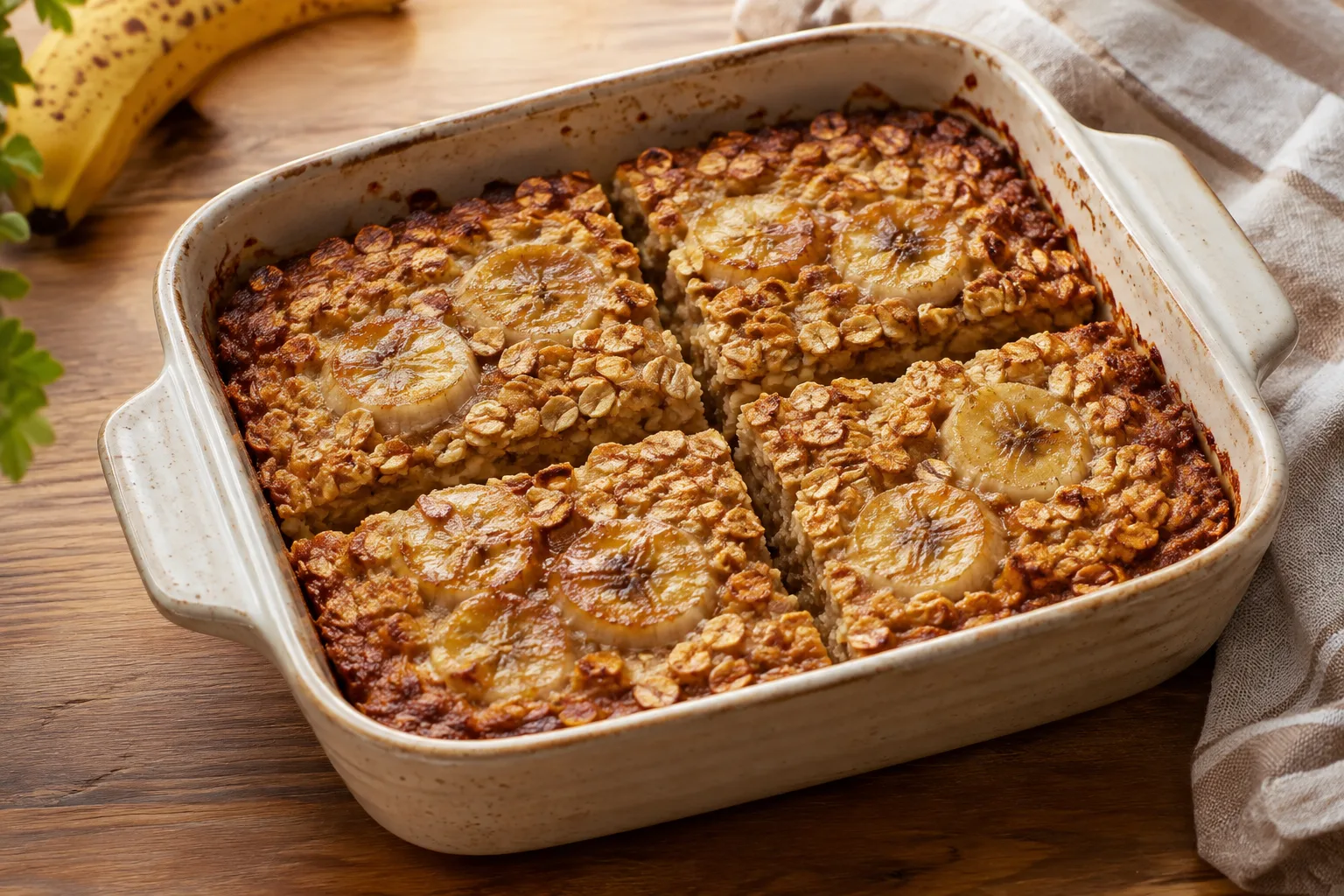
- Ingredient for desserts and baked goods
- Soft fruit for mashing or puréeing
Recommended techniques
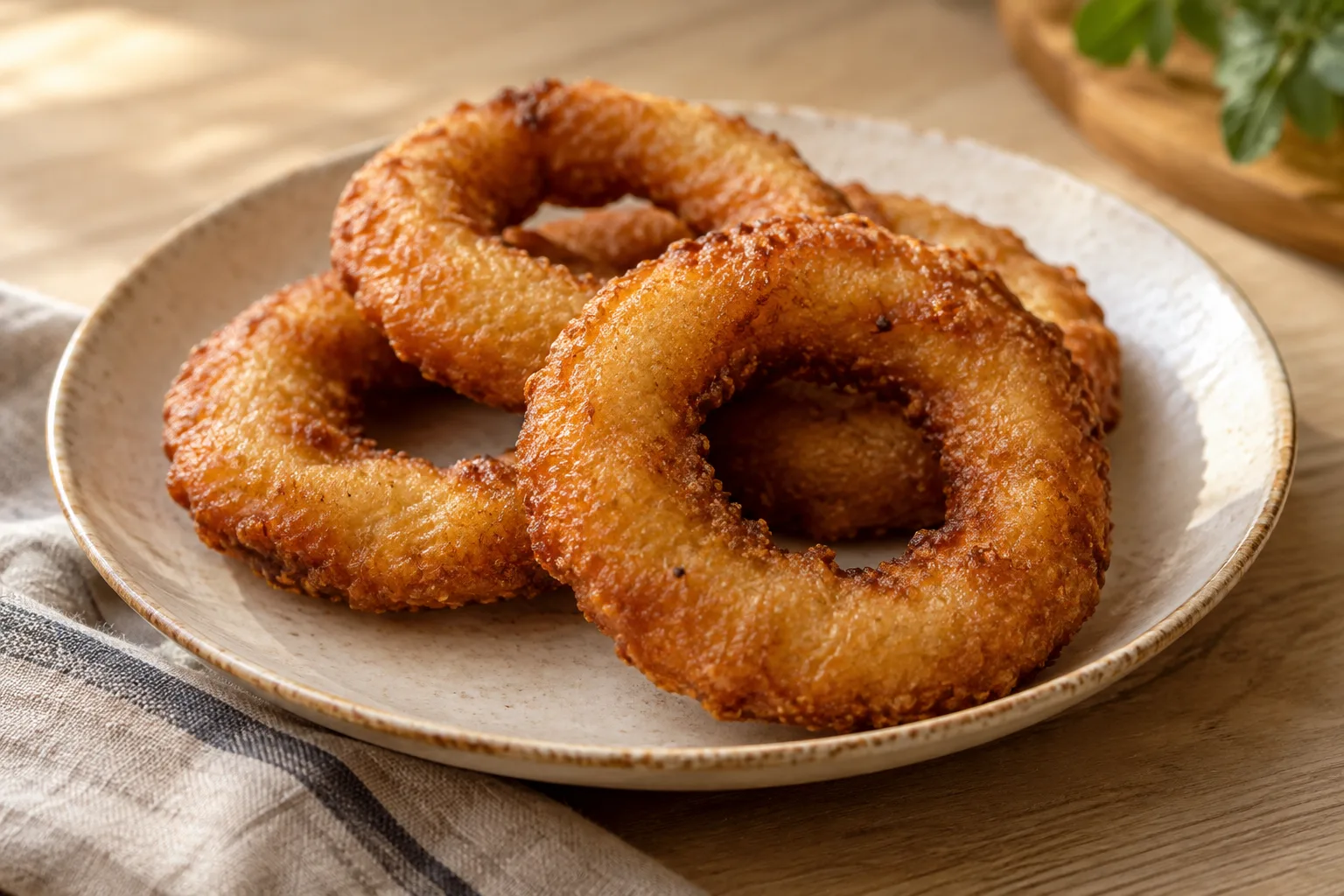
- Frying in slices
- Baking or roasting
- Boiling
- Mashing after cooking
Pairs well with
- Rice and beans
- Cheese
- Cream or sour-cream-style accompaniments
Frequently asked questions
Can ripe plantain be eaten raw?
The source consulted says that some ripe yellow cooking bananas can be eaten raw, although they are commonly cooked. Check which kind of fruit you have and choose an appropriate use.
How can I prepare ripe plantain?
It can be fried in slices, baked or roasted; boiled and mashed preparations are also described. The suitable method depends on the fruit’s firmness and the recipe.
What goes well with ripe plantain?
Documented serving ideas include rice and beans, cheese, and cream-style accompaniments. These are options rather than rules; ripe plantain can also be used in sweet dishes.
Sources and review
Automatically researched, cross-checked and validated content. Sources consulted:
- En el etiquetado alimentario hay algunas menciones que son obligatorias eletiquetadocuentamucho.aesan.gob.es
- Usos culinarios apropiados de las variedades de plátano verde barraganete, dominico y maqueño, en la gastronomía ecuatoriana. | Revista de Gastronomía y Cocina doi.org
- Plátano maduro - Wikipedia, la enciclopedia libre es.wikipedia.org
- Guía de tipos de plátano y sus aplicaciones | Recetas Nestlé recetasnestle.com.mx
- Historia y versatilidad del plátano maduro: origen, recetas y su impacto en la gastronomía latinoamericana pulzo.com
- How to Cook Nopales for a Flavorful Experience • southernwv.edu staging.southernwv.edu
- Plátano maduro | Postharvest Research and Extension Center postharvest.ucdavis.edu
- Maduro – Everyday Inclusion 2022: The Foods that Connect Us blogs.uoregon.edu
- Recipe of the week: plataños maduros with rice and beans – The Elm blog.washcoll.edu
- The Mango - A Tropical Treat - National Center for Home Food Preservation nchfp.uga.edu
- Durazno | Center for Community Health communityhealth.ucsd.edu
- Tostones and Maduros (Fried Green and Yellow Plantains) – Amazingly Simple blogs.baruch.cuny.edu
- Preserving fruits: Mangoes | OSU Extension Service extension.oregonstate.edu
- Recetas con plátano maduro: irresistibles y variadas cookpad.com