- Category
- Vegetables
- State
- Fresh
- Usual unit
- g
What it is
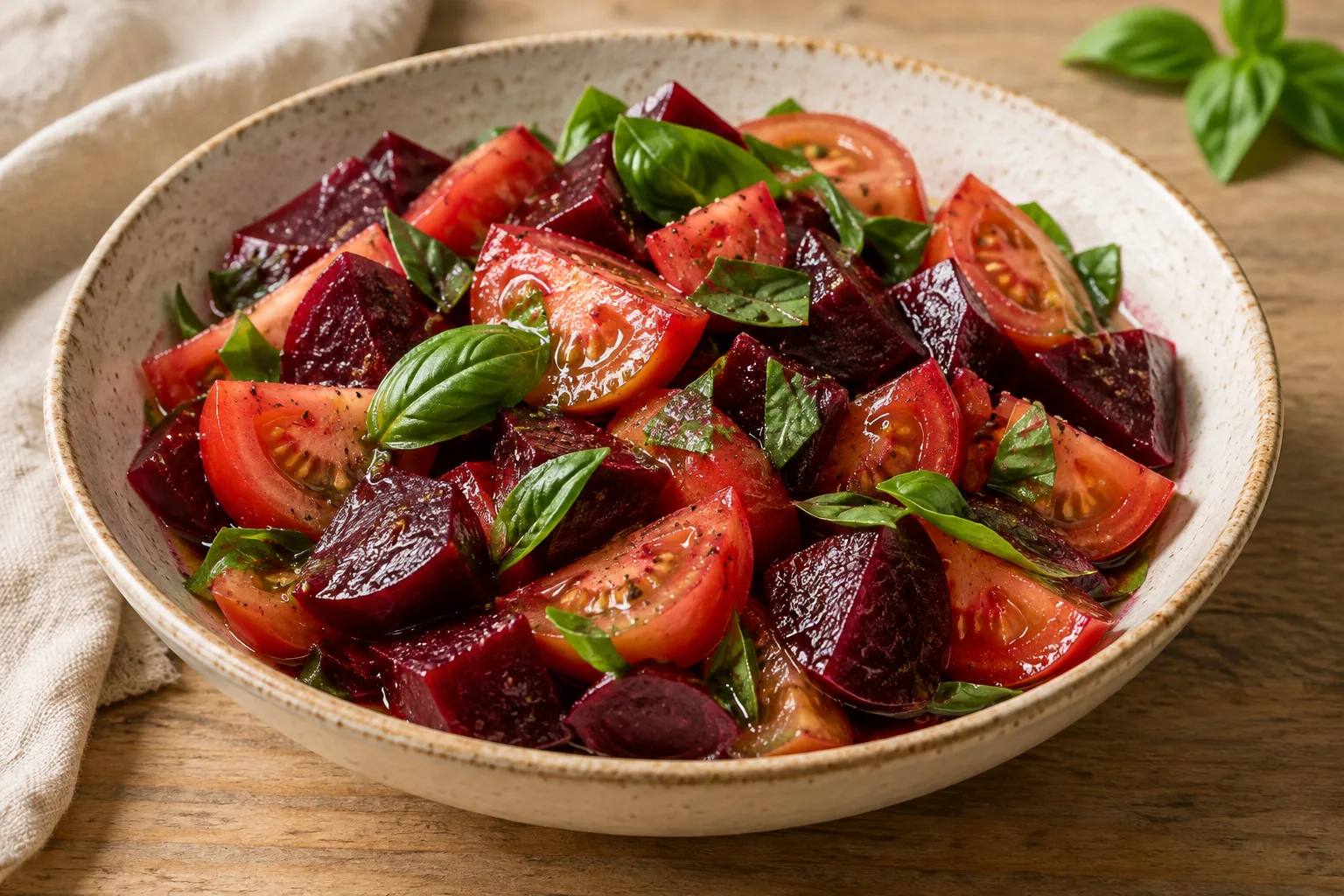
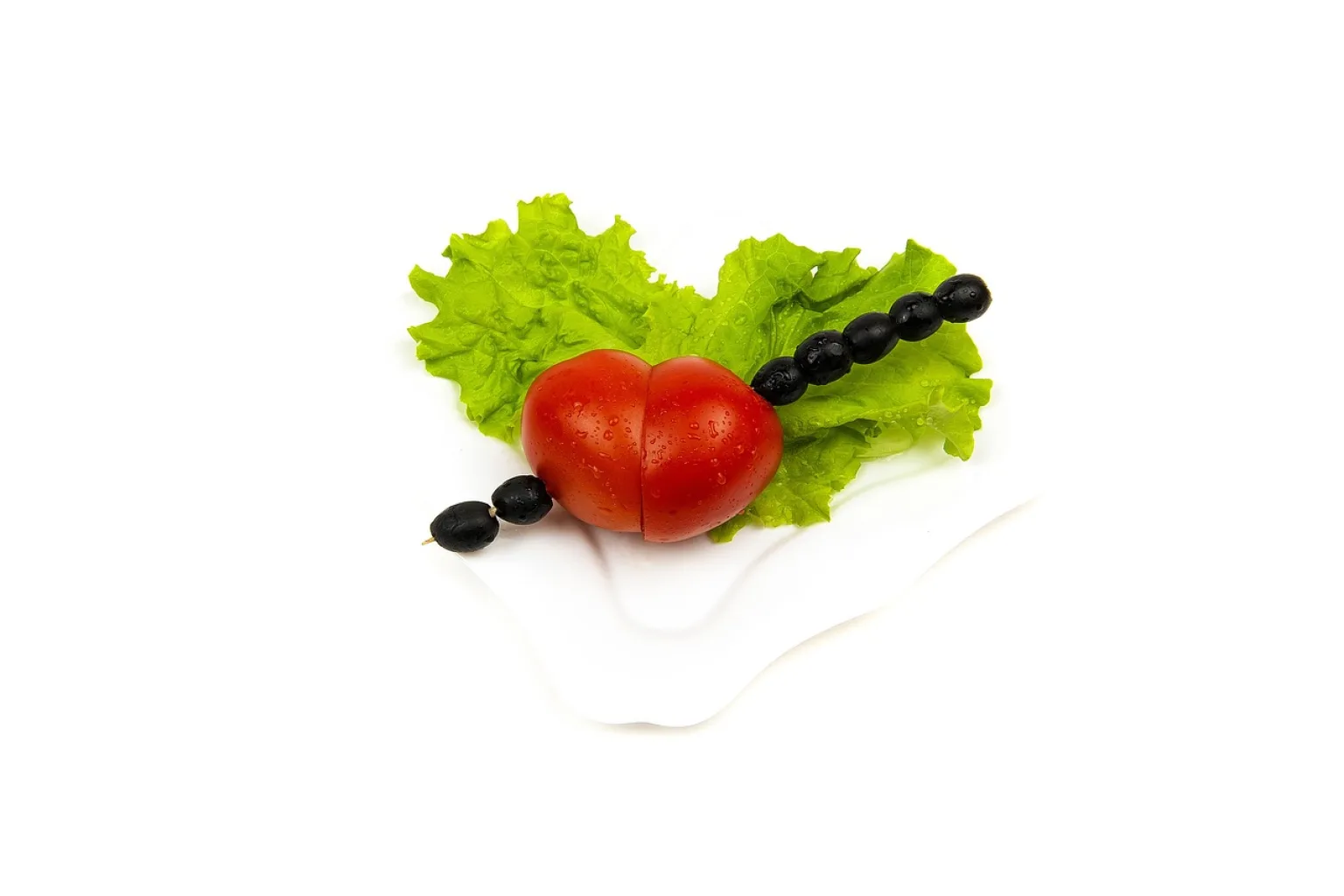
A ripe tomato is the edible fruit of the tomato plant, Solanum lycopersicum, a member of the nightshade family. Botanically it is a seeded fruit, but in everyday cooking it is commonly treated as a vegetable because it is often used in savory dishes. Ripeness can make the flesh softer and juicier, but size, shape, color, firmness, and flavor vary with the variety. “Ripe” therefore does not always mean deep red, nor does it describe every tomato in exactly the same way. Consider the variety’s own appearance and aroma, as well as the texture needed for the dish, when choosing how to use it.
When to use it
Use ripe tomatoes raw when you want their juice and flavor to stand out, such as in salads, dressed slices, sandwiches, or tomato-topped bread. Their soft flesh also works well in gazpacho, salmorejo, and other blended chilled preparations, where it can combine smoothly. For sauces, soups, and stews, chop or cook them until they meld with the other ingredients. If they are too soft to cut into neat slices, use them in a blended or cooked preparation instead, provided they show no clear signs of spoilage.
How to use it
Wash and dry the tomato before cutting it. For a salad or sandwich, slice or chop it and dress it shortly before serving, as the recipe requires. For tomato-topped bread or toast, grate or rub the tomato onto the bread and add olive oil; garlic and herbs can bring additional flavors. For chilled soup or a raw sauce, blend or chop the tomato and combine it with ingredients such as cucumber, pepper, onion, or basil, depending on the preparation. You can also add chopped tomato to a sauce, soup, or stew and cook it with the other ingredients. The result depends on the variety: some tomatoes are fleshier and others juicier, so adapt the cut and preparation to the texture you have.
Flavour and texture
Flavor ranges from sweet and fruity to fresh and somewhat tart, depending on variety and ripeness. Ripe flesh is usually juicy and may soften, though some types remain firmer and meatier. Color also varies between varieties and cannot describe flavor on its own.
How to choose it
Choose tomatoes that look intact and have a degree of ripeness suited to the dish: firmer ones for distinct slices and softer ones for blending or cooking. Look for a noticeable aroma and flesh that feels sound for its variety, without assuming all tomatoes should have the same size, shape, or color. Differences in color and firmness between varieties are normal.
Storage
For the best flavor, keep ripe tomatoes out of direct sunlight and use them while their aroma and texture remain good. Available recommendations about refrigeration are not uniform; some advise keeping tomatoes out of the refrigerator when flavor is the priority. Do not use tomatoes that have spoiled or developed mold or an unpleasant smell.
Substitutions
In sauces and stews, canned tomatoes can replace fresh ones when a more uniform texture suits the recipe. Crushed tomatoes, purée, or passata can also work in cooked dishes that call for a smooth base. They will not reproduce the fresh texture of sliced tomato in a salad or on toast.
Common mistakes
Do not choose a tomato by color alone: varieties differ in hue, firmness, juiciness, and flavor. Nor should you automatically discard a soft tomato if it is still in good condition; it may be useful blended or cooked. Do not try to salvage tomatoes with mold, a bad smell, or clear signs of spoilage.
Safety and allergens
If you have a known tomato allergy, avoid eating it and ask a health professional if you are unsure. For packaged tomatoes or prepared products, check the product information and follow any applicable storage and use instructions.
Culinary uses
- fresh salad ingredient
- base for cold soups and sauces
- ingredient in cooked sauces, soups and stews
- juicy topping for bread and toast
Recommended techniques
- slice or dice for raw dishes
- grate or crush for bread toppings and raw sauces
- blend for cold soups and smooth sauces
- cook into sauces, soups or stews
Pairs well with
- olive oil and basil
- bread and garlic
- mozzarella and basil
- cucumber, pepper and onion
Frequently asked questions
Is a tomato a fruit or a vegetable?
Botanically, it is a seeded fruit; in cooking, it is commonly treated as a vegetable because it is often used in savory dishes.
What can I make with very ripe tomatoes?
If they are still in good condition, blend them into chilled soup or sauce, or chop them into a cooked preparation.
Are all ripe tomatoes red?
Not necessarily. Color, shape, and firmness vary by variety, so deep red is not a universal sign or requirement.
Estimated nutrition
- Fat
- 0.11 g
- Saturates
- 0.02 g
- Carbohydrate
- 4.01 g
- Sugars
- 2.49 g
- Fibre
- 0.7 g
- Protein
- 0.95 g
- Salt
- 0.03 g
Sources and review
Automatically researched, cross-checked and validated content. Sources consulted:
- En el etiquetado alimentario hay algunas menciones que son obligatorias eletiquetadocuentamucho.aesan.gob.es
- Client Challenge doi.org
- Tomate - Wikipedia, la enciclopedia libre es.wikipedia.org
- Variedades de tomates: guía completa con tipos, características y usos jardineriaon.com
- ¿Qué otros usos le dan al tomate? restauranteelpilonrascafria.es
- Tomates: usos en la cocina y propiedades - Cocina y Come cocinaycome.com
- Tipos De Tomates: Variedades Y Usos Culinarios | La Fallera lafallera.es
- Tomate: Variedades Españolas, Tipos, Propiedades y Cultivo frutamerca.com
- Maridajes – Agrogust agrogust.com
- Los 6 mejores tipos de tomate y cómo usarlos en cocina mercadosantamariadelacabeza.es
- 6 VARIEDADES DE TOMATES Y SUS USOS EN COCINA - Masymas Supermercados super-masymas.com
- El tomate: rey de la huerta frutasverduras.net
- 40 recetas con tomate: maduros, secos, de la huerta, frito diezminutos.es
- Recetas irresistibles con tomates maduros: frescura y sabor cookpad.com
- Qué cocinar con tomates muy maduros: 9 recetas de verano fáciles para aprovecharlos antes de que se estropeen petitchef.es