- Category
- Herbs and spices
- State
- Dry
- Usual unit
- Variable
What it is
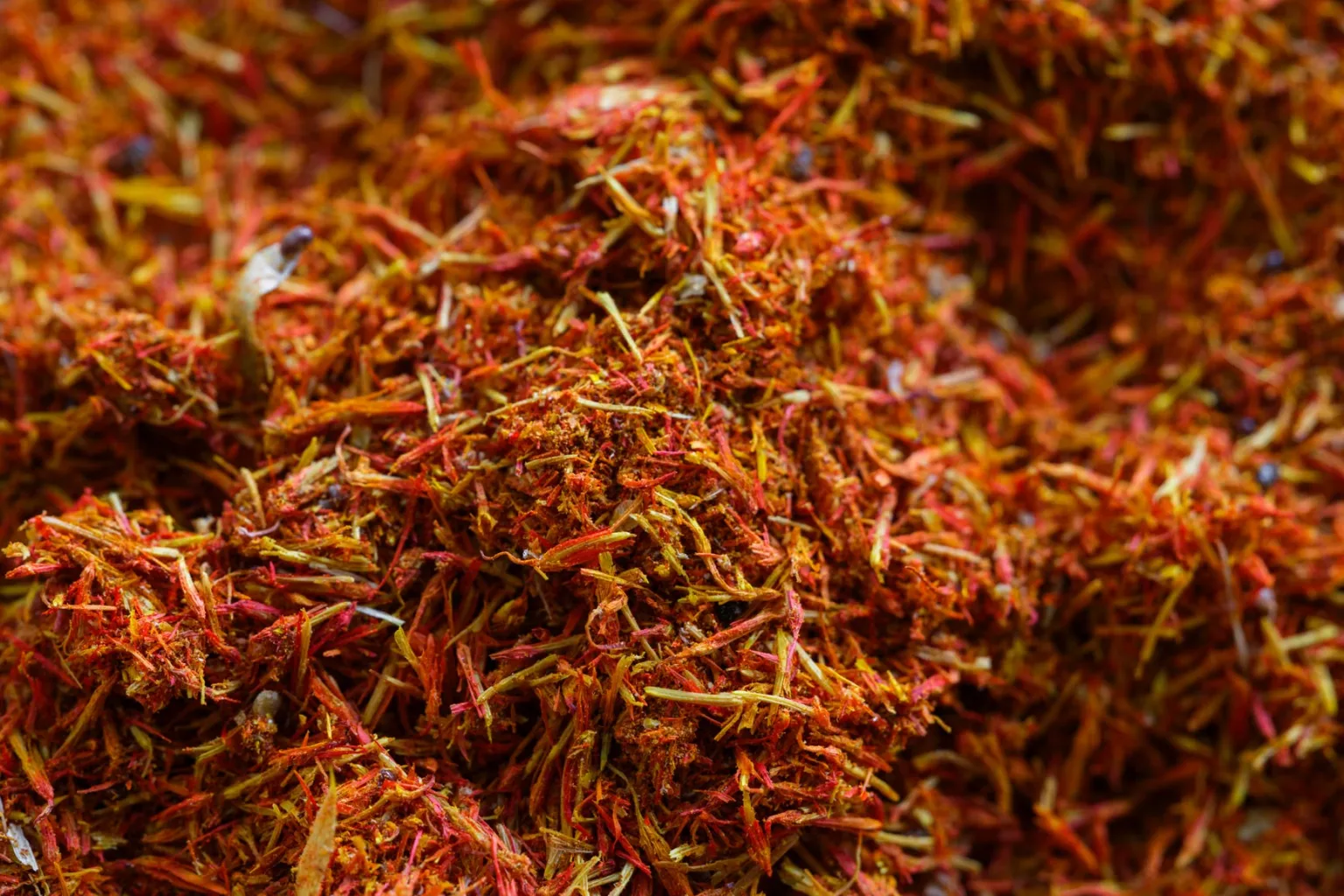
Saffron threads are a dry spice made from the stigmas of the Crocus sativus flower. The threads are usually red and can lend yellow to golden hues, along with aroma and flavor, to food and liquid. Their profile is described as intense, floral, and earthy, with a noticeable bitterness. Appearance and strength can vary between products, so color or thread size alone should not be treated as a reliable measure of quality. Saffron is generally used in small amounts and is most useful when you want its distinctive aroma to become part of a dish, rather than simply adding color.
When to use it
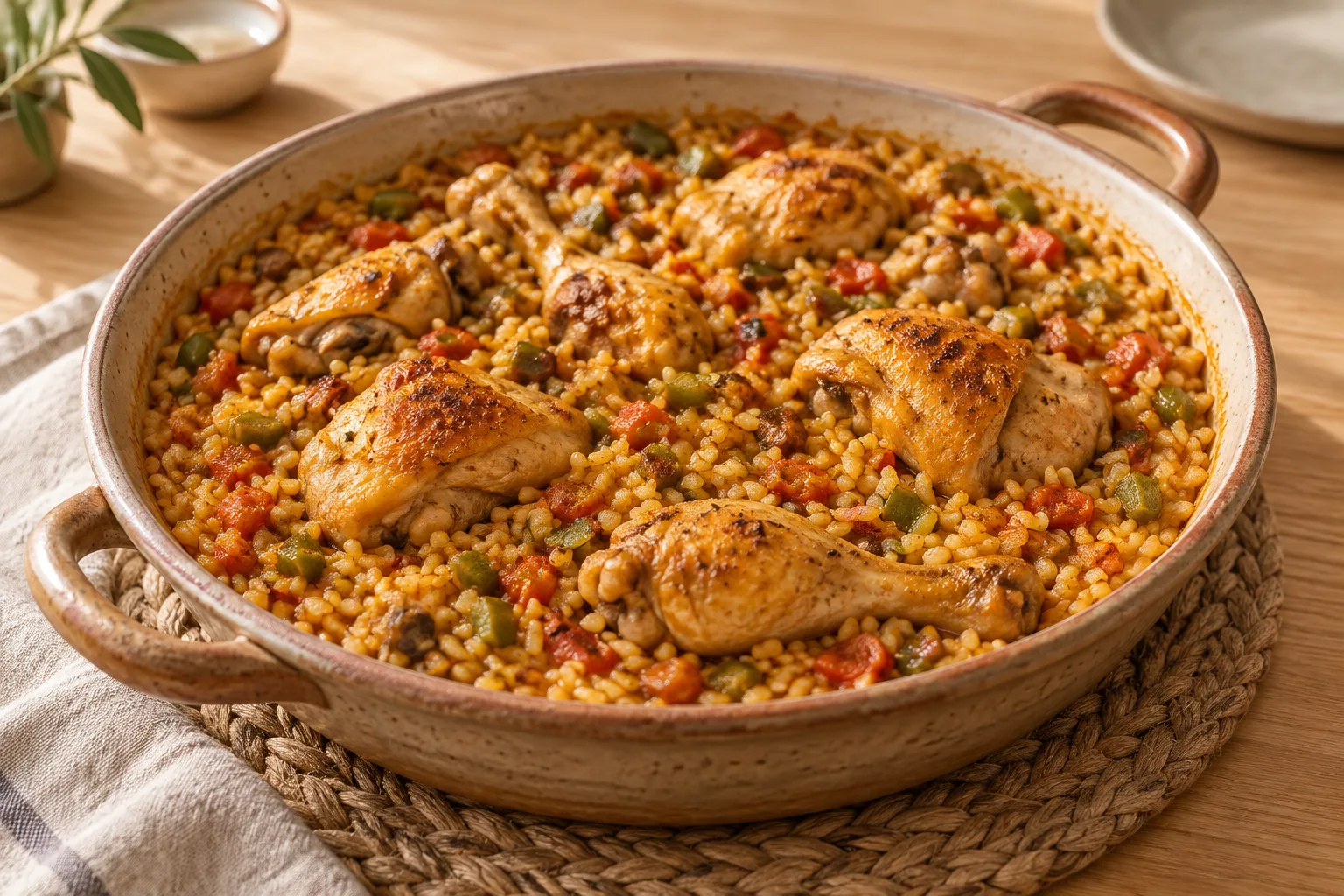
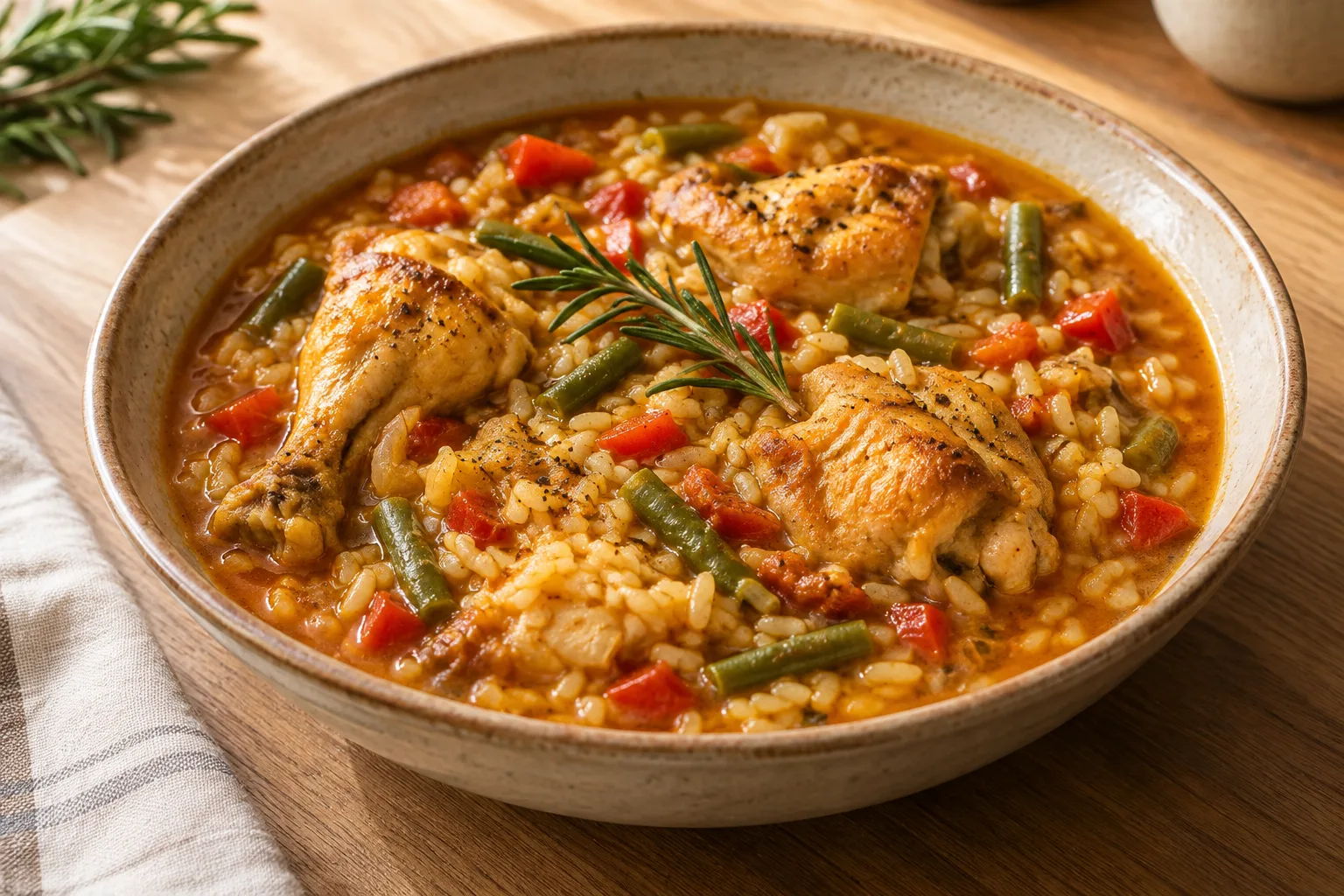
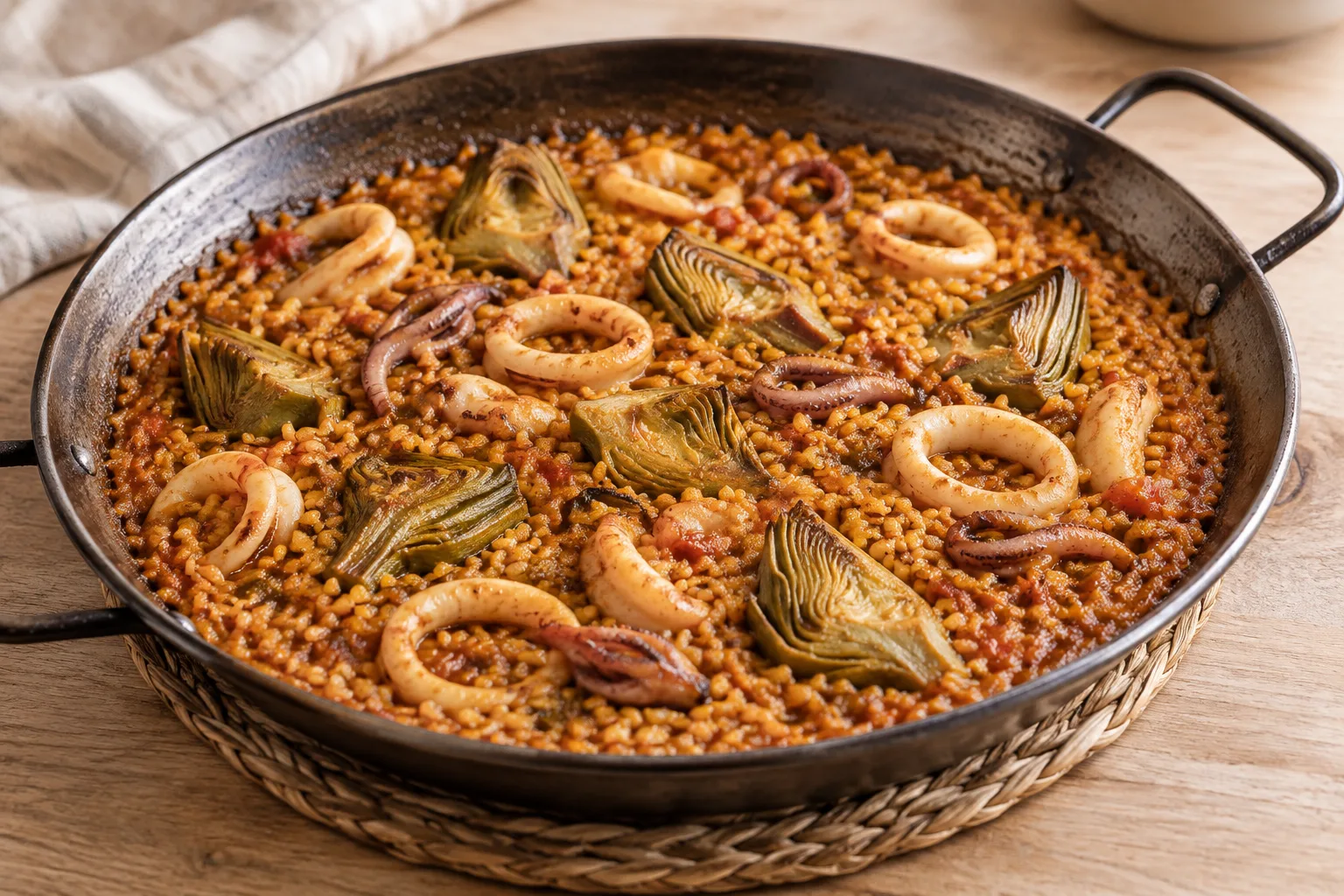
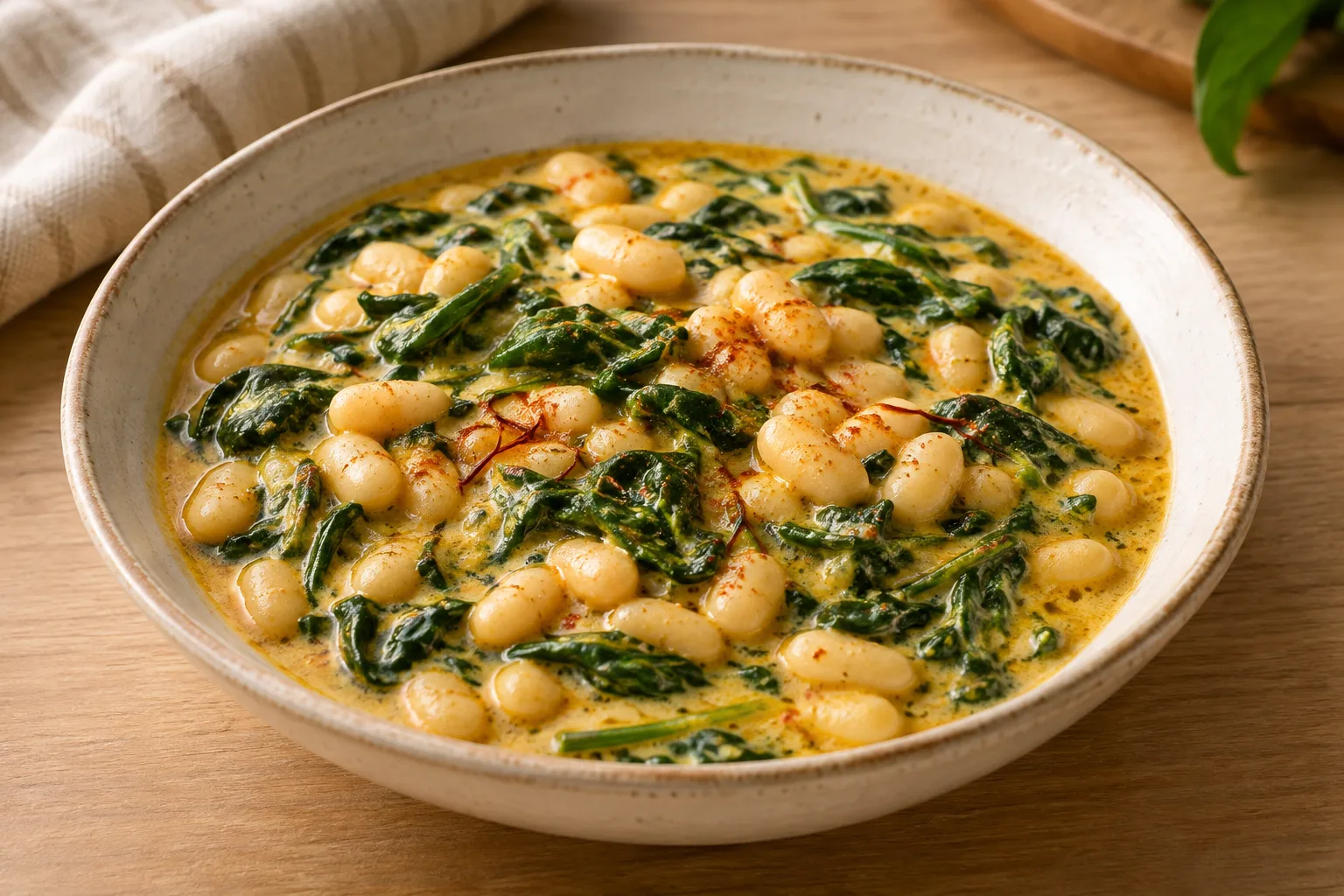
Choose saffron threads when you want a distinctive aromatic note and a golden color, especially in rice dishes, paella, risotto, soups, stews, and fish or seafood broths. They can also be used in sauces and some sweet dishes or drinks. Because the flavor is distinctive and intense, use them sparingly so they complement rather than overwhelm other ingredients. If you only want to change a dish's color, turmeric can provide an alternative hue, but it will not give the same aroma or flavor.
How to use it
For more even distribution, gently crush the threads if desired, then infuse them in a small amount of water, stock, milk, or another liquid suited to the recipe. Add both the liquid and the threads to the dish. You can also add the threads directly to a liquid-containing preparation and let them disperse as it cooks. Avoid treating saffron simply as a herb to sprinkle on top: its aroma and color are better used when they can move into the liquid and spread through the dish. Start with a small amount and adjust cautiously, since thread strength can vary. Toasting is not required as a general rule; the available evidence does not support it as an essential method.
Flavour and texture
Saffron has a penetrating aroma described as floral and an intense flavor with earthy and bitter notes. Some products may seem mildly sweet, but that impression is not universal. The dried threads are fragile and add little texture to a finished dish; their main role is to provide aroma and color. When infused, they release color into the liquid and distribute their character through the preparation.
How to choose it
Look for a product clearly identified as saffron threads and review the package or seller information, including the ingredient details where available. Saffron is sold dry and its appearance can vary; color alone does not guarantee quality or authenticity. If buying loose, ask how the product is identified and check that allergen information is available. Avoid choosing solely on price or on promotional claims about origin or quality that are not explained.
Storage
Keep the threads in a tightly closed container in a dry place away from light. Protect them from moisture and from materials that could transfer odors or otherwise affect the product. Follow the storage directions and date on the label, as these may vary with the product and packaging. Close the container after each use to limit exposure to air and moisture.
Substitutions
Turmeric can give some dishes a yellow hue, but it does not reproduce saffron's floral aroma or earthy, bitter flavor. It is therefore a color alternative, not an equivalent replacement. If a recipe depends on saffron's aromatic character, it may be better to choose a different dish than to expect another spice to imitate its profile exactly.
Common mistakes
A common mistake is using too much saffron and allowing its intense flavor to dominate the dish. The threads may also be unevenly distributed if they are added without a chance to infuse into the recipe's liquid. Do not confuse a color alternative such as turmeric with a substitute that provides the same aroma and flavor. Do not assume every batch of threads has identical strength.
Safety and allergens
No specific official safety warning for saffron threads is available here. Read the product label and check allergen information, especially for loose products or preparations containing other ingredients. Follow the storage directions provided by the manufacturer.
Culinary uses
- Aromatizar arroces, sopas, guisos y salsas
- Aportar un tono amarillo dorado a preparaciones
Recommended techniques
- Infusionar las hebras en una pequeña cantidad de líquido y añadirlo al plato
- Machacar suavemente las hebras antes de infusionarlas
Pairs well with
- Arroz y risotto
- Pescados, mariscos, sopas y guisos
- Salsas y preparaciones dulces
Frequently asked questions
Which part of the plant is saffron?
Saffron threads are the dried stigmas of the Crocus sativus flower.
How should I use saffron threads?
You can infuse them in a small amount of liquid, then add both the threads and liquid to the dish.
Can turmeric replace saffron?
It can add color, but it does not reproduce saffron's characteristic aroma or flavor.
Estimated nutrition
- Fat
- 0 g
- Saturates
- 0 g
- Carbohydrate
- 0 g
- Sugars
- 0 g
- Protein
- 0 g
- Salt
- 0 g
Sources and review
Automatically researched, cross-checked and validated content. Sources consulted:
- En el etiquetado alimentario hay algunas menciones que son obligatorias eletiquetadocuentamucho.aesan.gob.es
- ¿Por qué la muerte es origen de miedos y tabúes? doi.org
- COMISIÓN INSTITUCIONAL ACLARACIONES DEL LISTADO DE EXCEPCIONES PARA ALIMENTOS aesan.gob.es
- Azafrán Hebras: Comparativa de las Mejores Variedades Valencianas y Su Impacto en la Gastronomía culturavalenciana.es
- Todo sobre el azafrán, la fragante especia más cara del mundo: propiedades y usos en la cocina más allá de la paella directoalpaladar.com
- Qué Es Azafrán: Beneficios y Usos Culinarios | La Fallera lafallera.es
- ¿Qué es el azafrán y para qué sirve? | JUST SPICES ® justspices.es
- Azafrán: La 1ª guía definitiva - Espècies Teixidor teixidor.com
- Azafrán en hebras - Dehesa de la Albufera dehesadelaalbufera.com
- Azafrán en hebras 1g - Comprar Online - La Parada de las Especias comprarespecias.net
- Qué es el azafrán? Guía completa 2026 – FRISAFRAN frisafran.com
- Azafrán | Comprar azafrán de alta calidad – Especias Pedroza especiaspedroza.es
- Usos culinarios del azafrán en la cocina | Cocinar con Crocus Sativus – Sativus.com sativus.com
- A Freír Espárragos afreiresparragos.com
- Hebras de Azafrán - Especias el Reloj especiaselreloj.com
- Cómo usar el azafrán: 15 Pasos (con imágenes) - wikiHow es.wikihow.com
- Paella de Marisco Valenciana: Receta Auténtica y Fácil es.kitchen20.com