- Category
- Vegetables
- State
- Fresh
- Usual unit
- g
What it is
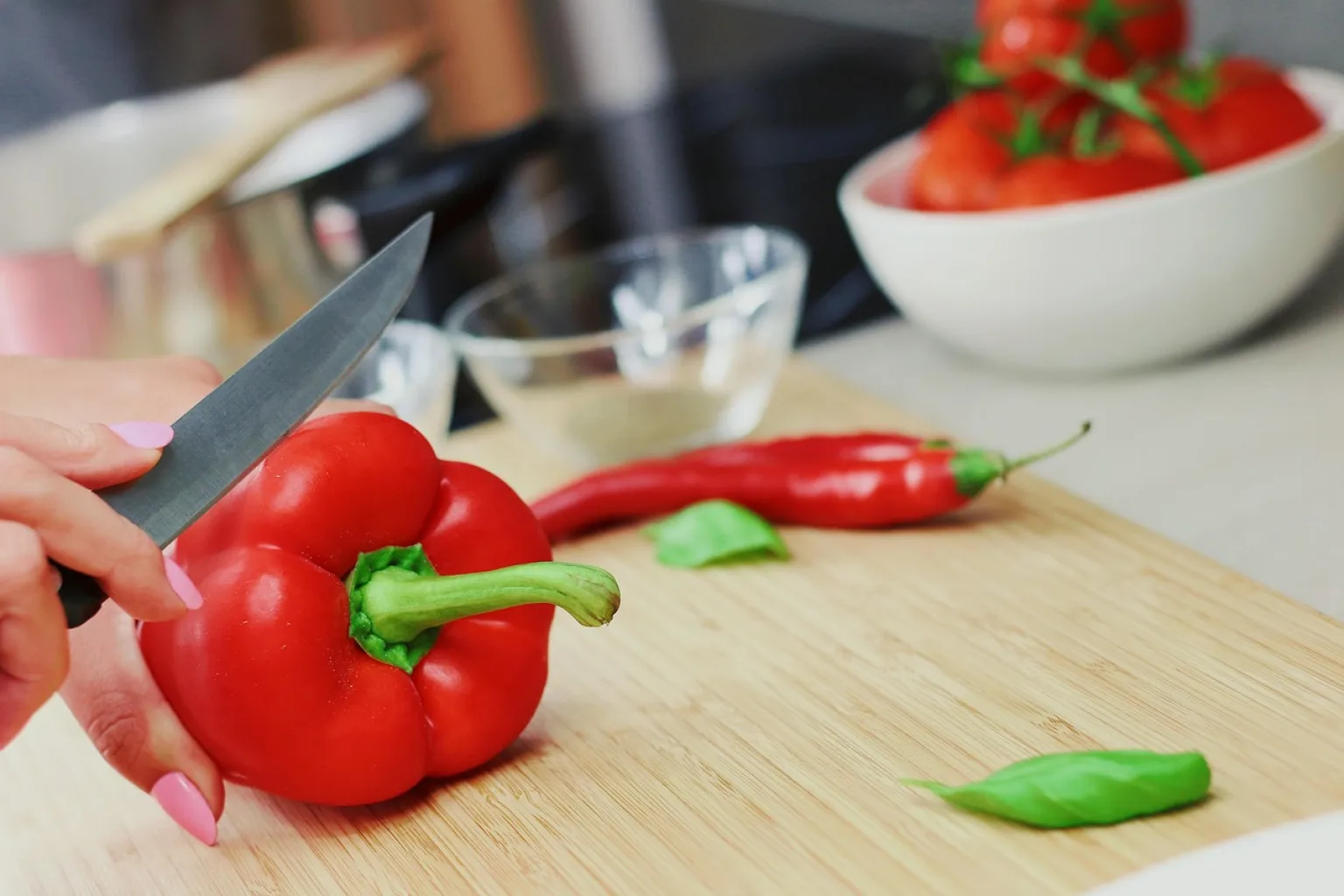
A small red bell pepper is a fresh, red, sweet pepper. In the kitchen it is used as a vegetable, although botanically a pepper is the fruit of a plant in the Capsicum genus. Sweet peppers vary in shape, flesh thickness and flavor, so size alone does not identify a particular cultivar or guarantee identical texture from one pepper to another. This profile refers to a sweet red pepper, not a hot chile or a dried, ground pepper. It can be added raw to cold dishes or cooked whole or cut up, depending on its shape and the intended use.
When to use it
Use it when you want to add color, moisture and a sweet note to a salad, sauté or vegetable dish. Its small size may also make it convenient to serve whole or stuff, provided its shape allows it. In dishes where pepper cooks alongside other ingredients, cut it into evenly sized pieces to encourage even cooking. If a recipe depends on a particular kind of pepper, such as one with especially thick flesh or a hot variety, do not assume this small sweet pepper will give the same result: shape, flesh thickness and heat vary among pepper types.
How to use it
Before cooking, check its condition and prepare it for the recipe. For a salad, cut it into strips or dice and combine it with other vegetables; it can also be served raw for a crisp, colorful element. To cook it, cut it into similarly sized pieces and sauté or fry it, or roast it for a softer texture and more concentrated flavor. To stuff it, remove the stem and seeds and adapt the filling to the space available; its small size may limit how much filling it holds. It can also be cooked whole when the preparation allows. There is no single cooking time for every pepper: the result depends on its size, cut and cooking method.
Flavour and texture
Sweet red peppers generally have a mild, sweet flavor, though its intensity can vary with the pepper and variety. Raw, a bell pepper is fresh and crisp. Cooking softens it, while roasting can make it more tender and mellow. Small size alone does not predict flesh thickness or the final texture. Nor should a sweet pepper be confused with hot varieties: red color by itself does not determine heat.
How to choose it
Choose peppers that feel firm and crisp and have a deep red color, with no visible damage, following available selection guidance for red peppers. Appearance cannot tell you exactly how each pepper will feel after cooking, and size alone does not define a variety. If buying a packaged product, check the label for any specific storage or use directions. Names and presentation can vary for loose produce, so confirm that the pepper is sweet if you need to avoid a hot variety.
Storage
The available evidence does not establish a specific storage temperature or duration for this ingredient. Store it according to directions provided with the purchase or on the package, if any, and check the storage and use instructions that apply to its presentation. Requirements can differ between packaged and unpackaged foods. Do not treat this general guidance as a validated method for long-term storage or home canning.
Substitutions
Another sweet pepper, such as a yellow, orange or green one, can stand in for it, but the result will not be identical: color, sweetness, vegetal flavor, shape and flesh may differ. Green peppers tend to give a different profile from red ones. If size matters for serving a whole pepper or making a stuffed dish, choose a substitute of similar dimensions. Do not automatically substitute a hot variety when the recipe calls for a sweet pepper.
Common mistakes
Do not assume that every small pepper is hot, or that every red pepper has exactly the same sweetness or flesh thickness. Another common mistake is substituting any pepper without considering the size, shape and texture the recipe needs. For stuffing, check the usable space in each pepper; for a sauté, cut pieces to a similar size. Color alone does not establish heat level or a specific variety.
Safety and allergens
The supplied evidence identifies no specific warning for small red bell peppers. Check the condition of the produce and follow storage and use directions that apply to its presentation; relevant information can differ for packaged and unpackaged food. This is not a substitute for validated home-canning instructions.
Culinary uses
- Aporta color, humedad y sabor dulce a ensaladas y platos cocinados.
- Puede servirse como ingrediente principal cuando se asa o se rellena.
Recommended techniques
- Consumir crudo, lavado y cortado en ensaladas o como acompañamiento.
- Asar, saltear o freír; también puede prepararse relleno.
Pairs well with
- Tomate y otras hortalizas en ensaladas o preparaciones como el pisto.
- Arroz, verduras y otros ingredientes de relleno.
Frequently asked questions
Is a small red bell pepper always hot?
Do not infer heat from size or color alone. This profile describes a sweet red pepper; other pepper varieties can be hot.
Can it be eaten raw?
Yes. It can be cut and added to salads or served raw, depending on the preparation.
Can it be stuffed?
It can be stuffed if its shape and size allow. It holds less filling than a large pepper, so adjust the amount accordingly.
Estimated nutrition
- Fat
- 9.84 g
- Saturates
- 4.92 g
- Carbohydrate
- 8.2 g
- Sugars
- 3.28 g
- Fibre
- 1.6 g
- Protein
- 1.64 g
- Salt
- 1.06 g
Sources and review
Automatically researched, cross-checked and validated content. Sources consulted:
- En el etiquetado alimentario hay algunas menciones que son obligatorias eletiquetadocuentamucho.aesan.gob.es
- Conservando los Coloridos Pimientos del Huerto extension.psu.edu
- Client Challenge doi.org
- Pimentón - Wikipedia, la enciclopedia libre es.wikipedia.org
- Pimientos | Center for Community Health communityhealth.ucsd.edu
- Pimiento (chile dulce) | Postharvest Research and Extension Center postharvest.ucdavis.edu
- Variedades de pimientos más populares y algunas recetas con ellos hola.com
- Artes culinarias/Ingredientes/Pimiento - Wikilibros es.wikibooks.org
- Pimiento: Variedades (Rojo, Verde, Padrón), Propiedades y Cultivo frutamerca.com
- El pimiento rojo:¿ una verdura o un condimento? - Grupo Gastronómico El Almirez ggelalmirez.com
- Pimientos: variedades y usos en cocina - CocinoPedia.com cocinopedia.com
- Freezing Pimientos - National Center for Home Food Preservation nchfp.uga.edu
- Aprobado por el REGLAMENTO DE EJECUCIÓN (UE) 2020/1528 DE LA COMISIÓN de 14 de mapa.gob.es
- ¡DULCES O PICOSOS, todos son Nu t ri ti v o • D el ic io s o • W is c o n si n health.extension.wisc.edu
- UTIA Real. Life. Solutions. solutions.tennessee.edu
- Tipos de pimientos | La Fallera lafallera.es