- Category
- Pulses
- State
- Dry
- Usual unit
- g
What it is
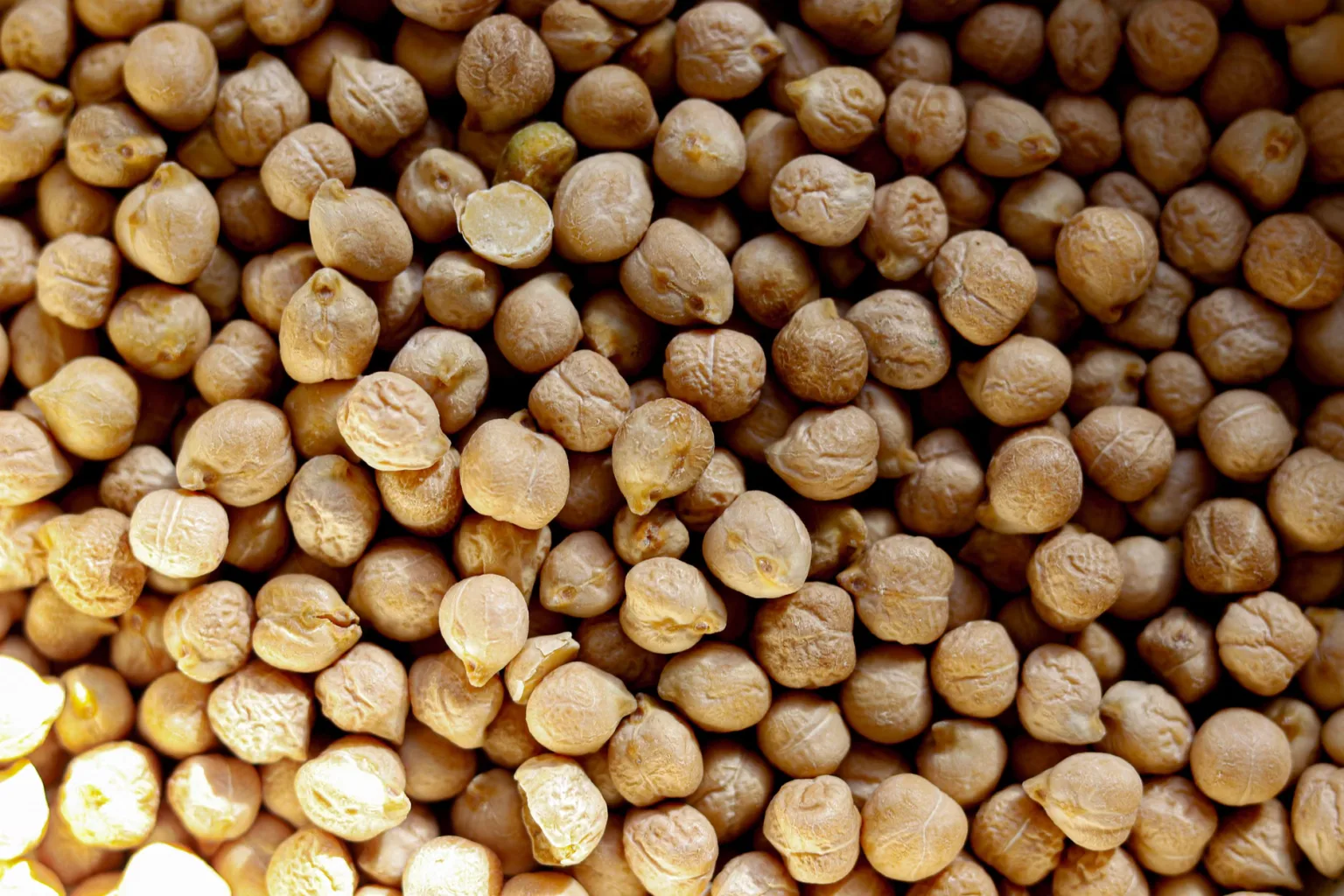
Chana dal is the seed of a small, dark desi chickpea, split in two and hulled. It is sold dry, and the halves usually look yellow. Although it is sometimes mistaken for lentils or yellow split peas, it is neither: it is still a chickpea. It is also not exactly the same as split kabuli chickpeas, which are generally larger and milder in flavor. In cooking, chana dal can become tender while keeping recognizable pieces rather than breaking down completely. The word dal is also used for different pulses and for dishes made with them.
When to use it
Choose chana dal when you want a dal or stew that gets body from the pulse while some halves remain visible. It works in preparations with tomato, onion, garlic, ginger, and spices, and can be served with rice or flatbread. It can also be used in mixed dals, soups, and some sweet pulse preparations. If a recipe depends on the mild flavor of split kabuli chickpeas, or calls for another pulse that fully breaks down, chana dal may produce a different result. Check the product name on the package: do not automatically substitute yellow split peas.
How to use it
Rinse the chana dal and cook it in water until the halves are tender; the target texture depends on the recipe, and they do not all need to disappear into the liquid. Combine the cooked pulse with an onion-and-tomato base, garlic, ginger, and spices, or add a tarka of aromatic spices briefly cooked in oil. Adjust the consistency with cooking liquid or water to suit the dish. For a thicker stew, mash only part of the dal with a spoon and leave the rest recognizable. Serve with rice, naan, or chapati, and finish with fresh cilantro or lemon if the recipe calls for it. Do not treat one recipe’s cooking times as universal: the sources describe different methods and durations.
Flavour and texture
Sources describe cooked chana dal as slightly sweet and nutty, with a more assertive flavor than split kabuli chickpeas. It can become tender without losing all its structure, giving a stew recognizable bites. If cooked further or partly mashed, it helps make the dish thick and creamy, though it does not have to be puréed. The final texture also depends on how much is mashed and how much liquid is used.
How to choose it
Look for a package labeled chana dal or split, hulled desi chickpeas. The halves are usually yellow; check the name as well as the appearance, because yellow split peas can look similar but are a different plant. Do not confuse the product with split kabuli chickpeas, which may be larger and milder. If the package includes preparation instructions, use them as a guide for that specific product.
Storage
Chana dal is sold as a dry pulse, but the available sources do not establish a universal storage period or set of conditions. Follow the package directions and keep the lot information available for reference. Do not assign a specific storage life without manufacturer information; any product-specific instructions on the package should take priority.
Substitutions
The sources do not describe an exact replacement. Split kabuli chickpeas can be used in some mixed dals, but they are milder and creamier and do not exactly reproduce chana dal’s character. Another pulse or type of dal may work in a flexible recipe, but it will change the flavor, texture, and possibly the cooking behavior. Do not treat yellow split peas as equivalent: they are different ingredients.
Common mistakes
Do not confuse chana dal with yellow split peas or split kabuli chickpeas: they may look similar, but they are different products. Do not assume every piece has to dissolve; tender chana dal can retain recognizable halves. Avoid applying another pulse’s cooking times without checking, since soaking and cooking vary among recipes and products.
Safety and allergens
Follow the package directions and cook the pulse until tender before serving. The available sources provide no ingredient-specific safety warning.
Culinary uses
- Base de dal y guisos de legumbres
- Ingrediente para sopas, mezclas de dals y preparaciones dulces
Recommended techniques
- Enjuagar y cocer en agua hasta que esté tierno; puede conservar parte de su forma
- Añadir un tarka o tadka de especias aromáticas a la legumbre ya cocida
- Aplastar una parte para espesar el guiso sin perder todos los trozos
Pairs well with
- Arroz
- Naan o chapati
- Tomate, cebolla, ajo, jengibre, comino y cúrcuma
- Cilantro fresco y limón
Frequently asked questions
Is chana dal a lentil?
No. It is split, hulled desi chickpea. It may be mislabeled or confused with other pulses, but it is not a lentil or a yellow split pea.
How is it different from split kabuli chickpeas?
Chana dal comes from desi chickpeas and is described as more assertive in flavor and more likely to retain its shape. Split kabuli chickpeas are described as larger, milder, and creamier.
What can I serve it with?
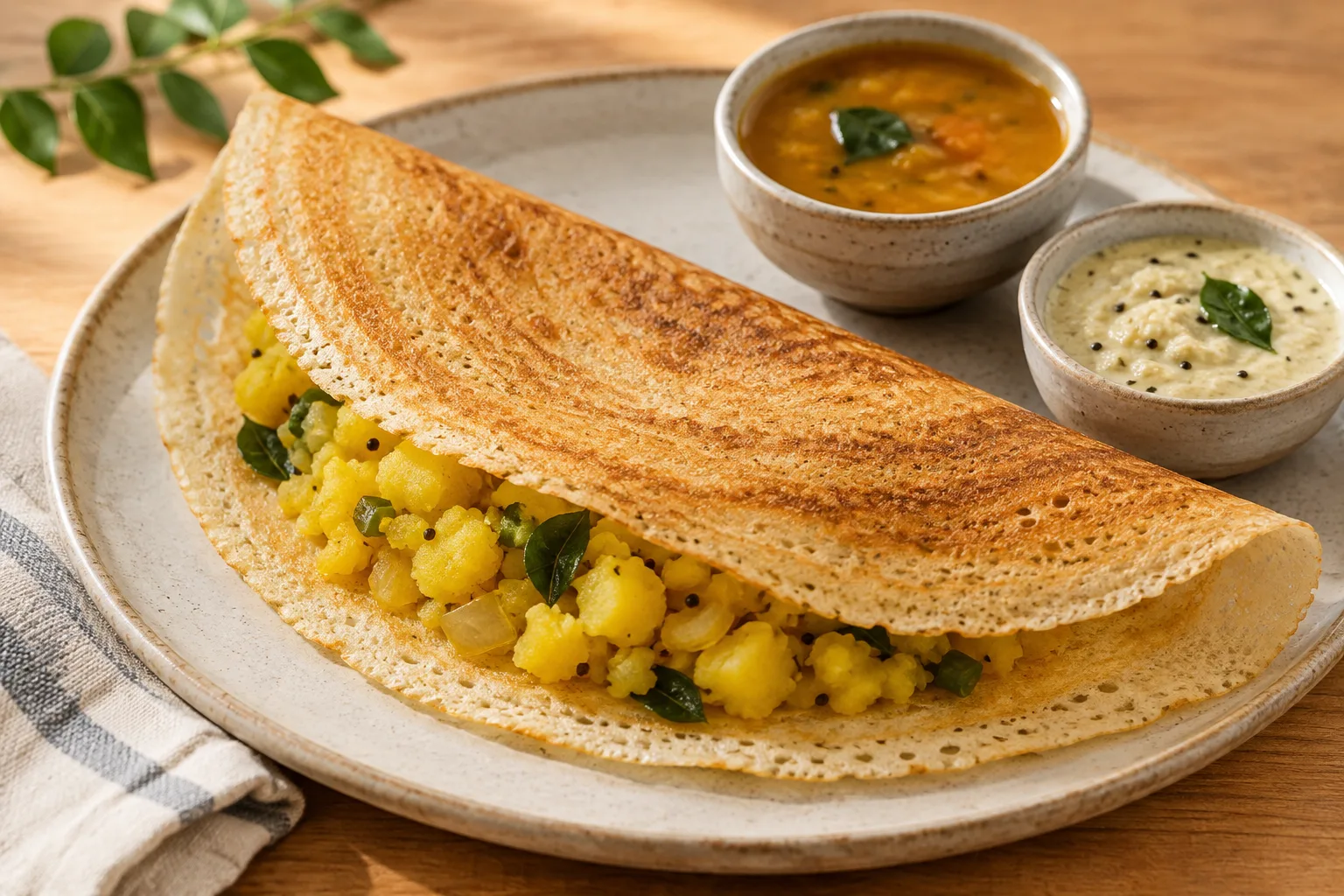
Recipes in the sources pair it with rice, naan, or chapati. They also use tomato and spices, with fresh cilantro and, in some versions, lemon.
Estimated nutrition
- Fat
- 20 g
- Saturates
- 0 g
- Carbohydrate
- 51.4 g
- Sugars
- 0 g
- Fibre
- 11.4 g
- Protein
- 20 g
- Salt
- 1.14 g
Sources and review
Automatically researched, cross-checked and validated content. Sources consulted:
- ¿Por qué la muerte es origen de miedos y tabúes? doi.org
- Client Challenge doi.org
- Chana Dal: Receta India con Garbanzos - SECIP secip.info
- Chana dal: garbanzos partidos con sofrito indio de tomate y especias abc.es
- Chana dal – Dal de garbanzos partidos | La cocina delokos delokos.wordpress.com
- Chana Dal — Open Spice Box openspicebox.com
- LA COCINERA NOVATA: CHANA DAL, un plato indio de legumbres lacocineranovata.blogspot.com
- Legumbres - Spice and Colour spiceandcolour.com
- - YouTube youtube.com
- Chana Masala (Garbanzos) - Pure Curry purecurry.com
- **Channa Dal: Comparativa de los Mejores Productos para Cocinar Comida Asiática Perfecta** thaibistro.es
- Chana Dal vs. Garbanzos: Lo que debes saber sobre su nutrición | Country Life Natural Foods countrylifefoods.com
- Garbanzos Partidos — Open Spice Box openspicebox.com
- Chana Masala (Curry de Garbanzo) - Spice and Colour spiceandcolour.com
- - YouTube youtube.com