- Category
- Vegetables
- State
- Fresh
- Usual unit
- unit
What it is
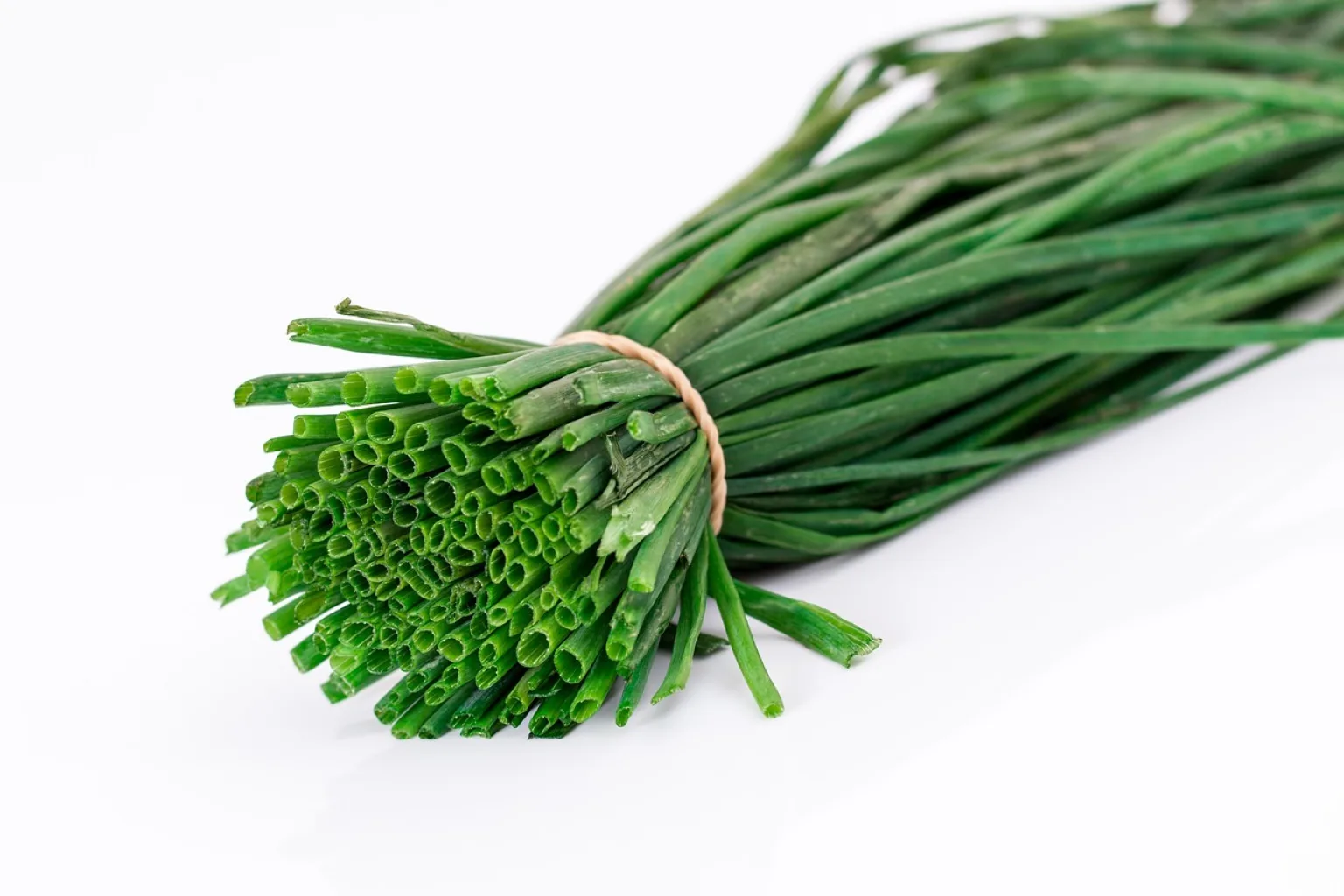
Spring onions are fresh vegetables in the Allium family, used for both their white and green parts. The name can vary by place and product: some markets use it for young or bunching onions, so the shape and thickness of the base may differ. One extension guide describes a green onion with white and green stems that does not form a bulb, while other sources use spring onion for products with a more thickened base. It is therefore useful to judge the particular vegetable rather than assume every item sold under this name has the same shape. In cooking, both the white part and the leaves can be chopped and eaten; the base generally gives a more pronounced onion flavor, while the green leaves work well as a fresh finishing touch.
When to use it
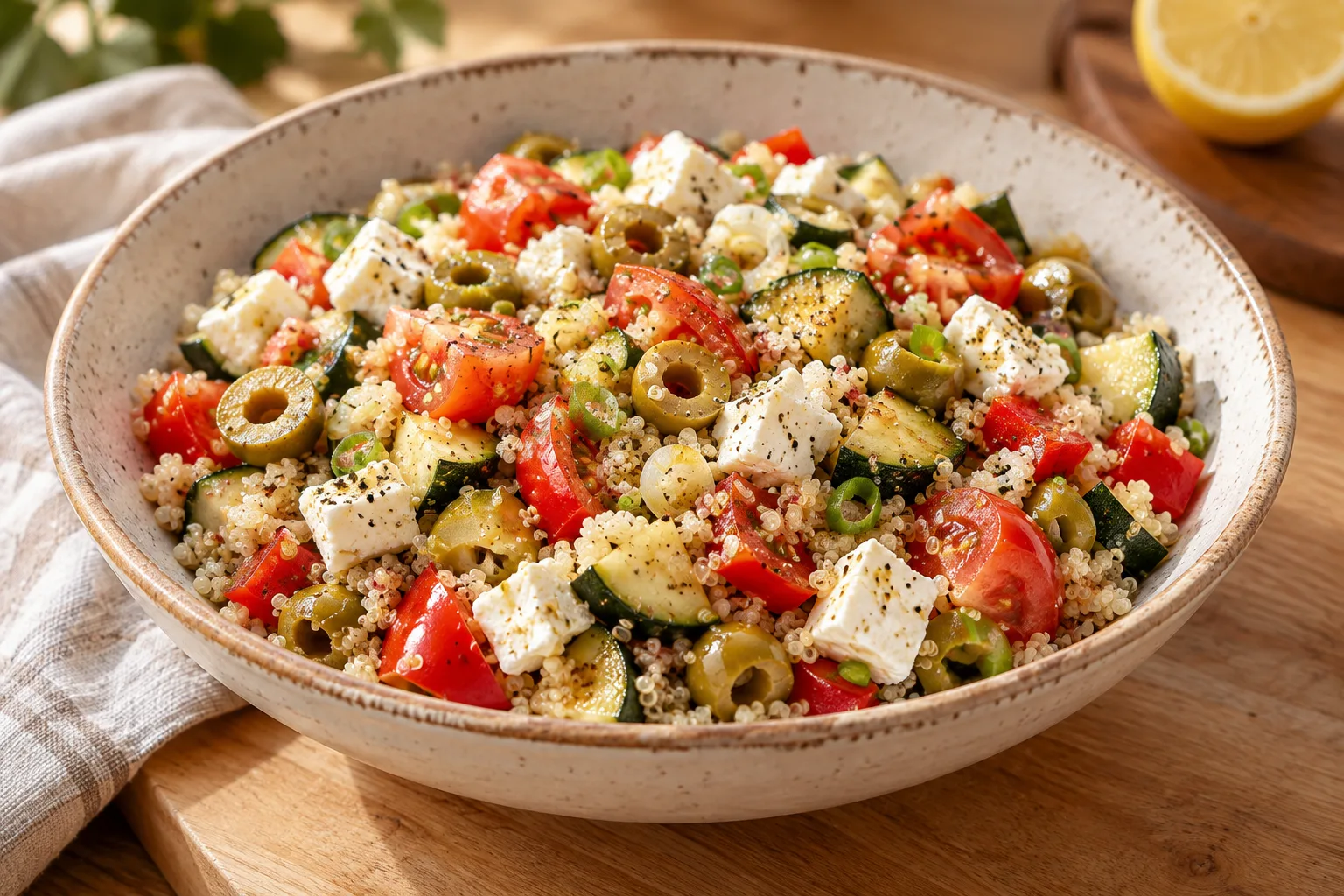
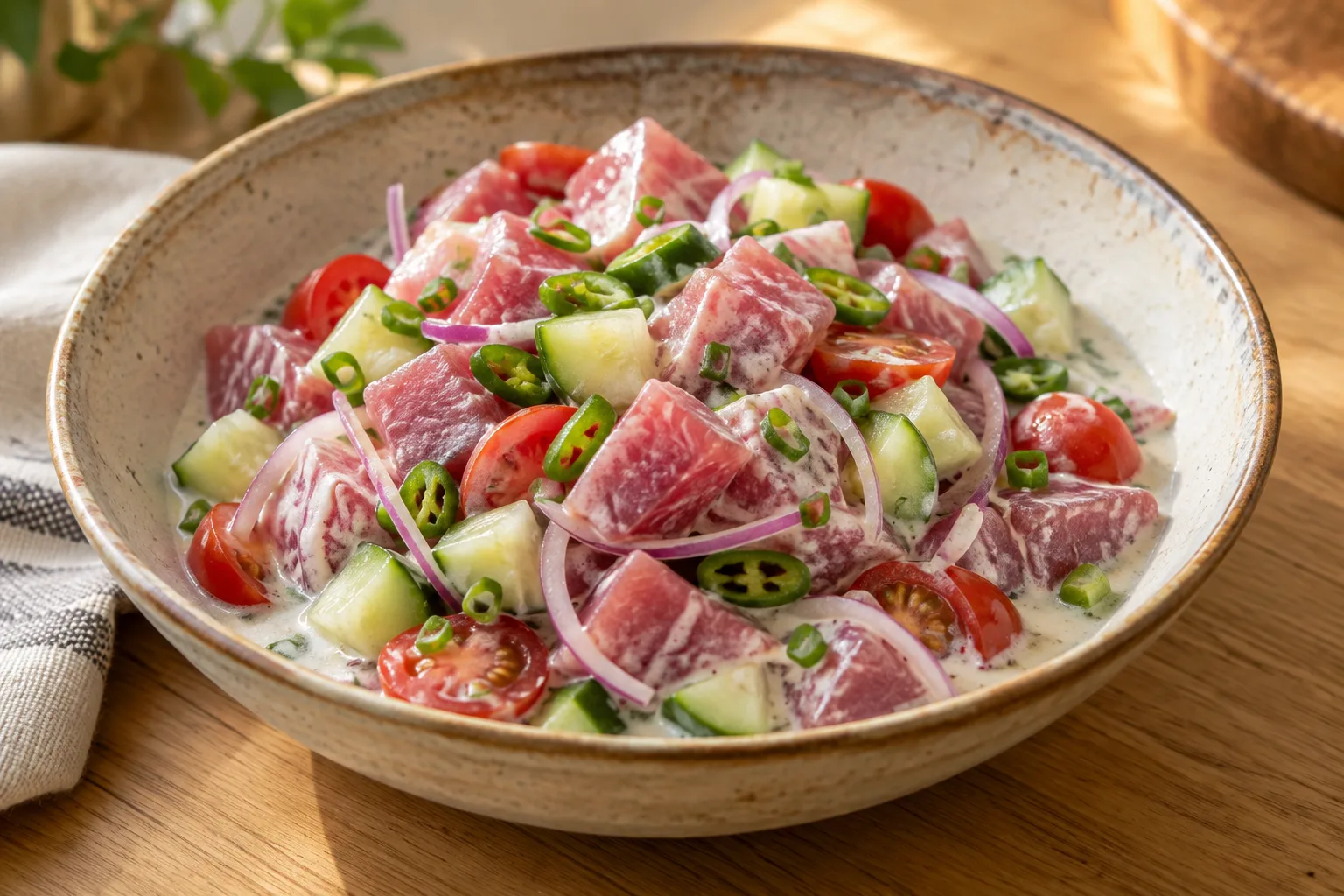
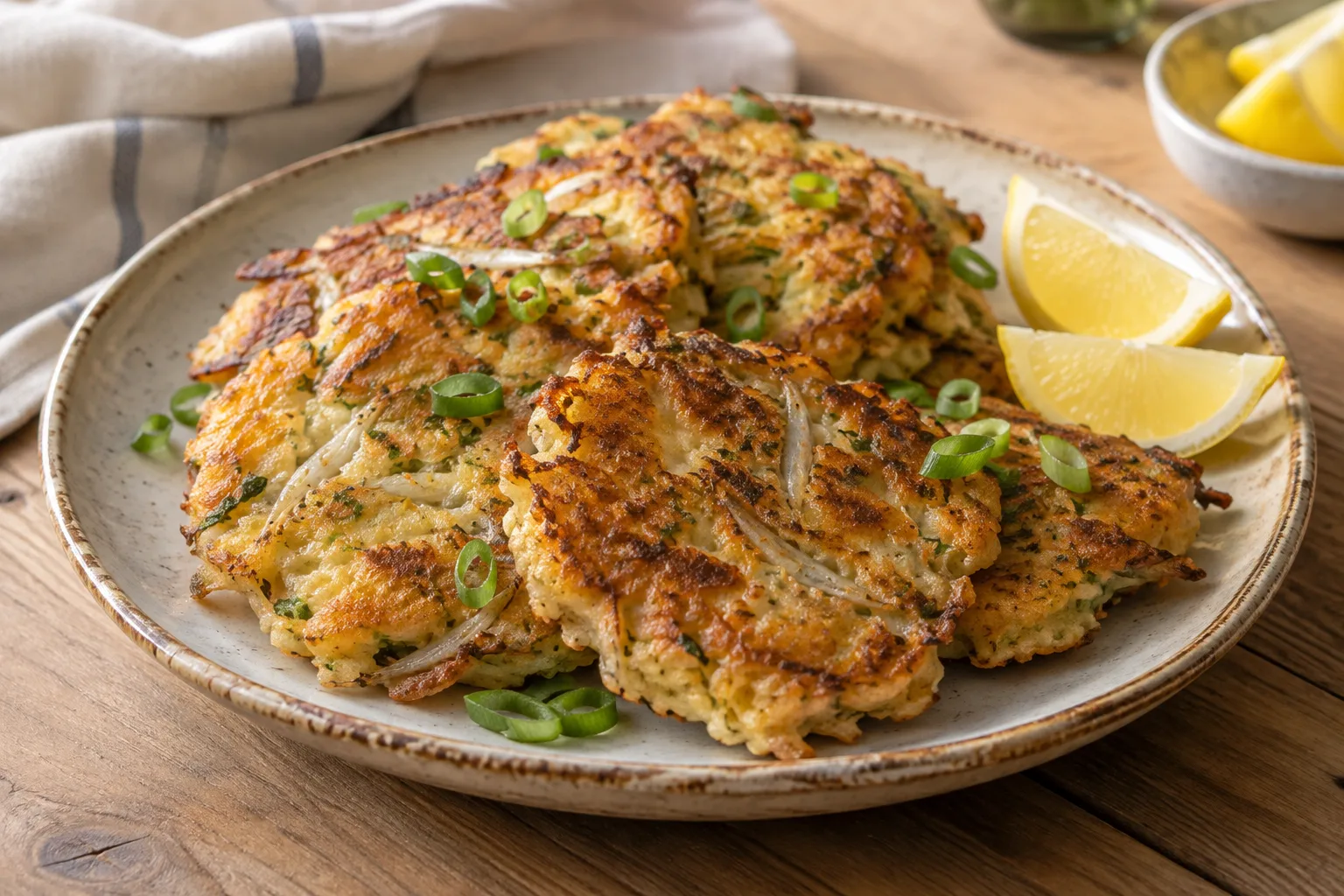
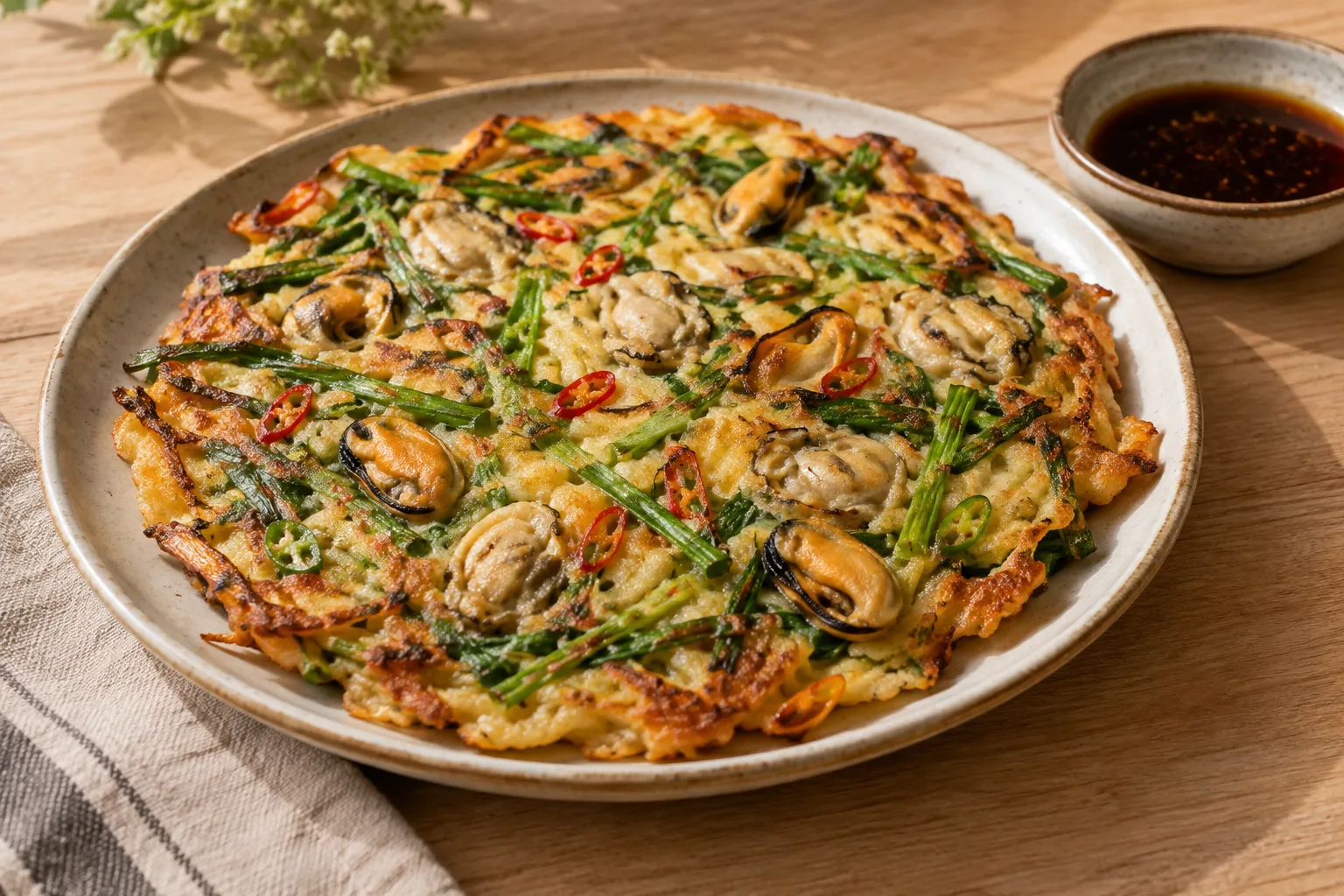
Use spring onions when you want a fresher, gentler onion flavor than a stronger onion provides, or when a dish would benefit from a contrast of color and texture. Chopped raw, they can finish soups, salads, and other cooked foods. In a stir-fry, add them near the end so they cook briefly and retain some texture. They can also be grilled whole and served as a side. Choose the white part for a more pronounced taste and the green leaves for a lighter finish.
How to use it
Trim off the roots and any wilted or damaged parts, and separate the white base from the green leaves if you want to control the flavor. Chop them finely to add raw to a salad, scatter over soup, or use as a final touch on a hot dish. For a stir-fry, cut them into pieces and add them close to the end; an extension guide recommends adding green onions among the last ingredients and cooking them briefly. They can also be grilled whole and served as a side. If a recipe calls for onion, spring onion can be a milder alternative; adjust the amount to taste and remember that the white and green parts do not have identical intensity.
Flavour and texture
Their flavor is onion-like but described as milder and fresher. The white base is generally more pronounced than the leaves, so choose one or the other depending on how much onion flavor you want. Raw and freshly cut, they bring a fresh bite; the result depends on the size and form of the vegetable, which may vary among products sold under this name.
How to choose it
Choose spring onions that look fresh, without mold, unusual odors, or clearly damaged areas. The leaves should look fresh, and the base should not appear limp or damaged. Individual onions can vary in thickness and in how much the white part widens, so do not judge quality by size alone. Buy an amount you can use soon and handle the vegetables gently to reduce bruising.
Storage
Keep them fresh and protected from excess moisture and damage; general guidance for many fresh vegetables recommends keeping them cold and humid. The sources do not give a spring-onion-specific storage duration, so do not rely on a fixed number of days. Follow any storage directions on the package and check the vegetables before use. If they have been cut or the label gives specific directions, follow those instructions.
Substitutions
Onion can replace spring onion when an onion flavor is wanted, but it may taste stronger; start with less and adjust. Leek can work in some cooked recipes, though it is not an exact replacement. If spring onions are being used raw as a finishing touch, these alternatives will change both flavor and texture, so consider whether the dish needs that fresh quality and color contrast.
Common mistakes
Do not assume every spring onion has the same shape or is simply a small common onion: the name can cover different products. Another mistake is treating the white part and leaves as equally strong, or cooking spring onions for too long when they are intended for a brief stir-fry. Taste and adjust the cut and amount to suit the dish.
Safety and allergens
Handle spring onions with clean hands and utensils, discard parts with visible mold or spoilage, and follow package storage and use directions when provided. The available evidence does not identify a specific safety warning for this ingredient.
Culinary uses
- Fresh garnish
- Mild aromatic vegetable
Recommended techniques
- Chop and serve raw
- Add near the end of a stir-fry
- Grill whole as a side dish
Pairs well with
- Soups
- Salads
- Stir-fries
- Grilled dishes
Frequently asked questions
Can you eat both the white and green parts?
Yes. Culinary sources describe chopped use of the stems and leaves; the white part generally has a more pronounced onion flavor.
Are spring onions eaten raw or cooked?
Both ways: chopped into salads or used as a garnish, briefly added to a stir-fry, or grilled whole as a side.
Do all spring onions have the same shape?
Not necessarily. The name is used variably for green or young onions, and the base may be more or less thickened.
Estimated nutrition
- Fat
- 0.19 g
- Saturates
- 0.03 g
- Carbohydrate
- 7.34 g
- Sugars
- 2.33 g
- Fibre
- 2.6 g
- Protein
- 1.83 g
- Salt
- 0.04 g
Sources and review
Automatically researched, cross-checked and validated content. Sources consulted:
- En el etiquetado alimentario hay algunas menciones que son obligatorias eletiquetadocuentamucho.aesan.gob.es
- Client Challenge doi.org
- Cooking Food Storage | USU extension.usu.edu
- Aesan - Agencia Española de Seguridad Alimentaria y Nutrición aesan.gob.es
- Food Selection & Storage | Home & Garden Information Center hgic.clemson.edu
- VARY YOUR VEGGIES: How to Select and Store Vegetables | NDSU Agriculture ndsu.edu
- Buying, Storing & Preparing Fresh Vegetables - Alabama Cooperative Extension System aces.edu
- Carrots 101: Selection, Storage, and Cooking Tips for Maximum Flavor - Cooperative Extension: Food & Health - University of Maine Cooperative Extension extension.umaine.edu
- Principales variedades de cebolla de primavera verano mapa.gob.es
- Cultivo de cebolletas en huertos familiares | Extensión de la UMN es.extension.umn.edu
- Selecting, Storing, and Serving Ohio Beets | Ohioline ohioline.osu.edu
- Cebolleta - Qué es, Propiedades, Beneficios, Usos, Cultivo y Más tuberculos.org
- Cebolleta: Variedades, nombres y origen (INFOAGRO) amantesdelasplantas.com
- Cebolleta, la fresca hermana de temporada de la cebolla: qué es, cómo utilizarla, qué propiedades tiene y 12 recetas para aprovecharla directoalpaladar.com
- ▷ ¿Qué diferencia hay entre la cebolla y la cebolleta? | Como Cocinar y Comer comococinarocomer.com
- Qué es la cebolleta en España: La joya verde de nuestra gastronomía - Agrícola Campolor agricolacampolor.com