- Category
- Fish and seafood
- State
- Fresh
- Usual unit
- g
What it is
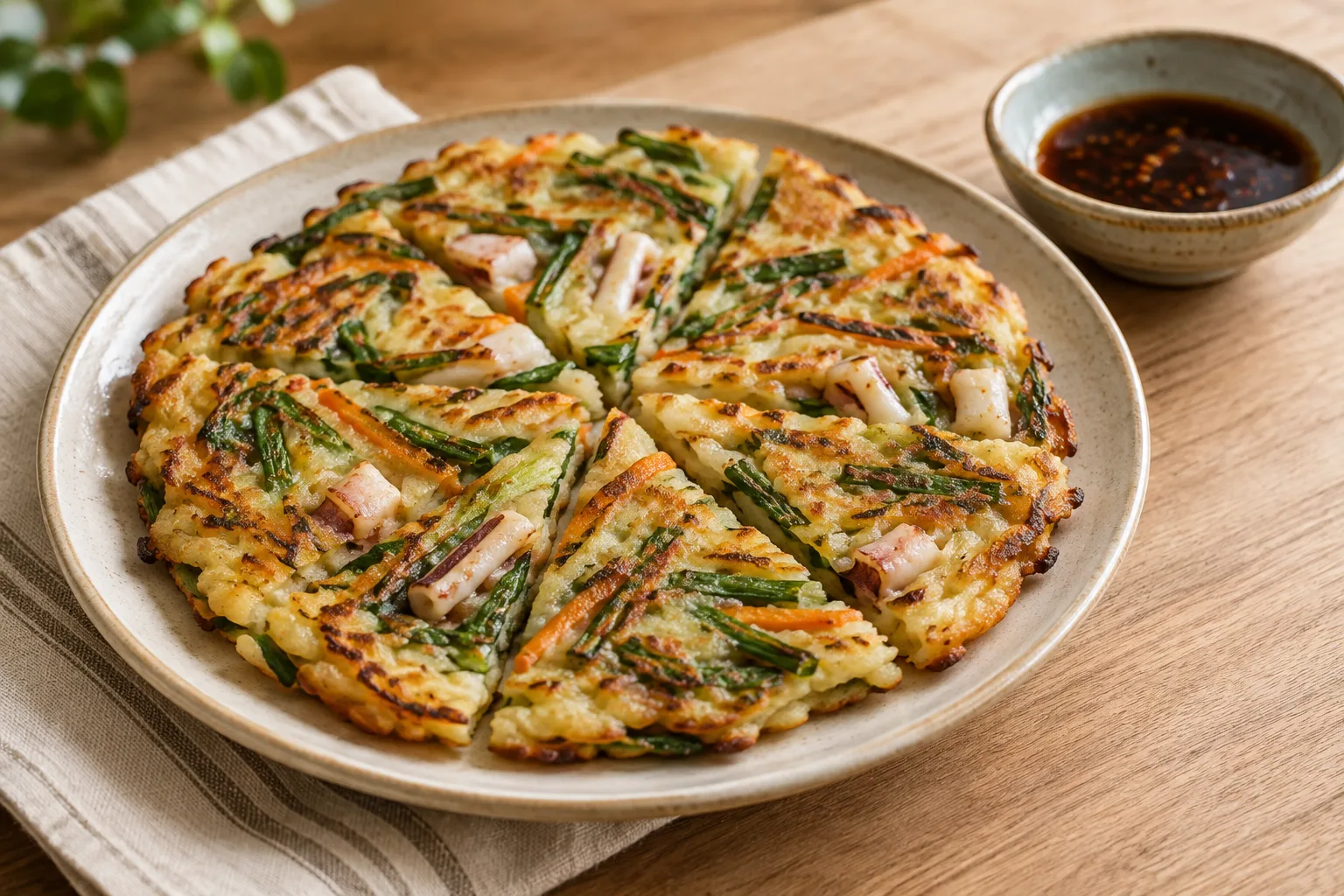
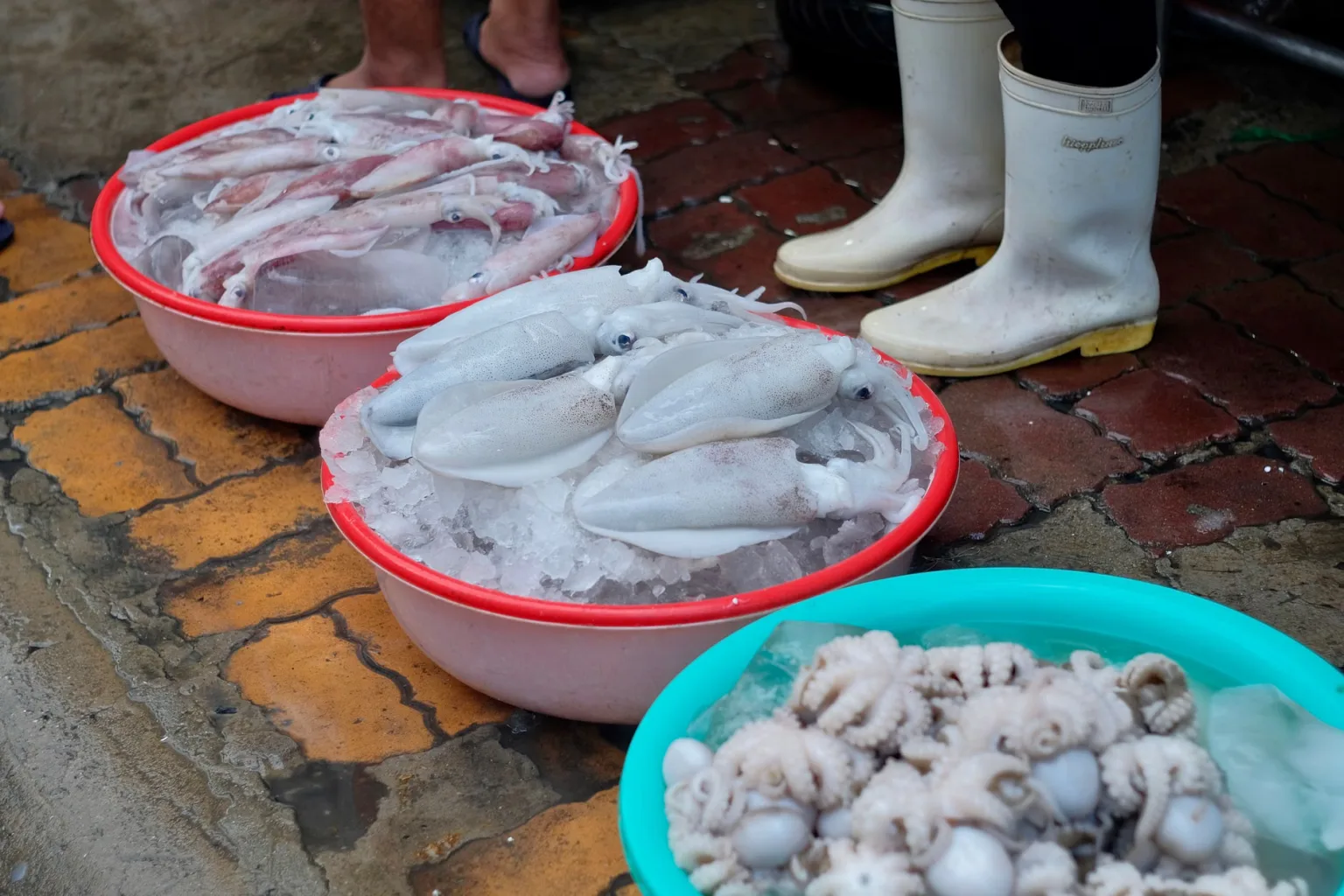
Squid is a marine cephalopod mollusk used in cuisines around the world. In the kitchen, its body, also called the mantle, can be cut into rings or strips, left whole, or stuffed. The tentacles are eaten too, and the ink is used in some recipes, including rice dishes, pasta, soups and stews. Squid can be fried, cooked on a griddle, grilled or stewed. The ingredient is not the same as a particular preparation: “calamari” can also refer to fried squid dishes or recipes made with ink. Squid belongs to the mollusk group, so people with allergies to this food group should take it into account.
When to use it
Choose squid when you want a seafood ingredient for an appetizer, a main dish, or a recipe with rice or pasta. Battered fried rings are a familiar preparation; the body can also be stuffed or cooked on a griddle. Ink is used in rice dishes, pasta, soups and stews. A brief fry is one option for a quick preparation; culinary sources also describe slow stewing as an approach that can tenderize the flesh. Match the method and cut to the dish: a slow stew is not cooked like a quick fry.
How to use it
Start by choosing the shape you need: cut the body into rings or strips for frying, leave it whole or stuff it, and set aside the tentacles if they come with the squid. For a breaded version, dip the squid in milk and seasoned flour before frying; avoid frying it for too long, which can make it very chewy. It can also be griddle-cooked, grilled or stir-fried. In stews, slow cooking can make the flesh tender, depending on the recipe. Ink can be added to rice dishes, pasta, soup or stew. Serve squid with lemon, aioli, mayonnaise or tomato sauce. If using frozen squid, thaw it before cooking and follow the package instructions.
Flavour and texture
Squid is a seafood ingredient whose texture depends on how it is cooked. With a brief fry, it can be tender inside and crisp outside; overcooking it in a pan or fryer can make it very chewy. By contrast, slow-stewed preparations can leave the flesh tender. Ink is used in dishes with a distinctive color and character. The body and tentacles can be cooked together or separately, depending on the cut and recipe.
How to choose it
Choose fresh squid from a trusted seller and check that it is being sold as fresh. Cleaned, ready-to-cook squid is available from fishmongers, and frozen squid is another option. Pick a format to suit the recipe: the body can be cut into rings or stuffed, and the tentacles can be cooked with it or served separately. If buying a whole squid, remember that its ink is used in some recipes, though not every dish calls for it. Also follow the information on the product label.
Storage
The available sources do not specify storage times or temperatures for fresh squid. Follow the label and the seller’s instructions, and consult local official guidance for seafood. A culinary source says frozen squid can be used after thawing; also follow the package instructions for the product you buy. This profile does not set storage conditions that the sources do not provide.
Substitutions
For a recipe calling for fresh squid, a culinary source says frozen squid can be used after thawing. Cuttlefish may be a culinary alternative in dishes that use ink, but it is a different ingredient and may change the result. These options are not interchangeable in every preparation: the cut and the role of the ink can affect the dish. The available evidence does not support recommending one equivalent substitute for every squid recipe.
Common mistakes
Do not keep frying squid in an attempt to make the coating much darker: overcooking can make the squid very chewy. Do not assume every cut cooks the same way, either: the body can be cut into rings or stuffed, while the tentacles can be cooked alongside it. If using frozen squid, thaw it before cooking and follow the package instructions.
Safety and allergens
Squid is a mollusk and should be considered by people allergic to this food group. Check product labeling and follow the seller’s instructions and local official guidance for handling seafood. The available sources do not provide squid-specific storage instructions, so this profile does not set times or temperatures.
Culinary uses
- Appetizer or main-course ingredient
- Ingredient for rice, pasta, soups and stews
Recommended techniques
- Brief frying or pan-frying
- Grilling or griddle-cooking
- Slow stewing
- Stuffing
Pairs well with
- Lemon
- Aioli or mayonnaise
- Tomato sauce
- Rice or pasta
Frequently asked questions
Which parts of squid can you eat?
The body, or mantle, the tentacles and the ink are used in cooking. The recipe determines which parts to use.
How do you keep fried squid from turning chewy?
Avoid frying it for too long. The culinary source consulted recommends a brief fry and warns that overcooking can make squid very chewy.
Can you cook frozen squid?
Yes. A culinary source says frozen squid can be used after thawing. Also follow the package instructions for handling the product you buy.
Estimated nutrition
- Fat
- 1.77 g
- Saturates
- 0 g
- Carbohydrate
- 2.65 g
- Sugars
- 0 g
- Fibre
- 0 g
- Protein
- 15.9 g
- Salt
- 0.11 g
Sources and review
Automatically researched, cross-checked and validated content. Sources consulted:
- Client Challenge doi.org
- The Essential Glossary of Cooking Terms for the Culinary Arts - Escoffier escoffier.edu
- Calamar (gastronomía) - Wikipedia, la enciclopedia libre es.wikipedia.org
- Agencia Española de Seguridad Alimentaria y Nutrición aesan.gob.es
- Jeri Elizabeth Kostal Assessment of Current Guidelines for Culinary ... vtechworks.lib.vt.edu
- Food Allergens - International Regulatory Chart | Food Allergy Research & Resource Program | Nebraska farrp.unl.edu
- Food Timeline: food history research service libguides.umflint.edu
- informe anual de indicadores - agricultura, pesca y alimentación servicio.mapa.gob.es
- RI Seafood Cook-Off 2026: Student Chefs Take on Calamari! - Rhode Island Sea Grant seagrant.gso.uri.edu
- Calamari, L | Food Science & Technology foodsci.oregonstate.edu
- Five O Four Kitchen - Online Lesson articulate.strayer.edu
- Pan-fried Calamari | CIA Culinary School ciachef.edu
- - YouTube youtube.com
- Calamares en su tinta: de la posible influencia china al mito de su origen vasco | Gastronomía: recetas, restaurantes y bebidas | EL PAÍS elpais.com