- Category
- Herbs and spices
- State
- Powdered
- Usual unit
- teaspoon
What it is
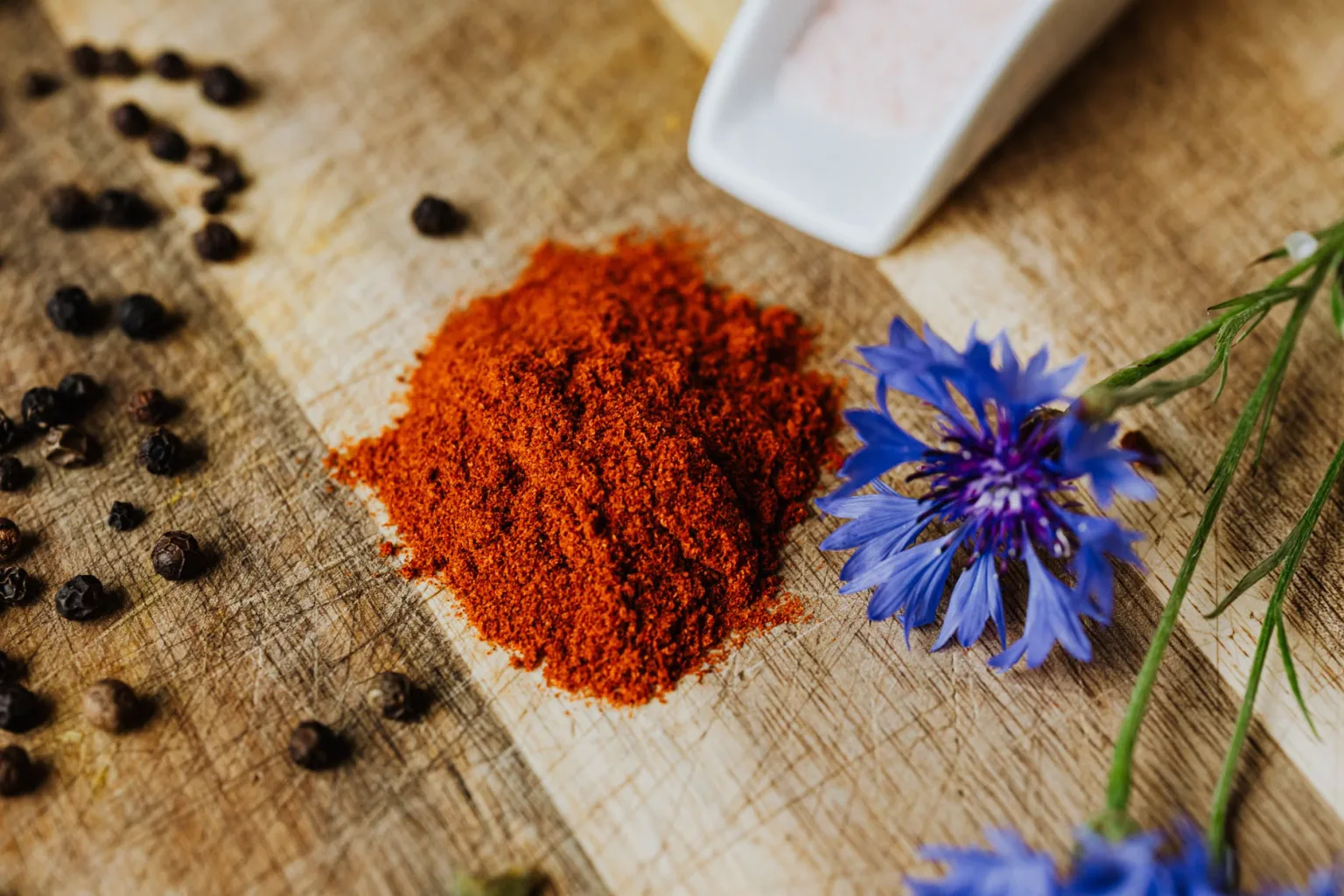
Sweet paprika is identified in the supplied Chilean cooking source as ají de color or ground pimentón. It is a powdered seasoning used to add flavor and color to a preparation. The source names sweet paprika specifically, so it should not automatically be treated as interchangeable with every hot chile powder or product called pepper. The evidence does not specify a botanical variety, heat level, or detailed flavor profile that applies to every brand. Use the name and product information on the package to confirm what you have. It can be stirred into fat as part of a preparation or added to a sofrito.
When to use it
Use sweet paprika when a recipe calls for this powdered seasoning in a fat-based preparation or sofrito. The Chilean recipe source combines it with fat, permits garlic as an optional addition, and suggests adding the mixture at the beginning of other dishes in place of their butter or oil. It also presents the preparation as an accompaniment to porotos granados. The evidence does not give a universal amount or describe every product’s intensity, so begin with the quantity in your recipe and adjust to the seasoning you bought.
How to use it
To make the Chilean-style color preparation described in the source, melt the chosen fat and, if desired, cook garlic first and remove it before adding the ají de color. Add the powder to the fat and stir attentively; the recipe specifies low heat. Alternatively, work sweet paprika into a sofrito at the beginning, using it in place of the butter or oil specified by that method. The source suggests serving the preparation with porotos granados. Follow a reliable recipe for quantities and do not assume every product or dish needs the same proportion.
Flavour and texture
The source identifies this ingredient as sweet paprika or ground pimentón, but does not provide a detailed sensory description that can be applied to every brand. It is a powdered seasoning and disperses into fat when stirred during cooking. The word sweet distinguishes the product described from hot ají, but it does not establish that every package has exactly the same flavor or intensity. Check the label and taste the dish to decide whether it needs more seasoning.
How to choose it
Look for a clear label such as sweet paprika, ground sweet pimentón, or ají de color, and confirm that it matches what your recipe requests. The Chilean cooking source treats sweet paprika and ají de color as alternatives in that preparation and identifies them as ground pimentón; it does not claim that all regional products are identical. Choose a package with readable product information and follow its directions. The available evidence gives no specific freshness tests, varieties, or heat grades.
Storage
The supplied evidence does not provide specific storage instructions for powdered sweet paprika. For an accurate recommendation, follow the package directions and protect the seasoning from contamination and moisture. Do not apply the refrigeration instructions for a prepared fat-and-pepper mixture to the unmixed powder: the recipe describes a different product, not storage guidance for the dry seasoning.
Substitutions
In the cited Chilean recipe, ají de color and sweet paprika are presented as options for the same preparation; the source also calls them ground pimentón. Ground sweet pimentón or Chilean ají de color can therefore be used when the package and seasoning match what your recipe calls for. Do not automatically treat hot pepper varieties or blends with extra ingredients as equivalent: check the label and adjust to the recipe.
Common mistakes
Do not assume sweet paprika is a hot pepper powder simply because regional names for peppers and seasonings can overlap. Nor should you expect every paprika product to have the same intensity: the source does not compare brands or heat levels. When stirring it into fat, pay attention and follow the recipe’s method. Finally, do not use storage instructions for a prepared mixture as if they applied to the unmixed powder.
Safety and allergens
The supplied evidence gives no specific safety warning for this seasoning. Follow the package directions and use clean, dry utensils when handling the powder.
Culinary uses
- Condimento para aportar sabor y color
- Base aromática incorporada a una preparación grasa
Recommended techniques
- Remover el pimentón en grasa caliente a fuego bajo, sin dejar de vigilarlo
- Añadirlo al comienzo de un sofrito en lugar de la mantequilla o el aceite
Pairs well with
- Ajo
- Porotos granados
Frequently asked questions
Are ají de color and sweet paprika the same?
The cited Chilean recipe uses ají de color and sweet paprika as options for the same preparation and describes them as ground pimentón. Check the product name and ingredients on your package.
How can I add sweet paprika to a dish?
The source stirs it into fat over low heat and also suggests adding it at the beginning of a sofrito. Follow the quantities and method in your recipe.
What dish does the cited recipe serve it with?
The source presents the preparation as an accompaniment to porotos granados and mentions garlic as an optional addition to the fat.
Estimated nutrition
- Fat
- 0 g
- Saturates
- 0 g
- Carbohydrate
- 0 g
- Sugars
- 0 g
- Fibre
- 0 g
- Protein
- 0 g
- Salt
- 0 g
Sources and review
Automatically researched, cross-checked and validated content. Sources consulted:
- ¿Por qué la muerte es origen de miedos y tabúes? doi.org
- The Essential Glossary of Cooking Terms for the Culinary Arts - Escoffier escoffier.edu
- Grow your own peppers | OSU Extension Service extension.oregonstate.edu
- Ají Amarillo: Origen, Propiedades y Usos en la Gastronomía Peruana | El Brujo elbrujo.pe
- Perspectivas de mercado mapa.gob.es
- Ají - Wikipedia, la enciclopedia libre es.wikipedia.org
- ¿Qué es el ají? Usos y Recomendaciones ronda14.com
- Bell Peppers | UNL Food | Nebraska food.unl.edu
- A Comparative Analysis of Iconic Puerto Rican and Cuban ... academicworks.cuny.edu
- UW Farm Weekly Dirt: Versatile Sofrito Sauce Recipe botanicgardens.uw.edu
- Aji Amarillo Paste Near Me Where To Buy ~ cms.ncwc.edu cms.ncwc.edu
- Cal Poly Pomona Pepperzania Sale Begins April 25 cpp.edu
- Cooking Quality and Compositional Factors of Potatoes of ... ageconsearch.umn.edu
- Ají Amarillo: El Alma de la Gastronomía Peruana chefyerika.com
- Como hacer el ají de color o color chilena - La Cocina Chilena de Pilar Hernández cocinachilena.cl