- Category
- Oils and fats
- State
- Liquid
- Usual unit
- ml
What it is
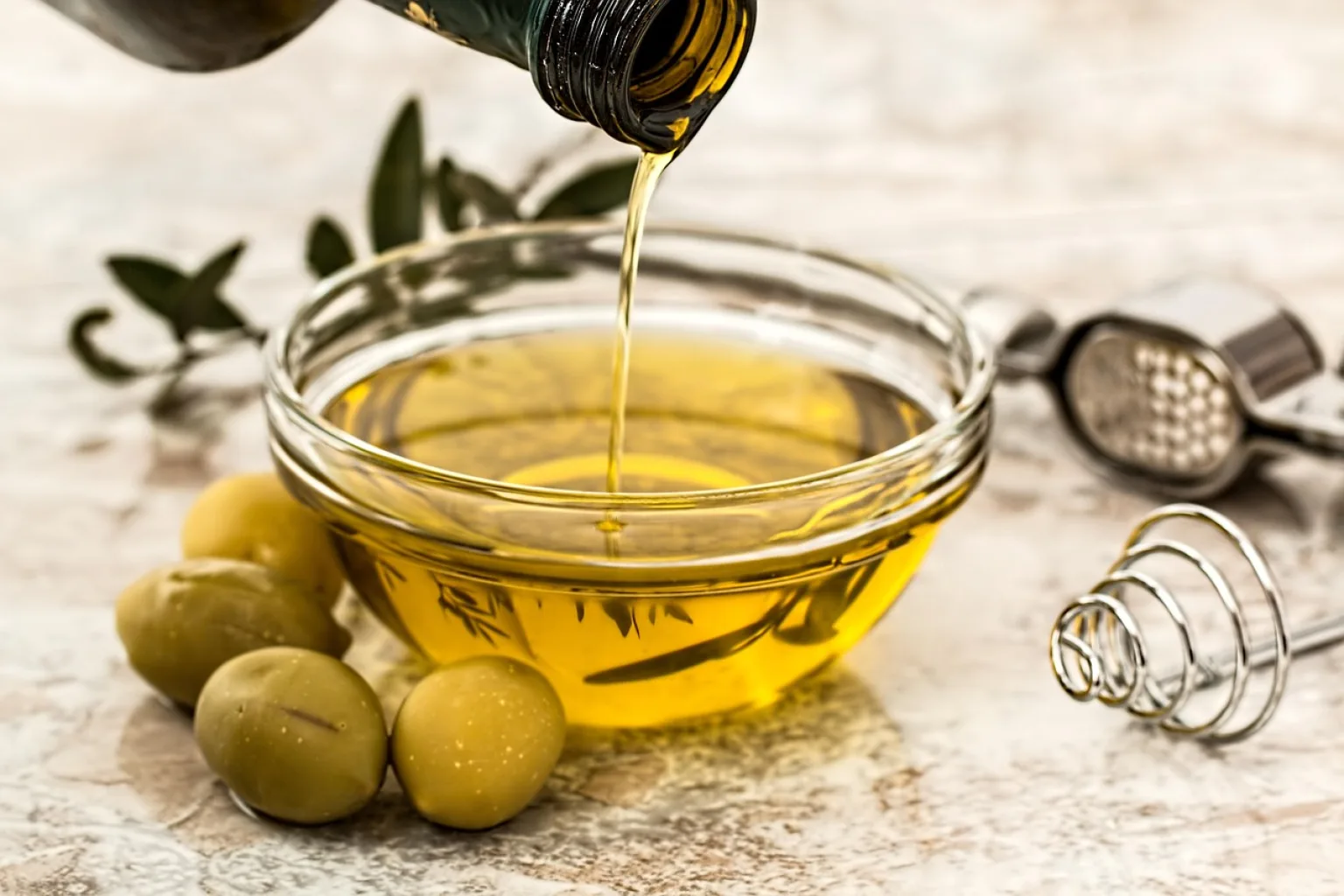
“Vegetable oil” can refer to an edible oil from one particular plant or to a blend of vegetable oils. The category includes oils from seeds and fruits, so the name alone does not describe one fixed composition. Products with similar front-label wording can differ in flavor and in how they behave when heated. For frying, check the product name and directions rather than assuming that all vegetable oils are interchangeable. Oil serves as a cooking medium and can contribute lubrication, flavor, and texture to food.
When to use it
Use it for frying when the product is intended for cooking and its label directions support that use. A mild-tasting oil can be useful when you want the food’s own flavor to stand out, though the specific oil or blend determines the flavor. It may also be suitable for sautéing or baking if the label allows. For dressings, consider whether the oil’s flavor will suit the dish. Do not assume that every product called vegetable oil behaves the same way when heated.
How to use it
Check the label to identify the oil or blend and review the recommended uses. Add the amount needed to your pan or frying vessel and heat it under control; do not leave it unattended. Add food carefully to help limit splattering, and follow the directions for your cooking equipment. If the oil begins to smoke, lower the heat: smoke signals that the oil is overheating. Oil can also be used for sautéing and baking when the specific product is appropriate for those tasks. For dressings, use it without heating if its flavor suits the dish.
Flavour and texture
Flavor and aroma depend on the particular oil or blend. Some seed oils are described as mild in sensory character, while others may be more noticeable. Oil can help transfer heat during cooking and contribute to a crisp surface, although the result also depends on the food and cooking method. There is no single flavor profile for the entire category.
How to choose it
Read the product name and ingredient list: “vegetable oil” may mean one oil or a blend. Choose an edible product and check that frying is consistent with the label directions. If you want a restrained flavor, compare product descriptions; the category name alone does not guarantee a neutral taste.
Storage
Follow the storage directions on the package and keep the container closed between uses. The available evidence does not establish one universal shelf life or storage condition for all vegetable oils, so avoid applying the same assumption to every product. Keep the oil away from heat sources while preparing food.
Substitutions
You can replace it with another edible vegetable oil whose manufacturer indicates that it is suitable for frying. Olive oil is another option, but it may give food a more pronounced flavor and does not behave identically to seed oils when heated. Choose according to the flavor you want and the product directions.
Common mistakes
A common mistake is assuming that all vegetable oils taste alike and tolerate heat equally. Avoid heating oil until it smokes: smoke signals overheating, so lower the heat. Check the label instead of inferring the ingredients or intended use from the generic name alone.
Safety and allergens
Handle hot oil carefully and follow the product and equipment directions. Do not leave it unattended; if it begins to smoke, lower the heat.
Culinary uses
- Medio de cocción para freír y saltear
- Aporta lubricación y ayuda a evitar que los alimentos se peguen a la superficie de cocción
- Puede aportar sabor y contribuir a la textura de un plato
Recommended techniques
- Freír
- Saltear
- Hornear
- Preparar aliños y aderezos
Pairs well with
- Patatas
- Verduras
- Pollo
- Pescado
- Huevos
Frequently asked questions
Is vegetable oil for frying always a blend?
No. The name may refer to an oil from one plant or to a blend; check the product name and ingredients.
Can every vegetable oil be used for frying?
Do not assume so. Check that the product is intended for that use, since oils can differ in how they behave when heated.
What should I do if the oil starts smoking?
Lower the heat. Smoke is a sign that the oil is overheating.
Sources and review
Automatically researched, cross-checked and validated content. Sources consulted:
- Client Challenge doi.org
- Mexican Immigrants´ Foodways In El Paso, Texas, 1880- ... scholarworks.utep.edu
- elBulli: un nuevo lenguaje en la gastronomía repositorio.ucjc.edu
- Comité Científico aesan.gob.es
- Listado Aceites Vegetales: El aceite de oliva y otras variedades tiendaybarra.es
- Conoce los tipos de aceite para cocinar | Recetas Nestlé recetasnestle.com.ec
- - YouTube youtube.com
- Uso de extractos de romero y otras fuentes vegetales repositorio.ucam.edu
- ¿Qué aceite es mejor para cocinar? portalcomunicacion.uah.es
- De 1 & 4 p. dl.library.ucla.edu
- Aceite de cocina - Wikipedia, la enciclopedia libre es.wikipedia.org