- Category
- Drinks
- State
- Liquid
- Usual unit
- ml
What it is
Vegetable stock is a cooking liquid made from water in which vegetables have been cooked. Depending on the recipe or product, it may also contain herbs, spices, oil, salt or other ingredients, so there is no single standard composition. It can be made at home or bought ready to use, concentrated, or in another form that requires dilution according to its instructions. Stock is used as a liquid base for other dishes or can be served on its own. Its color, strength and flavor depend on the ingredients and how they are prepared. It is not necessarily the same as soup: stock can be one component of soup, but it does not have to include the solid ingredients served in the finished dish.
When to use it
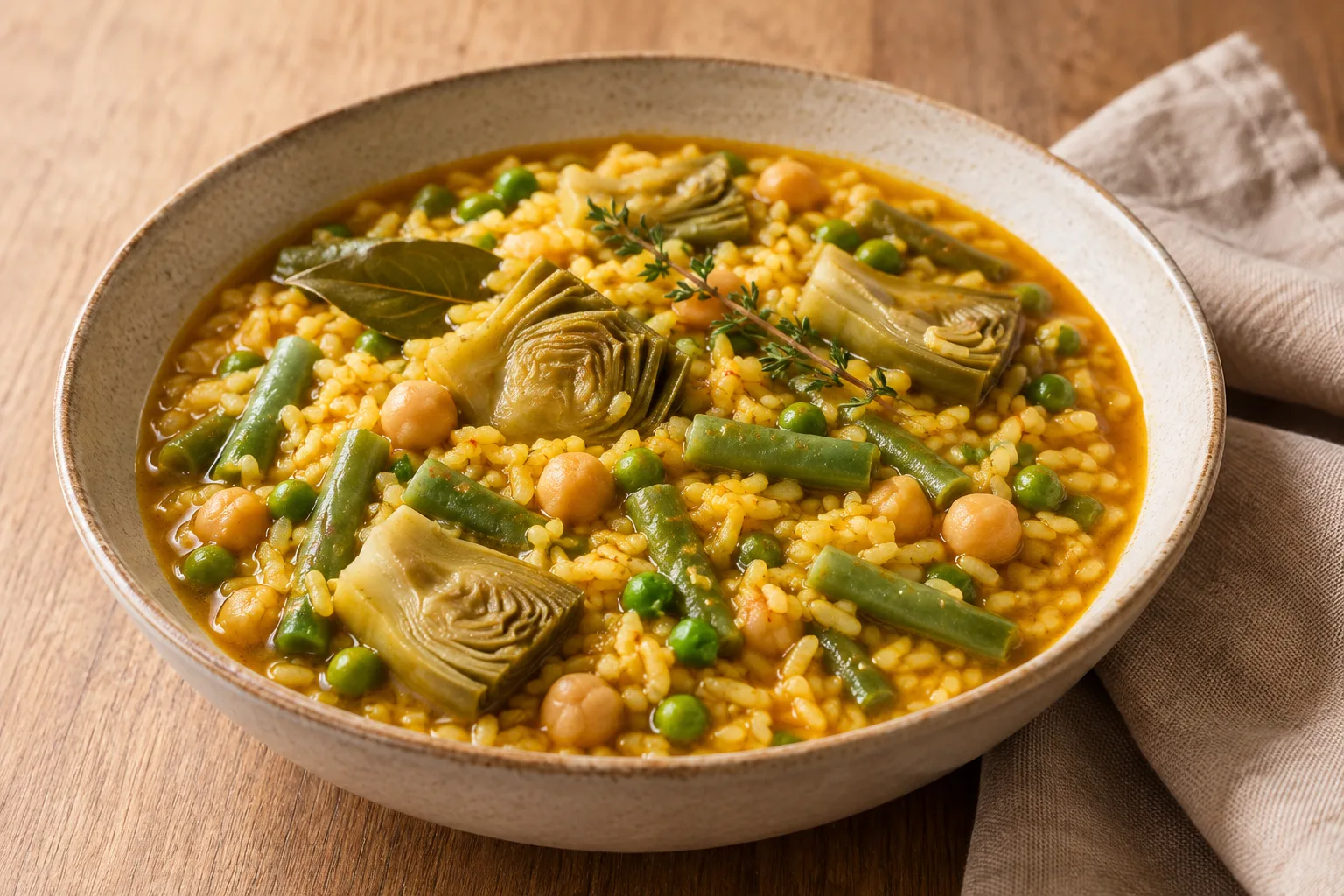
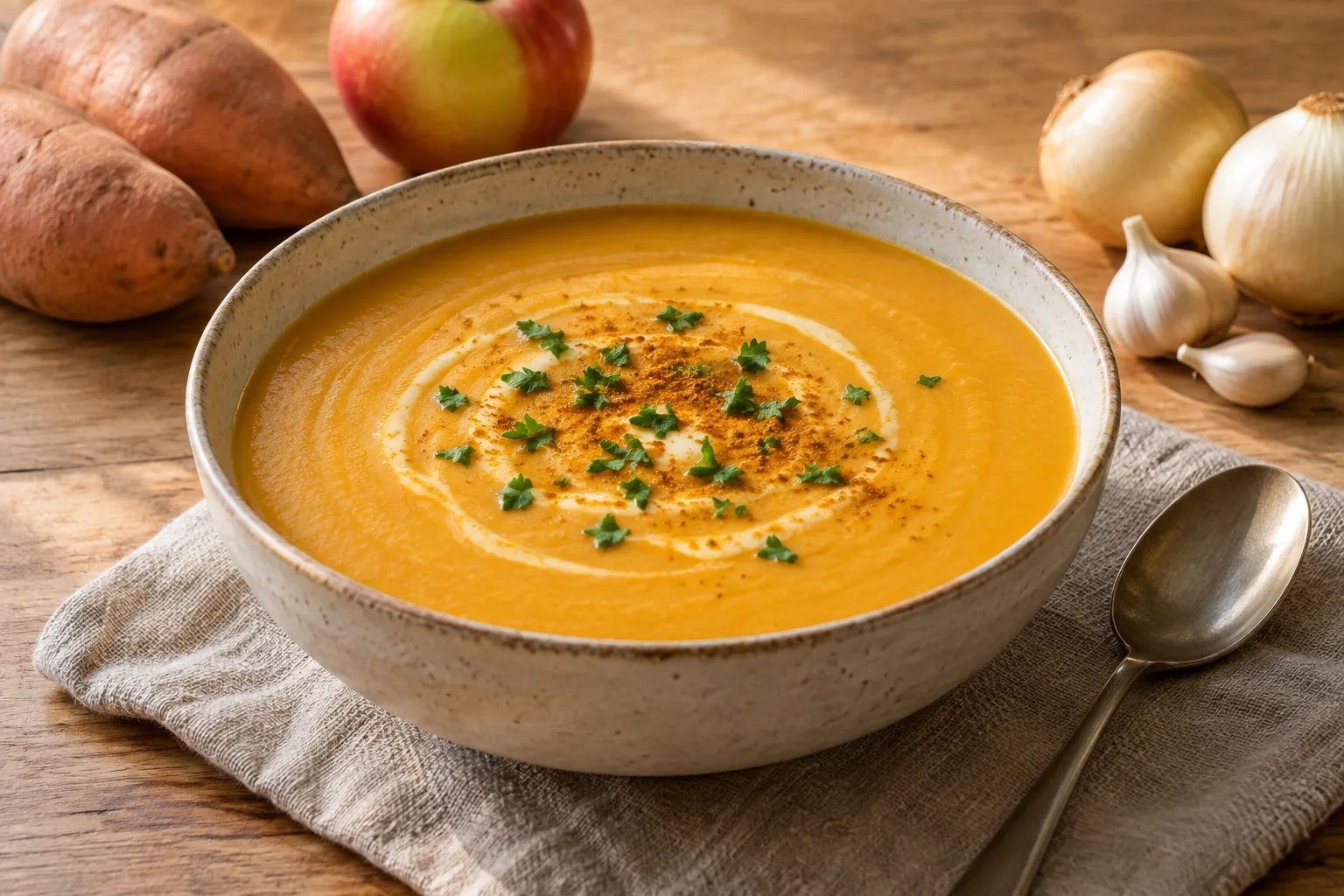
Use vegetable stock when a recipe needs liquid and you want a vegetable flavor rather than using water alone. It is useful in soups, purées, stews, sauces and rice dishes, including risotto. You can also cook grains or legumes in it when you want the liquid to contribute flavor to the finished dish. Choose a mild stock for delicate preparations and a more robust one when a stronger vegetable character suits the recipe. Since stocks vary in ingredients and concentration, taste yours and account for its salt before seasoning the dish.
How to use it
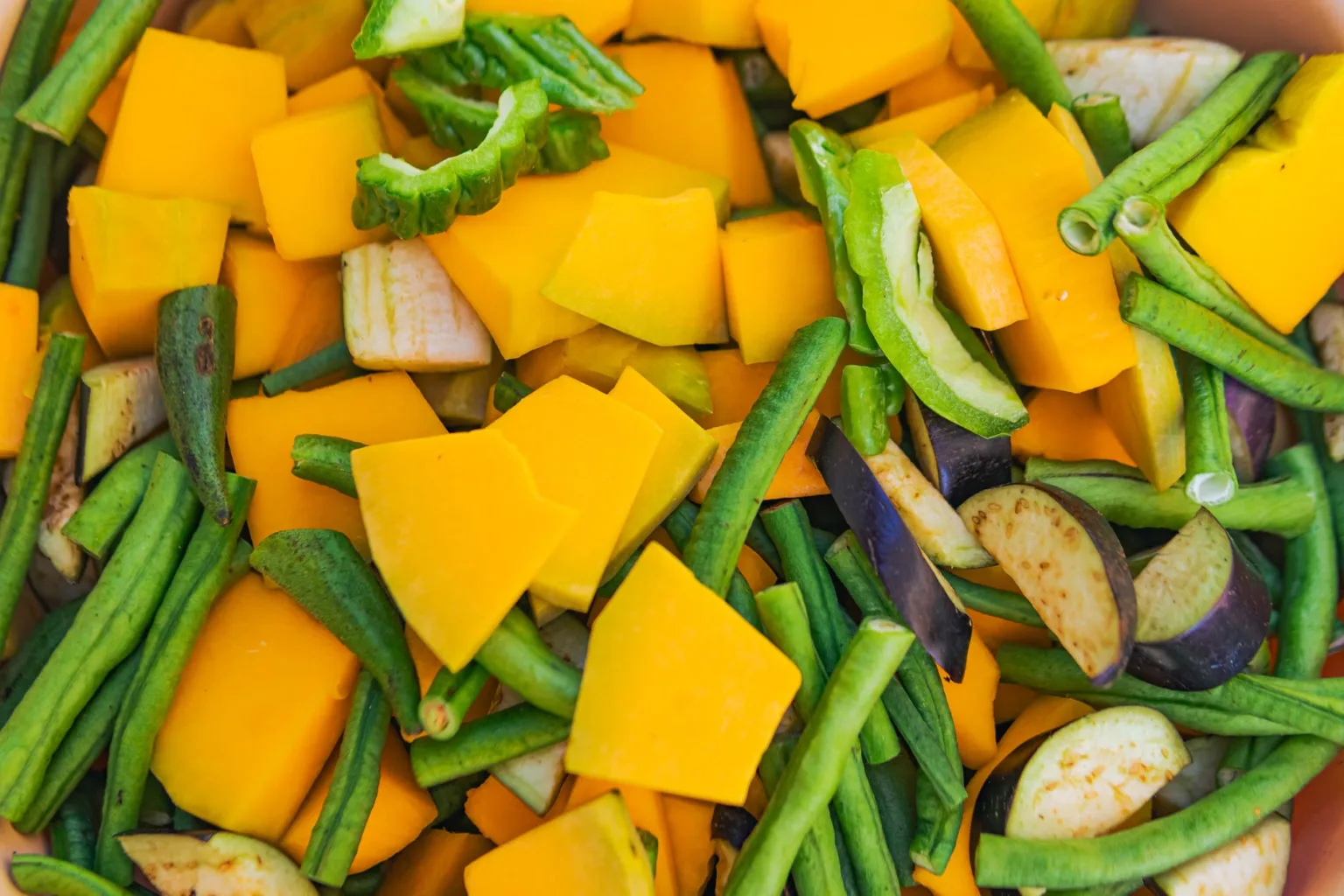
Use ready-to-use stock as it is; if it is concentrated, dilute it according to the package directions because concentration differs between products. You can replace some or all of a recipe’s liquid with stock, bearing in mind that it will change the flavor compared with water. For risotto, add it gradually during cooking; for soups, stews and sauces, add it as the recipe requires and adjust the seasoning near the end. Stock can also be served on its own. For homemade stock, vegetables can be cooked in water and the liquid strained. Some recipes brown the vegetables first for a deeper flavor, while others cook them without browning for a lighter result.
Flavour and texture
Its flavor can range from mild and clean to pronounced and aromatic, depending on the vegetables, herbs, spices and other ingredients used. Color varies too: some stocks are pale, while others are darker if the vegetables were browned first. The texture is generally thin and liquid, although concentrated stock has a more pronounced taste. Do not assume that all vegetable stocks taste alike or are necessarily low in salt.
How to choose it
Read the ingredient list to see which vegetables, herbs, spices and other components the product contains. Check whether it is ready to use or concentrated, and follow the dilution instructions when needed. Review the allergen information, net quantity and storage and use directions on the label. If you need to monitor salt or avoid a particular ingredient, compare products and make your choice only after checking their composition.
Storage
Store the product according to its package directions, especially after opening, since instructions depend on the product and its packaging. For homemade stock, let it cool and keep it refrigerated or frozen in a suitable container; dividing it into portions can make it easier to use only what you need. Do not assume homemade and packaged stock have the same storage life: follow the label for packaged products and handle homemade stock cautiously.
Substitutions
Water can replace stock when the main goal is to add liquid, but the result will have less flavor. Concentrated or prepared stock can also be used as a substitute when reconstituted as directed on its package. Other kinds of stock provide liquid and flavor too, but may change the dish’s vegetable character and may not suit every dietary preference.
Common mistakes
Do not treat every stock as if it had the same strength, ingredients or salt level. A common mistake is adding salt before tasting, particularly when using prepared or concentrated stock. Do not use a concentrate undiluted when the label says to reconstitute it. If a recipe calls for a neutral flavor, remember that vegetable stock will change the result more than water would.
Safety and allergens
Check the package ingredients and allergen information, and follow its storage and use directions. Formulations vary between brands and recipes; if there is no label, confirm which ingredients were used.
Culinary uses
- base líquida para sopas y cremas
- líquido de cocción y aporte de sabor para arroces, guisos y salsas
Recommended techniques
- añadirlo como líquido de cocción
- calentarlo e incorporarlo gradualmente a una preparación
Pairs well with
- arroz y risotto
- verduras, legumbres y hierbas aromáticas
Frequently asked questions
Is vegetable stock the same as soup?
Not necessarily. Stock is a liquid that can form the base of a soup; soup may also contain solid ingredients.
Can I replace water with vegetable stock?
Yes, in many preparations you can replace some or all of the liquid. Stock adds flavor, so the result will not be identical.
Is every vegetable stock suitable for every diet?
That cannot be assumed. Ingredients vary by recipe and product, so check the ingredient list and allergen information.
Estimated nutrition
- Fat
- 0 g
- Saturates
- 0 g
- Carbohydrate
- 1.22 g
- Sugars
- 1.22 g
- Fibre
- 0 g
- Protein
- 0 g
- Salt
- 0.59 g
Sources and review
Automatically researched, cross-checked and validated content. Sources consulted:
- TIEMPO-TEMPERATURA.pdf aesan.gob.es
- En el etiquetado alimentario hay algunas menciones que son obligatorias eletiquetadocuentamucho.aesan.gob.es
- Guía de sustitución de alimentos lecturas.com
- Como hacer caldo de verduras: todos los trucos y aplicaciones conasi.eu
- Caldo - Wikipedia, la enciclopedia libre es.wikipedia.org
- Cómo hacer caldo de verduras fácil - Comedera - Recetas, tips y consejos para comer mejor. comedera.com
- Cómo hacer caldo de verduras casero bonviveur.es
- Caldo Vegetal - Vegetalia vegetalia.com
- Caldo de Huesos: Beneficios, preparación y usos culinarios | Freshis.com freshis.com
- Caldo de vegetales fácil | Recetas | Cook For Your Life cookforyourlife.org
- 🥇Los secretos desconocidos sobre la clasificación de caldos reyvinoblanco.com
- caldo | Definición | Diccionario de la lengua española | RAE - ASALE dle.rae.es
- Cómo hacer caldo de vegetales casero – Minerva Foods | Criando conexões entre pessoas, alimentos e natureza. minervafoods.com
- Caldo de verduras • Puchero MIX blog.pucheromix.com
- 13 trucos de cocina para mejorar tus sopas y cremas de verduras directoalpaladar.com
- Cómo preparar un caldo vegetal con umami: proporciones y técnicas clave encocina.com