- Category
- Drinks
- State
- Liquid
- Usual unit
- ml
What it is
Water for syrup is water used as the liquid component in a mixture with sugar. Combining and heating the two produces a syrup whose consistency depends, among other factors described in the sources, on the ratio of water to sugar and on heating. Water by itself is not syrup or a sweetened product; it is the ingredient that forms the liquid base. In specific fruit-preserving recipes, water can also serve as a covering liquid, and some such recipes list juice as an alternative. The label “for syrup” describes this culinary use, not a separate kind of water.
When to use it
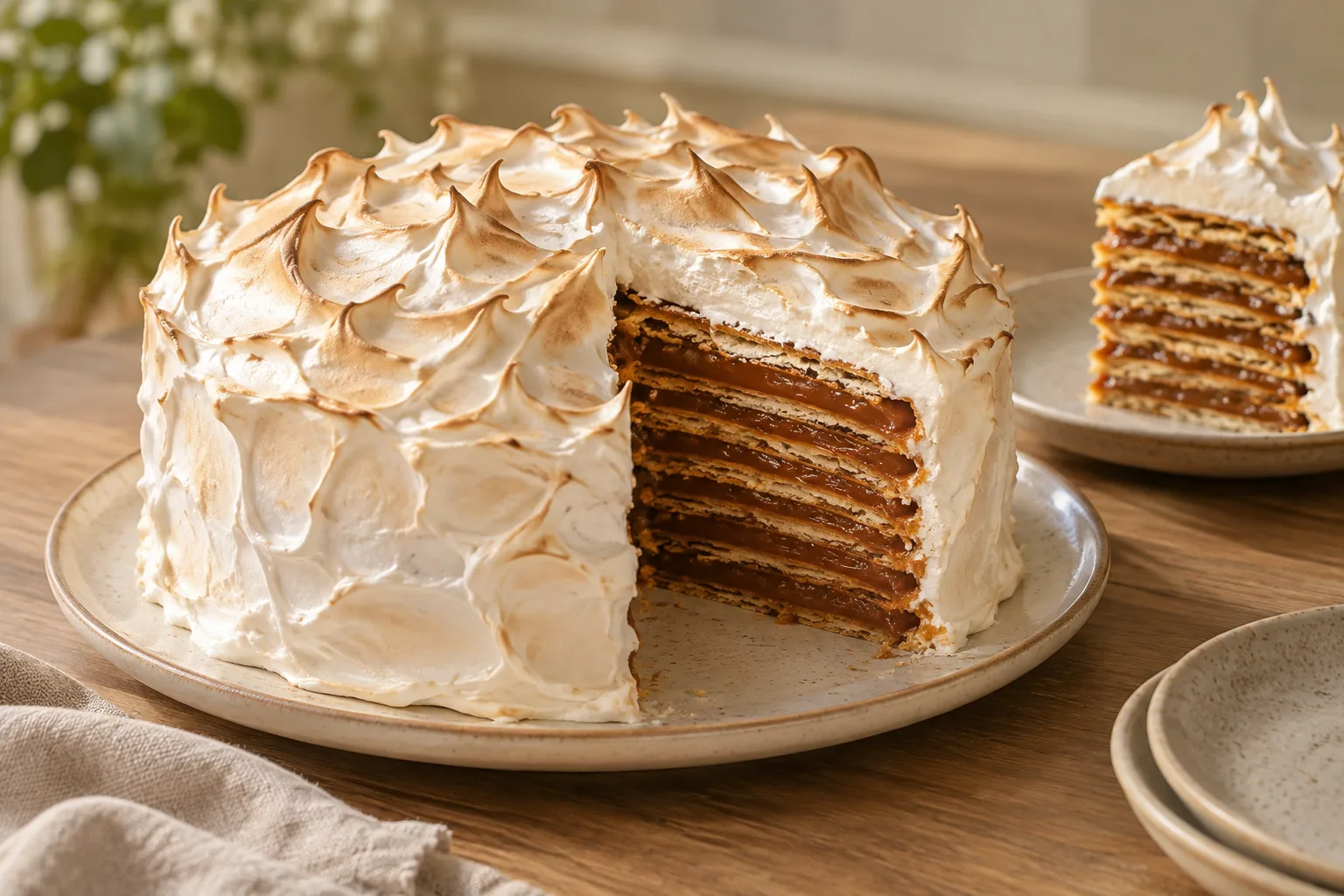
Use water when a syrup recipe calls for it to be combined with sugar to produce a syrup of a particular consistency. It is suitable for sweet preparations in which syrup is used to moisten cakes or added to beverages, and for some fruit-preserving recipes that use it as a covering liquid. Follow the recipe quantities: changing the water-to-sugar ratio changes the consistency. If a preserving recipe specifically permits another liquid, such as apple juice or white grape juice, consider that alternative only in that stated context.
How to use it
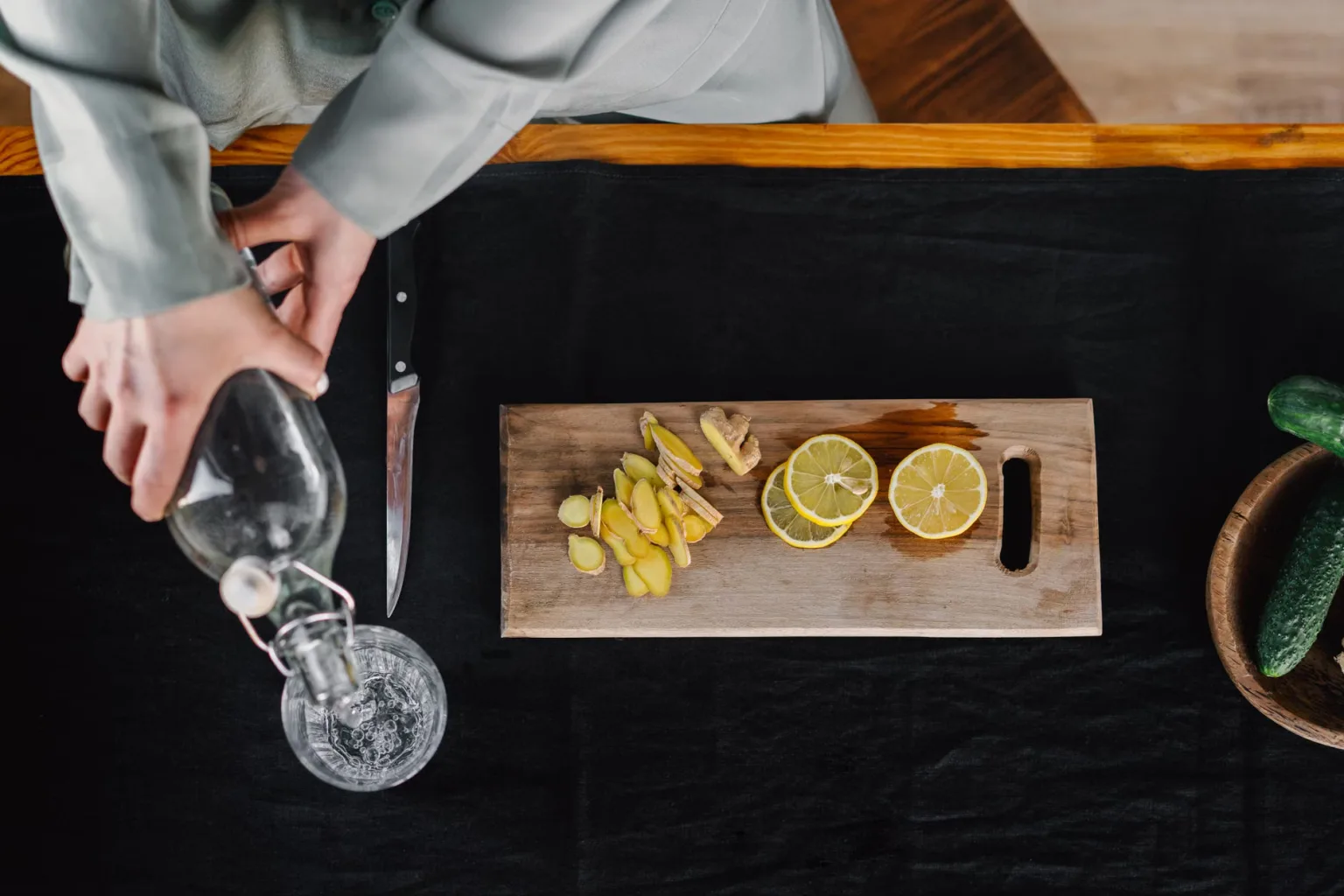
Measure the water according to the recipe and combine it with the specified amount of sugar. Heat the mixture as directed until the sugar dissolves and the desired consistency is reached; the sources describe the ratio of water to sugar and heating as factors that affect the result. If the syrup is to be flavored, a recipe may include ingredients such as citrus peel or aromatic herbs. When using liquid with fruit for preserving, follow a specific preserving recipe: some preparations allow water, apple juice, or white grape juice as the covering liquid. Do not interchange these options without checking that the recipe permits it.
Flavour and texture
Water supplies the liquid phase of the mixture and should not be confused with the syrup’s sweetness, which comes from sugar. The syrup’s texture depends on the water-to-sugar ratio and heating: it can be more fluid or thicker. Water does not itself provide the optional aromas that some recipes add, such as citrus or herbs.
How to choose it
Choose water suitable for culinary use and measure the volume stated in the recipe. The available evidence does not distinguish types of water by taste, source, mineral content, or suitability for syrup, so it does not support a recommendation for a particular variety. To achieve the intended consistency, pay attention to measuring both water and sugar rather than changing quantities without guidance from the recipe.
Storage
The evidence package does not establish a specific storage method or duration for water intended for syrup. Store it according to its container’s instructions and use water in good condition for cooking. Advice on storing prepared syrup depends on the recipe and should not be inferred from storage guidance for plain water.
Substitutions
There is no universal substitute for water in syrup: changing the liquid may change the result. Some pear-preserving instructions allow fruit to be covered with water, apple juice, or white grape juice. That evidence applies to those fruit preparations, not to every syrup. Use juice as an alternative only when the particular recipe allows it.
Common mistakes
Do not measure water without considering the amount of sugar: the ratio affects the syrup’s consistency. Do not assume that any juice can replace water in every preparation; the cited alternatives apply to specific fruit-preserving recipes. Avoid attributing sweetness or added aromas to the water itself when they come from other ingredients.
Safety and allergens
The evidence package provides no specific safety warning for water used in syrup. Use water suitable for cooking and maintain good hygiene during preparation.
Culinary uses
- Liquid base for dissolving sugar in syrup
- Adjusts the concentration and fluidity of homemade syrup
Recommended techniques
- Dissolving sugar in water
- Heating the sugar-and-water mixture to make syrup
Pairs well with
- Sugar
- Fruit
- Citrus peel
- Fresh aromatic herbs
Frequently asked questions
Is plain water syrup?
No. Water is the liquid component; syrup is made by combining it with sugar and heating the mixture according to the recipe.
Can I change the amount of water?
The water-to-sugar ratio affects consistency. Follow the recipe quantities to obtain its intended result.
Can juice replace water?
Some pear-preserving recipes allow apple juice or white grape juice as the covering liquid. This is not a general substitute for water in every syrup.
Sources and review
Automatically researched, cross-checked and validated content. Sources consulted:
- Client Challenge doi.org
- The Essential Glossary of Cooking Terms for the Culinary Arts - Escoffier escoffier.edu
- NC conservas vegetales mapa.gob.es
- A PROGRAM FOR extension.usu.edu
- Supervivencia Básica: Alimentos | Servicio de Extensión de OSU extension.oregonstate.edu
- UTSA-Special-Collections-Recetas-Cookbook-2020.pdf lib.utsa.edu
- ¿Qué es el almíbar? Historia y características lazayafruits.com
- Qué es el almíbar y por qué es importante esta tradición - Helios helios.es
- Orientaciones para la elaboración de menús saludables y ... aesan.gob.es
- Vamos a Conservar Alimentos: Peras extension.psu.edu
- FSHN12-20s/FS263: De compras para la salud: Las frutas ask.ifas.ufl.edu
- Almíbar casero, cómo hacerlo paso a paso en casa bonviveur.com
- Cómo hacer almíbar casero: la receta más fácil para postres y bebidas directoalpaladar.com
- Almíbar - Wikipedia, la enciclopedia libre es.wikipedia.org