- Category
- Bread and dough
- State
- Fresh
- Usual unit
- slice
What it is
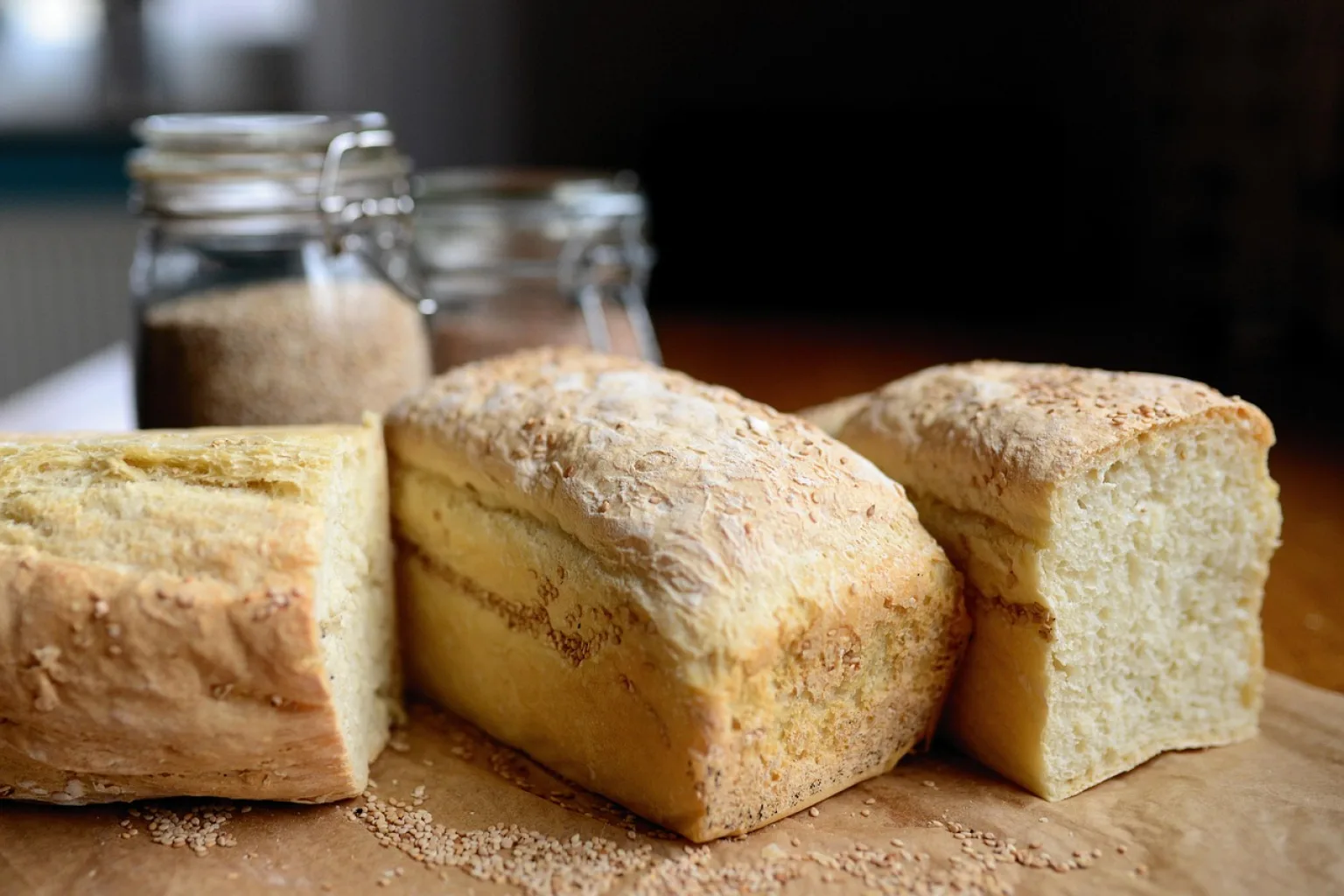
Crustless white bread is white-crumb bread with its crust removed, or bread sold already without a crust. The name describes the slice’s appearance and preparation more than a fixed recipe; it does not guarantee that every product has the same ingredients. Bread is generally made mainly from cereal, water and salt, and often includes yeast. White bread is commonly associated with wheat flour, but commercial recipes can include other ingredients. Its soft, even interior is easy to fold and pair with fillings. Check the package to find out what is in the specific product you have.
When to use it
Choose it when you want a tender slice without a pronounced crust, such as for simple sandwiches or breakfast. It can also work as a mild side when you do not want the bread to dominate the rest of the meal. If you want a crisp crust or a firmer crumb, this may not be the best fit. For a recipe with specific requirements, check the slice size, texture and ingredients listed on the package.
How to use it
Serve the slices as they are in sandwiches, placing the filling between two pieces and adjusting the amount so the soft crumb is easy to handle. For breakfast, toast them and serve with butter and jam, a familiar bread pairing. You can also serve them alongside a meal as a mild accompaniment. White bread recipes can vary, so check the ingredient list before using a product in a preparation that depends on its exact composition. If you want a stronger flavor or a different texture, try another bread and adjust the result.
Flavour and texture
It usually has a mild, unobtrusive flavor associated with white bread and a light-colored, tender, even crumb. Without a crust, it lacks the contrast between exterior and interior found in other slices. The final texture can vary with the recipe, brand and condition of the bread, so do not assume all crustless loaves are identical.
How to choose it
Read the package to check the ingredients, declared allergens and whether the product is sliced sandwich bread or another format. The words “crustless” do not define a recipe or confirm that the bread meets a dietary requirement. Choose an intact package and a product suited to the intended use, such as sandwiches or toast.
Storage
Follow the storage directions printed on the package, since product formats and recipes can vary. Keep the bread in its wrapping or another suitable container as directed by the manufacturer, and avoid leaving it exposed to air unnecessarily. If no directions are available, ask the seller or manufacturer instead of assuming a storage method or time.
Substitutions
White bread with its crust can work if you remove the crust before preparing the dish. Wholemeal sliced bread is another possible substitute, but it will have a different flavor and texture. Choose according to whether you need a soft crumb, a crust-free slice or simply a base for a filling.
Common mistakes
Do not assume that “crustless” means every product has the same ingredients or is free from allergens. Another common mistake is substituting bread with a stronger flavor or firmer texture without considering how it will change the sandwich or breakfast. For dietary needs, check the specific product label.
Safety and allergens
Check the package and follow the manufacturer’s instructions. If you have an allergy or need to avoid an ingredient, review the allergen information for the specific product before eating it.
Culinary uses
- Base suave para sándwiches
- Acompañamiento neutro para comidas
Recommended techniques
- Tostar para servir en el desayuno
- Usar directamente en sándwiches o bocadillos
Pairs well with
- Mantequilla y mermelada
- Queso
- Rellenos de sándwich
Frequently asked questions
Is crustless white bread always made from wheat?
Not necessarily. White bread is commonly associated with wheat flour, but recipes can vary. Check the ingredients of the specific product.
What is it commonly used for?
It is convenient for sandwiches and breakfast. Serve it as it is or toasted, for example with butter and jam.
Is it suitable for people avoiding gluten?
Do not assume so: white bread is commonly made with wheat and may contain gluten. Check the label and allergen information.
Sources and review
Automatically researched, cross-checked and validated content. Sources consulted:
- Pan - Wikipedia, la enciclopedia libre es.wikipedia.org
- Client Challenge doi.org
- Tipos de pan: guía completa de variedades y sus características profesionalhoreca.com
- Dictionary of Health Related Terms: English – Spanish hia.berkeley.edu
- Comité Científico aesan.gob.es
- Desarrollo de un pan de masa madre rico en GABA y ... diposit.ub.edu
- UTSA-Special-Collections-Recetas-Cookbook-2020.pdf lib.utsa.edu
- Galenic Medicine and Women's Recipes in the Early etd.ohiolink.edu
- ALBARICOQUE mapa.gob.es
- Primary Source Packet 1. Letter, Hernán Cortés chnm.gmu.edu
- ¿Sabes diferenciar los tipos de pan según su corteza? | El arte de comer bien | mentta mentta.com
- Tipos de pan: 15 variedades | Fine Dining Lovers finedininglovers.es
- Pan de molde blanco sin corteza – Hacendado – 450 g es.openfoodfacts.org