- Category
- Fish and seafood
- State
- Fresh
- Usual unit
- unit
What it is
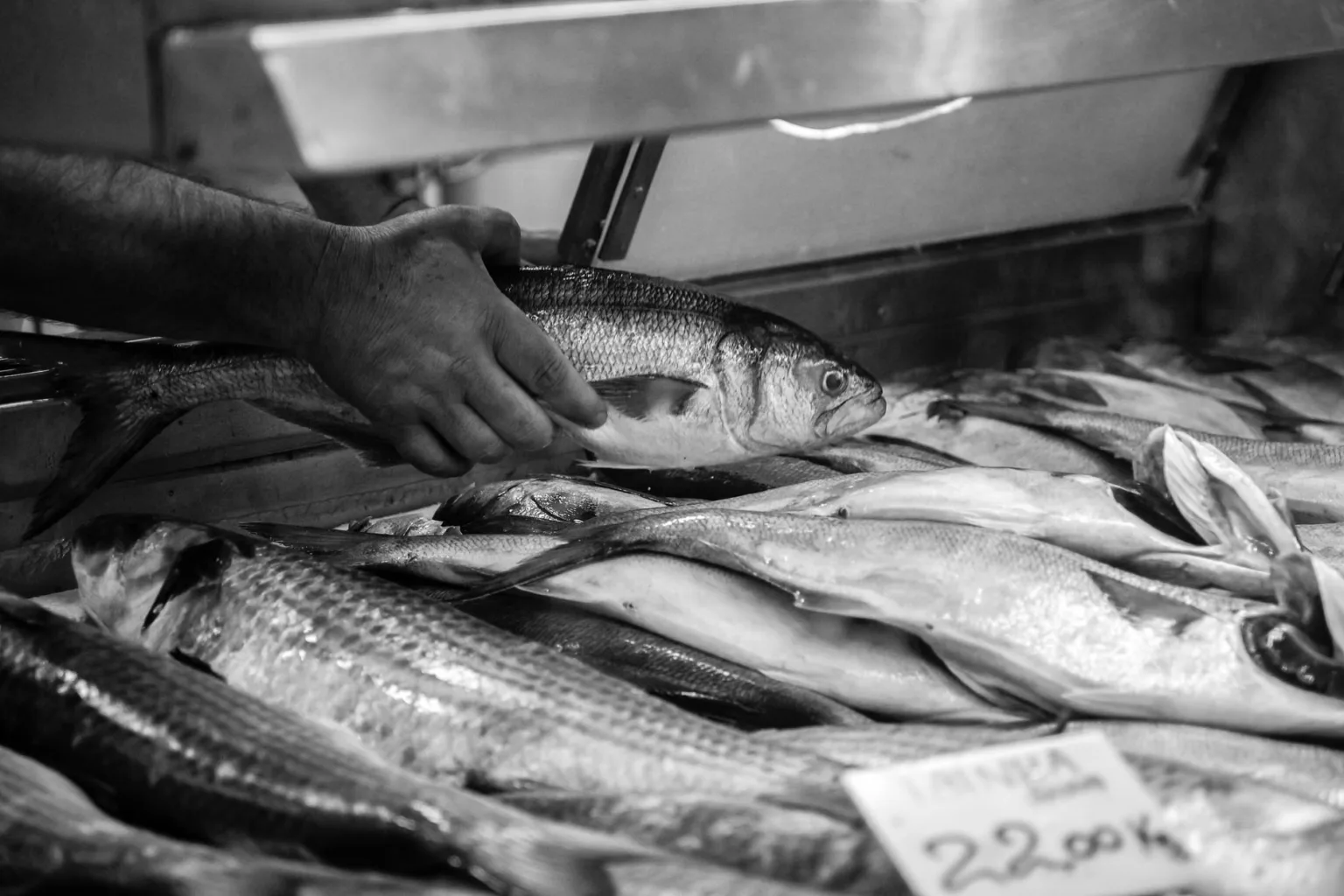
White fish is a culinary name for a range of fish with pale flesh that is generally relatively lean. It does not identify one species or a single biological family, so the term covers fish with different shapes, textures, and kitchen uses. Examples include cod, hake, sole, flounder, haddock, halibut, and sea bass. A mild flavor and white or slightly translucent flesh are common descriptions, but firmness and moisture vary by species and cut. Treat “white fish” as a helpful cooking category rather than a precise product name, and check the specific species when shopping or following a recipe.
When to use it
Use it when you want a mild-tasting fish that can work with citrus, herbs, garlic, or gentle sauces. Fillets can suit a simple pan-cooked meal, while firmer cuts may work well in stews, in the oven, or on the grill. Because the category includes fish with different textures, choose a species to match the method: a recipe may call for delicate flesh that flakes or a firmer cut that holds its shape. Check the species name rather than assuming every white fish cooks in the same way.
How to use it
Choose a method to suit the species and cut thickness instead of treating white fish as one uniform ingredient. It can be cooked in the oven, on a grill, or in a pan; it also works in fried or battered preparations, stews, and sauces. To complement its often mild flavor, try lemon or other citrus, garlic, rosemary, dill, tarragon, cilantro, or fennel. Capers and pickles add a sharper contrast, while white wine or cream can be used in a sauce. Follow recipe guidance for the particular species and avoid extending cooking without reason, since some varieties have delicate flesh while others are firmer.
Flavour and texture
White fish is often described as mild, with pale or slightly translucent flesh. Texture is not consistent across the category: depending on species and cut, it may be tender and delicate, meaty, firm, or flaky. Halibut, for example, is described as a fattier member of the group, so one texture or mouthfeel should not be assumed for every white fish.
How to choose it
Look for the species name rather than relying only on the broad label “white fish,” so you can match the texture to your recipe. Cod, hake, sole, flounder, and haddock are examples, but they do not behave identically in the kitchen. If a dish needs fish that holds its shape, choose a species or cut described as firm; delicate flesh may suit a gentler preparation. Use the seller’s or package information to identify what you are buying.
Storage
The available evidence does not establish storage times or temperatures that apply to every white-fish species or product form. Follow the package directions or current local official guidance, and do not transfer one species’ storage advice to another without checking. If the product has no clear instructions, ask the seller or a food-safety authority; the culinary category alone does not determine how a particular product should be stored.
Substitutions
One white-fish species can sometimes replace another, such as cod, hake, sole, flounder, or haddock, but the result may differ. Choose a cut and texture similar to the one the recipe calls for: delicate fish may not tolerate the same treatment as firm or meaty fish. Adapt the method to the actual species, and do not assume that cooking directions transfer unchanged.
Common mistakes
A common mistake is assuming that “white fish” means one species with a consistent flavor and texture. The category includes different products, from delicate, flaky flesh to firm cuts. A substitution can also disappoint if the method is not adapted to the new species. Identify the fish, read the recipe, and choose a method that suits the texture you have.
Safety and allergens
The supplied evidence contains no specific safety warning for this category. Follow package instructions and current local official advice for handling and cooking fish. If you are unsure about the product’s storage or condition, ask the seller or a relevant food-safety authority.
Culinary uses
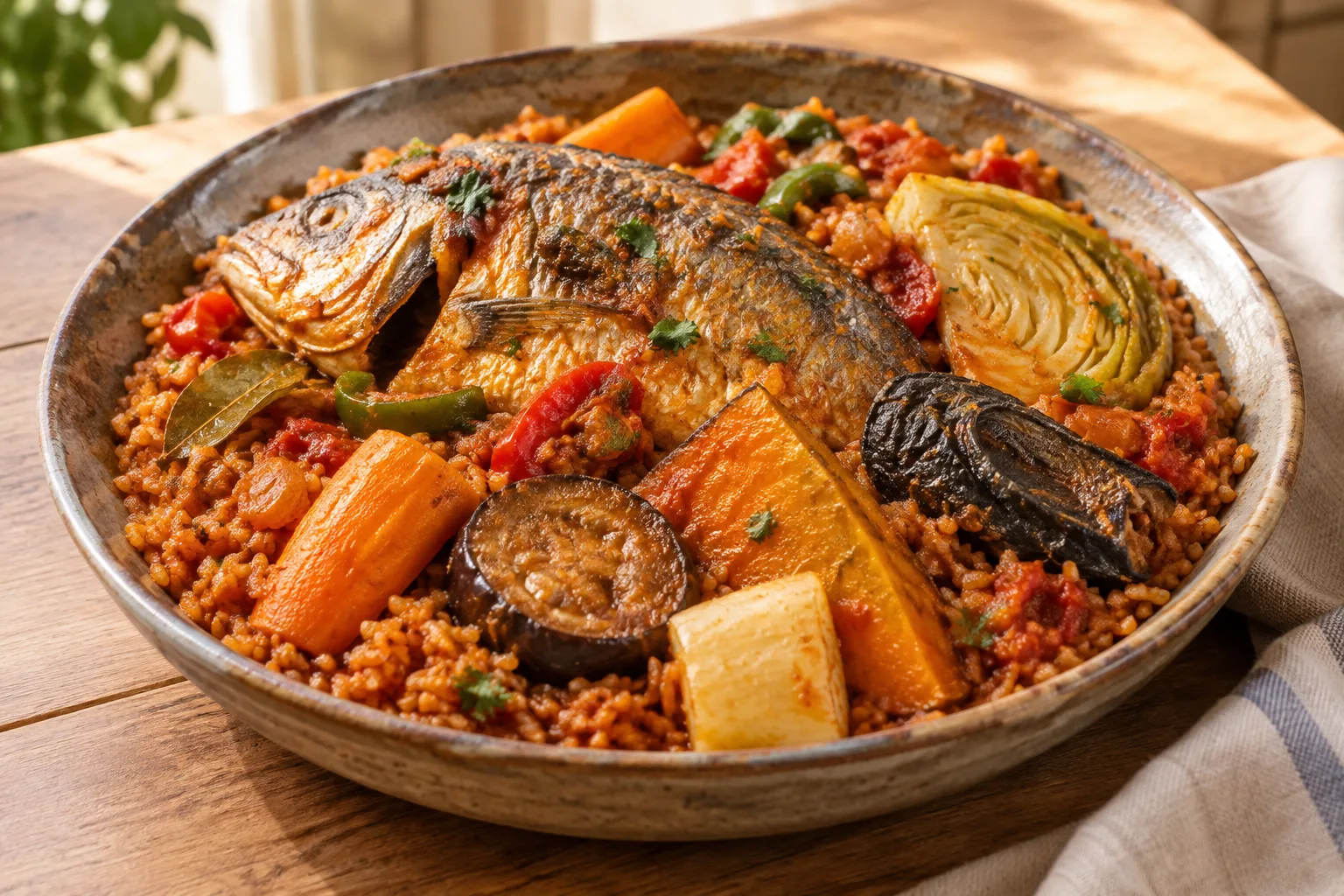
- Ingrediente principal de platos de pescado
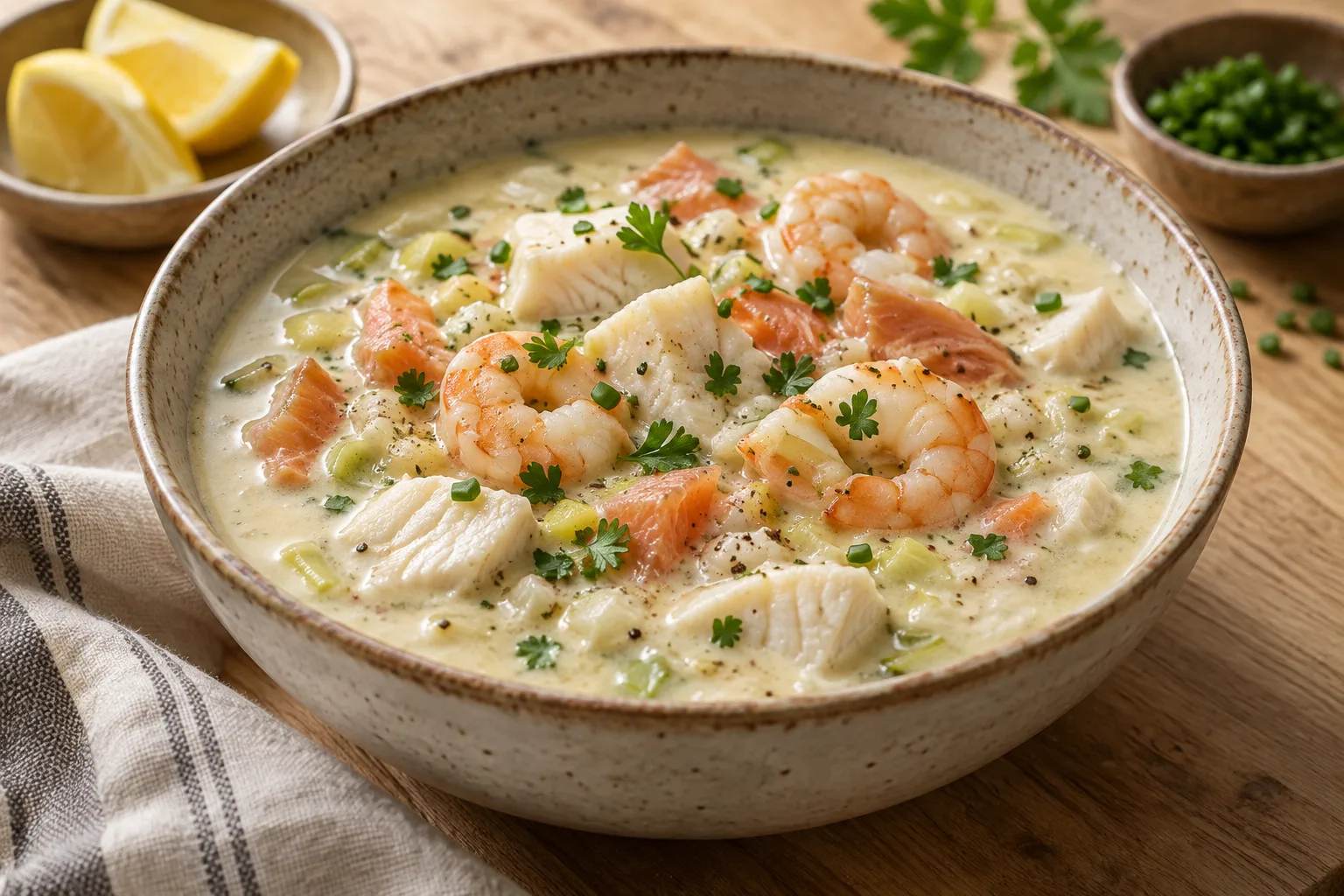
- Proteína suave para guisos y platos ligeros
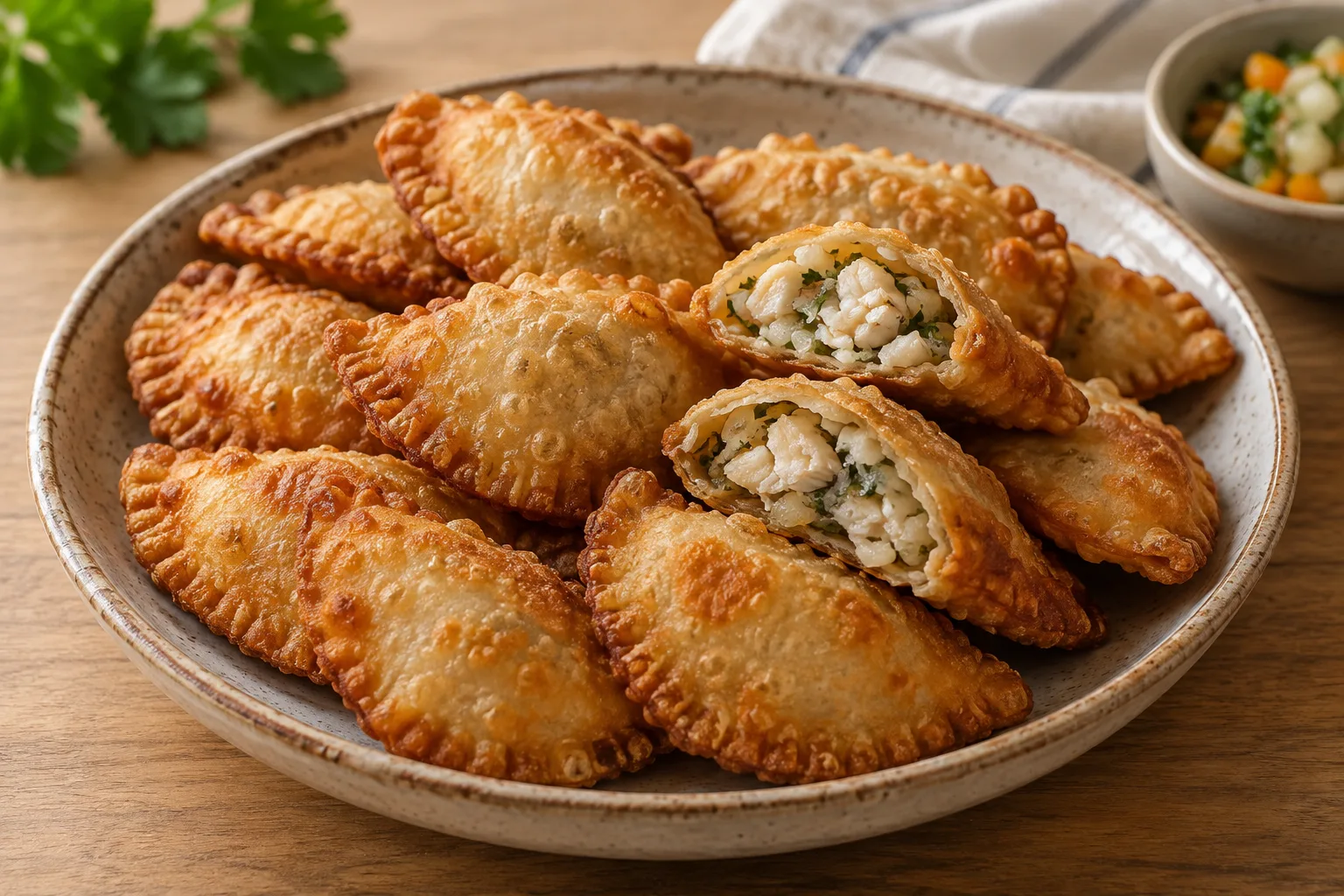
- Base para preparaciones fritas o empanadas
Recommended techniques
- Al horno
- A la parrilla
- A la plancha o en sartén
- Frito o rebozado
- En guisos y salsas
Pairs well with
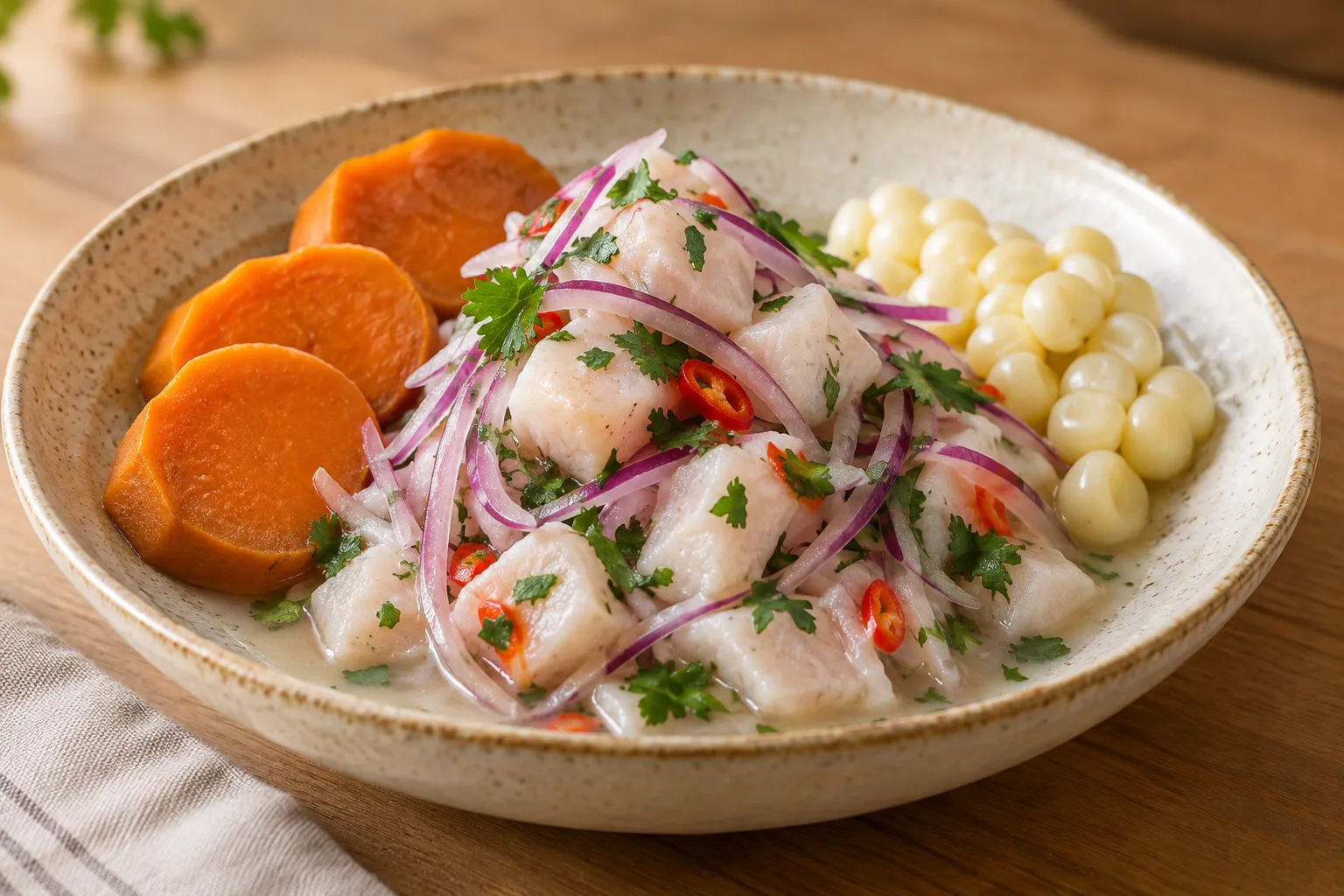
- Limón y otros cítricos
- Ajo
- Romero, eneldo, estragón, cilantro o hinojo
- Alcaparras y pepinillos
- Vino blanco y nata
Frequently asked questions
Is white fish one particular species?
No. It is a broad culinary category that includes different species; check the specific fish name for its characteristics.
Do all white fish have the same texture?
No. Flesh may be delicate, flaky, meaty, or firm depending on the species and cut.
What flavors go well with white fish?
Citrus, garlic, and herbs such as rosemary, dill, tarragon, cilantro, and fennel are suitable options. Capers, pickles, or sauces made with white wine can also pair well.
Estimated nutrition
- Fat
- 2.32 g
- Saturates
- 0.45 g
- Carbohydrate
- 0 g
- Sugars
- 0 g
- Fibre
- 0 g
- Protein
- 16.8 g
- Salt
- 0.1 g
Sources and review
Automatically researched, cross-checked and validated content. Sources consulted:
- Client Challenge doi.org
- The Essential Glossary of Cooking Terms for the Culinary Arts - Escoffier escoffier.edu
- Agencia Española de Seguridad Alimentaria y Nutrición aesan.gob.es
- educational content to support healthful lifestyle practices sjsu.edu
- Food & Fun Afterschool hsph.harvard.edu
- Building Communication between Serve City and the Hamilton ... etd.ohiolink.edu
- FSHN14-05s/FS275: De Compras Para la Salud: Mariscos ask.ifas.ufl.edu
- 1997 Activity Guide purdue.edu
- The traditional food of migrants scholar.smu.edu
- EFNEP Hispanic Heritage Recipes | Community Nutrition | Extension/College of Agriculture, Health & Natural Resources | University of Connecticut communitynutrition.cahnr.uconn.edu
- Beneficios del pescado blanco | Congelados Guerrero congeladosguerrero.es
- Pescado blanco: tipos y cómo cocinarlos | Fine Dining Lovers finedininglovers.es
- El pescado blanco y su producción acuícola | Escola Salut SJD escolasalut.sjdhospitalbarcelona.org