- Category
- Grains, flour and pasta
- State
- Dry
- Usual unit
- cup
What it is
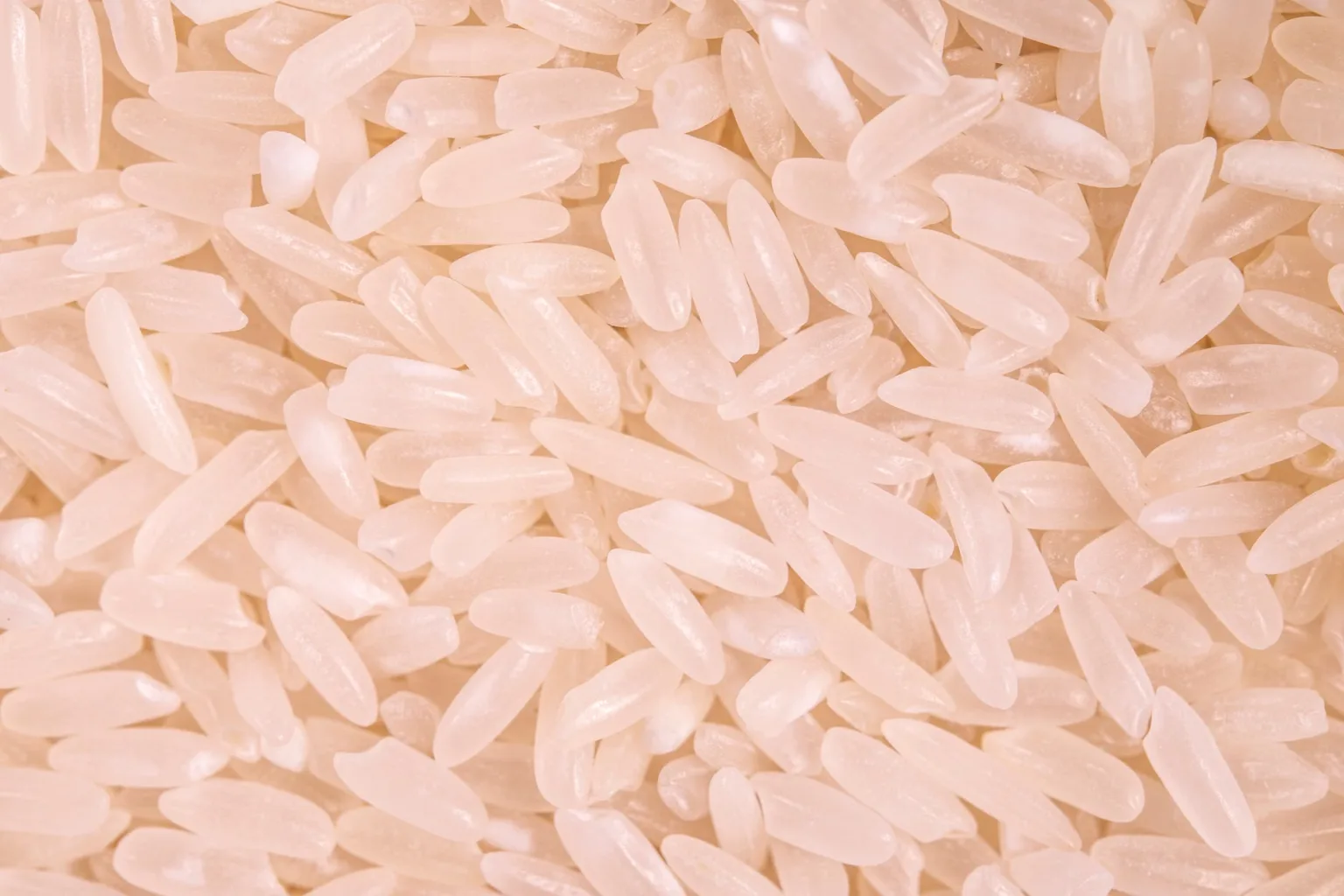
White rice is rice that has been milled to remove the husk, bran and germ. It comes in different grain sizes and varieties, so the name does not describe just one texture or use. Long-grain rice tends to stay more separate when cooked, while medium- and short-grain rice are more likely to turn tender and cling together. Some white rice varieties are aromatic as well. Choosing a type that suits the result you want helps determine how to cook it and where to use it.
When to use it
Use white rice when you want a mild-tasting side to accompany other foods, or as a starting point for a dish with vegetables, herbs or seasonings. Long-grain rice is a useful choice when you want distinct grains; for recipes that benefit from a more cohesive texture, consider medium- or short-grain rice. White rice can also form the base of rice salads, fillings and fried rice. Choose the variety before cooking, since different types do not produce the same result.
How to use it
Choose a variety that suits your preferred texture and follow the package directions, since grain size and type affect cooking. For a straightforward preparation, cook it by absorption in a covered pot. Another option is to boil it in plenty of water and drain it. You can also briefly sauté the rice in a little oil before adding water or broth. For aroma, add garlic, bay leaf, herbs or spices to the cooking liquid. Broth can replace water when you want a more pronounced flavor. Do not assume that one liquid ratio or method works equally well for every variety.
Flavour and texture
White rice usually has a mild flavor that works with a wide range of seasonings and accompaniments. Its cooked texture depends partly on variety: long-grain rice tends to stay more separate, while medium- and short-grain types can be softer and more likely to cling together. Aromatic varieties add another layer of fragrance. The liquid, cooking method and degree of doneness also affect the final result.
How to choose it
Check the label for grain size and variety; those details help you choose between a looser, more cohesive or more aromatic result. Basmati and jasmine are examples of aromatic white rice, while medium- and short-grain rice tend to cling more than long-grain rice. Choose according to the dish and consult the product's own directions rather than automatically following instructions for another type.
Storage
Store dry rice according to the package directions and protect it from moisture. Seal the package after use and check the label for instructions that apply to that product. The available evidence does not establish a universal storage period or support specific conditions beyond the manufacturer's directions.
Substitutions
You can substitute one white rice variety for another, but the result may change: long-grain rice tends to stay more separate, while medium- and short-grain types are more likely to cling together. Basmati or jasmine adds aroma. Adapt the method to the variety you choose and follow its package directions.
Common mistakes
Treating every variety as though it cooks the same way can lead to an unexpected texture. Long-grain rice may not suit a dish where a cohesive result is wanted, and short-grain rice may not be the best match when distinct grains are the goal. Avoid assuming that one liquid ratio and one method work for all rice.
Safety and allergens
Follow the package directions and official food-safety guidance in your area. The available evidence does not provide a safety warning specific to this ingredient.
Culinary uses
- Guarnición cocida para acompañar otros platos
- Base para ensaladas de arroz, rellenos y arroz frito
Recommended techniques
- Cocción por absorción en olla tapada
- Hervido en abundante agua y posterior escurrido
- Rehogar brevemente el arroz antes de añadir el líquido
Pairs well with
- Ajo y laurel
- Caldo o agua aromatizada con hierbas y especias
- Verduras y hierbas frescas
Frequently asked questions
Does all white rice cook up fluffy and separate?
No. The result depends on the variety: long-grain rice tends to stay separate, while medium- and short-grain types are more likely to cling together.
How can I add flavor to white rice?
Cook it in broth instead of water, or flavor the cooking liquid with garlic, bay leaf, herbs or spices.
Can white rice be used for more than a side dish?
Yes. It can be used as a base for rice salads, fillings and fried rice, as well as served alongside other dishes.
Estimated nutrition
- Fat
- 0 g
- Saturates
- 0 g
- Carbohydrate
- 9.42 g
- Sugars
- 0 g
- Fibre
- 0 g
- Protein
- 0.72 g
- Salt
- 0 g
Sources and review
Automatically researched, cross-checked and validated content. Sources consulted:
- Técnicas de cocina para cocinar el arroz, conociendo el arroz. cocinayaficiones.com
- Client Challenge doi.org
- Arroz - Wikipedia, la enciclopedia libre es.wikipedia.org
- Agencia Española de Seguridad Alimentaria y Nutrición aesan.gob.es
- Cómo hacer arroz blanco fácil y delicioso | Aprende.com aprende.com
- Tipos de arroz, usos culinarios - Pepekitchen pepekitchen.com
- Qué es el arroz y más sobre este producto | Recetas Nestlé recetasnestle.com.ec
- El arroz en la gastronomía gastroteca.co
- - YouTube youtube.com
- Mis trucos para que el arroz blanco tenga más sabor y te quede siempre delicioso directoalpaladar.com
- 6 Sabrosas mezclas para mejorar el arroz blanco | Carolina® Rice carolinarice.com
- Arroz blanco, sabroso lo tomes cuando lo tomes cooking.elmundo.es
- ¿Qué echarle al Arroz Blanco para darle Sabor? burcol.es