- Category
- Baking
- State
- Powdered
- Usual unit
- g
What it is
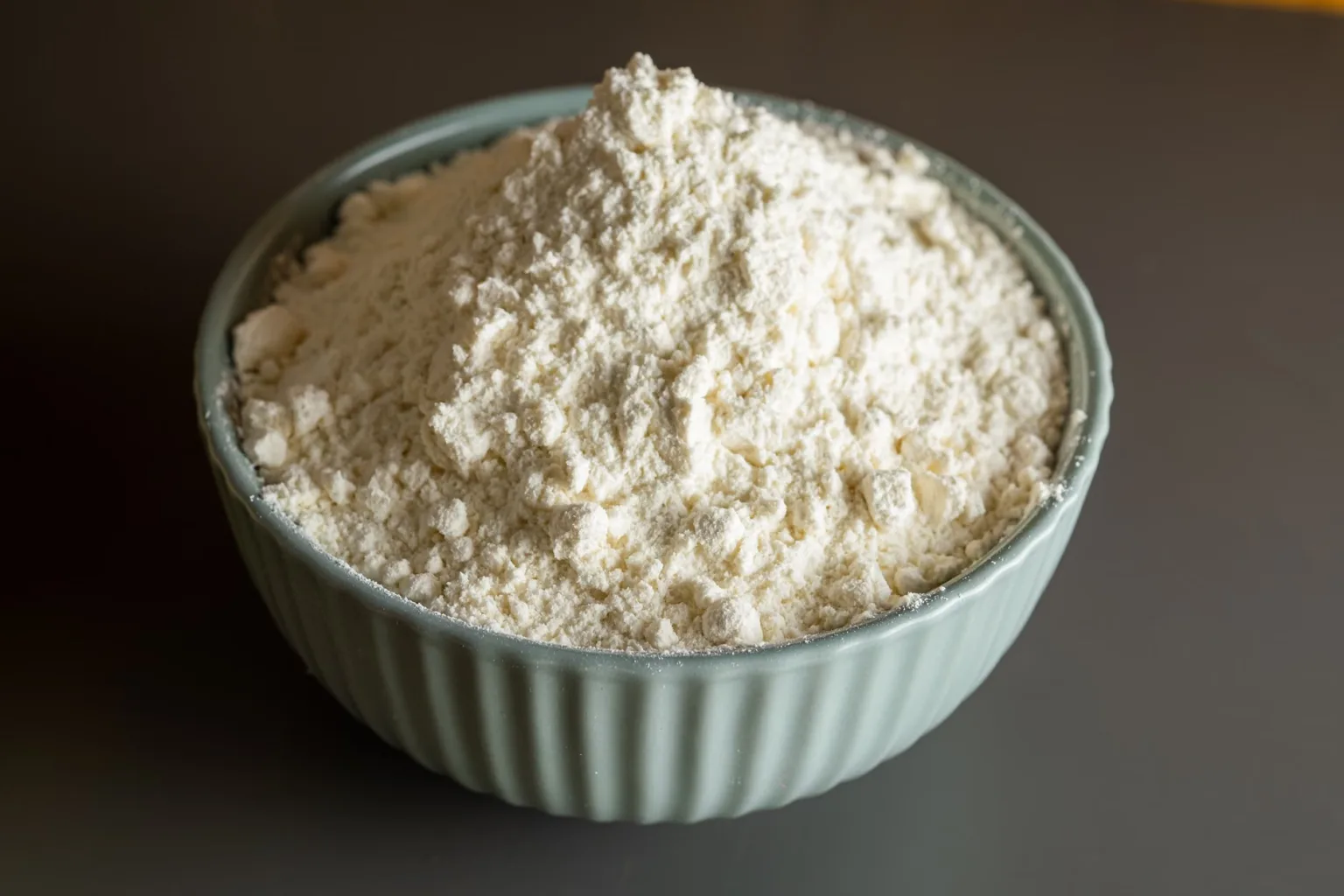
Baking soda, also called sodium bicarbonate, is a solid compound commonly sold as a white powder. In cooking, it is used chiefly as a leavening agent: when it meets moisture and an acidic ingredient, it can release carbon dioxide. The gas forms bubbles in the batter and helps it rise during cooking. Baking soda is not the same as baking powder, which already combines bicarbonate with an acid and other components. On its own, baking soda is alkaline, so using too much—or using it in a recipe without enough acidity—can leave an unpleasant taste.
When to use it
Use it mainly in recipes that call for baking soda and include an acidic ingredient such as yogurt, buttermilk, lemon juice, vinegar, cream of tartar, jellies, or jams. It may be used alone or alongside baking powder, but the amount depends on the formula; do not treat it as an automatic substitute. A small amount is sometimes used in tomato sauces to reduce perceived acidity, but add it carefully and taste as you go. Baking soda is not a universal replacement for baking powder.
How to use it
Measure the amount specified in the recipe rather than estimating. For batters, distribute the baking soda evenly and keep the planned balance of liquid and acidic ingredients. If the recipe says to add it near the end, do so just before cooking and avoid leaving the mixed batter to stand unnecessarily: the reaction can begin once the powder is moistened. In recipes with strongly acidic ingredients, baking soda can be the sole leavening agent if the formula is designed for it. To soften the acidity of a sauce, use only the amount specified or a small pinch, stir, and taste; do not aim to erase all acidity. Follow the recipe’s directions.
Flavour and texture
The powder has a mildly alkaline taste, which can seem bitter or unpleasant if too much is used or if the recipe’s acidic ingredients do not balance it. When it reacts with moisture and acidity, it releases carbon dioxide; the resulting bubbles help aerate batters and add volume. The result depends on the recipe and cooking method: baking soda alone does not guarantee a light crumb. In liquids, it can also create fizz when it meets acids.
How to choose it
Choose a product labelled for food use and check that the package clearly identifies sodium bicarbonate. Do not assume that a product sold for cleaning is suitable for cooking or carries food-use directions. The powder should be dry and free of visible contamination. Read the label and the manufacturer’s use instructions, especially if the product includes other ingredients or is sold for a different purpose.
Storage
Keep it tightly closed in a cool, dry place and protect it from moisture, which can reduce its activity in recipes. Store it in its identified package or in a clean, clearly labelled container. Follow the manufacturer’s instructions and keep it away from substances that could contaminate it. If it has become damp or cannot be identified with confidence, do not use it in food.
Substitutions
Baking powder can replace baking soda in some batters, but not necessarily in the same amount or with the same result; the recipe’s acids and other ingredients matter. Conversely, baking soda is not an automatic substitute for baking powder because it needs an adequate acid source. If changing the leavener, use a tested formula rather than improvising a conversion.
Common mistakes
Common mistakes include confusing baking soda with baking powder, adding it without enough acidity, and measuring by eye. Too much can leave an alkaline aftertaste and affect the result; a batter may also lose some gas if left to stand after mixing. Do not add extra simply to make a recipe rise more: follow the stated amount and mixing order.
Safety and allergens
Use only baking soda labelled for food use, and follow the package and recipe directions. Storage and safe-use information can vary by product and presentation, so check the label if unsure. This profile covers culinary use, not medicinal or cleaning uses.
Culinary uses
- Agente leudante para masas con ingredientes ácidos
- Regulador de acidez en algunas preparaciones
Recommended techniques
- Mezclar con ingredientes húmedos y ácidos según la receta
- Incorporar al final de la preparación y hornear sin demora cuando la receta lo indique
Pairs well with
- Yogur, suero de leche o buttermilk
- Zumo de limón, vinagre o cremor tártaro
- Masas para bizcochos, galletas, muffins y tortitas
Frequently asked questions
Are baking soda and baking powder the same?
No. Baking soda is an alkaline compound; baking powder generally combines bicarbonate with an acid and other components. They are not always directly interchangeable.
Does baking soda need an acidic ingredient to leaven?
In common recipes, moisture and an acidic ingredient allow it to react and release carbon dioxide. Use the combination specified by the recipe.
Why can a batter taste bitter or alkaline?
This may happen if too much baking soda is added or the recipe does not contain enough acidity to balance it. Measure carefully and follow the formula.
How should I store baking soda for cooking?
Keep the package closed in a cool, dry place and protect it from moisture. Follow the manufacturer’s instructions as well.
Estimated nutrition
- Fat
- 0 g
- Saturates
- 0 g
- Carbohydrate
- 0 g
- Sugars
- 0 g
- Protein
- 0 g
- Salt
- 66.75 g
Sources and review
Automatically researched, cross-checked and validated content. Sources consulted:
- En el etiquetado alimentario hay algunas menciones que son obligatorias eletiquetadocuentamucho.aesan.gob.es
- Bicarbonato de sodio, el aliado para cocinar | Recetas Nestlé recetasnestlecam.com
- Qué es el bicarbonato sódico, cómo se usa y en qué recetas utilizarlo directoalpaladar.com
- Utilizá el bicarbonato de sodio para cocinar | Recetas Nestlé recetasnestle.com.ar
- Bicarbonato de sodio - Wikipedia, la enciclopedia libre es.wikipedia.org
- ¿Qué es el bicarbonato de sodio y para qué sirve? - Infobae infobae.com
- Utiliza bicarbonato de sodio para cocinar | Recetas Nestlé recetasnestle.com.ec
- Usos del bicarbonato de sodio en la comida - Mejor con Salud mejorconsalud.as.com
- Bicarbonato de sodio en la cocina el ingrediente que transforma tus recetas petitchef.es
- Cómo usar bicarbonato de sodio en la cocina para mejorar los sabores - LA NACION lanacion.com.ar
- ▷ ¿Cómo reemplazar el bicarbonato de sodio en una receta? | Como Cocinar y Comer comococinarocomer.com
- agencia española de seguridad alimentaria y nutrición aesan.gob.es
- Mejores Casinos Online en España 2026 - Casinos Seguros y Fiables comidanorteamericana.es
- Bicarbonato sódico | Aditivo alimentario multiuso – Especias Pedroza especiaspedroza.es
- Bicarbonato sódico | www.cocinista.es cocinista.es
- Client Challenge doi.org
- Usa el bicarbonato para cocinar en casa | Recetas Nestlé recetasnestle.com.mx
- Sal común - Wikipedia, la enciclopedia libre es.wikipedia.org