- Category
- Bread and dough
- State
- Dry
- Usual unit
- tablespoon
What it is
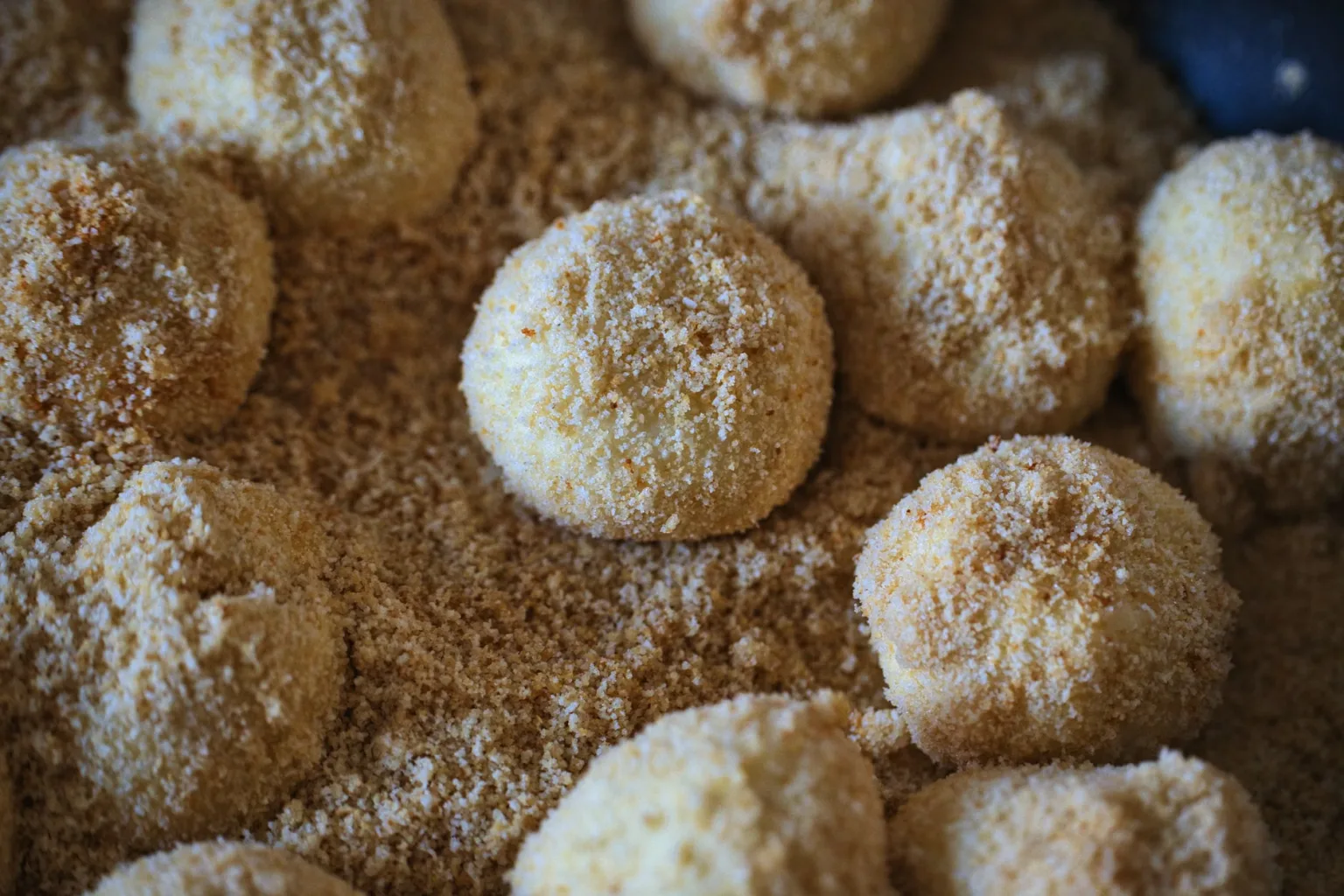
Breadcrumbs are bread broken down into fine or coarse crumbs and used as a cooking ingredient rather than as a serving of bread. They are often made from dried, ground bread, though the precise ingredients vary between products and brands. Cooks use them to coat foods, create a crumb crust during cooking, and help mixtures such as meatballs or fillings hold together. They can also be sprinkled over dishes before baking or gratinating. Products are not all alike: crumb size, the type of bread, and added ingredients may differ. Some commercial varieties include extra ingredients or seasonings, so check the product label instead of assuming every breadcrumb has the same composition.
When to use it
Choose breadcrumbs when you want a crumb coating on meat, fish or vegetables, or when a mixture needs help holding its shape. They are also useful as a finish for croquettes, fillings, baked casseroles and gratins. For a fine, more uniform coating, choose small crumbs; for a more pronounced texture, choose a larger-crumb variety such as panko. Breadcrumbs may also feature in sweet recipes that call for a crumb coating, including some fruit dumplings. Make your choice according to the texture the recipe calls for: varieties can produce different results and do not necessarily share the same ingredients.
How to use it
To coat food, prepare it as directed in your recipe and press it gently into the breadcrumbs so the surface is covered. Follow the recipe’s instructions for any preliminary steps that help the coating adhere; breadcrumbs alone do not guarantee that it will stick. To bind a mixture, add breadcrumbs gradually and stir until it reaches the consistency specified in the recipe, taking care not to add more than needed. To top a baked or gratinated dish, scatter a layer over the surface before cooking. Choose fine crumbs for a compact coating or larger crumbs for a more visible texture. Check the package ingredients, especially if you need to avoid wheat, gluten or another specific ingredient.
Flavour and texture
Flavor and texture depend on the bread used, crumb size and any added ingredients. Fine crumbs make a more uniform, compact coating; larger crumbs, such as panko, create a more noticeable, airy-textured finish. Used as a coating, breadcrumbs are generally intended to form a crust; in a mixture, they help provide body. Seasoned varieties may taste different from plain ones, so check the label and adjust the recipe’s other seasonings accordingly.
How to choose it
Choose crumb size according to the result you want: fine crumbs for a more uniform coating and coarse crumbs for a more noticeable texture. Read the ingredient list and allergen information, since a product may contain wheat and gluten or include other ingredients and seasonings. If you need a gluten-free alternative, do not assume that any breadcrumbs or panko are suitable: check the label and select a product whose information meets your needs. Also inspect the package and follow the manufacturer’s directions.
Storage
Keep dry breadcrumbs in a cool, dry place, protected from moisture and light, and follow any storage directions on the package. Seal the package well after opening to limit moisture exposure and loss of quality. There is no single storage period that applies to every variety: use the date and guidance supplied by the manufacturer because formulations can differ. Do not use the product if you notice moisture, mold, insects, or an unusual smell or appearance. Keep wet utensils out of the package.
Substitutions
Panko can replace breadcrumbs when a recipe can accommodate larger crumbs and a more pronounced coating. For binding mixtures, some recipes may use rolled oats, wheat bran or ground flaxseed, but these are not identical exchanges: they can change the texture and behavior of the preparation. Adjust the amount to the consistency the recipe calls for. If substituting because of an allergy or a need to avoid gluten, check every product and its allergen information rather than relying on the ingredient name alone.
Common mistakes
Do not assume all breadcrumbs have the same texture, ingredients or allergens: check the package. Adding too much to a mixture can change its consistency from what the recipe intends. When coating food, do not skip the adhesion steps specified in the recipe; crumbs do not necessarily stick on their own. Do not use wet utensils or leave the product exposed to moisture, which can reduce its quality.
Safety and allergens
Breadcrumbs may contain wheat and gluten, and formulations vary. Read the ingredient list and allergen information; if you must avoid an allergen, do not use a product when its presence is unclear. Prevent cross-contact with surfaces and utensils that have touched that allergen. Discard the product if it shows moisture, mold or unusual signs.
Culinary uses
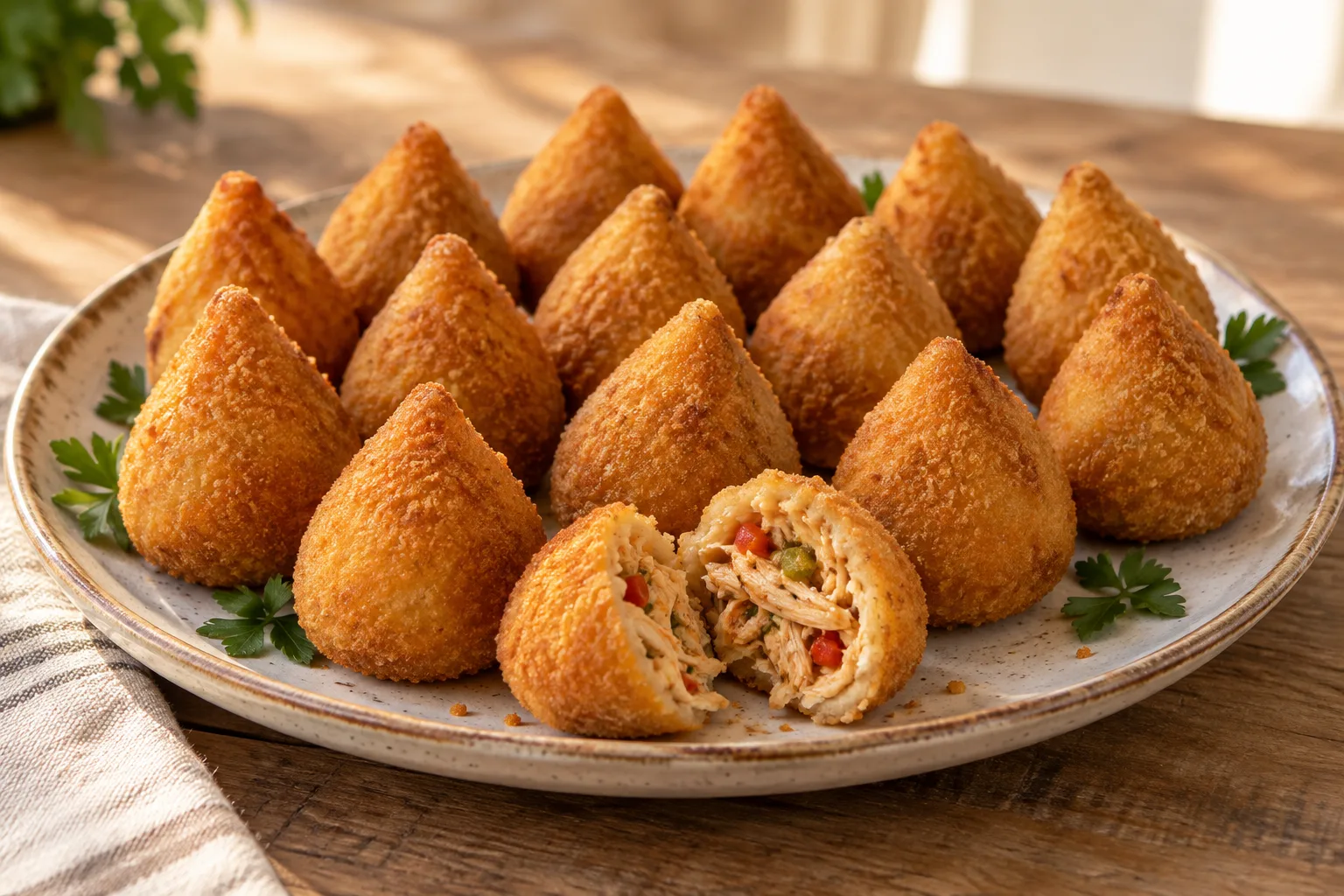
- Crispy coating for breaded foods
- Binder for mixtures and fillings
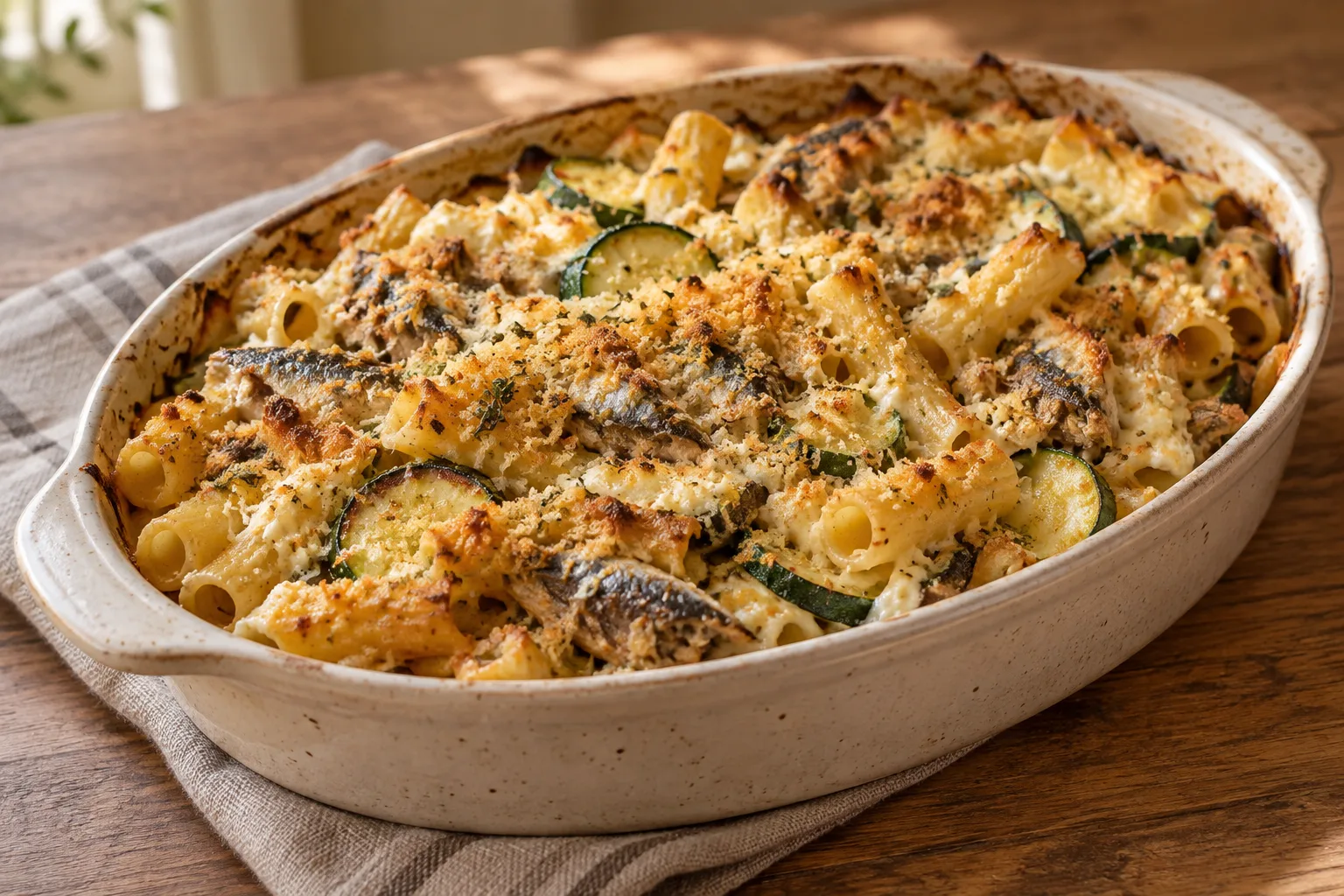
- Topping for baked and gratinated dishes
Recommended techniques
- Bread and coat
- Mix into a binding mixture
- Sprinkle over a dish before baking or gratinating
Pairs well with
- Meat, fish and vegetables for breading
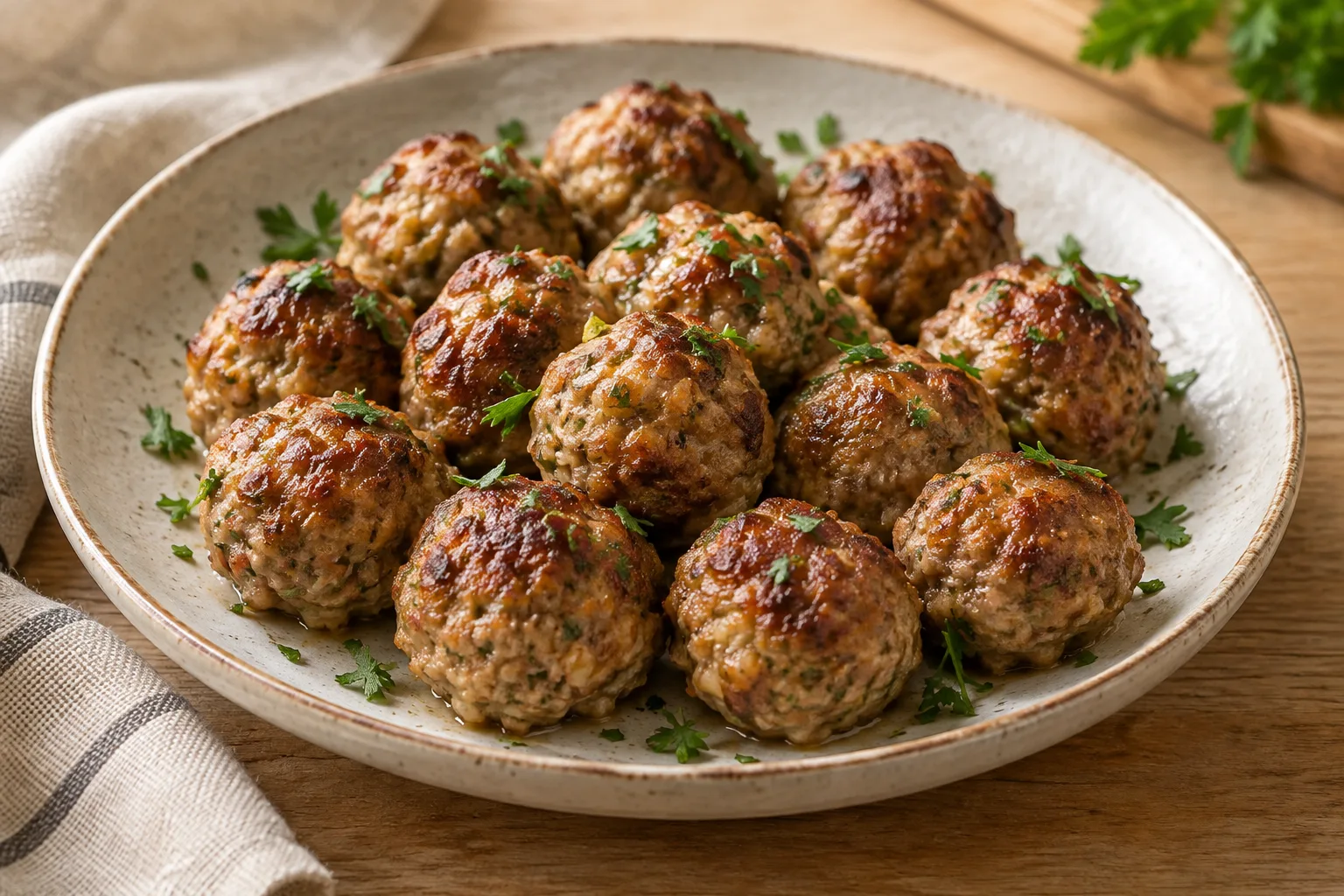
- Croquettes and meatballs
- Casseroles and gratinated dishes
- Fruit dumplings and other sweet preparations
Frequently asked questions
Do breadcrumbs always contain gluten?
You cannot assume all products have the same ingredients. Many varieties made from wheat bread contain gluten; check the package ingredient list and allergen information.
Can I use breadcrumbs to bind meatballs?
Yes. They are used in mixtures such as meatballs to help hold the mixture together. Add them gradually and follow the consistency described in your recipe.
Are panko and fine breadcrumbs the same?
Not necessarily. Panko is associated with larger crumbs and a more pronounced coating texture, while fine breadcrumbs give a more compact finish.
Estimated nutrition
- Fat
- 0 g
- Saturates
- 0 g
- Carbohydrate
- 80 g
- Sugars
- 0 g
- Fibre
- 5 g
- Protein
- 5 g
- Salt
- 2.38 g
Sources and review
Automatically researched, cross-checked and validated content. Sources consulted:
- En el etiquetado alimentario hay algunas menciones que son obligatorias eletiquetadocuentamucho.aesan.gob.es
- Client Challenge doi.org
- Cooking Food Storage | USU extension.usu.edu
- Aesan - Agencia Española de Seguridad Alimentaria y Nutrición aesan.gob.es
- How to Cook Pork Tenderloin on the Grill • southernwv.edu staging.southernwv.edu
- SUBDIRECCION GENERAL DE ECONOMIA PESQUERA SECRETARIA GENERAL DE PESCA mapa.gob.es
- Learning How to Cook: A Guide for Beginners - Escoffier escoffier.edu
- (DOC) A tipos de almacen academia.edu
- 1 Guía Docente de Panificación y usos del pan 1. DATOS DE LA ASIGNATURA Nombre mondragon.edu
- Storing Staple Ingredients in the Kitchen extension.psu.edu
- [VIDEO] The Difference Between Sloped and Straight-Sided Pans | Institute of Culinary Education ice.edu
- Pan rallado - Wikipedia, la enciclopedia libre es.wikipedia.org
- Tipos de pan rallado y encolantes: cuál elegir según tu aplicación - www.pollast.com pollast.com
- Explorando las variedades de pan rallado panko y sus usos culinarios ideales cnbreading.com
- Pan rallado (pan rallado, pan rallado, ¿crudo?, ¿orgánico?) | Fundación G+E diet-health.info
- Pan rallado - La Salmantina lasalmantina.com