- Category
- Pulses
- State
- Canned
- Usual unit
- Variable
What it is
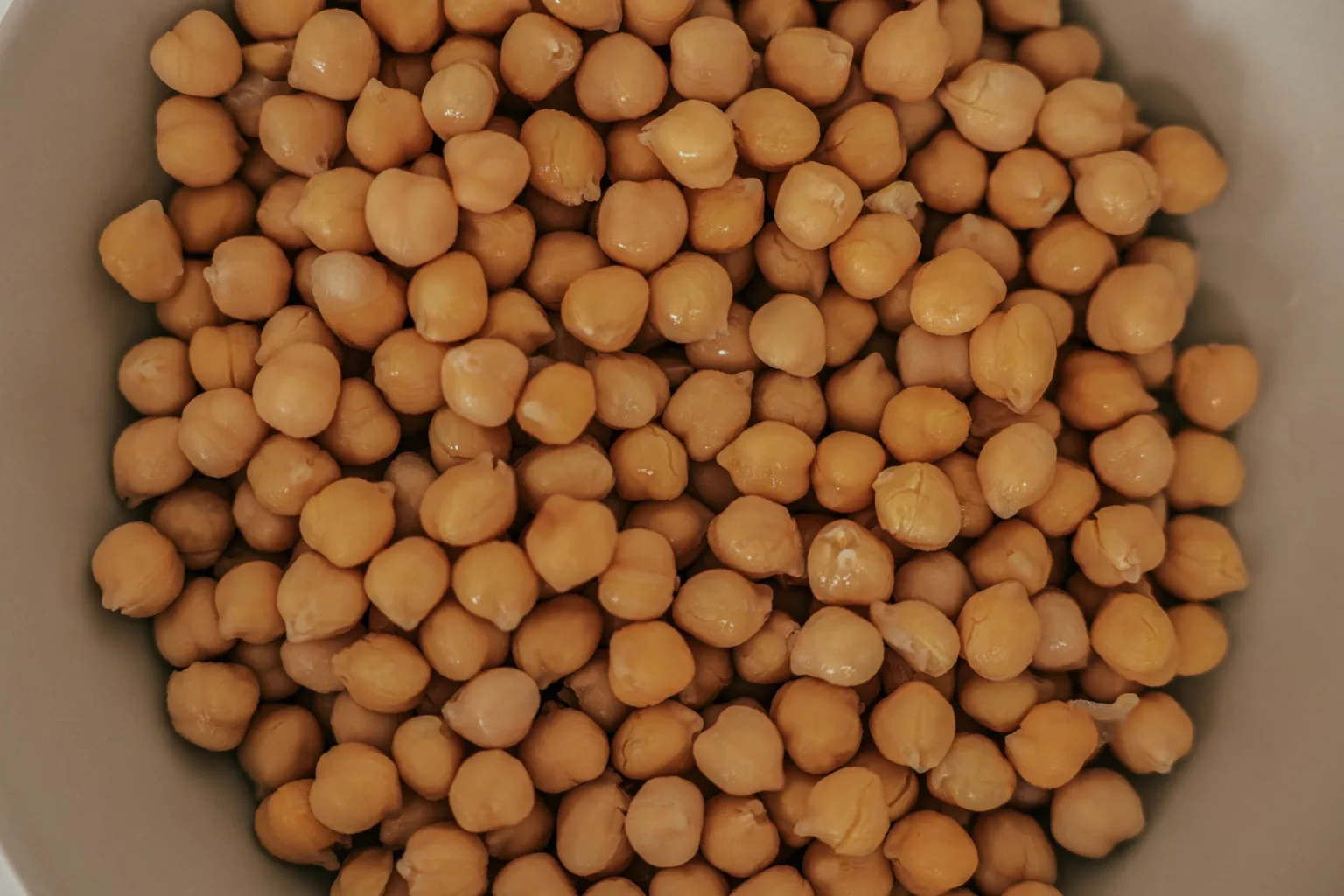
Canned cooked chickpeas are chickpeas that have been cooked and packed in a sealed container, often with cooking liquid. Depending on the product, the ingredients may include chickpeas and water, salt or other additions, so check the specific ingredient list rather than assuming all cans are alike. Because they are already cooked, they can go straight into many recipes without the soaking and cooking required for dried chickpeas. Product size, firmness, saltiness and packing liquid can vary by brand. Taste them before seasoning, and decide whether to drain or keep some of the liquid based on the recipe. They are sold as a convenient form of a legume, not as a single standardized recipe.
When to use it
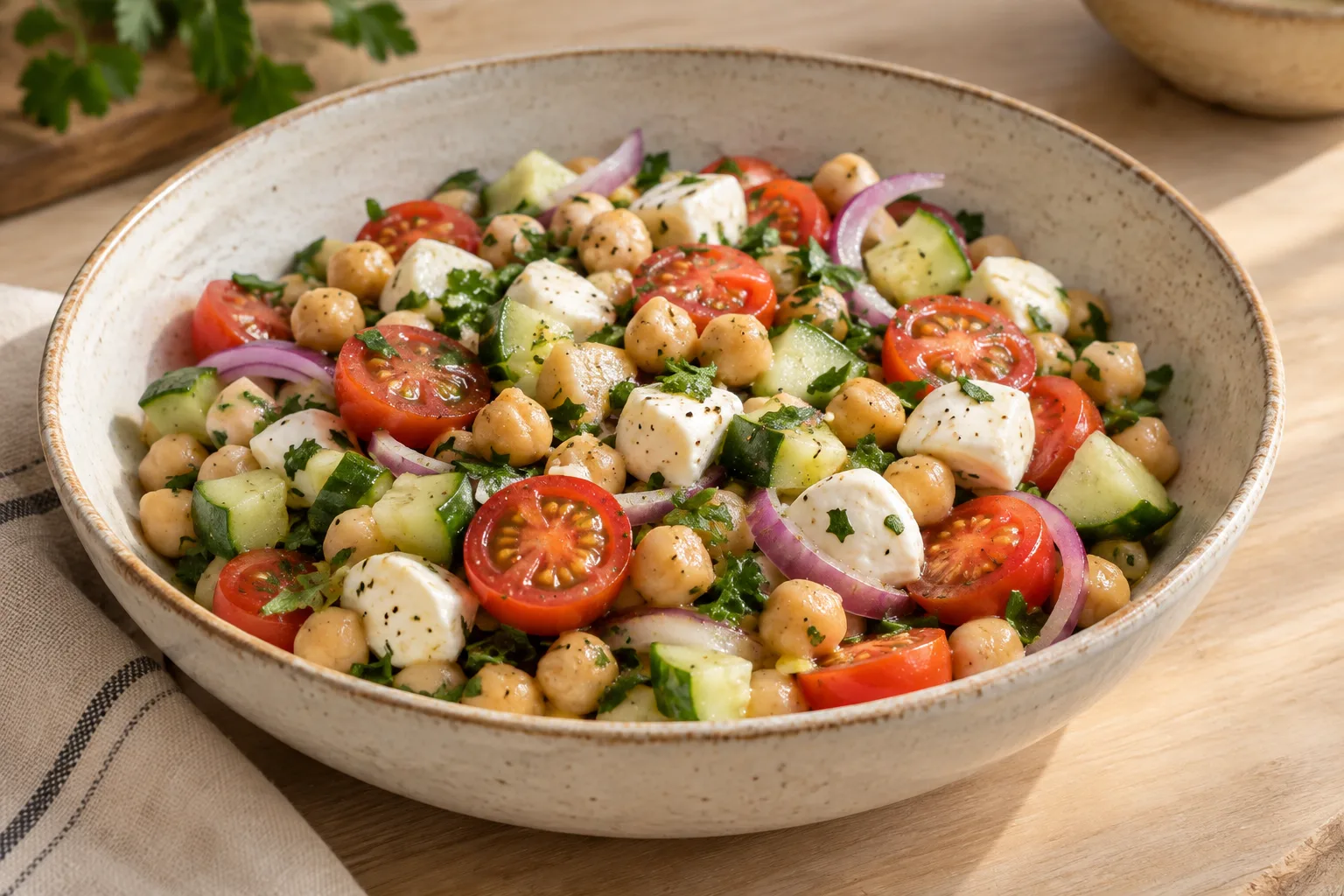
Choose canned chickpeas when you want to shorten preparation and have cooked legumes ready without planning a soak. They work in cold dishes such as salads and in hot recipes such as soups, stews and curries. They can also be mashed or blended for a purée or spread. In recipes with a short cooking time, add them when the other ingredients are nearly ready so they warm through without breaking down more than you want. For roasting, drain and dry them before seasoning; for a softer result, add them to a saucy dish. Check the can's salt content before deciding how much extra seasoning to use.
How to use it
Read the label and check the ingredient list, salt content and product instructions. Open the container, drain the chickpeas if your recipe calls for it, and rinse them when you want to remove some of the packing liquid. For roasting, dry them well before adding seasonings. Add them whole to salads, soups, curries and stews, or warm them in a sauce. For hummus or another purée, blend them with the ingredients specified in your recipe and adjust the consistency gradually. You can also season and roast them for a crisp snack. Taste before adding salt, since some canned products already contain it. Follow the package directions for storage and use, particularly after opening.
Flavour and texture
Their flavor is generally mild and slightly nutty, but the packing liquid and added salt can affect the finished taste. Texture ranges from tender to firm depending on the product and how it is prepared. Drained chickpeas work well in salads and stews; blending turns them into a creamy base. Roasting can make them crisp, especially when freshly prepared. Taste the chickpeas before seasoning so you can account for the saltiness of the particular product.
How to choose it
Compare ingredient lists and choose a product that suits your recipe; some canned chickpeas contain salt, and formulations can differ. Check the product name, net quantity, date information and package directions. Use the label to check ingredients and allergen information for that specific product. Do not assume every brand has the same firmness or seasoning. Where the package provides product details, use those details to guide your choice and adjust seasoning after tasting.
Storage
Store an unopened can according to the directions on its label and observe the date shown by the manufacturer. Recommended conditions can depend on the product, so one storage rule should not be assumed to fit every can. After opening, consult the package for storage and use guidance; if it does not give specific directions, look for the manufacturer's advice. Do not assume that every brand or pack format has the same storage period once opened.
Substitutions
If canned chickpeas are unavailable, dried chickpeas can be used after soaking and cooking until ready for the recipe; they are not a direct, ready-to-use replacement while still dry. Chickpeas cooked and sold in a jar are another option. Check whether they contain salt or packing liquid and adjust the recipe to their texture. Taste either alternative before adding extra salt, and adapt the amount to the dish.
Common mistakes
Do not add salt automatically: the chickpeas or their packing liquid may already contain it. Do not treat dried chickpeas as if they were cooked; dried chickpeas need soaking and cooking first. If roasting, drain and dry them well rather than putting them in wet, since excess moisture works against a crisp surface. Avoid assuming that all brands have identical liquid, texture, ingredients or package directions.
Safety and allergens
Check the label for the specific product's ingredients, allergen information, date, storage and safe-use guidance. Follow the manufacturer's directions, especially after opening.
Culinary uses
- Ready-to-use legume for salads, soups, stews and curries
- Base for purées and spreads such as hummus
Recommended techniques
- Drain and rinse before use when appropriate
- Mash or blend into a purée
- Warm in a stew, soup or curry
- Season and roast for a crisp snack
Pairs well with
- Tomato, onion and curry spices
- Garlic, lemon, tahini and olive oil
- Parsley, rosemary, thyme or cumin
- Salad vegetables and leafy greens
Frequently asked questions
Do canned chickpeas need cooking before eating?
They are sold cooked and can be used directly in many recipes. Check the package directions and heat them if your preparation calls for it.
Should I rinse canned chickpeas?
It depends on the recipe. Draining and rinsing removes some packing liquid; for roasting, drain and dry them well.
Can I replace them with dried chickpeas?
Yes, after soaking and cooking the dried chickpeas. They cannot be used dry as an immediate substitute for an already-cooked product.
How should I store an opened can?
Follow the manufacturer's storage and use directions. There is no single storage period that can be assumed for every brand and pack.
Estimated nutrition
- Fat
- 2.59 g
- Saturates
- 0.27 g
- Carbohydrate
- 27.42 g
- Sugars
- 4.8 g
- Fibre
- 7.6 g
- Protein
- 8.86 g
- Salt
- 0.02 g
Sources and review
Automatically researched, cross-checked and validated content. Sources consulted:
- En el etiquetado alimentario hay algunas menciones que son obligatorias eletiquetadocuentamucho.aesan.gob.es
- Vamos a Conservar Alimentos: Ingredientes Utilizados en las Conservas Preparadas en Casa extension.psu.edu
- Garbanzos Cocidos - Conservas Cachopo conservascachopo.com
- Romanica Olomucensia : «¿Qué pinga es esto?». Usos disfemísticos en el español de Cuba doi.org
- Los garbanzos: variedades, propiedades nutricionales y muchas recetas para disfrutar con la legumbre más consumida en España directoalpaladar.com
- El Garbanzo: Historia, Diseminación Y Usos Culinarios - Restaurante Romero restaurante-romero.es
- Garbanzos cocidos (orgánicos) | Fundación G+E diet-health.info
- Guía completa sobre los tipos de garbanzos más utilizados: variedades, propiedades, usos y recetas jardineriaon.com
- Legumbres cocidas, aliadas rápidas y saludables en tu cocina. info.mercadona.es
- Pág. 1 MINISTERIO DE AGRICULTURA, PESCA Y ALIMENTACIÓN DIRECCIÓN GENERAL DE mapa.gob.es
- Garbanzos Rostizados en Seco | Servicio de Extensión de OSU extension.oregonstate.edu
- Conservación de alimentos en casa: Untables de frutas | Extensión UMN es.extension.umn.edu
- Garbanzos asados - Spend Smart Eat Smart spendsmart.extension.iastate.edu
- Garbanzos cocidos en conserva es.openfoodfacts.org