- Category
- Herbs and spices
- State
- Dry
- Usual unit
- stick
What it is
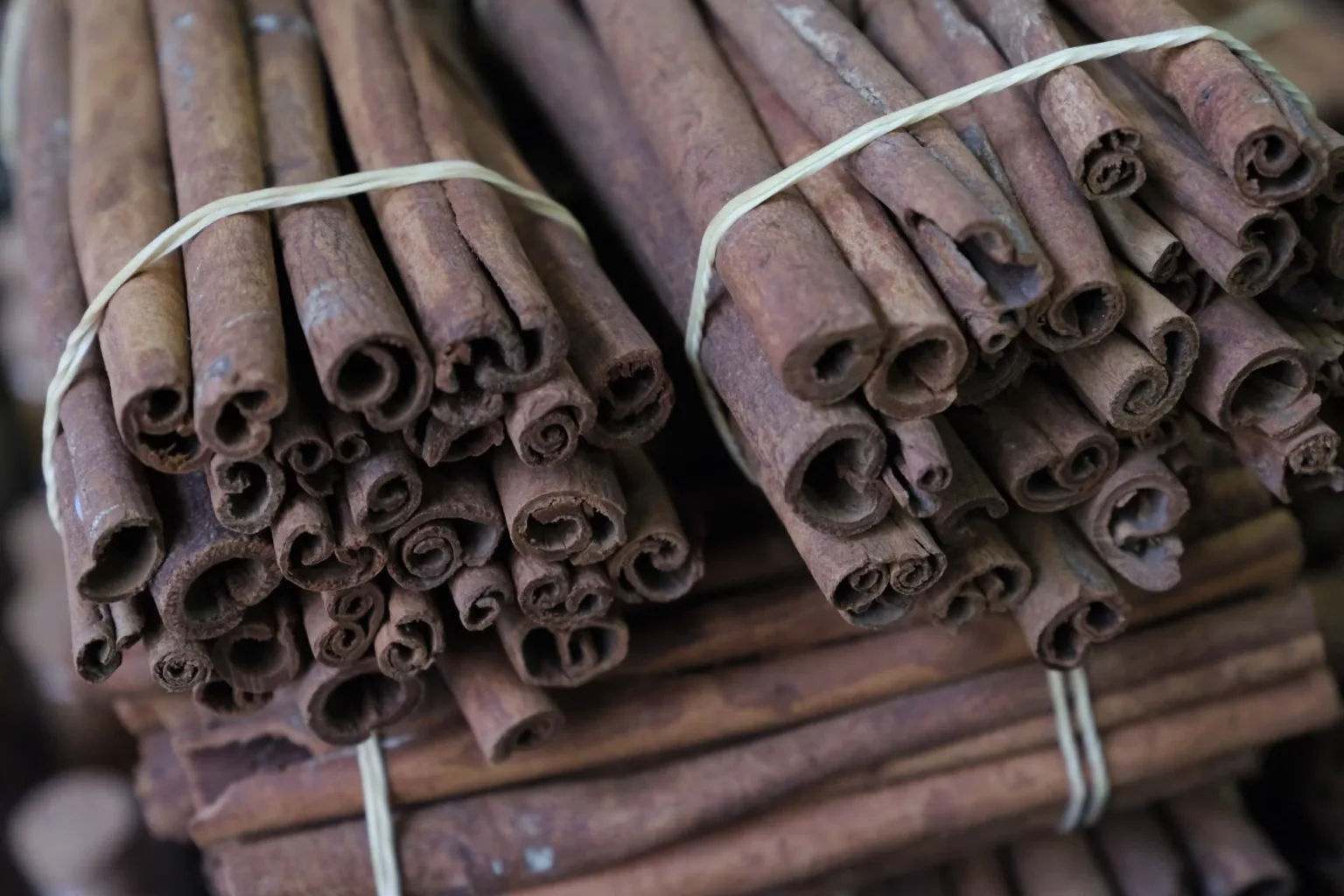
A cinnamon stick is dried bark from trees in the genus Cinnamomum, rolled into a tube or quill shape. It is sold whole, unlike ground cinnamon, and used to lend aroma and flavor to a dish while it cooks or steeps. Several commercial varieties exist, including Ceylon and Cassia; they can differ in appearance and intensity, so the generic name alone does not identify one uniform flavor. It is a dry spice, not a fresh herb or a woody twig intended to be eaten as such. Whole cinnamon can flavor both drinks and sweet or savory dishes.
When to use it
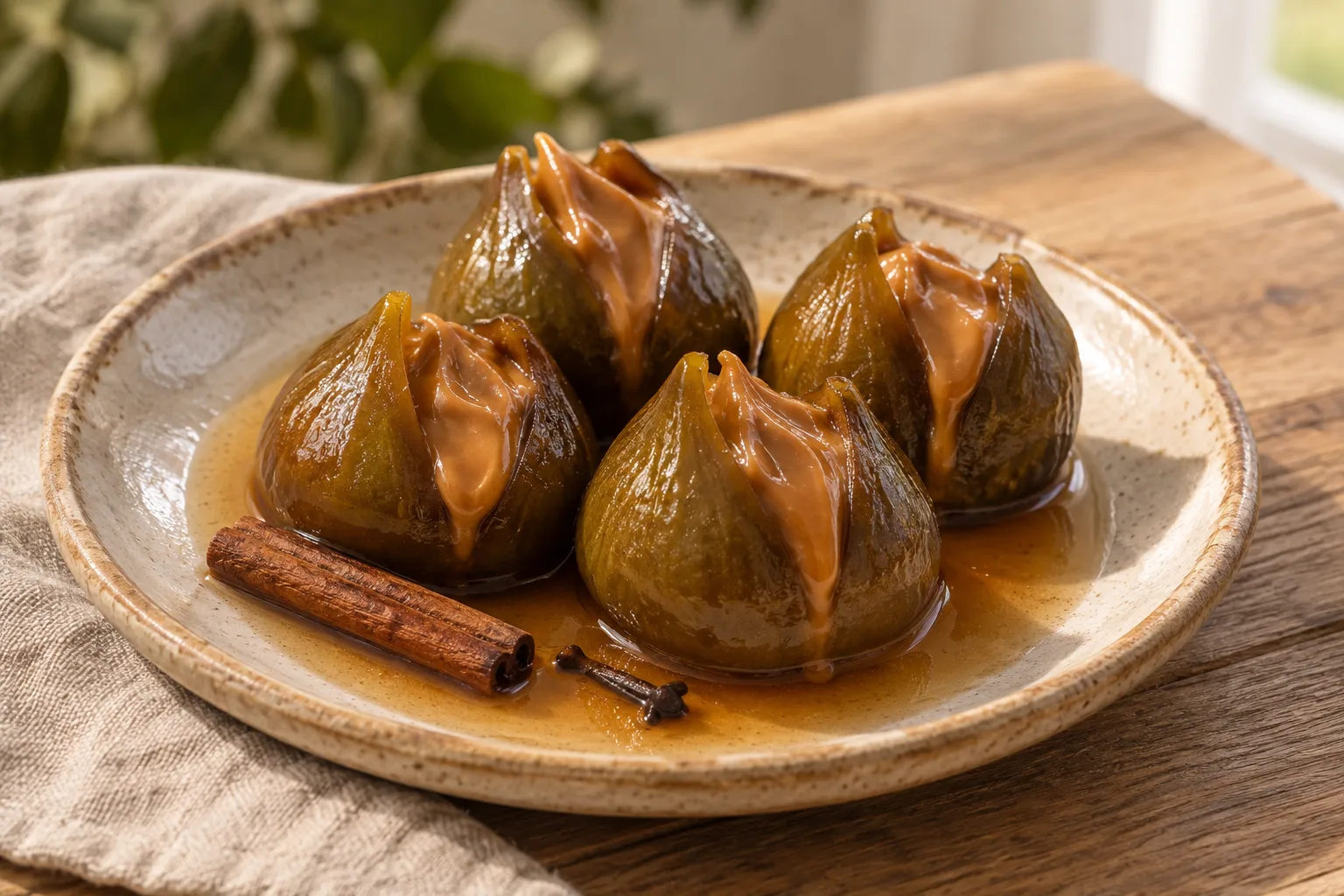
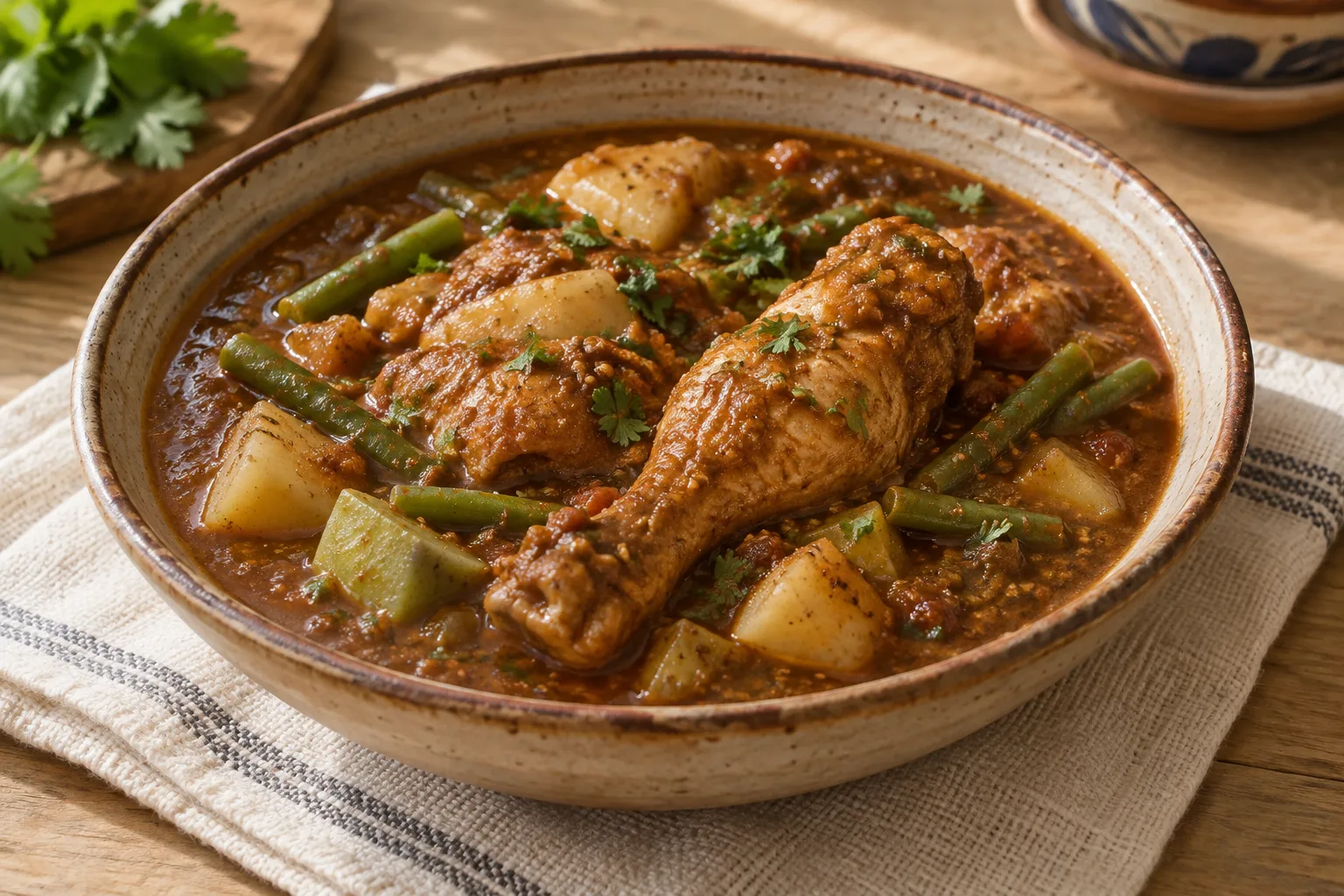
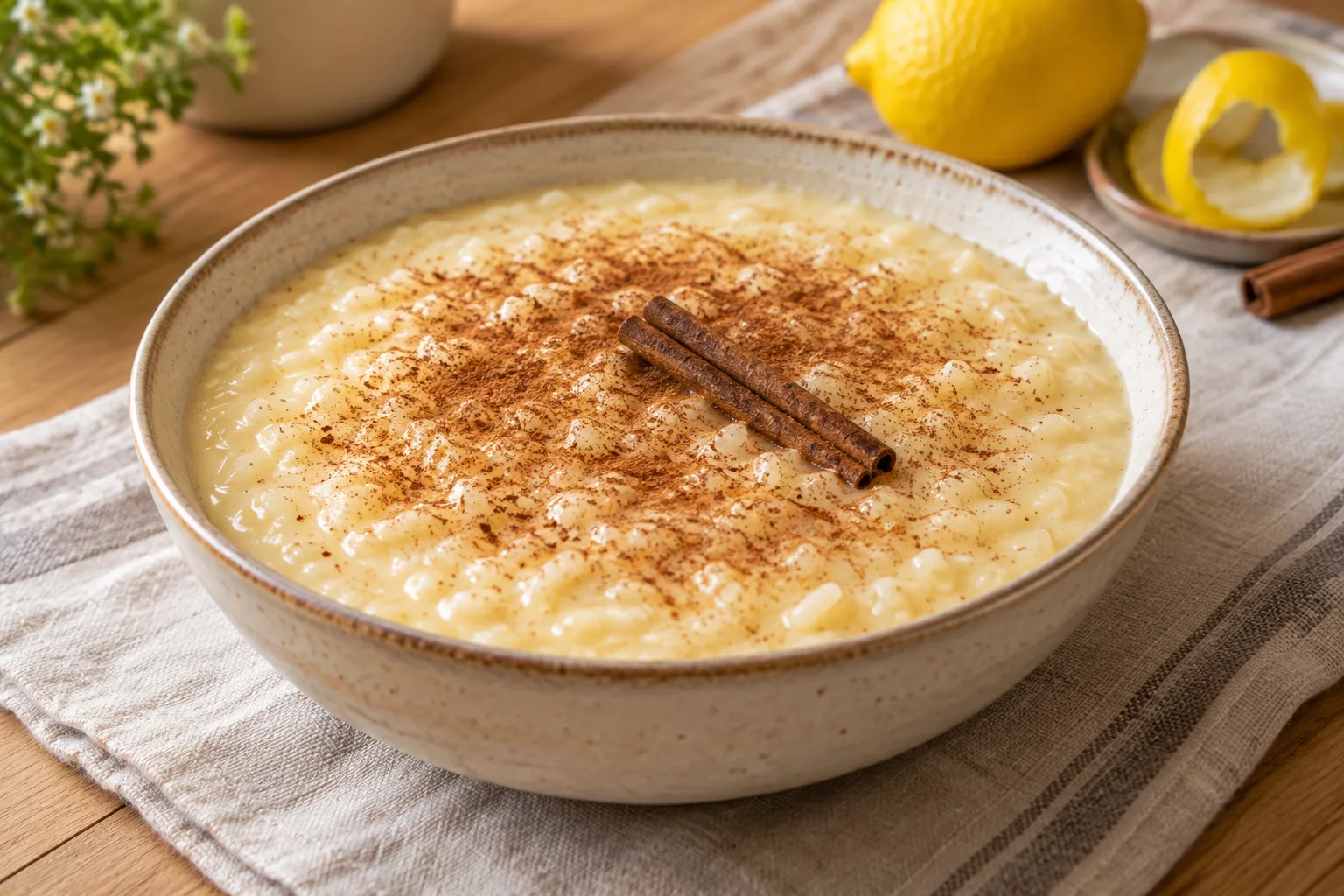
Use a cinnamon stick when you want its aroma to infuse a liquid or cooking dish and would like to remove the whole piece before serving. It suits rice pudding, custards, compotes and other desserts, as well as coffee, hot chocolate and infusions. It can also add a spiced note to stews and savory dishes. Choose a variety with a more delicate or more intense profile according to the character you want; the supplied sources describe differences between Ceylon and Cassia.
How to use it
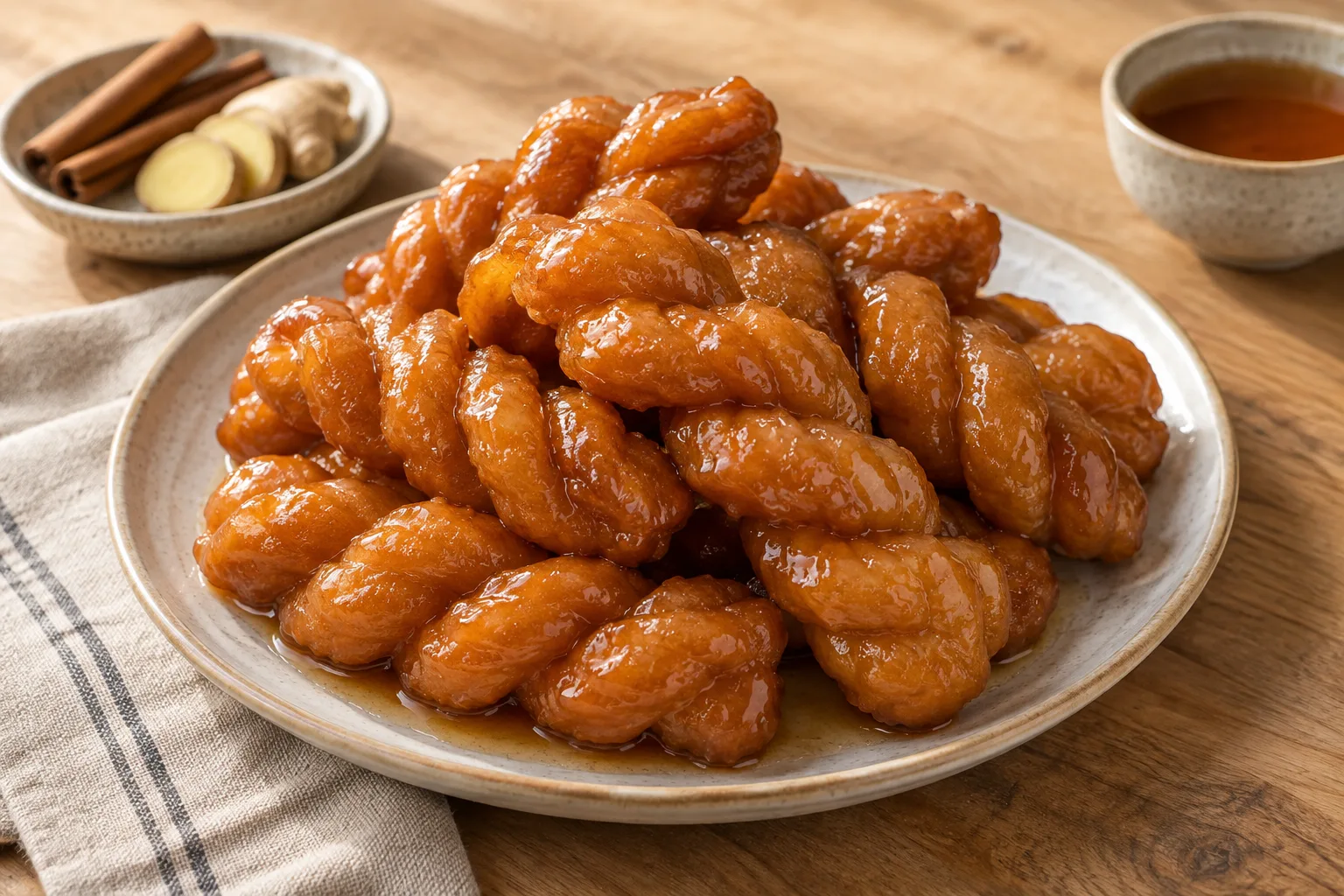
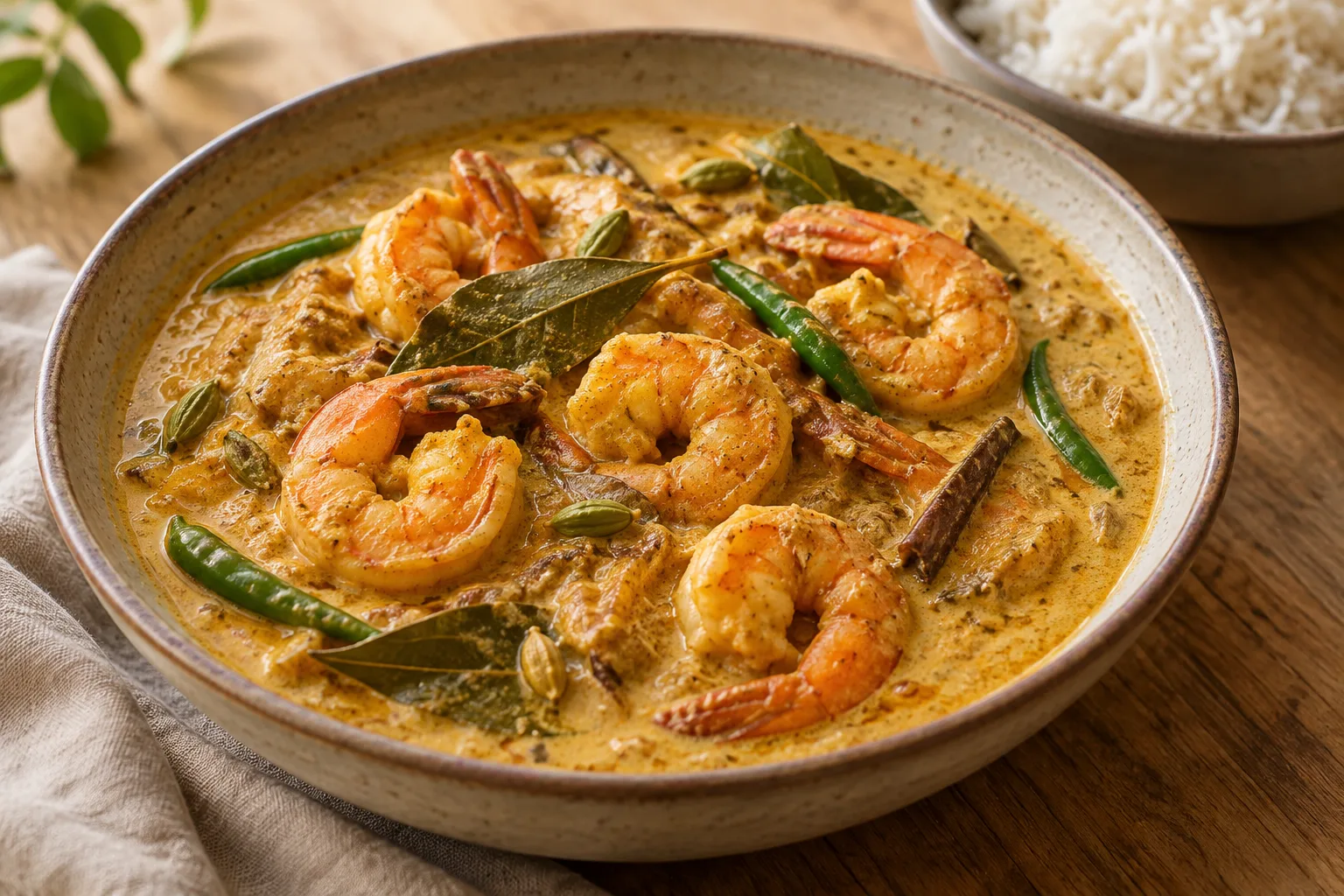
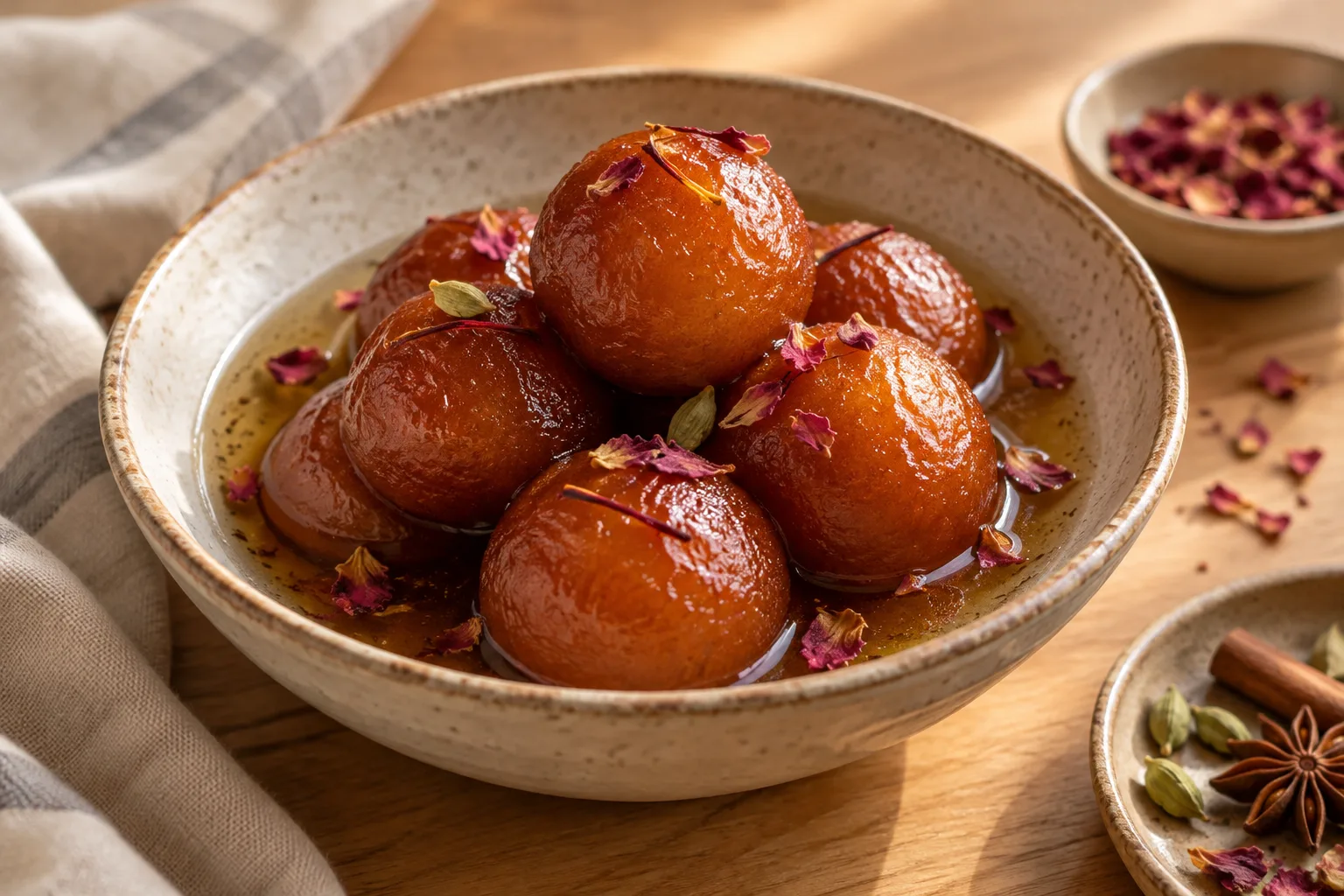
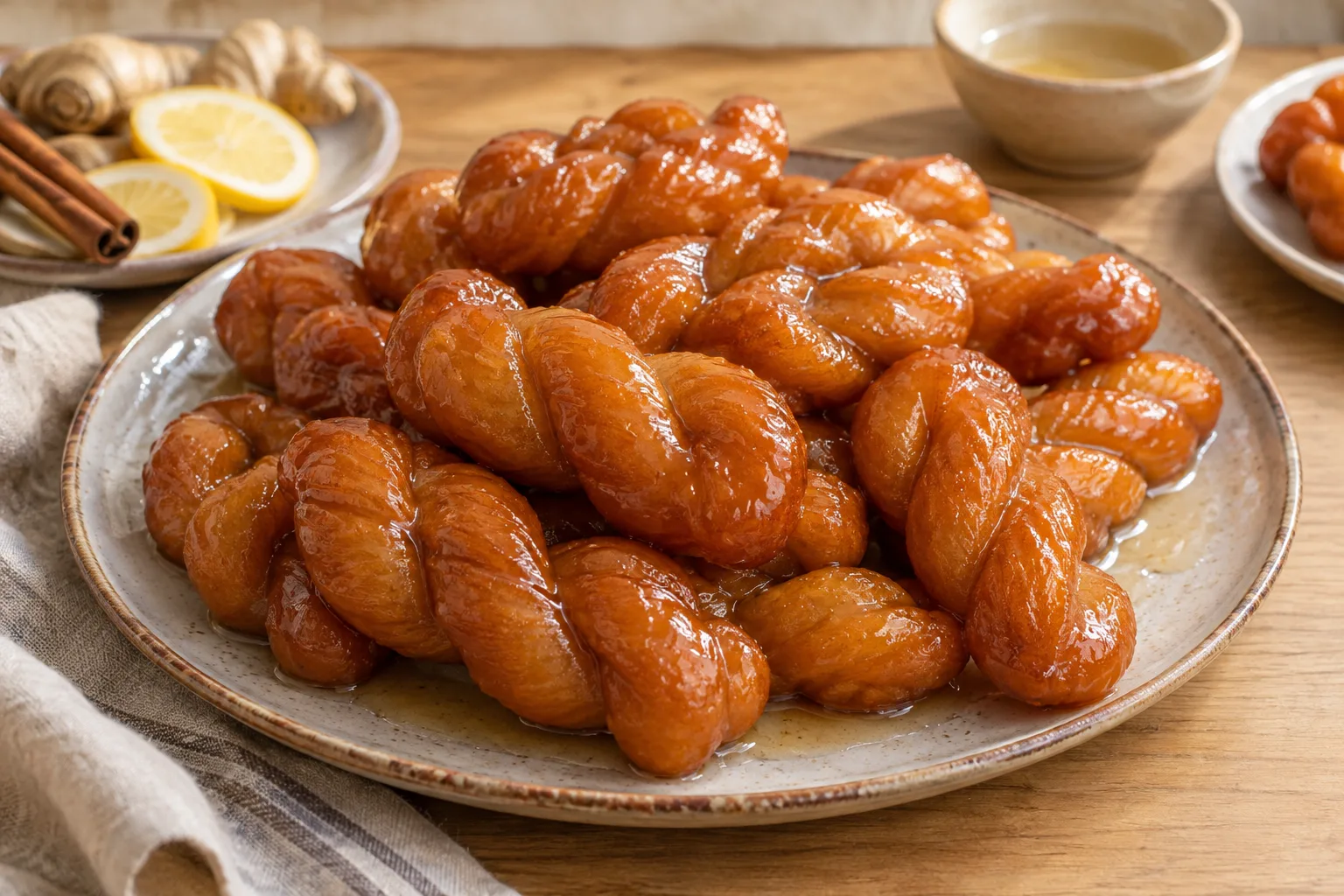
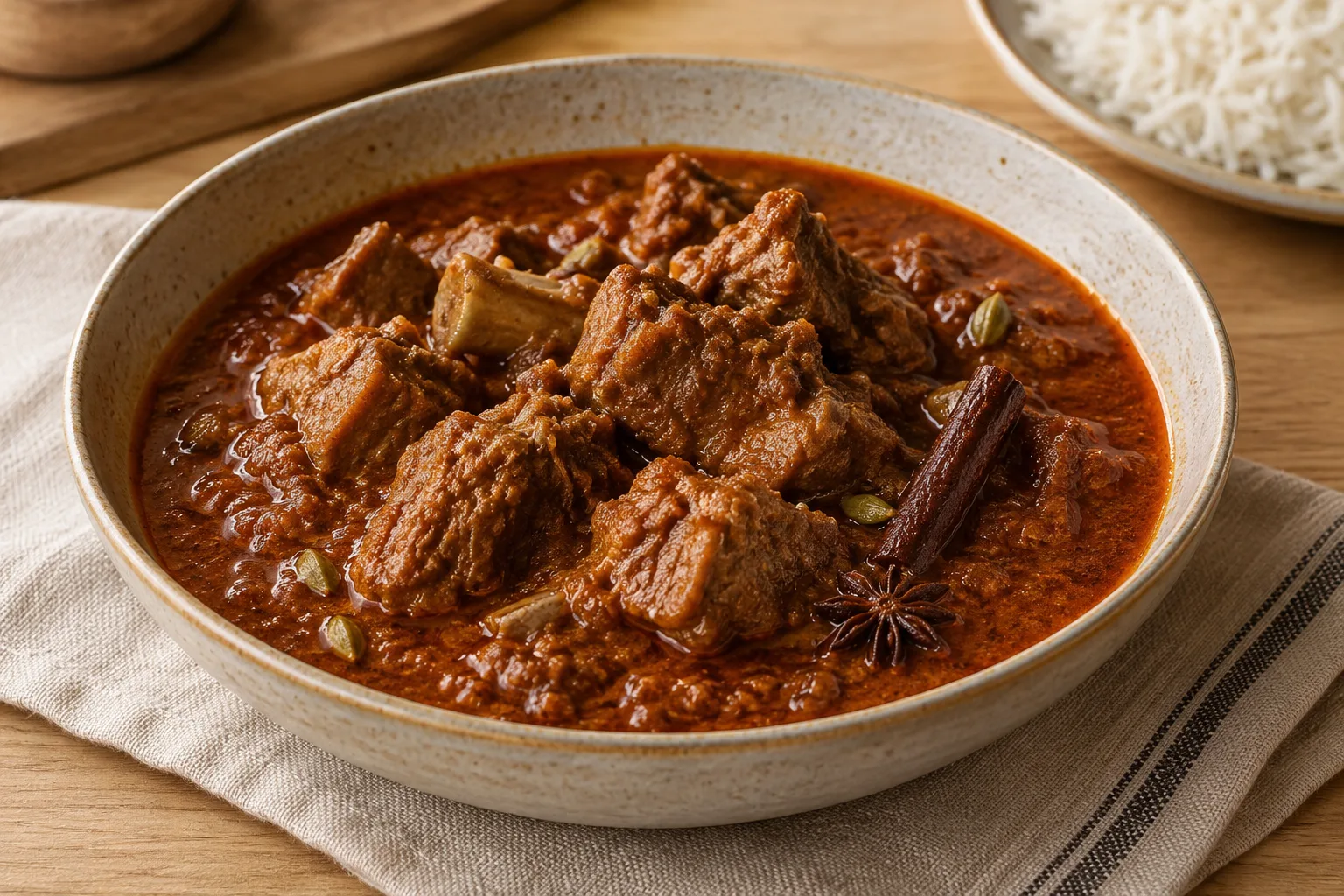
Add the whole stick to a liquid or a dish that will be cooked or infused so that it can release its aroma. It can flavor drinks such as coffee, chocolate or infusions, and desserts such as rice pudding, custards, cakes and compotes. It also appears in savory recipes, including stews and some traditional dishes. Once the aroma has infused, remove the whole piece before serving if the recipe allows. If you only have ground cinnamon, it can serve as an alternative, bearing in mind that it disperses through the preparation rather than remaining as a removable piece. The supplied sources do not establish a universal quantity conversion, so adjust the intensity to suit the recipe.
Flavour and texture
Cinnamon is commonly described as warm, sweet and spiced, with a fragrant aroma. Its intensity is not identical across varieties: Ceylon cinnamon is generally described as more delicate, while Cassia is more robust. A stick is dried rolled bark; its thickness and appearance can also vary by type.
How to choose it
Check whether the package identifies the variety, such as Ceylon or Cassia, because their flavor profiles are not identical. The sources describe Ceylon sticks as finer and more delicate, and Cassia as thicker and more robust; these traits may help, but they do not replace label information. Choose a product sold for culinary use and check that the packaging is intact.
Storage
Cinnamon sticks are sold as dried bark. The available sources do not specify a storage duration or exact temperature, so a precise shelf-life claim is not justified. Store the spice according to its package directions and do not use it if the packaging is damaged or the product shows obvious signs of moisture or contamination.
Substitutions
Ground cinnamon can replace a stick when a recipe calls for cinnamon flavor, but it changes the texture and disperses through the dish instead of being removable. Another stick variety, such as Ceylon or Cassia, is also an option, bearing in mind that its flavor may be more delicate or more intense. The sources provide no quantity equivalence for swapping forms or varieties.
Common mistakes
Do not assume that all cinnamon sticks taste exactly alike: the varieties described include both more delicate and more robust profiles. When replacing a stick with ground cinnamon, remember that the powder disperses and can change the appearance and texture of the dish. The supplied sources do not support a fixed quantity conversion.
Safety and allergens
The supplied sources do not establish a specific safety warning for culinary use of cinnamon sticks. Use a product intended for food and follow its package directions; do not treat the spice as a medicine.
Culinary uses
- Aromatizar bebidas calientes y frías
- Aportar sabor a postres y preparaciones saladas
Recommended techniques
- Infusionar en líquidos para perfumarlos
- Añadir a la cocción de postres, arroces y guisos
Pairs well with
- Arroz con leche y otros postres cremosos
- Café, chocolate y bebidas especiadas
Frequently asked questions
What is the difference between a cinnamon stick and ground cinnamon?
A stick is rolled dried bark added whole for flavoring and can be removed; ground cinnamon disperses through the dish.
Are cinnamon sticks only for desserts?
No. They are used in desserts and drinks, and can also feature in stews and other savory preparations.
Do Ceylon and Cassia cinnamon taste the same?
Not necessarily. The sources describe Ceylon as more delicate and Cassia as more robust, though the profile depends on the variety.
Sources and review
Automatically researched, cross-checked and validated content. Sources consulted:
- Romanica Olomucensia : «¿Qué pinga es esto?». Usos disfemísticos en el español de Cuba doi.org
- Aves de Jardín Comunes en Carolina del Sur viewing.fishwild.vt.edu
- Bebida de Arándano - myLLU - Loma Linda University myllu.llu.edu
- A Health Literacy Curriculum for Grades 1 and 2 - Wsu s3.wp.wsu.edu
- Vamos a Conservar Alimentos: Manzanas extension.psu.edu
- Canela rama Ceylán: Descubre sus beneficios y usos en la cocina dnng.es
- Conocé más sobre la canela, tipos y recetas | Recetas Nestlé recetasnestle.com.ar
- Canela en Rama. El aroma que equilibra cuerpo y mente | Hierbalia hierbalia.com
- Todo sobre canela : origen, tipos, usos y beneficios - Spice and Colour spiceandcolour.com
- Canela en rama - Gastronomía Vasca: Escuela de Hostelería Leioa sutondo.hostelerialeioa.net
- Canela: Tipos, Usos Funcionales y Propiedades | Alveus alveus.eu