- Category
- Fish and seafood
- State
- Fresh
- Usual unit
- g
What it is
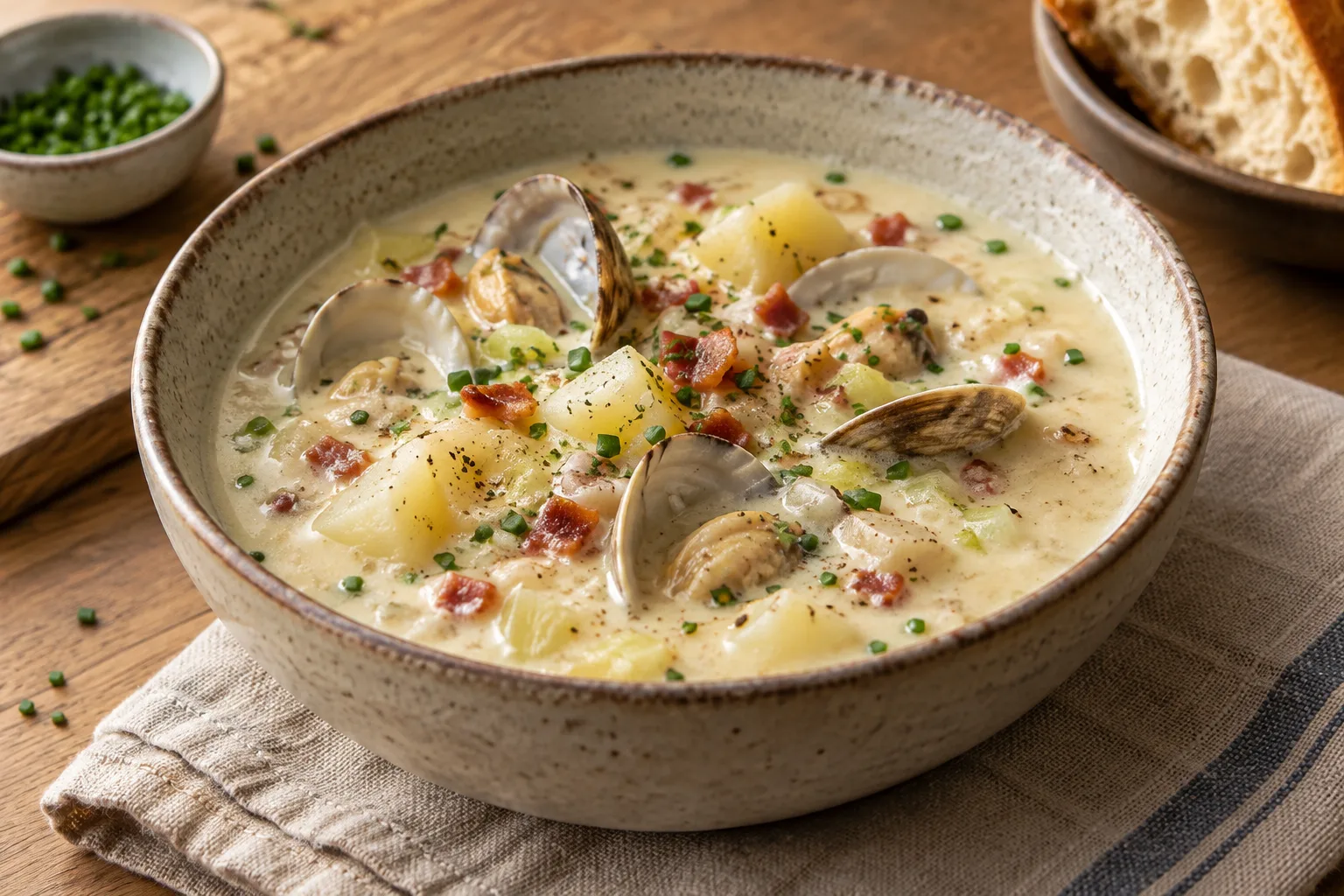
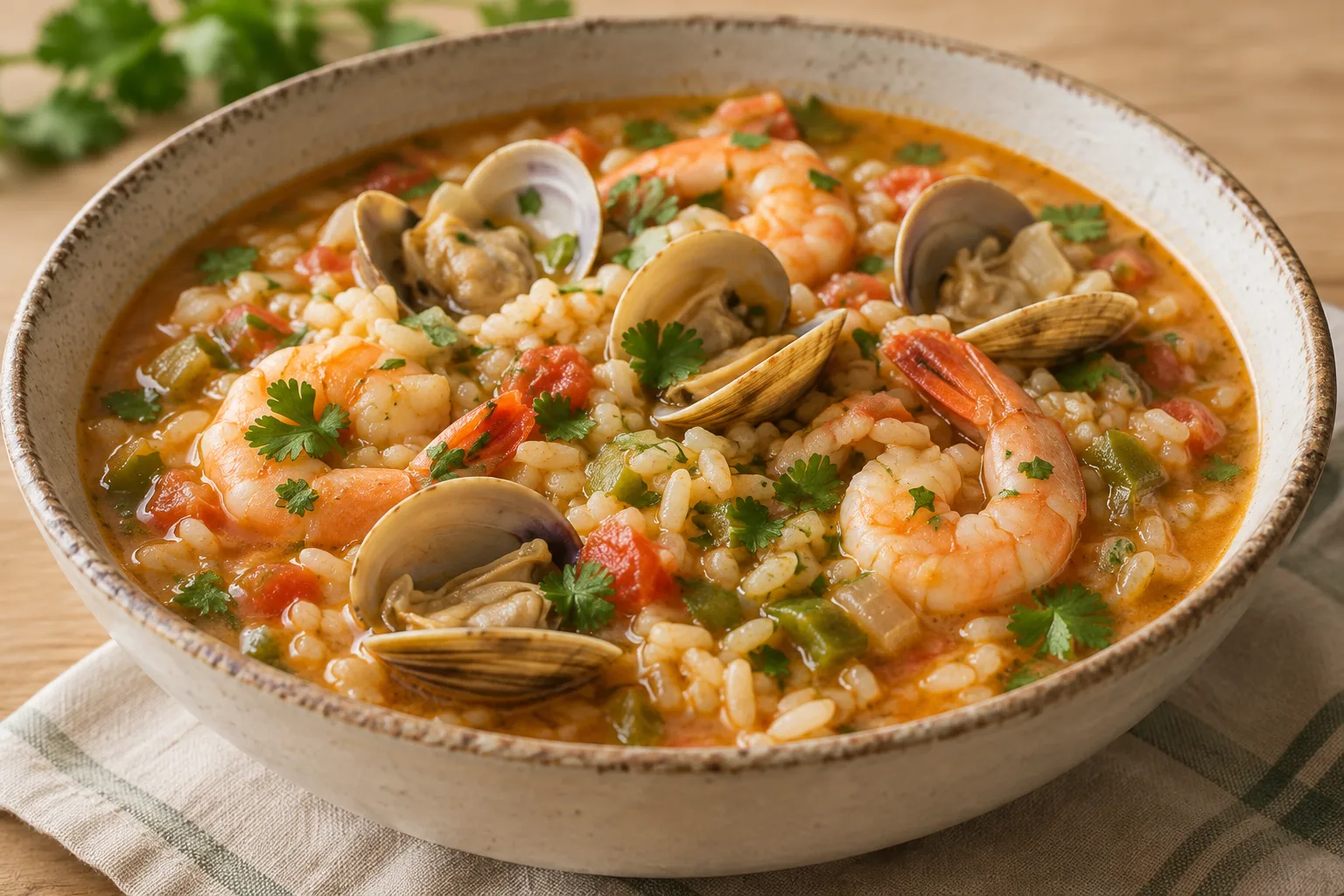
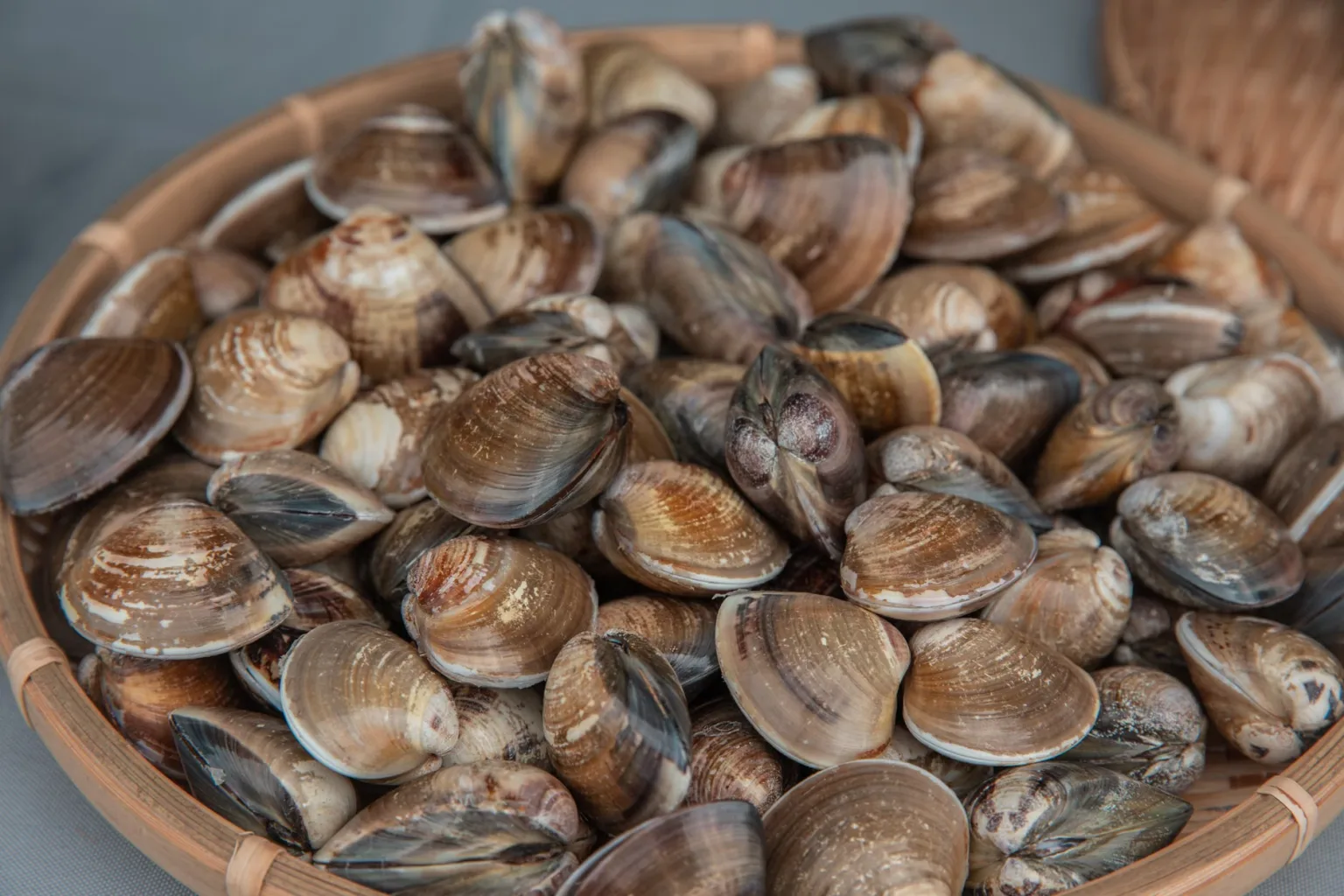
“Clam” is a common name for different bivalve molluscs, not one uniform variety. Varieties can differ in size, texture, and flavor, and those differences affect how they are served or cooked. Cooking references describe hard-shell and soft-shell clams, as well as elongated types such as razor clams. Depending on the variety, clams may be served in the shell or added to dishes such as soups, pasta, and stews. This profile covers fresh clams in general and does not assume a particular species, origin, or season.
When to use it
Use clams when you want to add a seafood element to soup, stew, or pasta, or when a recipe makes them the main ingredient. They can also be included in salads when that suits the dish. Keep in mind that the common name covers products with different sizes and textures: a small, tender variety may not behave like a larger or soft-shell one. Choose a preparation with the characteristics of the clams you have in mind, rather than applying one method to every type.
How to use it
Choose a preparation that suits the variety and size available. You can steam clams and serve them with their cooking broth, or pair them with butter or a light sauce; you can also sauté them, for example with garlic and lemon, or bake clams in their shells. Add them to soups, stews, or pasta, and consider them for salads when appropriate. Since clam varieties differ in texture and size, do not assume they all need the same treatment. Follow the seller’s directions and local food-authority guidance for handling shellfish.
Flavour and texture
Flavor and texture are not identical across clams; they vary by type. Some varieties are described as tender and sweet, while others are chosen for baked dishes or served with their steaming broth. Razor clams are elongated and can be sautéed or steamed. The common name alone therefore does not predict an exact result: check which variety is being sold and adapt the recipe accordingly.
How to choose it
Choose a variety that suits your recipe and check that the product is sold as fresh with clear origin information. For live clams, the cited cooking guide recommends looking for undamaged shells and checking that a slightly open shell closes when tapped. Since varieties differ in size and texture, ask what type you are buying if the recipe depends on a particular quality. If you cannot confirm the product’s origin or condition, ask the seller before using it.
Storage
This profile does not specify a shelf life or storage conditions for fresh clams, because the available evidence does not establish reliable guidance for every variety and presentation. Follow the seller’s storage instructions and local official guidance for shellfish. For frozen or canned products, use the package directions; those forms should not be treated as though they were fresh clams.
Substitutions
The closest swap is usually another clam variety, but size and texture can change the result and the preparation. Frozen or canned clams may also work when a recipe allows that format, although they are not identical to fresh clams. Choose according to the role they play in the dish and follow the product directions.
Common mistakes
Treating every variety as though it has the same size, texture, and use can lead to a different result than expected. Another mistake is choosing a method without checking which kind of clam you have: some are used steamed, others sautéed or baked. Do not assume frozen or canned alternatives will behave just like fresh clams.
Safety and allergens
Follow the seller’s instructions and local official recommendations for buying and handling shellfish. The available evidence does not provide a specific warning or storage method that applies to all clams; consult your local food authority if you are unsure about the product.
Culinary uses
- Ingrediente para sopas y guisos
- Aporte marino para pastas, ensaladas y platos de almejas
Recommended techniques
- Cocción al vapor
- Salteado
- Horneado en la concha
Pairs well with
- Pasta y sopas
- Guisos y ensaladas
- Ajo y limón
- Mantequilla o salsa ligera
Frequently asked questions
Are all clams the same?
No. The name covers varieties with different sizes, textures, and culinary uses. Choose a method that suits the type you bought.
How can I cook clams?
Depending on the variety, you can steam, sauté, or bake them in their shells, and use them in soups, pasta, and stews.
Can I replace fresh clams with another form?
Frozen or canned clams may work if the recipe allows that format, but they are not identical to fresh clams. Follow the package directions.
Estimated nutrition
- Fat
- 1.3 g
- Saturates
- 0.4 g
- Carbohydrate
- 2 g
- Sugars
- 0 g
- Fibre
- 0 g
- Protein
- 12 g
- Salt
- 0.1 g
Sources and review
Automatically researched, cross-checked and validated content. Sources consulted:
- Client Challenge doi.org
- The Essential Glossary of Cooking Terms for the Culinary Arts - Escoffier escoffier.edu
- Nutrition After Your Transplant - Health Online healthonline.washington.edu
- Aplicaciones de la Biotecnología en Seguridad Alimentaria aesan.gob.es
- FSHN14-05s/FS275: De Compras Para la Salud: Mariscos ask.ifas.ufl.edu
- Jams and jellies: Problems and solutions | Servicio de Extensión de OSU extension.oregonstate.edu
- UC Cooperative Extension Study of California Food Policy ... sarep.ucdavis.edu
- Supplemental Information [All Reports] law.stanford.edu
- Almejas | Cook for Your Life cookforyourlife.org
- Almeja blanca gallega: sabor suave, textura perfecta y origen artesanal - El Blog de Mariskito mariskito.com
- Propiedades de las almejas: un superalimento del mar elalmacendepredicadores.com