- Category
- Meat
- State
- Fresh
- Usual unit
- g
What it is
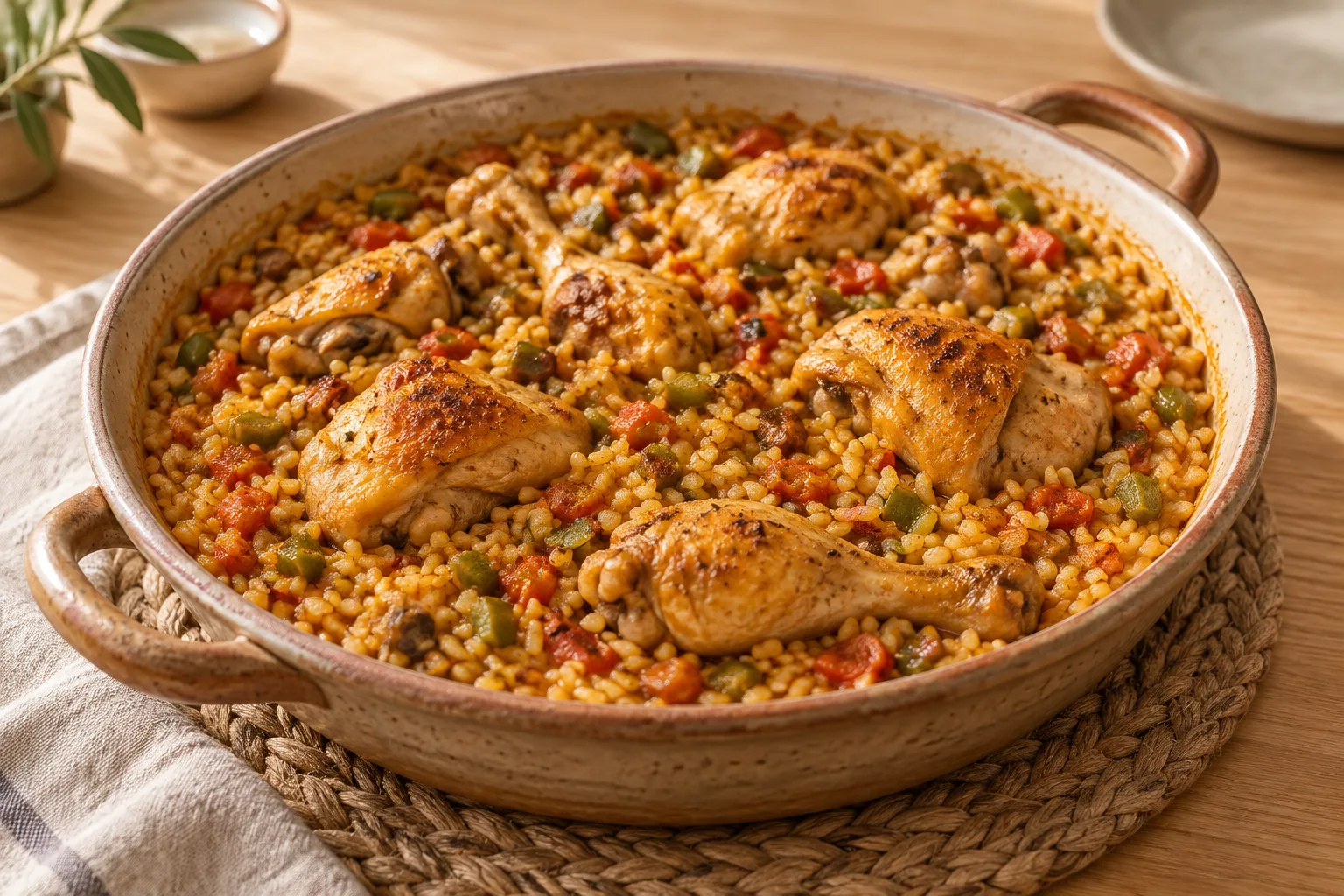
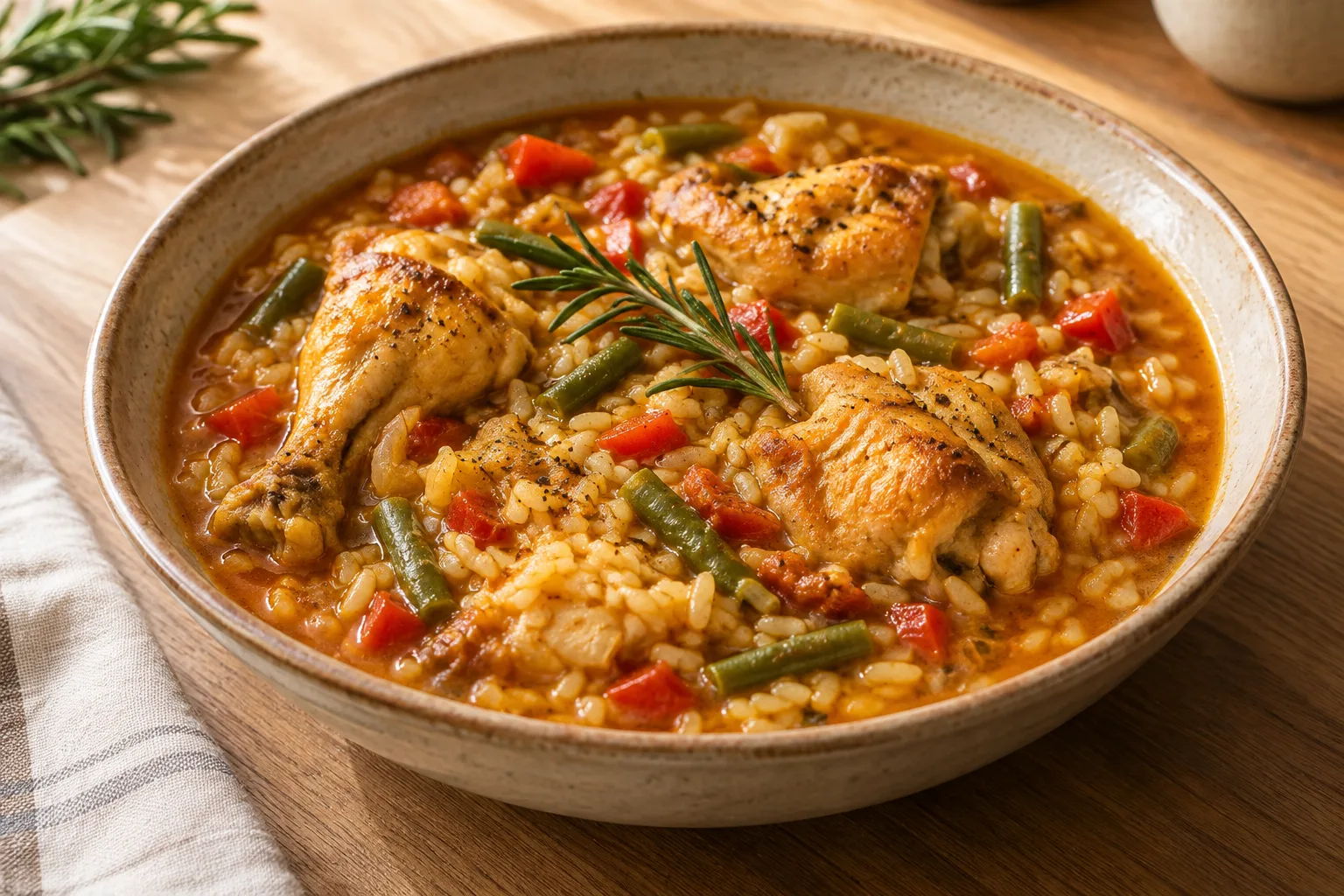
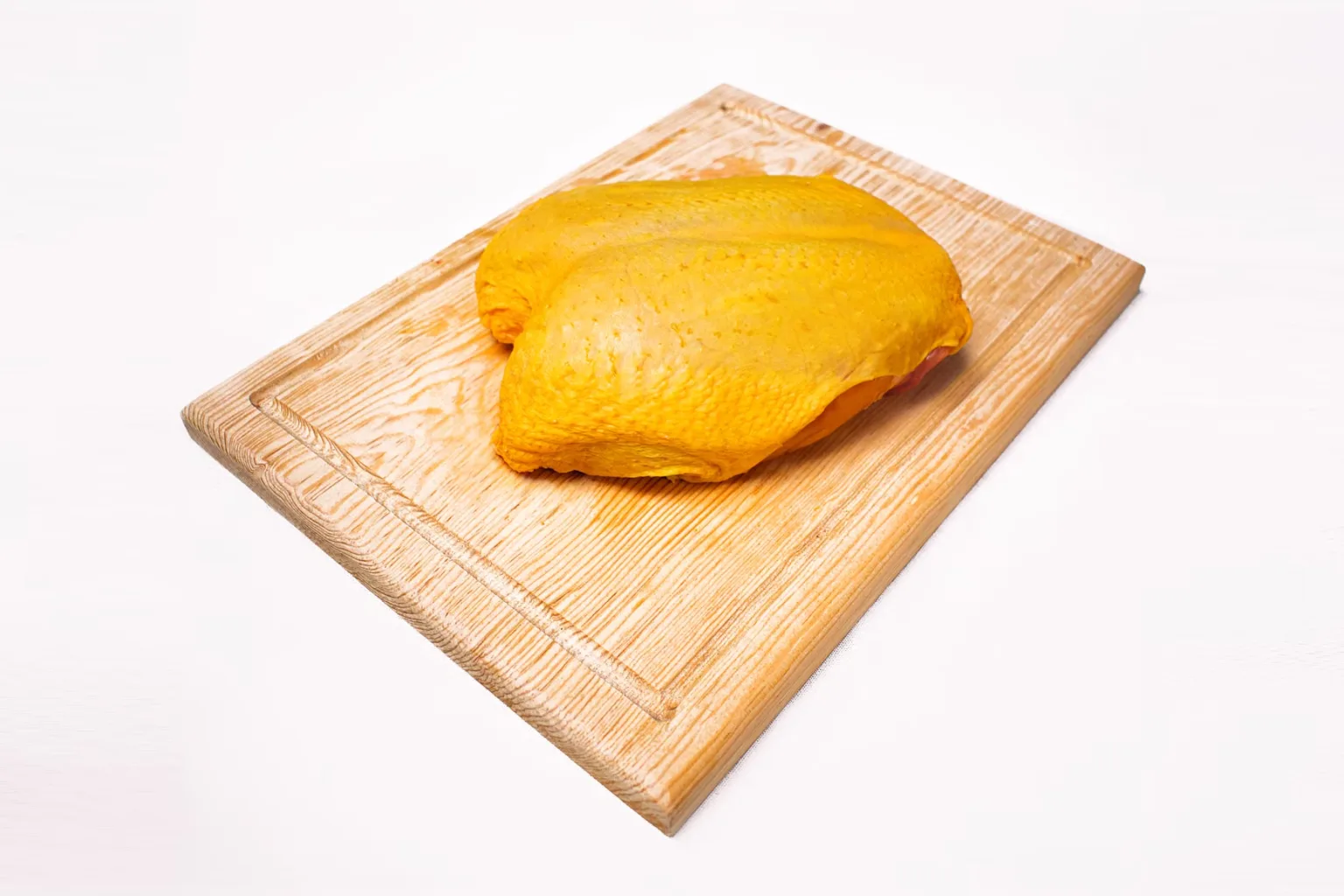
Cut-up chicken is chicken sold in pieces rather than as a whole bird or a single uniform cut. Depending on the product, those pieces may come from different cuts, so their size, proportion of meat to bone and cooking behavior can vary. This profile treats it as fresh and uses grams as the default unit. It is a versatile ingredient for roasting, browning and braising, or for adding to dishes with sauce, broth, rice and vegetables. Check the package to see which cuts are included if you need a particular type or size of piece.
When to use it
Choose cut-up chicken when you want to cook several pieces together and serve them as a main dish, or when a recipe calls for chicken portions. It works in stews and sauced dishes, where the pieces can cook with broth and other ingredients, and in oven preparations. For dishes with rice, noodles or vegetables, cook it alongside those ingredients when the recipe calls for that, or serve it as one component of the meal. Pieces may differ by cut, so choose them with the preparation in mind and check that they are fully cooked before serving.
How to use it
First decide whether to roast the pieces or cook them with liquid. For a stew, brown them in a pan or pot, then continue cooking with broth, wine or another recipe liquid and your chosen aromatics. For an oven preparation, arrange the pieces in a baking dish with the seasonings and accompaniments called for in the recipe. You can also poach them gently in broth. Tomato, onion, garlic, herbs, spices, rice and potatoes all feature in a range of chicken recipes. Since pieces may differ in size and cut, arrange them evenly and check that they are fully cooked before eating.
Flavour and texture
Chicken has a delicate flavor that works with a wide range of seasonings and sauces. The result also depends on the cut, skin and cooking method. Roasting can brown the outside, while cooking with liquid gives a moister dish with sauce. When a pack contains differently sized or cut pieces, the texture may vary within the same dish; adapt the preparation to the pieces you have.
How to choose it
Choose an intact package and look for pieces that appear fresh and firm, without visible bruising or discoloration. Check the label to see which cuts are included and whether they suit your recipe. If you are buying frozen rather than fresh chicken, check that the package is in good condition and follow its handling instructions.
Storage
Keep raw chicken refrigerated and wrapped, apart from other foods so it cannot come into contact with them. Leave it in the refrigerator until you are ready to prepare it, and clean utensils and surfaces that touched raw chicken before using them with other foods. For longer storage or packaged products, follow the storage directions on the label.
Substitutions
Turkey pieces can replace chicken if the recipe suits that meat, but cooking may need adjusting for the cut. If a mixed selection of chicken pieces is unavailable, use a specific chicken cut such as thighs or breast; the meat-to-bone proportion and texture will differ. Adapt the preparation to the chosen cut.
Common mistakes
Do not assume that every piece is the same size or will cook in the same way. Check which cuts are in the package and confirm that they are fully cooked before serving. Keep raw chicken and its utensils from contacting other foods, and clean tools and surfaces after handling it.
Safety and allergens
Keep raw chicken refrigerated, prevent contact with other foods, and clean hands, utensils and surfaces after handling it. Cook it fully before eating.
Culinary uses
- Main ingredient in roasts, stews and braises
- Protein component for rice, noodle and vegetable dishes
Recommended techniques
- Roasting
- Braising or stewing
- Sautéing and simmering
- Poaching
Pairs well with
- Tomato, onion and garlic
- Rice, potatoes and noodles
- Herbs such as rosemary or bay leaf
- Broths, wine and spiced sauces
Frequently asked questions
What can I make with cut-up chicken?
Roast it or use it in stews and sauced dishes. It also appears in recipes with rice, noodles, potatoes and vegetables.
Can I use one chicken cut instead of a mix of pieces?
Yes. Thighs or breast may work if the recipe suits that cut; expect a different meat-to-bone proportion and adjust the cooking.
How should I handle raw cut-up chicken?
Keep it refrigerated and separate from other foods. Clean hands, utensils and surfaces after handling it, and cook it fully.
Estimated nutrition
- Fat
- 17 g
- Saturates
- 5.36 g
- Carbohydrate
- 0 g
- Sugars
- 0 g
- Fibre
- 0 g
- Protein
- 17 g
- Salt
- 0.16 g
Sources and review
Automatically researched, cross-checked and validated content. Sources consulted:
- Client Challenge doi.org
- Maridajes perfectos: platos caseros y vinos que realzan su sabor - RutasyVinos rutasyvinos.com
- Gastronomía de Costa Rica - Wikipedia, la enciclopedia libre es.wikipedia.org
- Aesan - Agencia Española de Seguridad Alimentaria y Nutrición aesan.gob.es
- Recetas con pollo troceado: cocina sabrosa esdiario.com
- Recetas con pollo troceado: irresistibles y variadas cookpad.com
- Pollo asado troceado – Hacendado – 4 porciones (1,3kg) es.openfoodfacts.org
- Pollo troceado con tomate - Gallina Blanca gallinablanca.es
- JULIA Y SUS RECETAS: Pollo al horno troceado de mi madre juliaysusrecetas.com
- POLLO Troceado en SALSA - Receta Fácil y Rápida recetas.elperiodico.com
- Trucos y consejos para cocinar pollo | Coren coren.es
- POLLO: recetas y técnicas culinarias cocinasanayfacil-ruqui.blogspot.com
- Receta de Pollo Troceado en Salsa Fácil y Sabrosa Paso a Paso - Recetas Creativas recetascreativas.com
- Pollo: 9 recetas jugosas para no aburrirte nunca lasrecetascocina.com
- Como Trocear Un Pollo: Guía Fácil y Rápida | Brillante brillante.es
- 5 marinados de pollo para asar y sacar todo el jugo a la pechuga. aldelis.com