- Category
- Herbs and spices
- State
- Fresh
- Usual unit
- teaspoon
What it is
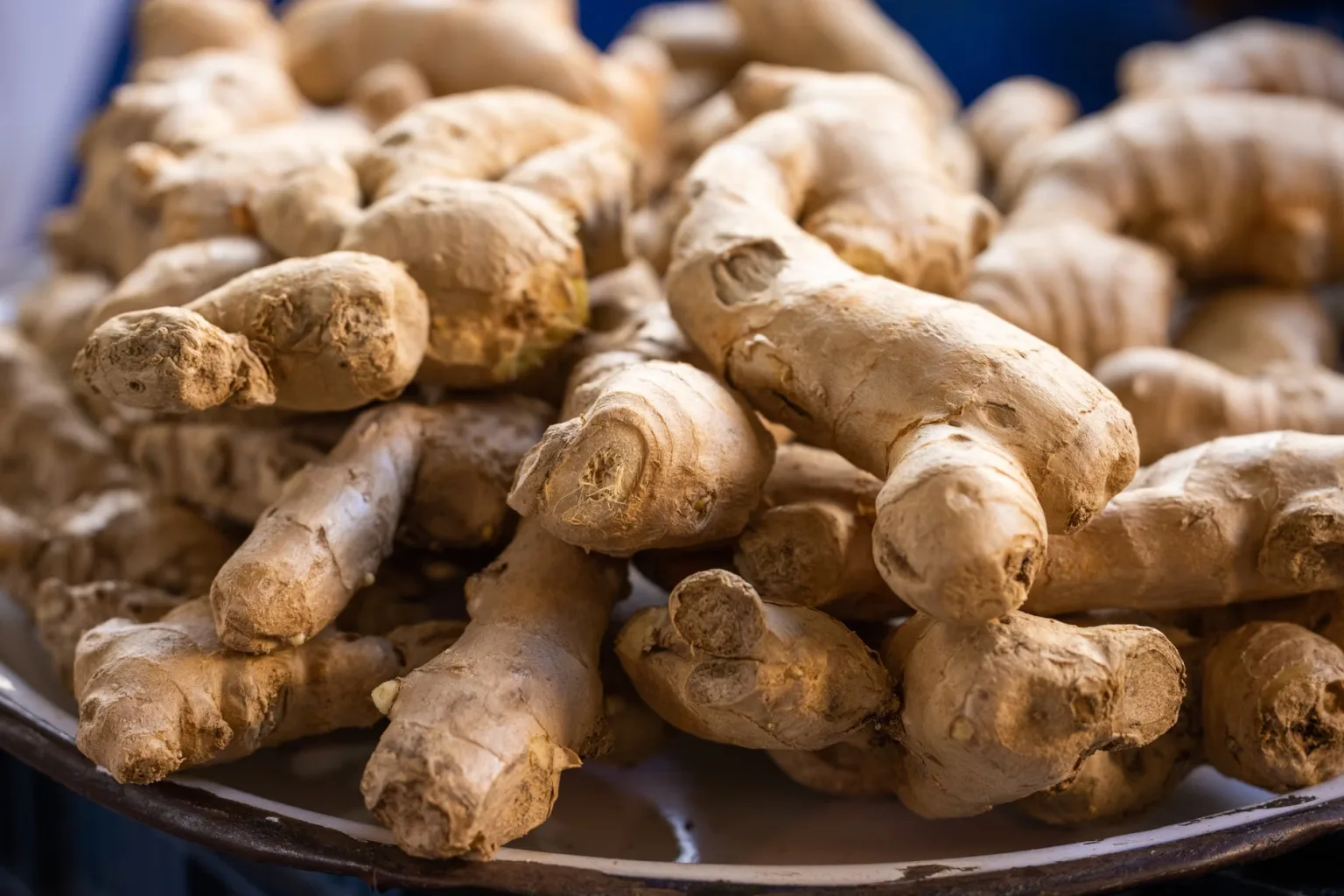
Culinary ginger is the rhizome, an underground stem, of Zingiber officinale in the Zingiberaceae family. Although commonly called a root, that name is not botanically precise. The knobbly rhizome is aromatic, with skin ranging from brown to golden and generally pale flesh. It is sold fresh and is also available dried, ground, or preserved. Young ginger tends to be more tender, juicy, and mild; mature ginger has tougher skin and can be hotter and more fibrous. The flesh color can vary, so color alone is not always a sign of spoilage.
When to use it
Use ginger when you want warm fragrance and fresh heat in a dish, whether a stir-fry, soup, curry, drink, or spiced sweet. Grated or minced ginger blends readily into cooked dishes; slices can perfume broths or infusions. It also pairs well with fruit and baked goods. Young ginger is generally milder, while mature ginger can be stronger and more fibrous, so choose the form for the effect you want and adjust the amount to taste.
How to use it
Wash the rhizome and, if desired, remove its skin by scraping; peeling is optional. Grate or finely mince it to distribute its flavor through stir-fries, curries, soups, sauces, and marinades. Cut it into slices or thin strips when you want pieces in the dish or want to infuse a broth or drink. Ginger also works in sweet preparations such as spiced doughs and cookies, or with fruit. Start with a modest amount and taste before adding more: intensity varies, including with maturity and the individual piece. Ginger can also be dried, frozen, or preserved, but these forms do not behave exactly like fresh rhizome.
Flavour and texture
Its aroma is pronounced, and its flavor combines warm, spicy, and lightly citrus-like notes. Young rhizomes tend to be juicy, tender, and milder; mature ginger is often hotter, drier, and more fibrous. Grating spreads it throughout a preparation, while slices or larger pieces give a less even infusion and can be removed before serving. The specific profile varies with cultivar, growing conditions, and harvest time.
How to choose it
Choose firm pieces without bruises and with light brown to cream-colored skin. Young ginger can have very thin skin, and pieces need not all have the same color or shape. If you want a more tender texture and milder flavor, look for young ginger when available. Avoid pieces with soft areas, mold, suspicious discoloration, or an unpleasant smell; these are signs of spoilage.
Storage
To keep ginger fresh, store it unpeeled in an airtight bag or container in the refrigerator crisper; it can also be frozen. How long it keeps depends on storage conditions, so inspect it and follow any package directions. Discard ginger with mold, soft spots, discoloration, or an unusual smell or appearance. Leftover peeled ginger should be tightly wrapped and refrigerated.
Substitutions
Ground ginger can replace fresh ginger in some preparations, but it does not reproduce the same aroma, freshness, or texture; adjust the amount and taste as you go. Pickled or otherwise preserved ginger can also work when its sweetness, acidity, or brininess suits the dish. These are not neutral swaps: consider the other seasonings and the intended flavor before choosing.
Common mistakes
Do not assume ginger must be peeled: removing the skin is optional, and it can be scraped off. Avoid swapping fresh ginger for ground without adjusting, since dried and fresh forms have different profiles. Do not judge the flesh by color alone, which can vary; check firmness, smell, and visible signs of spoilage.
Safety and allergens
Follow package storage directions when provided, and do not use ginger with mold, soft areas, discoloration, or an unusual smell or appearance. Make sure the ingredient is culinary ginger, Zingiber officinale: wild ginger mentioned in some sources is a different plant and should not be confused with the edible culinary ingredient.
Culinary uses
- Aromatic seasoning for savory dishes
- Spicy flavoring for sweet dishes and drinks
- Fresh, dried, ground, or preserved spice
Recommended techniques
- Grate or mince into dishes
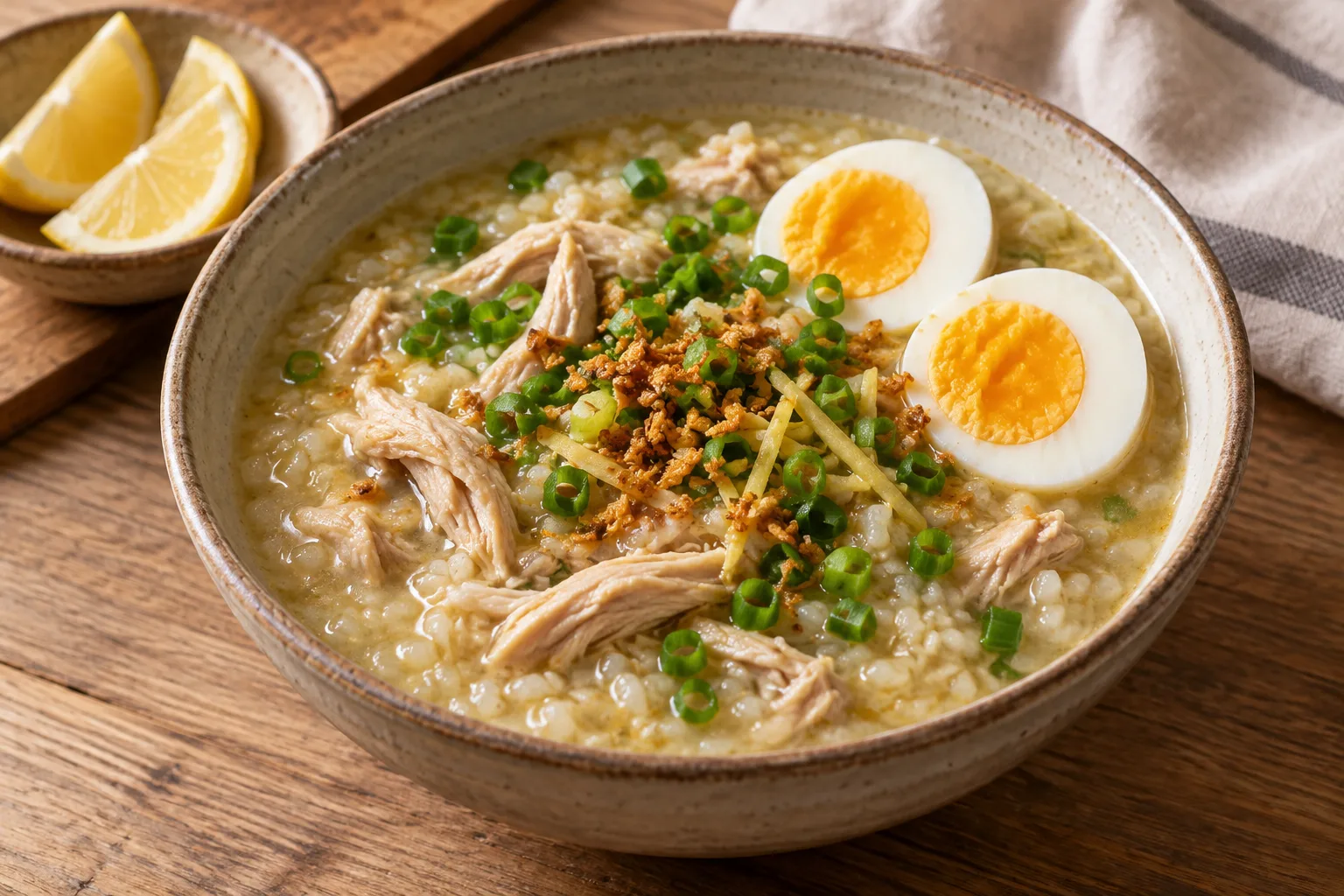
- Slice, julienne, or chop for cooking
- Infuse in hot drinks or broths
- Pickle, dry, or freeze for other uses
Pairs well with
- Garlic and scallions
- Curries, soups, and stir-fries
- Fruit salads and baked goods
- Tea, lime, and honey
Frequently asked questions
Is ginger a root?
It is often called ginger root in cooking, but the edible part is a rhizome, an underground stem.
Do I have to peel fresh ginger?
No. The skin can be left on or removed; if you remove it, scraping is an option.
How does young ginger differ from mature ginger?
Young ginger tends to be tender, juicy, and mild. Mature ginger has tougher skin and is usually hotter and more fibrous.
Estimated nutrition
- Fat
- 0 g
- Saturates
- 0 g
- Carbohydrate
- 0 g
- Sugars
- 0 g
- Fibre
- 0 g
- Protein
- 0 g
- Salt
- 0 g
Sources and review
Automatically researched, cross-checked and validated content. Sources consulted:
- En el etiquetado alimentario hay algunas menciones que son obligatorias eletiquetadocuentamucho.aesan.gob.es
- Client Challenge doi.org
- Storing Fresh Ginger • AnswerLine • Iowa State University Extension and Outreach blogs.extension.iastate.edu
- Growing Ginger at Home | Virginia Cooperative Extension | Virginia Tech ext.vt.edu
- Ginger, Zingiber officinale – Wisconsin Horticulture hort.extension.wisc.edu
- Noticias del Exterior : boletín de información internacional ... mapa.gob.es
- The Complete Chinese Dinner | Institute of Culinary Education ice.edu
- 3 ways to use ginger - Escoffier escoffier.edu
- Ginger | Department of Design design.osu.edu
- Ginger - Vegetable Resources Vegetable Resources aggie-horticulture.tamu.edu
- El jengibre en la cocina asiática dragonimperial.es
- Jengibre: qué es, propiedades, beneficios y cómo se toma bonviveur.com
- Jengibre, más que una especia: usos, formatos y qué puede aportar a tu bienestar margavilan.substack.com
- Jengibre: un superfood con múltiples usos y propiedades | Gastronosfera gastronosfera.com
- El jengibre desde una perspectiva profesional | Alveus alveus.eu